In this article
What you’ll learn
- Maintaining clean coils and filters can improve energy efficiency by 15-30%.
- Use enzyme-based cleaners to biologically break down organic stains without harsh chemicals.
- Avoid vinegar on rubber gaskets and natural stone to prevent long-term material degradation.
In the modern home, the kitchen is more than just a place to cook; it is a high-tech hub of efficiency. However, even the most advanced technology requires consistent care. If you want to clean kitchen appliances effectively, you must look beyond surface-level shine. Maintaining your appliances is not just about aesthetics—it is a critical financial decision. Research shows that keeping filters and coils clear can boost energy efficiency by up to 30%, adding years to the lifespan of your investment.
Whether you are dealing with a 2025 smart refrigerator or a classic convection oven, understanding the best way to clean kitchen appliances ensures your home remains hygienic and cost-effective. In this guide, we will explore the latest trends in domestic maintenance, from enzyme-powered solutions to AI-driven cleaning alerts.
The Major Players: Refrigerator, Oven, and Dishwasher
The "Big Three" appliances in your kitchen consume the most energy and require the most specialized care. As we move into 2026, the focus has shifted from harsh degreasers to precision cleaning that protects sensitive sensors.
The Smart Refrigerator
Modern refrigerators now feature integrated touchscreens and AI sensors that monitor everything from internal humidity to door seal integrity. To clean kitchen appliances easily without damaging these components, you must be selective with your tools.
For the exterior, especially on models with integrated screens, never use glass cleaners containing ammonia. Instead, use a dry, high-gsm microfiber cloth or a cleaner specifically formulated for electronic displays. For the interior, skip the floral-scented sprays. A simple mixture of two tablespoons of baking soda and a quart of warm water is the gold standard for neutralizing odors without tainting your food with chemical fragrances.
Tip: Don't forget the coils. Every six months, use a vacuum attachment to remove dust from the refrigerator coils (usually located at the back or bottom). This single step can prevent your compressor from overworking and failing prematurely.
The Induction Hob and Modern Oven
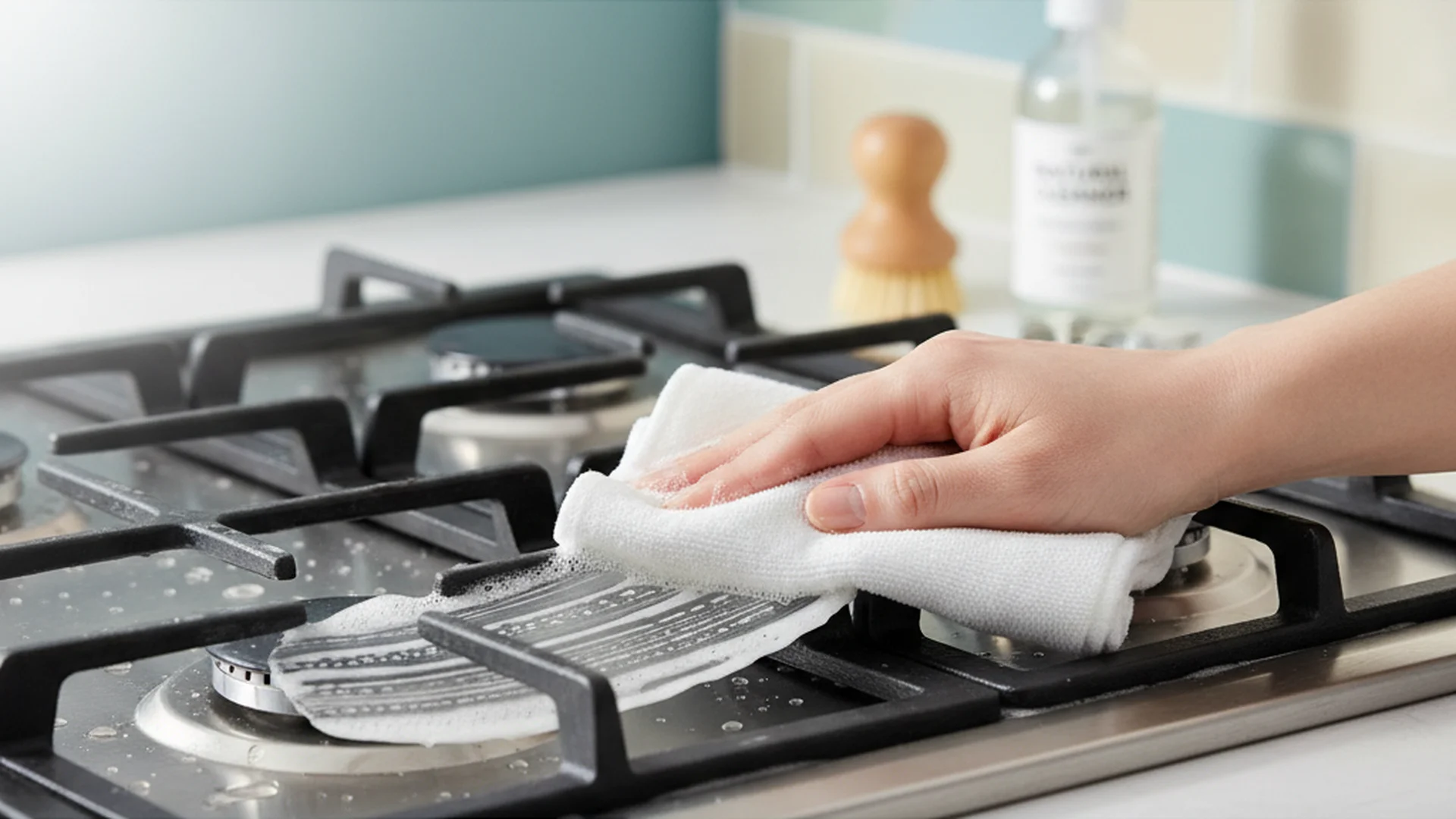
In 2025, the induction hob has become the standard for domestic efficiency. To clean it, use a clockwise circular motion. This specific movement helps trap micro-debris within the cloth fibers rather than simply pushing it to the edges. If you encounter burnt-on spills, use a plastic scraper at a 45-degree angle.
For the oven, the "Old-School Comeback" trend is gaining traction. Rather than using caustic "self-clean" cycles that can reach temperatures dangerous for internal electronics, many specialists now recommend a paste of lemon juice, salt, and vinegar. This combination provides enough acidity and abrasion to lift grease without polluting your indoor air quality.
The Modern Dishwasher
One of the most common misconceptions in 2025 is the need to pre-rinse dishes. Modern units utilize soil sensors and enzyme-based detergents. If you pre-rinse your dishes until they are spotless, the enzymes have nothing to latch onto, often resulting in a less effective wash.
To maintain the machine itself, remove the bottom filter monthly. You will be surprised at how much debris accumulates there, which can cause "re-depositing" (bits of food landing back on clean dishes).
Success: Sanitize your dishwasher by placing a bowl of white vinegar on the top rack and running a hot cycle. Follow this with a sprinkle of baking soda on the floor for a second quick cycle to leave it smelling like new.
Small Appliances: The 2025 "Must-Cleans"
Small appliances often harbor more bacteria than their larger counterparts because they are handled more frequently.
| Appliance | Cleaning Method | Key Ingredient |
|---|---|---|
| Air Fryer | Steam Clean Method | Dish Soap + Water |
| Coffee Maker | Descaling | 50/50 Vinegar Water |
| Microwave | Steam Loosening | Lemon Slices |
| Toaster | Crumb Tray Removal | Dry Brush |
Air Fryers: The Steam Trick
Air fryers have become a kitchen staple, but they are notoriously difficult to degrease. The best way to clean these kitchen appliances easily is the "Steam Clean" method. Add one cup of water and a single drop of grease-cutting dish soap to the basket. Run the air fryer at 400°F for five minutes. The circulating steam will loosen the polymerized grease, allowing you to wipe it away with zero scrubbing.
Coffee Makers and Mineral Buildup
With the rise of high-end espresso machines and smart brewers, descaling is no longer optional. Mineral buildup can clog internal heating elements, leading to lukewarm coffee and eventual mechanical failure. Use a 50/50 vinegar-water solution every 30 to 60 days to keep the internal lines clear.
Warning: Always check your manufacturer’s warranty before using vinegar. Some high-end European brands require specific citric acid-based descalers to maintain their warranty status.
Emerging Trends: The 2025-2026 Cleaning Revolution
As a Domestic Efficiency Specialist, I have seen a massive shift in how we approach hygiene. We are moving away from "kill everything" chemistry toward "biological management."
- Enzyme-Powered Cleaning: 2026 is seeing a surge in protease and lipase-based cleaners. These biological solutions "eat" organic stains like fats and proteins. They are safer for your family and more effective at removing the "grease film" that often builds up on top of kitchen cabinets and range hoods.
- AI-Driven Maintenance: High-end appliances now feature sensors that detect spills or changes in humidity. If your 2025 fridge detects a leak or a sticky spill on a lower shelf, it will send a "Cleaning Required" notification to your smartphone.
- Steam Everything: Handheld steam cleaners have become the top-trending tool for 2026. They allow for chemical-free sanitization of appliance vents, grout, and rubber seals where mold often hides.
Common Mistakes to Avoid
Even with the best intentions, many homeowners inadvertently damage their equipment while trying to clean it.
- The "Same Cloth" Error: Using the same microfiber cloth for the countertop and then the appliance handles. This is a primary driver of cross-contamination in the kitchen.
- Solution: Use color-coded cloths. Use blue for glass and stainless steel, and red for high-touch areas like knobs and handles.
- Scouring against the Grain: When cleaning stainless steel, always identify the "grain" (the direction of the faint lines in the metal). Scrubbing against the grain or using steel wool creates permanent micro-scratches that trap dirt and bacteria.
- Over-Cleaning with Bleach: While bleach is a powerful disinfectant, it is disastrous for plastic interiors and rubber gaskets. Over time, bleach causes these materials to become brittle and crack, which leads to air leaks in fridges and water leaks in dishwashers.
Note: If you have natural stone countertops like marble or granite, be extremely careful when cleaning the appliances sitting on them. Vinegar or lemon juice dripping onto the stone can cause "etching"—a permanent dull mark on the stone's surface.
Frequently Asked Questions
How often should I deep clean my appliances?
Is it safe to use vinegar on all appliances?
Do I really need to stop pre-rinsing my dishes?
What is the best way to clean stainless steel without streaks?
Conclusion
Maintaining a clean kitchen is a cornerstone of domestic efficiency. When you clean kitchen appliances with the right techniques, you aren't just tidying up—you are protecting your health, lowering your energy bills, and ensuring your expensive technology lasts for a decade or more. By embracing the 2025 trends of enzyme cleaning and steam sanitization, you can keep your kitchen running like a well-oiled machine.
Success: Consistent maintenance can extend the life of your major appliances by an average of 3 to 5 years, saving thousands in replacement costs.
Cleaning that keeps score
Every task earns points, every streak multiplies them, and Premium adds a household leaderboard plus a monthly Dustagorgon to beat.
- Free forever
- 30 badges to earn
- Up to 6 in a household
No card needed. Set up your rooms in a couple of minutes.