In this article
What you’ll learn
- Follow the 'Empty Canvas' rule by removing all items before cleaning.
- Use a 1:1 vinegar and water solution for a safe, natural clean.
- Adopt the 'First In, First Out' (FIFO) method to cut down on wasted food.
A clean, well-organized pantry is the heart of an efficient kitchen, yet it is often the most overlooked area during a routine cleaning spree. When you clean pantry shelves, you aren't just wiping away dust; you are protecting your family from pests, reducing environmental waste, and saving money. In an era where food costs are rising and sustainability is a priority, maintaining your storage space has never been more critical. Whether you are dealing with sticky honey spills or trying to prevent an infestation of pantry moths, learning the best way to clean pantry shelves will transform your kitchen experience.
Why Pantry Hygiene Matters in 2026
Cleaning your pantry is no longer just about aesthetics. A striking share of what the average household spends on groceries goes on food that is never actually eaten. Much of this waste occurs because items are lost in the dark corners of messy shelves.
Furthermore, "stored-product pests" like Indian meal moths and rodents are drawn to exactly the kind of forgotten, poorly sealed dry goods that collect at the back of a shelf. A clean pantry is your first line of defense against these unwelcome guests. By choosing to clean pantry shelves easily and regularly, you create an environment where food stays fresh and inventory is visible.
The Preparation: The "Empty Canvas" Rule
One of the most common mistakes people make is trying to clean around jars and boxes. The answer is simple: you must remove everything. This "Empty Canvas" rule allows you to see hidden crumbs, insect webs, or leaking containers that are otherwise invisible.
The Three-Zone Sort
As you unload your shelves, don't just pile items on the counter. Categorize them immediately into three zones:
- Keep: Frequently used items that are well within their expiration dates.
- Toss: Anything expired, stale, or showing signs of "bulging" (a warning sign of bacterial growth in cans).
- Donate: Unopened, non-perishable items that are still good but that your family realistically won't consume.
Tip: Keep a small bin nearby during the sort specifically for recyclables like cardboard boxes and glass jars to stay eco-friendly.
Step-by-Step: The Best Way to Clean Pantry Shelves
Once your shelves are bare, it is time to tackle the grime. Follow this order of operations to ensure you don't have to clean the same spot twice.
1. Top-to-Bottom Suction
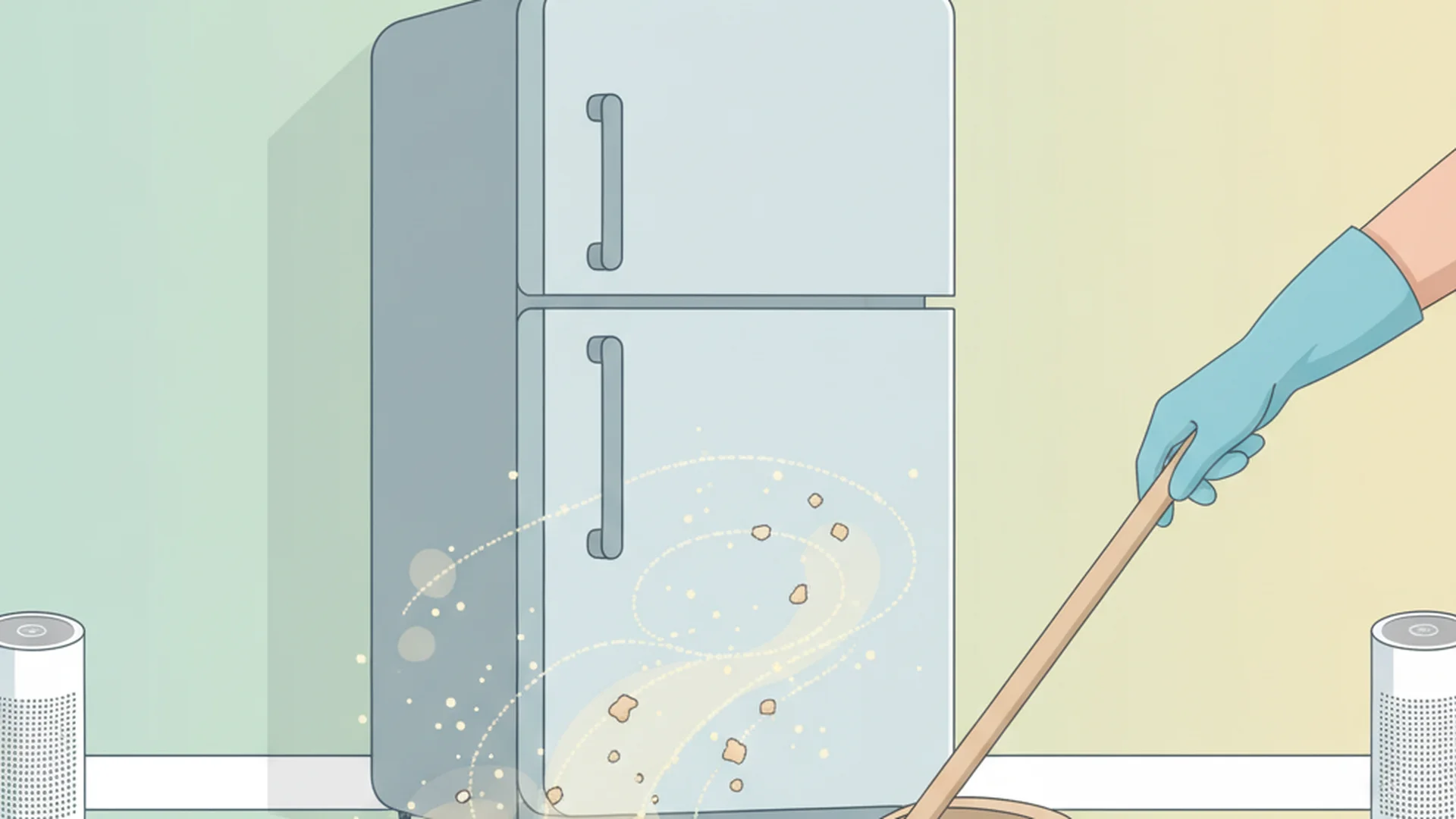
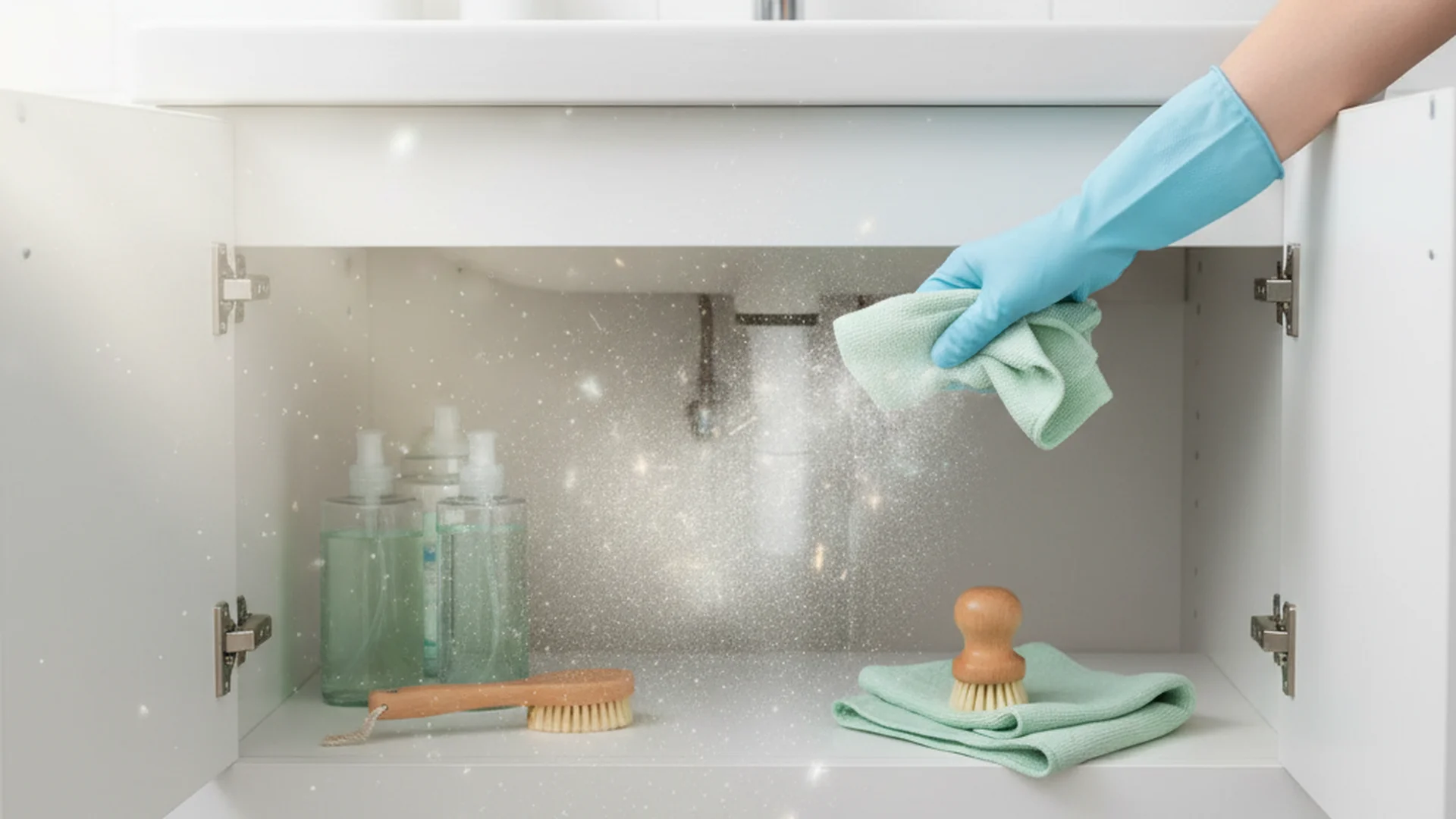
Always start by vacuuming. Use a hand vacuum or a hose attachment with a soft brush. This is the best way to clean pantry shelves that have flour or sugar spills. If you use a wet cloth first, these fine powders turn into a sticky paste that is much harder to remove. Pay special attention to the corners and the undersides of the shelves where spiders often hide.
2. Wipe with Natural Solutions
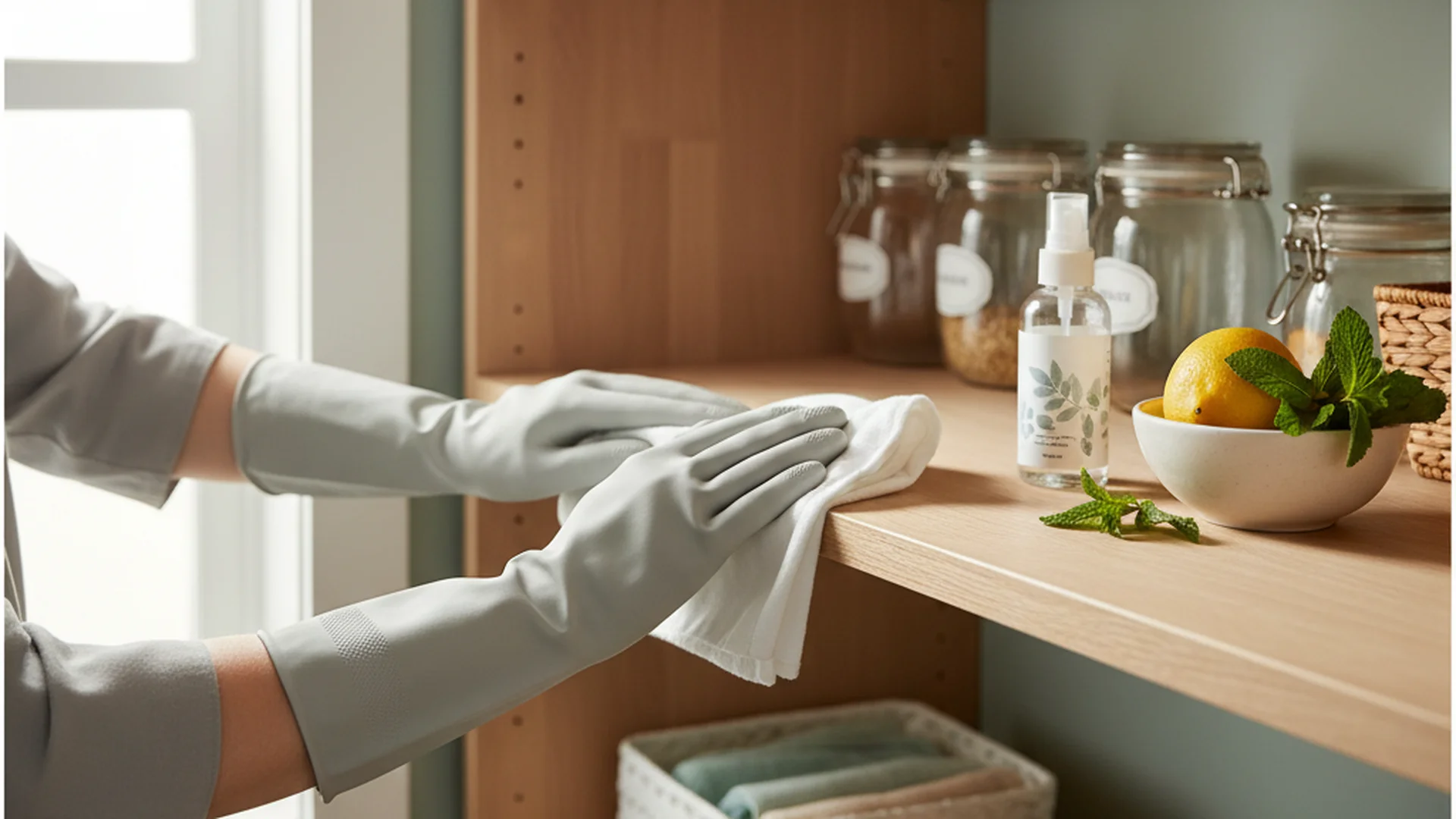
In 2026, the shift away from harsh chemicals is more prominent than ever. A 1:1 solution of white vinegar and water is the gold standard for pantry hygiene. It is food-safe, inexpensive, and cuts through grease effectively.
Warning: Never mix bleach with vinegar or ammonia-based cleaners, as this creates toxic fumes. Stick to one cleaning agent at a time.
3. Tackle Stubborn Spills
For "mystery spills" like dried honey or maple syrup, a simple wipe won't suffice. Create a paste using baking soda and a few drops of warm water. Apply it to the sticky spot, let it sit for five minutes, and then wipe it away with a damp microfiber cloth.
Success: Using a microfiber cloth rather than paper towels reduces waste and lifts far more grime and residue off the surface without needing heavy disinfectants.
Surface-Specific Care Guide
Not all shelves are created equal. Using the wrong cleaning method can damage your pantry's infrastructure.
| Shelf Material | Cleaning Method | Special Consideration |
|---|---|---|
| Solid Wood | Barely damp cloth + wood soap | Dry immediately to prevent warping or mold growth. |
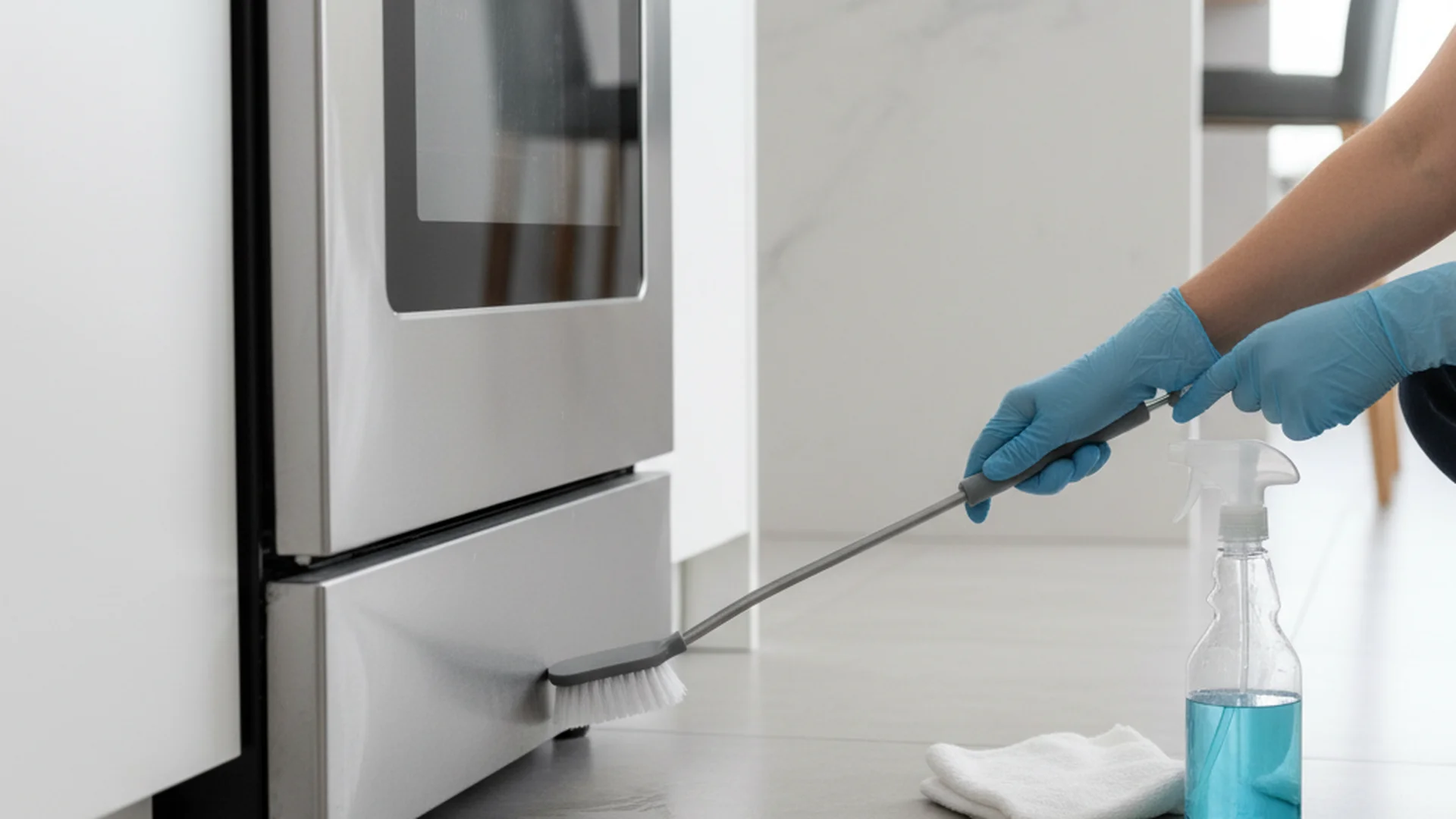
| Wire Racks | Vacuum + microfiber wrap | Use a cloth wrapped around a butter knife to reach between wires. |
| Laminate | All-purpose spray | Avoid abrasive scrubbers that can scratch the finish. |
| Glass | Vinegar & water spray | Ensure shelves are at room temperature before cleaning to avoid cracking. |
Note: If you have wire shelves, 2026 design trends suggest adding solid liners. This prevents small items from tipping and stops crumbs from falling onto the shelves below.
Modern Trends in Pantry Management
As we move through 2025 and 2026, the way we store food is evolving. Integrating these trends as you clean pantry shelves can make future maintenance much easier.
The Anti-Plastic Shift
Consumers are increasingly replacing plastic bins with glass, bamboo, and stainless steel. This movement helps avoid microplastic contamination and the leaching of "forever chemicals" (PFAS) into dry goods. When restocking, consider "decanting" items like pasta and flour into airtight glass jars with silicone seals.
AI and Smart Pantries
The rise of IoT (Internet of Things) sensors now allows homeowners to track inventory via mobile apps. Some high-tech pantries include "smart scales" that sit on the shelves, alerting you when staples like rice or coffee are low. This technology directly combats that waste by ensuring you only buy what you actually need.
The "Hosting Closet" Concept
A popular 2026 trend is converting a section of the pantry into a "hosting station." As you clean, designate a shelf for table linens, vases, and seasonal serving platters. This keeps your main kitchen counters clutter-free and makes entertaining more seamless.
Common Mistakes to Avoid
Even the most seasoned cleaners can fall into these traps. Avoid these errors to keep your pantry in top shape:
- Storing Chemicals with Food: Never keep bleach, heavy-duty degreasers, or pesticides on the same shelves as your food. Even unsealed vapors can affect the taste and safety of your ingredients.
- Over-Wetting the Surface: Excessive moisture is the enemy of a pantry. It can lead to mold and attract "moisture-loving" pests like silverfish. Always use a damp, not dripping, cloth.
- Ignoring Hidden Areas: Don't forget to wipe down the pantry door frame, the floorboards, and the very top of the door. These are prime locations for dust and pet hair to collect.
- Non-Airtight Decanting: If you move food to "pretty" containers, ensure they have a true airtight seal. If the lid just "rests" on top, you are inviting pests and allowing food to go stale faster.
Frequently Asked Questions
How often should I clean my pantry shelves?
What is the best natural cleaner for pantry shelves?
Can I use disinfectant wipes near food?
How do I prevent sticky spills from honey and oils?
Conclusion
Taking the time to clean pantry shelves is an investment in your home's health and your monthly budget. By removing the clutter, utilizing natural cleaning agents, and adopting modern storage trends like decanting and the FIFO (First In, First Out) method, you create a space that is both functional and beautiful. Remember that a clean pantry isn't just about the absence of dirt—it's about the presence of order and the reduction of waste.
Success: By following this guide, you can cut your household food waste substantially and extend the life of your pantry staples.
Cleaning that keeps score
Every task earns points, every streak multiplies them, and Premium adds a household leaderboard plus a monthly Dustagorgon to beat.
- Free forever
- 30 badges to earn
- Up to 6 in a household
No card needed. Set up your rooms in a couple of minutes.