In this article
What you’ll learn
- Small apartments show clutter far faster than larger homes do.
- Consistency via a "Daily Reset" is more effective than marathon deep cleans.
- Modern tools like robot vacuums and refillable concentrates are essential for 2025 living.
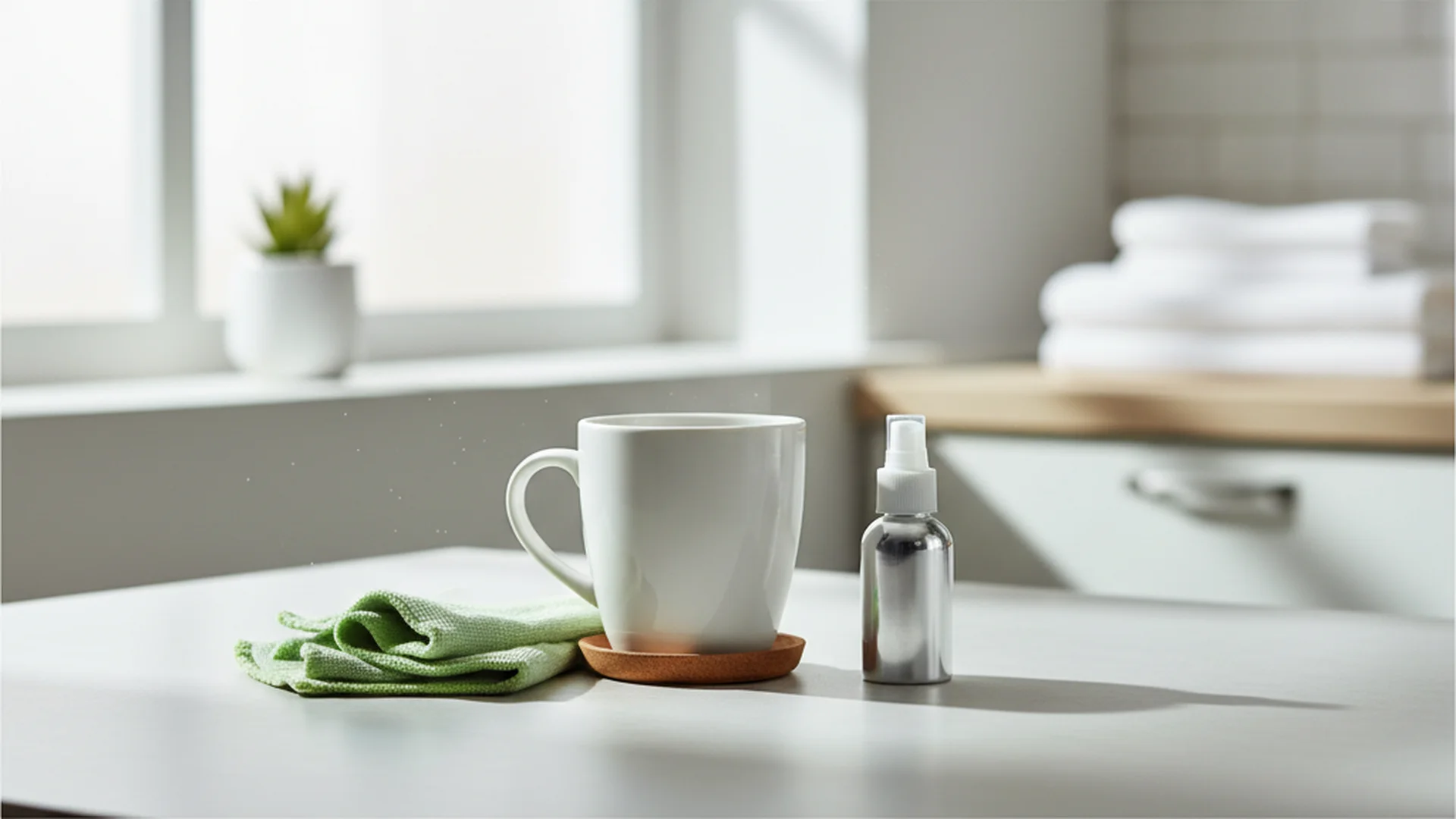
Living in a small apartment offers a unique set of challenges, particularly when it comes to maintaining a sense of order. In a compact footprint, the "Clutter Multiplier" effect is real: a reduced living space shows visible clutter far faster than a larger home does. A single coffee mug left on a side table in a 500-square-foot studio has a much higher visual impact than it would in a suburban mansion. To combat this, a structured apartment cleaning schedule is not just a list of chores; it is a vital strategy for maintaining both your home’s hygiene and your mental well-being.
Why Small Spaces Require a Unique Cleaning Routine Schedule
When you have less square footage, your "high-traffic areas" are essentially every square inch of the apartment. Traditional cleaning advice often fails apartment dwellers because it assumes you have a laundry room, a guest bathroom, and ample storage. In a small apartment, your kitchen might also be your home office, and your living room doubles as a yoga studio.
As of 2025, we are seeing a significant shift in how people view their living environments. Younger renters clean in frequent short bursts rather than one big weekly session. This isn't because they are obsessed with scrubbing; rather, they view a cleaning routine schedule as a component of "wellness" and "space resets." By breaking tasks down into manageable chunks, you can prevent the burnout that comes from a five-hour Saturday cleaning marathon.
Note: For a standard one-bedroom apartment (700–1,000 sq. ft.), you should aim for approximately 1.5 to 2.5 hours of maintenance cleaning per week. Studio dwellers can often finish in under 2 hours.
The Foundation: The "Vertical Cleaning" Rule
Before you pick up a spray bottle, you must understand the most important rule of professional cleaning: Top to Bottom.
In small apartments, dust from high shelves, the tops of refrigerators, and ceiling fans settles quickly onto the limited floor space. If you vacuum first and then dust, you will inevitably have to vacuum again. Always start at the highest point in the room and work your way down. This ensures that any falling debris is captured during the final floor sweep.
The One-Touch Rule
To prevent small-space clutter from spiraling out of control, adopt the "One-Touch Rule." The premise is simple: when you pick something up—whether it’s mail, a grocery bag, or a discarded sweater—don’t put it down until it reaches its final destination. Moving an item twice is a waste of time and the primary cause of "surface clutter" in urban apartments.
The Master Apartment Cleaning Schedule
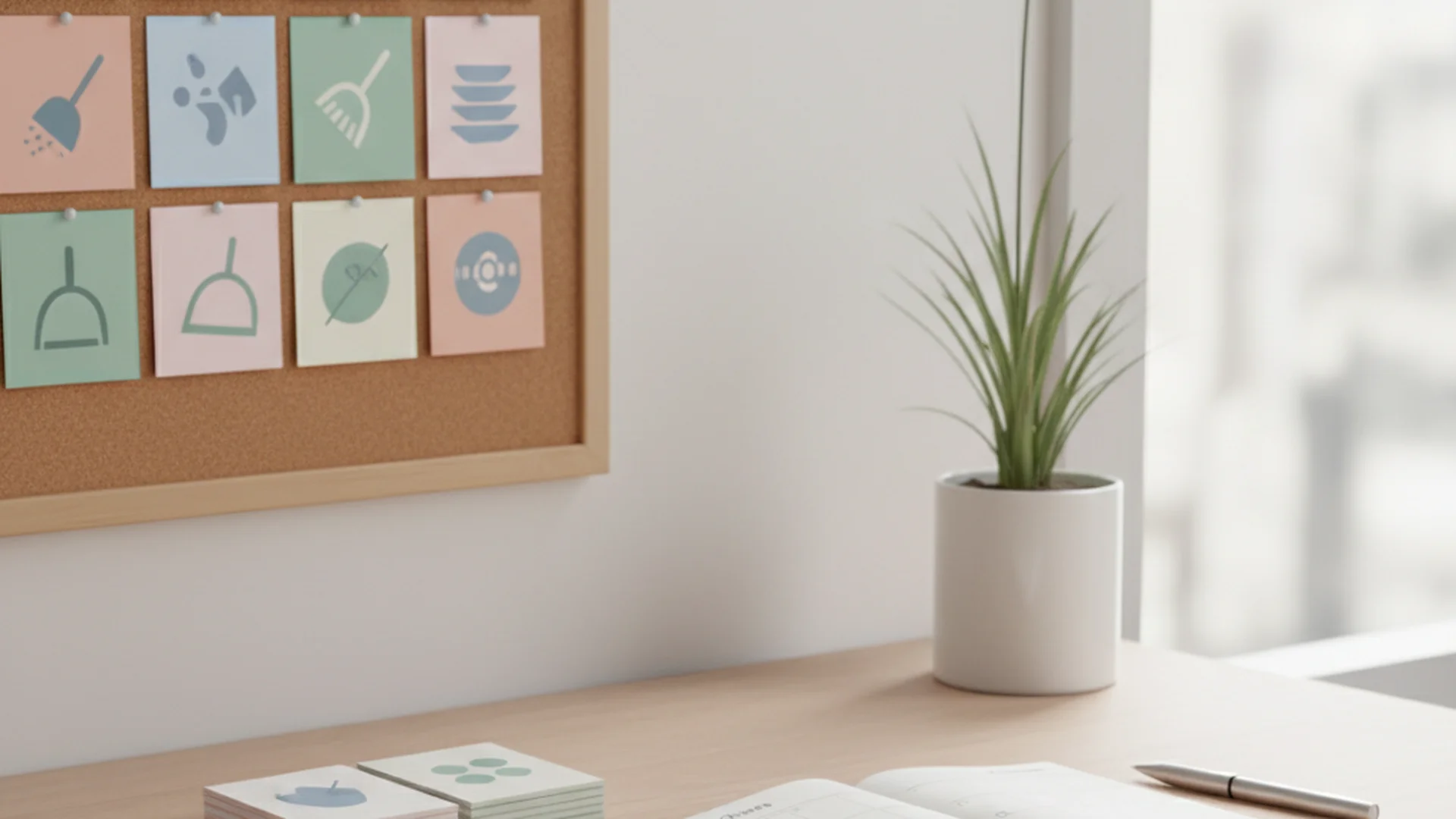
Consistency beats intensity every time. Here is the 2025-optimized breakdown for managing your space efficiently.
Daily: The 10-Minute Reset
Often called the "Nightly Closing Shift," this routine treats your home like a business. It ensures you wake up to a fresh start.
- Make the Bed: It’s the largest surface in a small apartment; when it’s made, the whole room looks cleaner.
- The Zero-Sink Policy: Wash dishes immediately. Never leave them overnight, as small kitchens quickly harbor odors.
- Wipe Counters: Use a quick all-purpose spray on kitchen and bathroom surfaces.
- 2-Minute Clutter Sweep: Return all items to their "homes."
Tip: If you struggle with ADHD or executive dysfunction, try "body doubling." Put on a cleaning-focused podcast or a "Clean With Me" video to provide the background stimulation needed to stay on task.
Weekly: The Power Hour
This is where the heavy lifting happens. Dedicate one hour (or two 30-minute blocks) to the following:
- Sanitize the Bathroom: Focus on the toilet and shower. In small spaces, moisture buildup can lead to mold faster than in large, well-ventilated homes.
- Dust All Surfaces: Use a microfiber cloth to trap allergens.
- Change Linens: Fresh sheets and towels are essential for air quality in a small bedroom.
- Floor Care: Vacuum all rugs and mop hard floors.
| Task | Estimated Time | Tool Needed |
|---|---|---|
| Dusting | 10 min | Microfiber Cloth |
| Bathroom Scrub | 20 min | All-Purpose Cleaner |
| Floor Maintenance | 15 min | Vacuum/Mop |
| Bed/Laundry Swap | 15 min | Washer/Dryer |
Monthly: The Deep Dive
Once a month, look at the areas that don't get daily attention.
- Inside the Microwave and Oven: Food splatters create lingering smells.
- Baseboards and Door Frames: These are often neglected but collect significant dust in urban environments.
- Hidden Spots: Move the sofa or bed slightly to clean the "dust bunnies" that accumulate in corners.
Warning: Using too much cleaning product doesn't make things cleaner. It leaves a sticky residue that actually attracts more dust, forcing you to clean more frequently.
2025 Trends: Cleaning as Self-Care
The landscape of home maintenance has changed. We are no longer just "doing chores"; we are performing "mindful resets."
Sustainable "Refill-on-Loop"
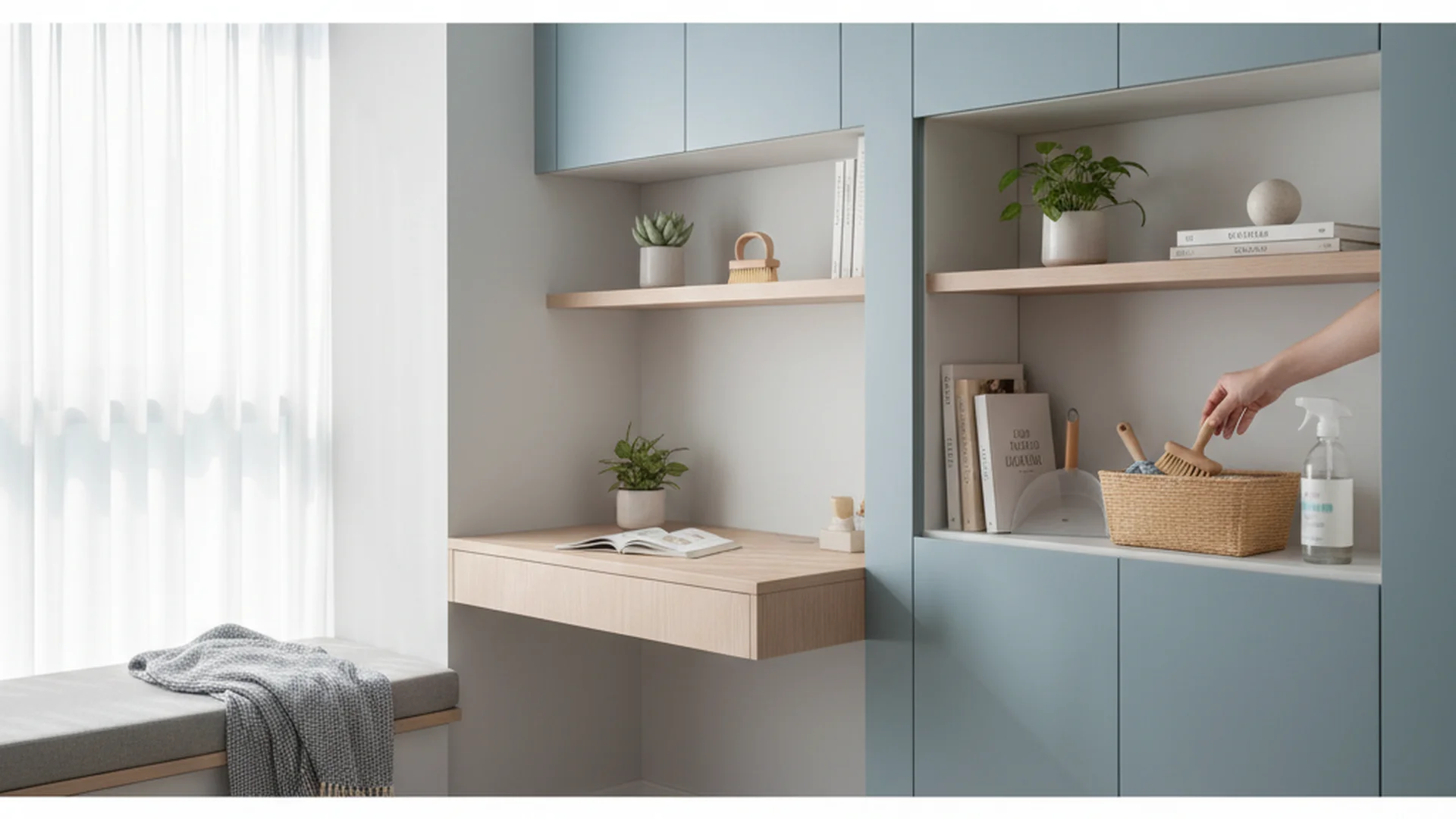
The 2025 trend toward concentrated cleaning tablets is a major "small space hack." Instead of storing dozens of bulky plastic bottles under your sink, you can keep a year's supply of cleaning power in a small drawer using concentrated refills and glass spray bottles.
Automation and AI
Automation adoption is at an all-time high, and robot vacuums are now a common sight in rented flats. In a small apartment, a robot vacuum is especially effective because there are fewer "zones" to manage. Some modern apps even sync with air quality sensors to suggest a dusting session when particulate levels rise.
Sensory Cleaning
"Functional scents" are being used to signal the brain. Use citrus-scented cleaners in the kitchen to boost focus during the day, and lavender-based fabric refresheners in the sleeping area to signal it's time to wind down.
Common Mistakes to Avoid
Even with a perfect apartment cleaning schedule, certain habits can undermine your progress.
- The "Over-Product" Trap: Buying a different chemical for every surface is unnecessary and wastes precious cabinet space. A high-quality All-Purpose Cleaner (APC) and a glass cleaner can handle 90% of your apartment.
- Neglecting High-Touch Spots: Light switches, doorknobs, and remote controls are the highest germ-density spots. In a small home, you touch these constantly.
- Ignoring Ventilation: Urban apartments often have poor airflow. Always open a window while cleaning to prevent chemical fumes and dust from lingering.
- The "Clean-Everything-at-Once" Fallacy: Trying to do a 5-hour deep clean once a month usually leads to burnout. Consistent 15-minute bursts are far more sustainable.
Success: By adopting the "One-Touch Rule" and sticking to a 10-minute nightly reset, you can cut your weekend cleaning time dramatically.
Frequently Asked Questions
How do I clean my apartment in 15 minutes?
How often should I mop in a small apartment?
What are the best cleaning supplies for small spaces?
How do I stop my apartment from smelling like "small space"?
How do I manage a cleaning schedule with ADHD?
Conclusion
Creating a sustainable apartment cleaning schedule is about more than just aesthetics; it's about reclaiming your time and mental clarity. In a world where our homes often serve as offices, gyms, and sanctuaries, the ability to maintain order in a small footprint is a superpower. By following the vertical cleaning rule, embracing the nightly reset, and utilizing modern, multi-functional tools, you can keep your space sparkling without spending your entire weekend with a scrub brush.
Cleaning that keeps score
Every task earns points, every streak multiplies them, and Premium adds a household leaderboard plus a monthly Dustagorgon to beat.
- Free forever
- 30 badges to earn
- Up to 6 in a household
No card needed. Set up your rooms in a couple of minutes.