In this article
What you’ll learn
- Micro-tasks trigger dopamine releases that reduce the 'activation energy' for larger chores.
- Making your bed increases the likelihood of a good night’s sleep by 19%.
- Mindful cleaning techniques can reduce nervousness by up to 27%.
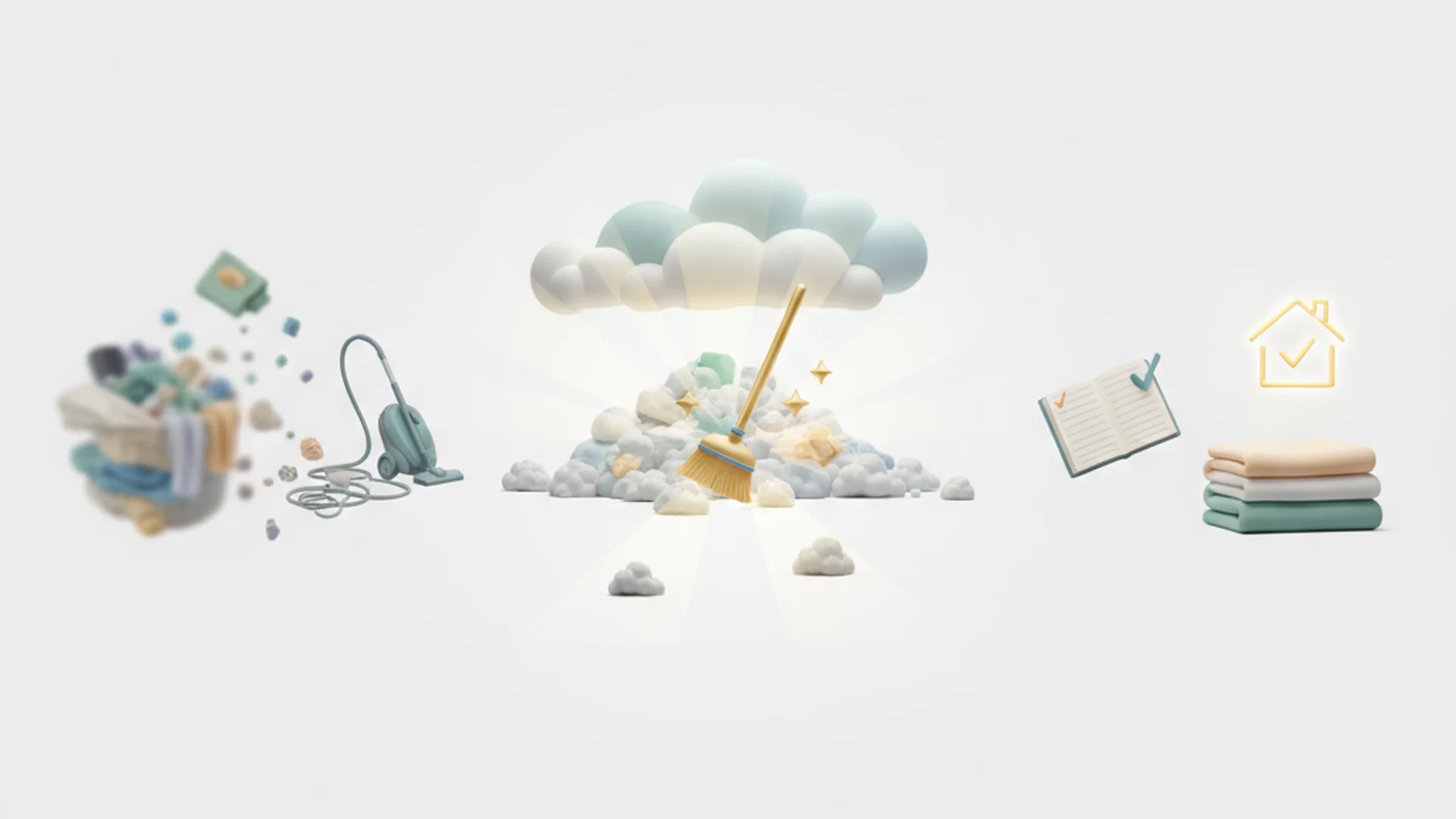
We have all been there: standing in the middle of a room, paralyzed by the sheer volume of clutter and dust, unsure where to even begin. When your home feels like a mountain of unfinished projects, the natural instinct is to retreat. However, the secret to breaking this cycle of overwhelm isn't a grueling weekend-long deep clean. Instead, the answer lies in securing small cleaning wins. By shifting your focus from the "whole house" to tiny, manageable victories, you can trick your brain into building the momentum necessary for long-term domestic bliss.
In this guide, we will explore the science of why small cleaning wins are so effective, the latest 2025-2026 cleaning trends, and actionable tips to help you reclaim your space without the burnout.
The Psychology of the Micro-Win
Why does clearing a single junk drawer feel so much better than it logically should? The answer is rooted in neurobiology. According to research published in the Personality and Social Psychology Bulletin, individuals who describe their homes as "cluttered" or full of "unfinished projects" show significantly higher levels of cortisol—the body’s primary stress hormone. High cortisol levels don’t just make you feel stressed; they drain your energy, making it even harder to start cleaning.
When you achieve a "small cleaning win," your brain releases dopamine. This is the "reward" chemical that tells your body, "That felt good; let’s do it again." By completing a five-minute task, you reduce the "activation energy" required for the next task. You aren't just cleaning a surface; you are recalibrating your brain's motivation centers.
Success: Completing just one small task, like emptying the dishwasher, can break the cycle of procrastination and lower your physiological stress levels.
The "Bed-Maker" Advantage and the 5-Minute Rule
If you are looking for the ultimate "small cleaning win help," look no further than your bedroom. Data from the National Sleep Foundation suggests that people who make their beds every morning are 19% more likely to report getting a good night’s sleep. It is a three-minute task that sets a psychological "anchor" for the rest of your day.
The 5-Minute Rule for Overwhelm
When you are completely overwhelmed, the hardest part is the first step. Experts recommend the "5-Minute Rule."
- Set a timer: Give yourself exactly five minutes.
- Pick one tiny area: Not a room—a single surface (like a coffee table) or a single task (like sorting the mail).
- Commit to stopping: Tell yourself you can stop when the timer goes off.
- The Result: More often than not, once you’ve broken the seal of inactivity, the dopamine kick will carry you through another five or ten minutes.
Tip: Use a physical kitchen timer rather than your phone to avoid the temptation of scrolling through social media during your five-minute burst.
Expert Best Practices for Sustainable Cleanliness
To turn these small wins into a lifestyle, you need a framework. Borrowing from James Clear’s Atomic Habits, "habit stacking" is the most effective way to maintain a clean home without feeling like you are constantly working.
Habit Stacking Examples
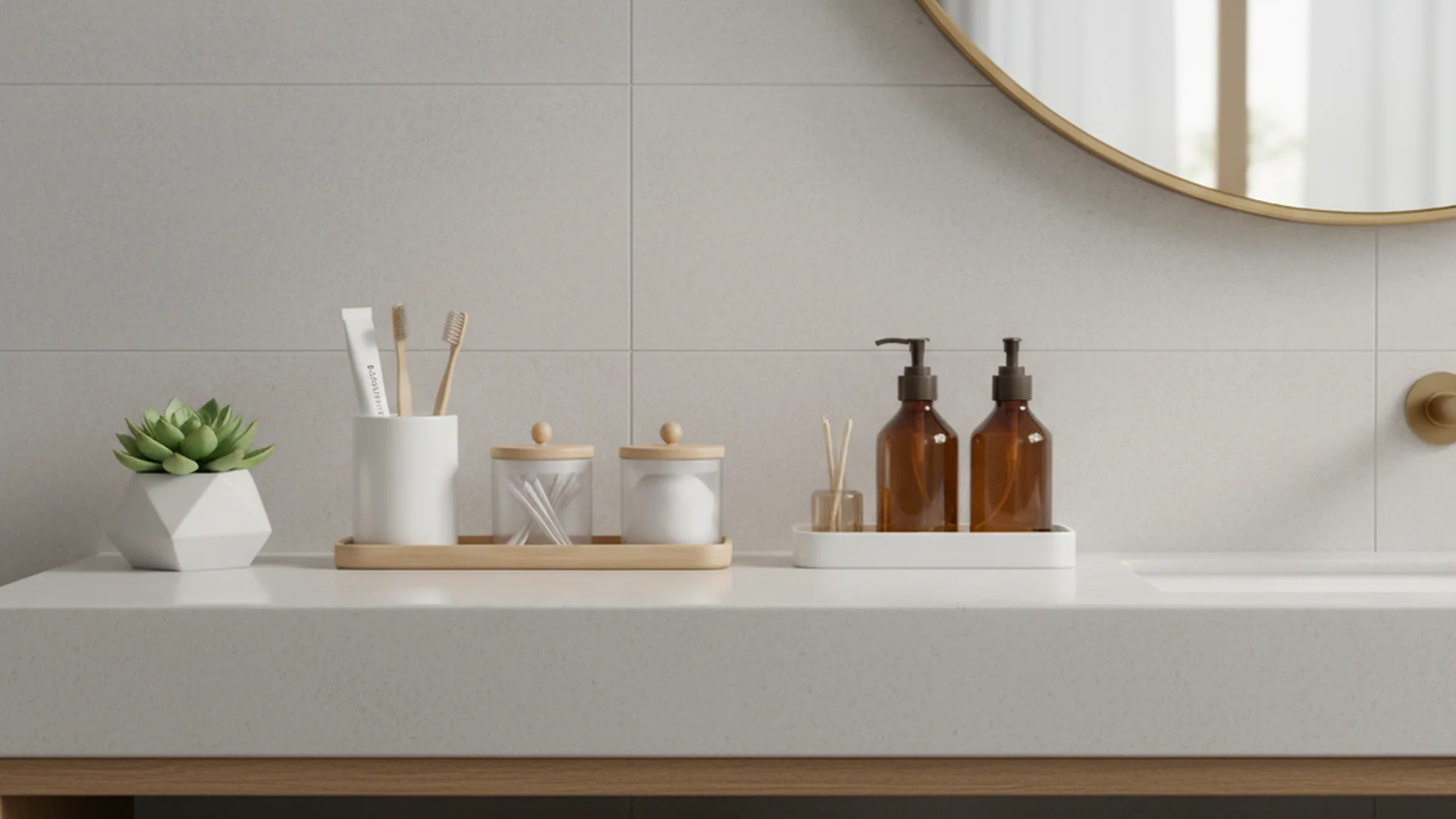
- The Bathroom Reset: Wipe the bathroom counter immediately after brushing your teeth.
- The Microwave Wipe: While your coffee is brewing or your food is heating up, wipe down the exterior of the microwave or the nearby backsplash.
- The "One In, One Out" Rule: This prevents "clutter creep." For every new item you bring into your home (a new shirt, a new kitchen gadget), one must leave via trash or donation.
The S-Pattern Cleaning Method
Efficiency is a major motivator. If you feel like you are just moving dirt around, you’ll lose interest. Experts recommend the S-pattern: move from top to bottom and left to right in a continuous "S" shape.
| Feature | S-Pattern Cleaning | Circular Buffing |
|---|---|---|
| Movement | Top to bottom, Left to right | Repetitive circles |
| Efficiency | High (captures all dust) | Low (re-deposits dust) |
| Speed | Faster once mastered | Slower |
| Result | Streak-free surfaces | Often leaves streaks/smears |
Warning: Never mix bleach with ammonia-based cleaners; always check the labels of your "small win" supplies to ensure chemical compatibility.
Putting the Kitchen to Bed: A 2025 Strategy
A popular expert tip gaining massive traction in 2025 is the concept of "Putting the Kitchen to Bed." Instead of viewing the dishes as a chore to be dreaded, this is framed as a 10-minute "reset."
- Empty the Sink: Don't leave a single dish.
- Wipe the Counters: Use a scent you love (see "Scent-scaping" below).
- Set the Stage: Prepare the coffee maker or layout the breakfast bowls for the next morning.
- The Goal: You aren't cleaning for today; you are giving "Future You" a gift. Waking up to a clean kitchen provides an immediate small win before your day even begins.
2025-2026 Trends: The Future of Small Cleaning Wins
The way we clean is changing. With the rise of #CleanTok (which has surpassed 150 billion views), cleaning is no longer a hidden chore—it’s a form of self-care.
Underconsumption Core & Minimalist Kits
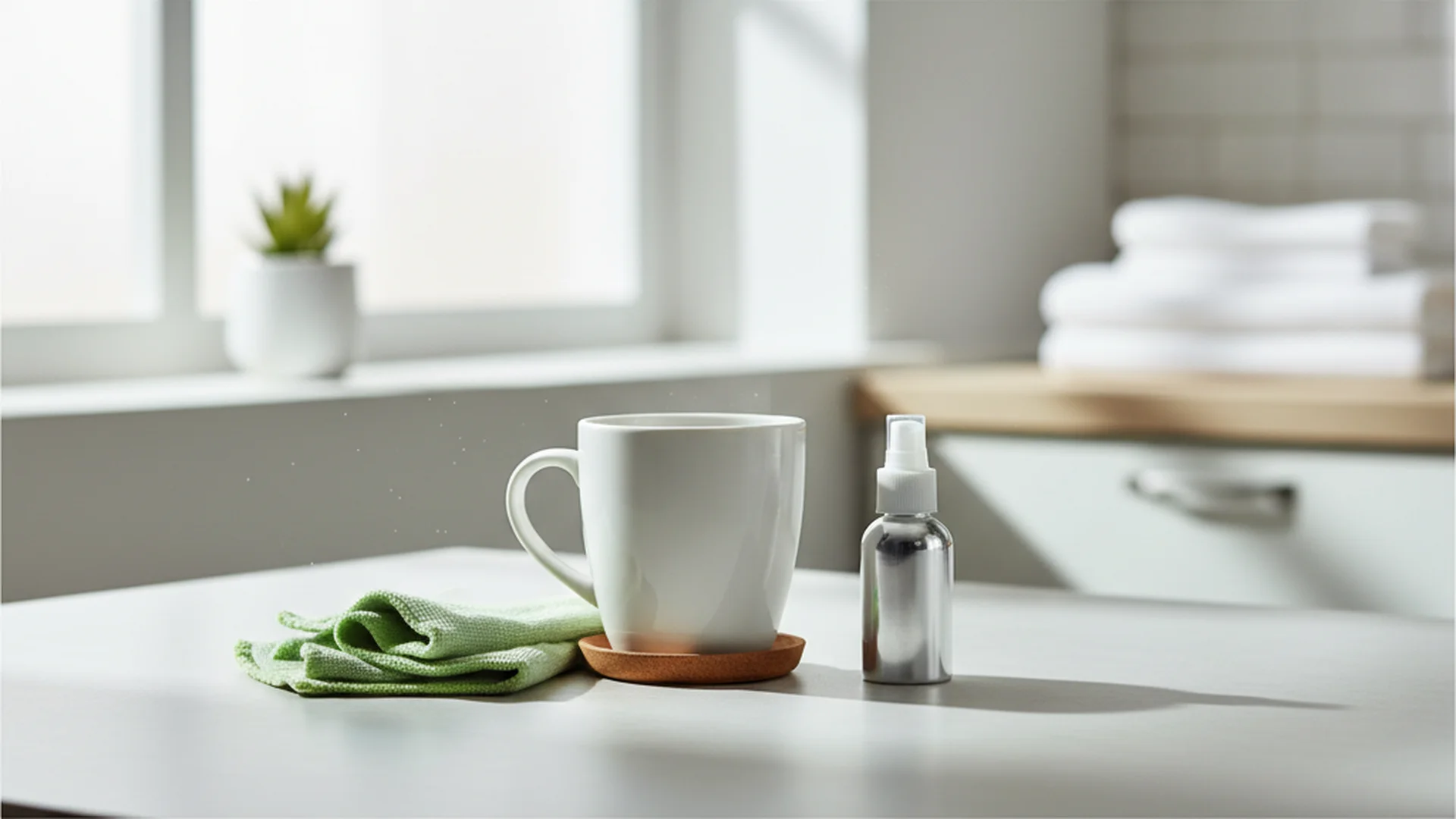
The "Underconsumption Core" movement of 2025 emphasizes using what you already have. In the world of small cleaning wins, this means moving away from a cabinet full of 20 different specialized chemicals. Instead, focus on 1-2 high-quality, multi-purpose cleaners. This reduces "decision fatigue" when you want to perform a quick task.
Scent-scaping and #Smellmaxxing
Function meets fragrance in 2026. We are seeing a trend toward using specific scents to trigger different emotional states:
- Morning Wins: Use citrus or eucalyptus cleaners to energize your brain during a quick AM tidy.
- Evening Resets: Use "cashmere," sandalwood, or lavender scents for your "closing duties" to signal to your nervous system that it’s time to wind down.
AI-Driven Micro-Schedules
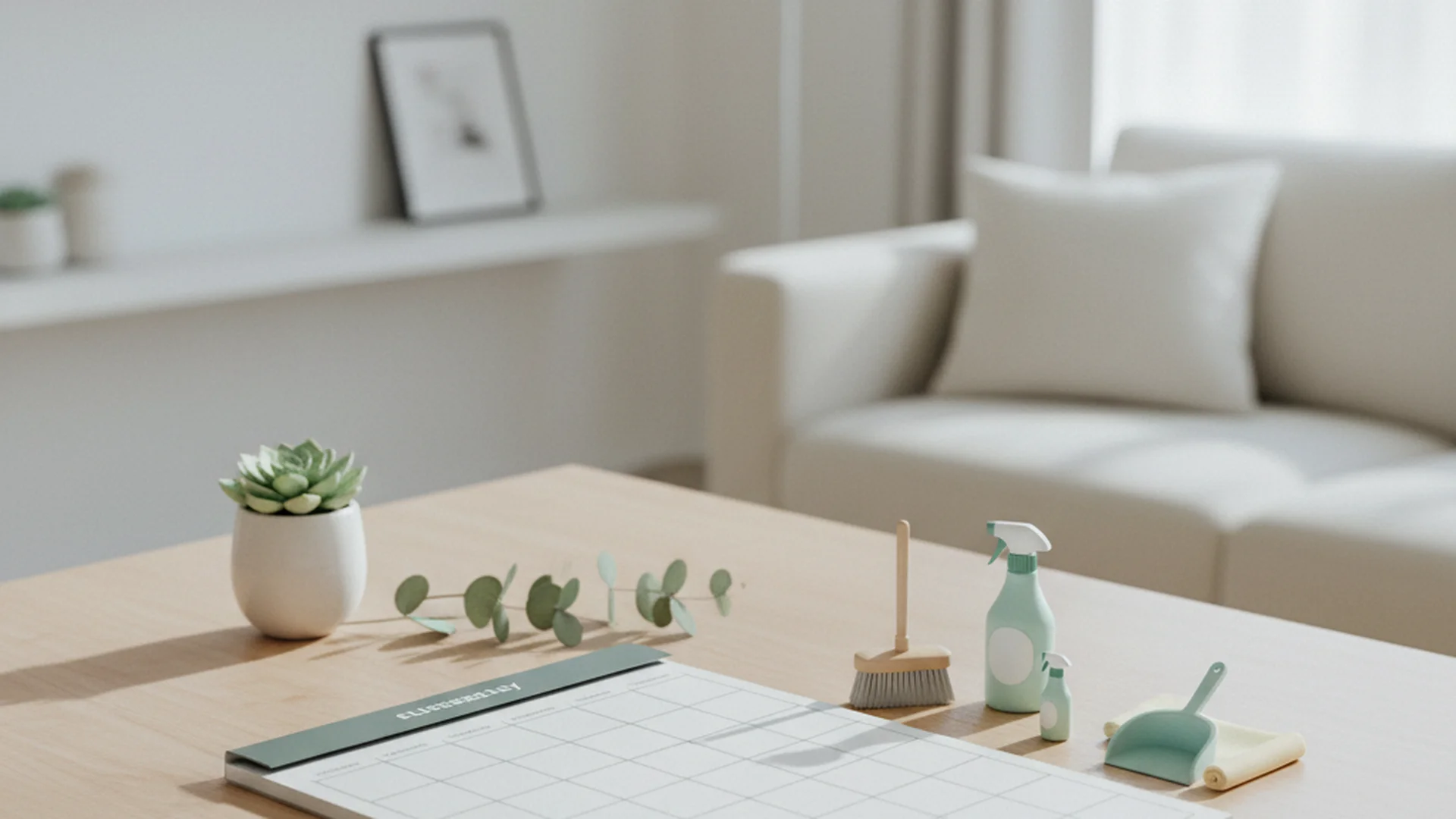
Digital calendars are now integrating with AI cleaning apps. These tools analyze "gaps" in your schedule. If you have a 10-minute break between Zoom meetings, the AI might suggest: "You have 10 minutes; clear the 'doom pile' on the entryway table." This removes the mental load of deciding what to clean.
Note: "Low-Demand Lifestyle Cleaning" is a rising movement focused on making cleaning accessible for the neurodivergent community, prioritizing functional spaces over "perfect" ones.
Common Mistakes to Avoid
Even the best intentions can be thwarted by common cleaning myths. Avoid these pitfalls to ensure your small wins stay wins.
- The "All-or-Nothing" Fallacy: Thinking that if you can't deep clean for four hours, it’s not worth doing anything. Four 15-minute bursts are scientifically proven to be more sustainable for long-term maintenance.
- Ignoring "Dwell Time": Spraying and immediately wiping is a waste of product. Most disinfectants need 30 seconds to 10 minutes to actually kill germs. Check the label!
- Product Overuse: Using too much soap leaves a sticky residue. This residue acts like a magnet for new dust, making your "win" short-lived.
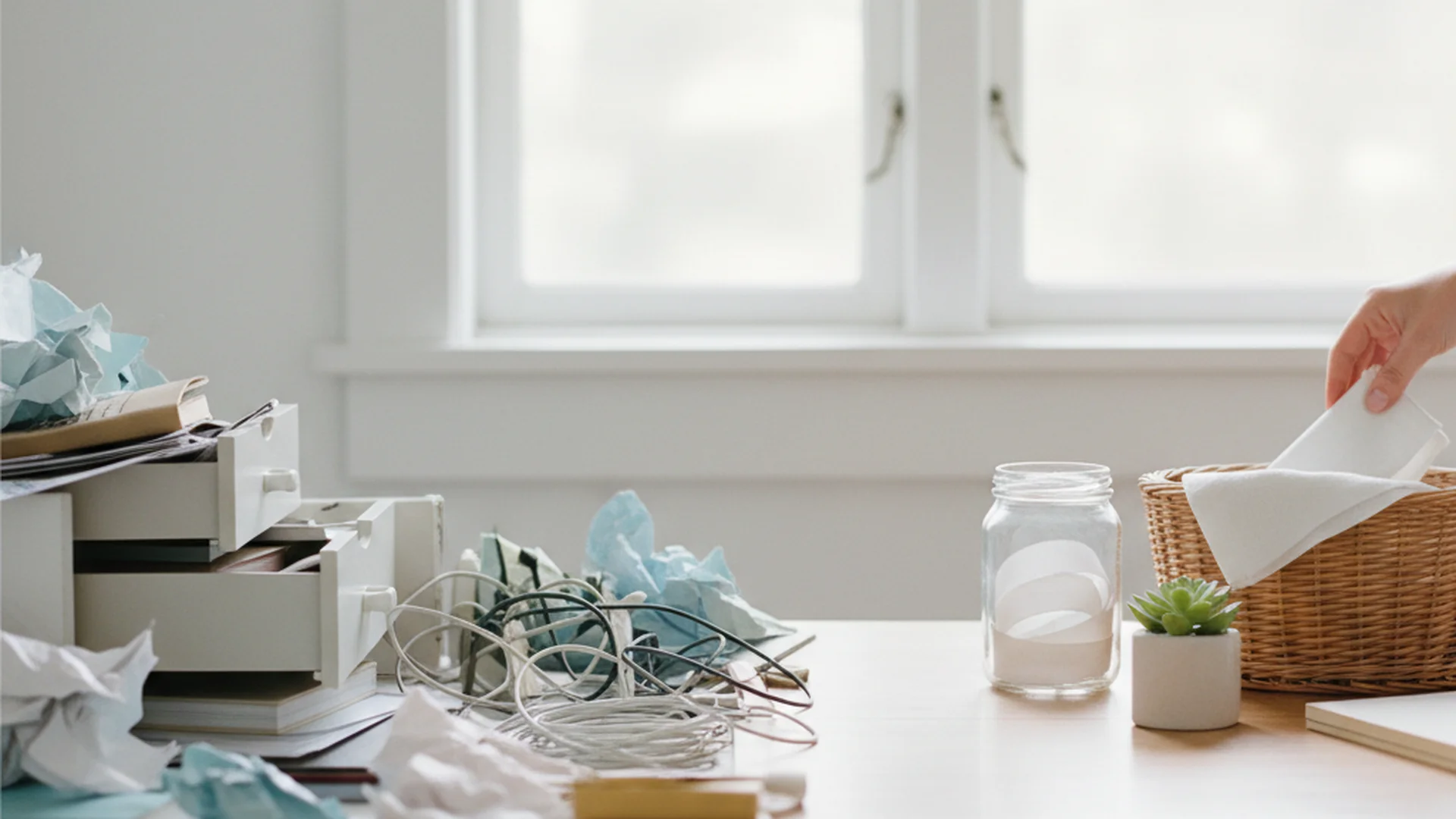
- The "Doom Piles" Trap: Moving clutter from the counter into a "doom box" (Didn't Organize, Only Moved) isn't a win. A true win requires the item to be put in its permanent home or removed from the house.
- Sunlight and Windows: Never clean your windows on a hot, sunny day. The sun dries the cleaner too fast, causing streaks. Wait for a cloudy day to get that perfect, streak-free shine.
Frequently Asked Questions
Should I dust or vacuum first?
How do I start when I’m completely overwhelmed?
Is it better to clean room-by-room or task-by-task?
How often should I actually wash my sheets?
What is "mindful dishwashing"?
Conclusion
The journey to a peaceful, restorative home doesn't require a total lifestyle overhaul. It begins with the simple act of making your bed, wiping a counter, or setting a five-minute timer. These small cleaning wins are the building blocks of a more organized life and a calmer mind. By embracing the 2025 trends of scent-scaping and underconsumption, and avoiding the "all-or-nothing" trap, you can maintain a home that fuels your energy rather than draining it.
Success: By implementing just two of the strategies mentioned above, you can significantly reduce your daily cortisol levels and improve your home’s overall atmosphere.
Cleaning that keeps score
Every task earns points, every streak multiplies them, and Premium adds a household leaderboard plus a monthly Dustagorgon to beat.
- Free forever
- 30 badges to earn
- Up to 6 in a household
No card needed. Set up your rooms in a couple of minutes.