In this article
What you’ll learn
- Messiness is often a result of executive dysfunction, not a lack of willpower.
- The 'Mental Load' is one of the biggest drivers of household management stress.
- Functional cleaning focuses on 'kindness to your future self' rather than perfection.
If you have ever sat on your sofa, surrounded by laundry piles and unwashed dishes, asking yourself, "why can't I keep my house clean?" you are not alone. For decades, society has treated a messy home as a moral failing—a sign of laziness or a lack of discipline. However, as we move into 2026, our understanding of domestic labor has shifted. As a professional cleaning consultant, I see clients every day who are hardworking, brilliant, and kind, yet they feel completely defeated by their own living rooms.
The truth is that maintaining a home in the modern era is more complex than ever. It isn't just about picking up toys; it's about managing a constant stream of "cognitive labor" while battling biological stress responses. If you’re looking for why can't I keep house clean help, the first step is putting down the shame and picking up the science.
The Science of the Mess: Why Your Brain is Overwhelmed
Understanding the struggle starts with acknowledging that your environment directly impacts your biology. Many people assume they can simply "power through" a messy room, but your brain might be actively working against you.
The Cortisol Connection
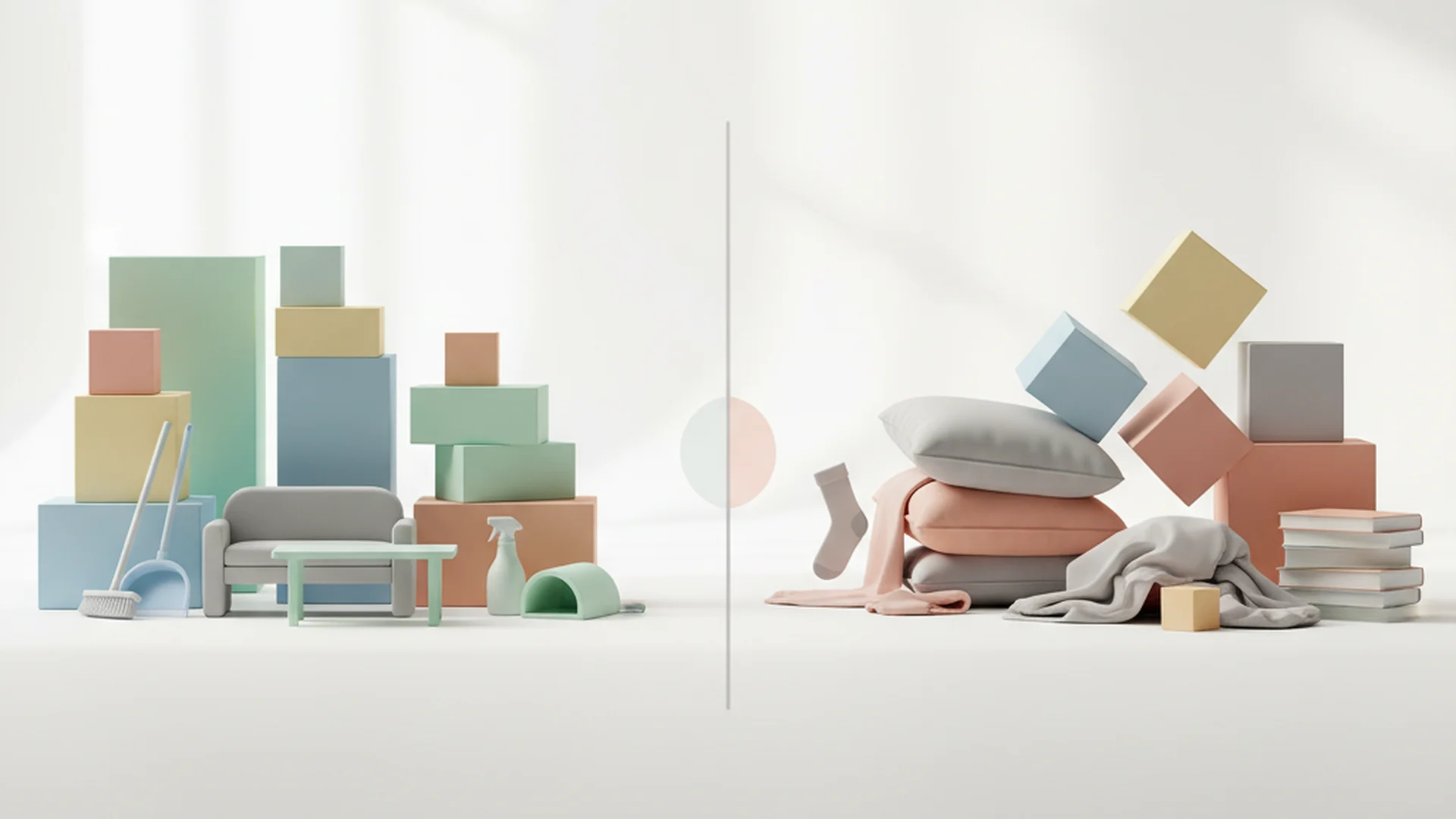
There is a direct link between physical clutter and how physically stressed you feel. Living in a cluttered home tends to keep your body's stress response switched on all day. It is also common for one partner to be far more affected than the other: where one person barely notices the mess, the other reads it as "unfinished business," which settles into a chronic state of low-level anxiety.
The Focus Factor
It’s not just in your head—clutter actually limits your brain's processing power. Multiple visual stimuli (like a pile of mail, a stray shoe, and a dirty mug) all compete for your attention at once. This creates a "noise" that makes it harder for you to focus on any single task, leading to that familiar feeling of standing in the middle of a room and not knowing where to start.
Note: This phenomenon is often called "Clutter Paralysis." It isn't laziness; it is a neurological sensory overload.
It’s Not Laziness—It’s Executive Function
When clients ask me for why can't I keep house clean tips, they are often surprised when I don't start with a vacuum recommendation. Instead, we talk about executive function. This is the brain's "command center," responsible for starting tasks, organizing steps, and managing time.
For individuals with ADHD, depression, or chronic burnout, the executive function center is often under-resourced. When you look at a dirty kitchen, a "neurotypical" brain might see: Dishes > Sink > Soap. A brain struggling with executive dysfunction sees: Need a clean plate, but the sink is full, I need to empty the dishwasher first, but I don't know where the pods are, and the floor is sticky which feels gross on my feet, maybe I should just go to sleep.
Moving Toward Functional Cleaning
As expert KC Davis (author of Struggle Care) famously suggests, "Messiness is not a moral failing." In 2026, the trend has moved toward "Functional Cleaning." This approach views chores as care tasks. You aren't cleaning because you "should" be a "good person"; you are cleaning because your future self deserves a clean spot to make coffee in the morning.
Tip: Shift your internal dialogue. Instead of "I have to do the laundry," try "I am going to make sure I have clean, comfortable socks for tomorrow's walk."
2026 Home-Management Tech: Taking the "Think" Out of Tidying
We are living in a golden age of cleaning technology that can finally bridge the gap for those who struggle with the "cognitive labor" of home management.
AI-Generated Personalized Schedules
In 2025 and 2026, we’ve seen a massive rise in Generative AI tools (like Gemini or specialized apps like CleanAI) that create custom checklists. Instead of a generic "Clean the Bathroom" task, AI can break it down into 5-minute micro-tasks based on your specific energy levels for that day.
The Matter 1.4.2 Standard and Smart Homes
The recent Matter 1.4.2 update in smart home technology has been a game-changer. Different brands of robot vacuums, air purifiers, and sensors can now communicate seamlessly.
Example 1: Presence-Based Cleaning. Imagine a home where you don't have to remember to vacuum. Your smart home sensors detect when the house is empty (perhaps when your phone leaves the geofence) and automatically trigger the robot vacuum. This removes the "task initiation" burden entirely.
Underconsumption Core: The 2025 Trend
Social media has shifted from "restock hauls" to "Underconsumption Core." This movement encourages owning fewer, higher-quality items. The less you own, the lower your "cleaning tax." By intentionally reducing the number of surfaces and objects in your home, you reduce the visual noise that triggers cortisol spikes.
Actionable Strategies: How to Start Today
If you are feeling stuck, use these professional-grade workflows to regain control without the burnout.
The Five-Thing Tidying Method
When a room feels like a disaster zone, stop looking at the "mess" as a whole. Only five things exist in any room:
- Trash: Grab a bag and move fast. Don't look at anything else.
- Laundry: Get it all into a basket. Don't start the machine yet; just gather it.
- Dishes: Move them all to the kitchen counter. Don't wash them yet.
- Things that have a place: Put them away.
- Things that do not have a place: Put them in a pile to deal with later.
Top-to-Bottom, Clockwise
When you actually start cleaning surfaces, follow the professional's rule: Top to Bottom, Clockwise.
- Top to Bottom: Dust the ceiling fans and shelves first. Gravity will pull the dust to the floor. If you vacuum first, you'll just have to do it again.
- Clockwise: Start at the door and move around the room in a circle. This prevents "ping-ponging" (running back and forth across the room), which wastes energy and leads to distraction.
Success: Using the Five-Thing Method can often clear a "trashed" living room in under 15 minutes, providing an immediate dopamine hit that fuels further cleaning.
Common Mistakes to Avoid
Even with the best intentions, certain habits can make your cleaning journey much harder than it needs to be.
- The "One-Day" Deep Clean Fallacy: Many people wait for a free Saturday to clean the entire house. This leads to "marathon cleaning" which causes physical and mental burnout. Instead, embrace "micro-cleaning"—15-minute bursts of activity.
- The Moral Value Mistake: Tying your self-worth to the state of your baseboards is a recipe for depression. A dirty house means you are living your life, not that you are failing at it.
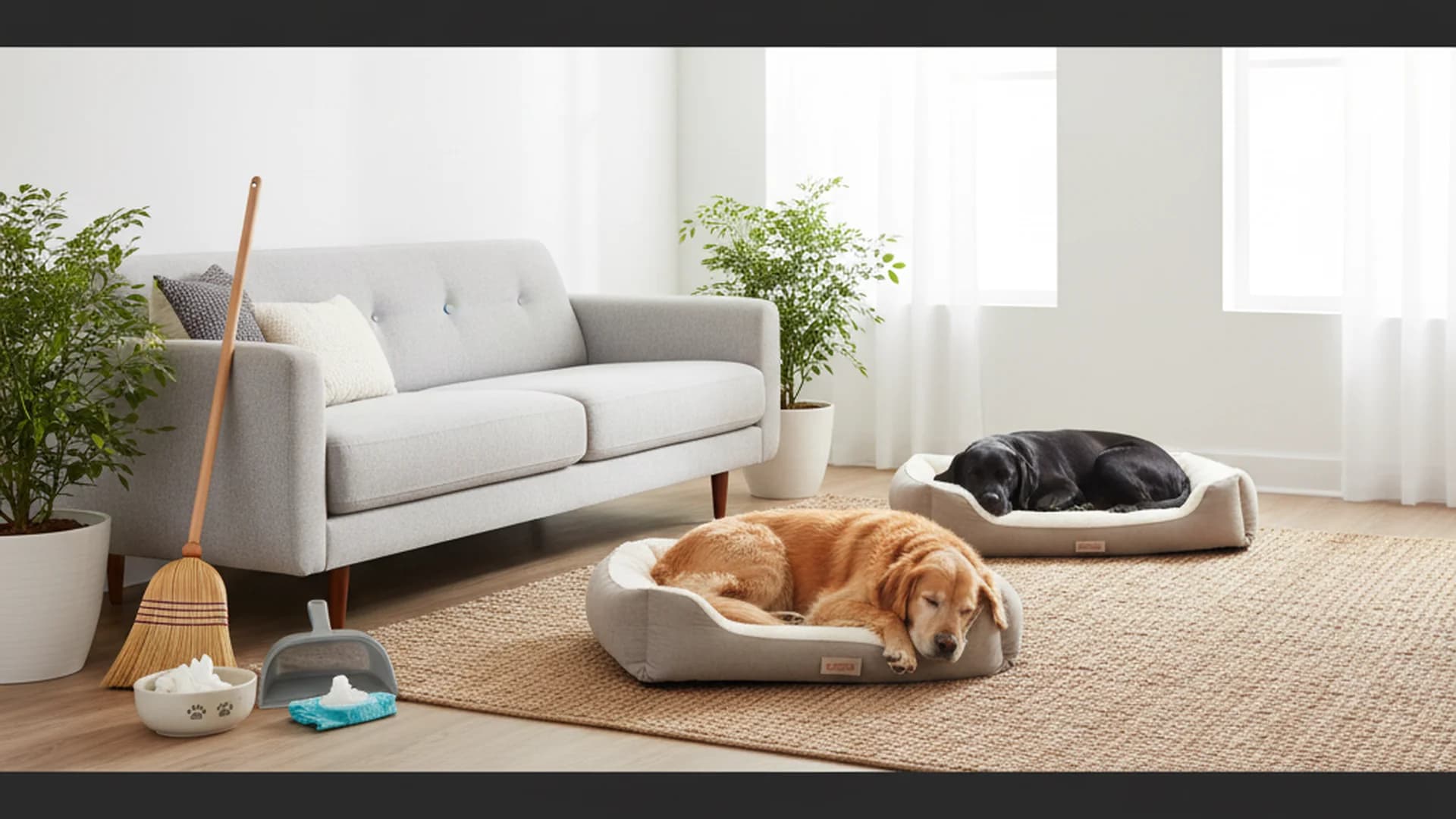
- Over-Saturating Surfaces: More soap does not equal more clean. Using too much spray cleaner leaves a sticky residue that actually attracts more dust and pet hair over time.
- Mixing Chemicals: This is a critical safety warning.
Warning: Never mix bleach with ammonia, vinegar, or rubbing alcohol. This creates toxic gases (like chloramine or chloroform) that can be fatal in unventilated spaces.
Real-World Examples of Modern Cleaning
Example 2: The Habit Stack. One of my clients struggled to keep the kitchen counter clear. We implemented "Habit Stacking." Now, while her coffee brews every morning (an existing habit), she empties the dishwasher. By the time the coffee is ready, the "chore" is done, and the sink is ready for the day's dishes.
Example 3: Mindful Cleaning as a Sensory Reset. Another client repurposed her cleaning routine as "Self-Care." She switched to non-toxic, aromatherapy-scented products with eucalyptus and bergamot. Instead of a chore, cleaning the bathroom became a "sensory reset" after a long day of digital work.
Frequently Asked Questions
Is my messy house a sign of laziness?
Why do I feel paralyzed when I look at a messy room?
How do I clean when I'm depressed or burnt out?
What's the difference between cleaning and disinfecting?
Conclusion
The answer to "why can't I keep my house clean" isn't that you aren't trying hard enough. It’s often that the "mental load"—all the invisible cognitive labor required to plan and delegate household tasks—has simply exceeded your capacity. By leveraging 2026 technology, embracing functional cleaning, and letting go of the moral weight of a messy room, you can create a home that supports you rather than one that demands your constant submission.
Remember, your home works for you; you do not work for your home. Start small, use the Five-Thing method, and be kind to yourself.
Success: Even five minutes of tidying is a win. Progress is not linear, and every "care task" you complete is a gift to your future self.
Cleaning that keeps score
Every task earns points, every streak multiplies them, and Premium adds a household leaderboard plus a monthly Dustagorgon to beat.
- Free forever
- 30 badges to earn
- Up to 6 in a household
No card needed. Set up your rooms in a couple of minutes.