In this article
What you’ll learn
- Gamify your chores with points, streaks and leaderboards to stay motivated.
- Practice temptation bundling by pairing cleaning with your favorite podcasts.
- Adopt the 'Closing Shift' method to wake up to a fresh, stress-free home.
For most of us, the mere mention of "cleaning day" evokes a sense of dread rather than excitement. However, as we move into 2025 and 2026, the global perspective on household maintenance is shifting. No longer seen as a dull necessity, cleaning is being rebranded as a form of self-care and digital entertainment. If you have been wondering how to make cleaning fun, you are part of a growing movement of people looking to reclaim their time and mental space. By integrating gamification, smart technology, and a bit of psychological "temptation bundling," you can transform a heavy chore list into a rewarding part of your daily routine.
The Psychology of a Clean Space
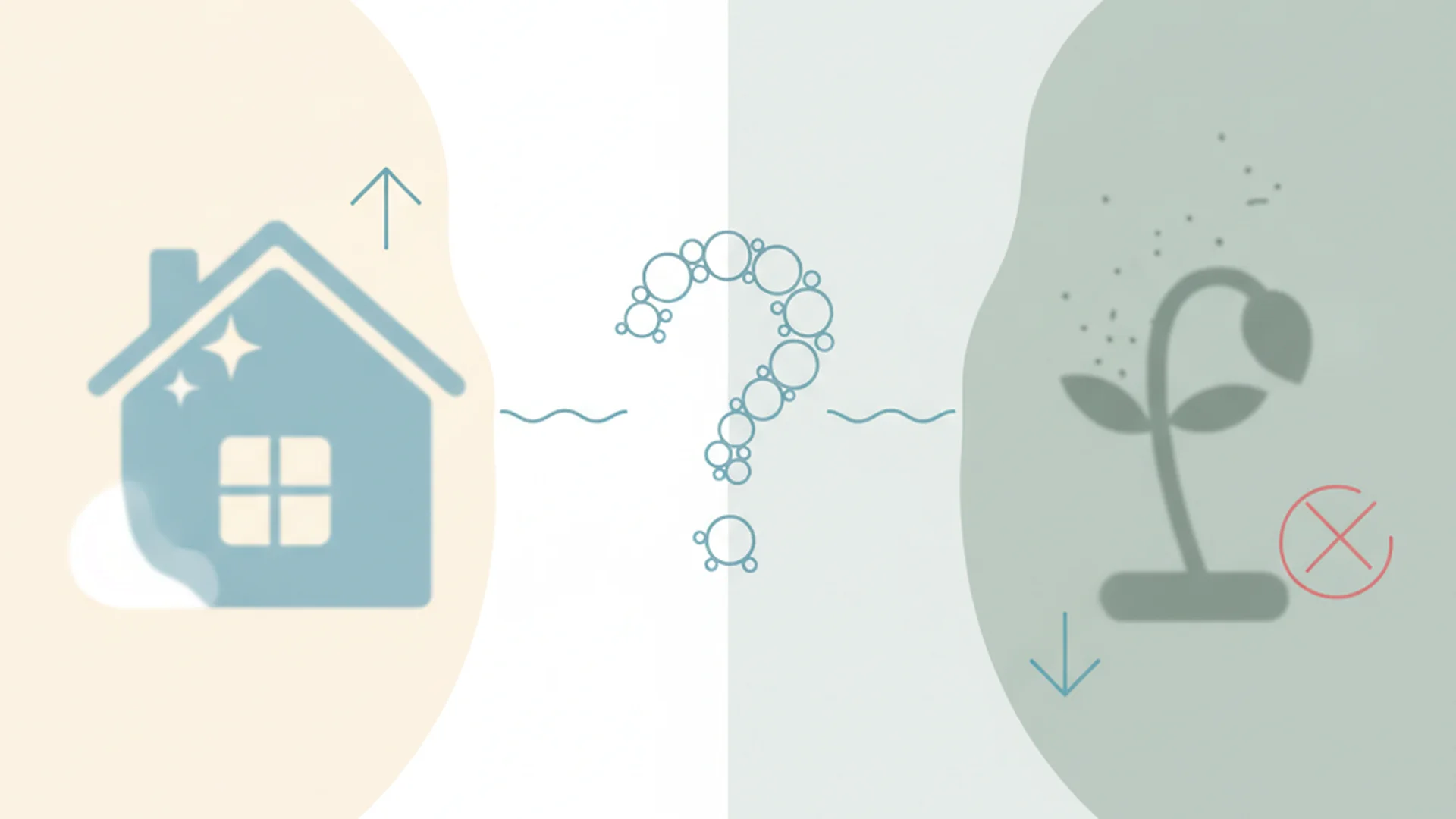
Before we dive into the practical how to make cleaning fun tips, it is important to understand why our brains crave a tidy environment. Our physical surroundings and our mental health are closely bound together.
Plenty of people notice their mood lift and their low feelings ease when they are living in a tidy space. The reverse is just as true: a cluttered home leaves a lot of us feeling anxious and permanently on edge.
The "Zen" of Domesticity
Cleaning doesn’t have to be a frantic race. People who practise mindful dishwashing—focusing on the scent of the soap and the warmth of the water—often finish the job noticeably calmer and mentally refreshed. By shifting your focus from the "to-do" list to the sensory experience, you enter a "flow state" that mimics meditation.
Gamifying Your Chores
One of the most effective ways to provide how to make cleaning fun help is through gamification. This involves taking the elements of game design—points, levels, and rewards—and applying them to non-game contexts like scrubbing the tub.
Use the 20/10 Method
If you feel overwhelmed, the 20/10 method is your best friend. Clean for 20 minutes, then take a 10-minute break to do whatever you want (try some free online puzzles, eat a snack, or read). This technique creates a "light at the end of the tunnel," preventing the burnout that often comes with marathon cleaning sessions.
Digital Questing
The trick is to borrow the mechanics that make games hard to put down and apply them to your chore list.
- Give every room a health bar: Instead of a rigid schedule, track how long it has been since each room was cleaned. As a room drifts further past its interval, it "takes damage," and cleaning restores it.
- Score the work: Award points based on how unpleasant a task is, and put the running totals somewhere everyone can see. Competing with your partner or roommates for the weekly top spot turns an obligation into a rivalry.
Tip: Set a high-energy "Power Hour" playlist. Music in the 120-140 BPM range naturally picks up your physical pace without you even noticing the extra effort.
Smart Tech and 2025 Trends
The "CleanTok" phenomenon has officially moved from a niche interest to a dominant cultural force, racking up billions of views. Influencers have shown us that cleaning can be "oddly satisfying." Here is how you can leverage current trends to make the process more enjoyable.
AI-Personalized Cleaning
The latest AI platforms now analyze your home's floor plan and your lifestyle habits to generate "Dynamic Cleaning Schedules." Instead of a rigid Saturday morning deep-clean, these systems adjust based on your actual availability. If the AI sees you have a free 15-minute window between meetings, it might suggest a quick "micro-clean" of the kitchen counters.
Reverse Decluttering Challenges
A major trend for 2026 is the 30-Day Reverse Challenge. Most decluttering starts small and gets harder. This challenge flips the script: you remove 30 items on Day 1 when your energy is highest, and decrease the number daily. By the time you reach Day 30, you only have one item to remove, and your home is already transformed.
| Activity | Calories Burned (per hour) | Mental Impact |
|---|---|---|
| Vigorous Vacuuming | 180-200 | High Satisfaction |
| Mopping/Scrubbing | 250-300 | Stress Reduction |
| Folding Laundry | 60-80 | Mindfulness Opportunity |
| Heavy Decluttering | 250+ | Anxiety Relief |
Expert Strategies for a "Flow State"
Domestic Efficiency Specialists often use specific industry methods to keep the momentum going. If you want to know how to make cleaning fun, you need to steal these professional secrets.
Temptation Bundling
This is a psychological hack where you only allow yourself to engage in a high-value "want" activity while performing a "should" activity.
- Example: You can only listen to your favorite true-crime podcast while you are cleaning the bathroom.
- Example: You can only watch that new Netflix series while you are folding laundry. This creates a dopamine association with the task, making you actually look forward to the chore.
The "Closing Shift" Method
Borrowed from the restaurant industry, this involves a 15-minute "reset" at the end of every night. You aren't deep cleaning; you are simply "closing" the house for the day—wiping the counters, loading the dishwasher, and clearing the coffee table.
Success: Waking up to a "reset" home reduces morning cortisol levels, allowing you to start your day with a sense of control and calm.
The Top-to-Bottom Rule
Nothing kills the "fun" faster than having to do the same job twice. Always clean from the highest point in a room (ceiling fans, top shelves) to the lowest point (floors). This ensures that any dust you dislodge falls onto uncleaned surfaces, saving you time and frustration.
Common Mistakes to Avoid
Even with the best intentions, certain habits can drain the enjoyment out of the process and even pose a risk to your health.
- "Product Overloading" (The TikTok Trap): Many viral videos show people mixing five or six different colorful cleaners in a toilet.
Warning: Mixing cleaners (like bleach and ammonia) can create toxic chlorine gas. Stick to one effective cleaner to stay safe.
- Cleaning in a Hurry: Rushing leads to skipping "dwell time." Most disinfectants need to sit on a surface for 3–10 minutes to actually kill germs. If you wipe it off immediately, you aren't actually cleaning.
- Using Dirty Tools: If you are using a gray, dirty mop or a vacuum with a clogged filter, you are just moving dust around.
Note: Clean your tools after every session so they are ready and hygienic for the next time.
- The "Lone Ranger" Myth: You don't have to do it all alone. Try "Body Doubling"—having a friend on a video call while you both clean your respective kitchens. The social presence keeps you accountable and makes the time fly.
Frequently Asked Questions
Is it weird to have cleaning as a hobby?
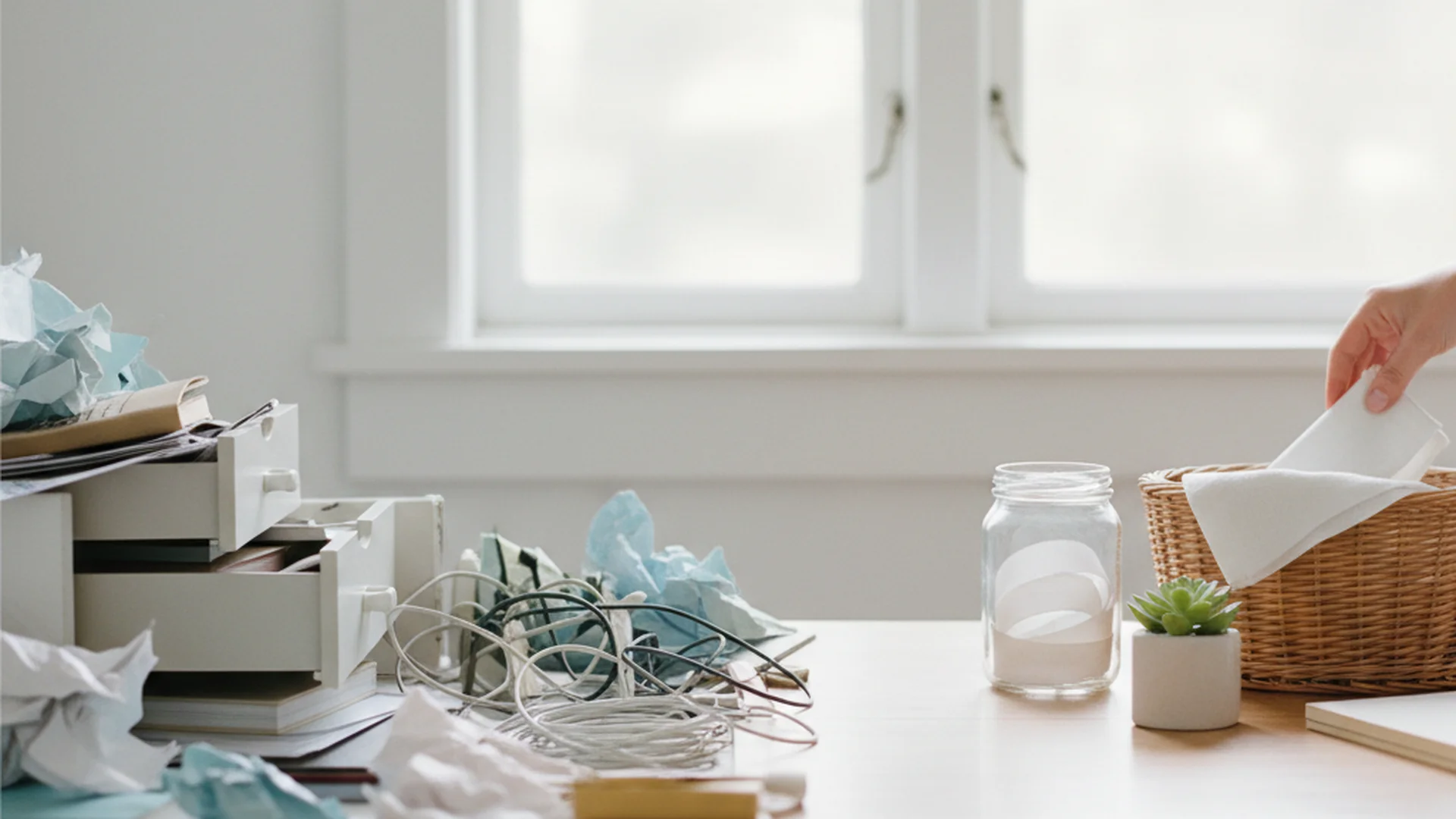
How can I make cleaning less overwhelming?
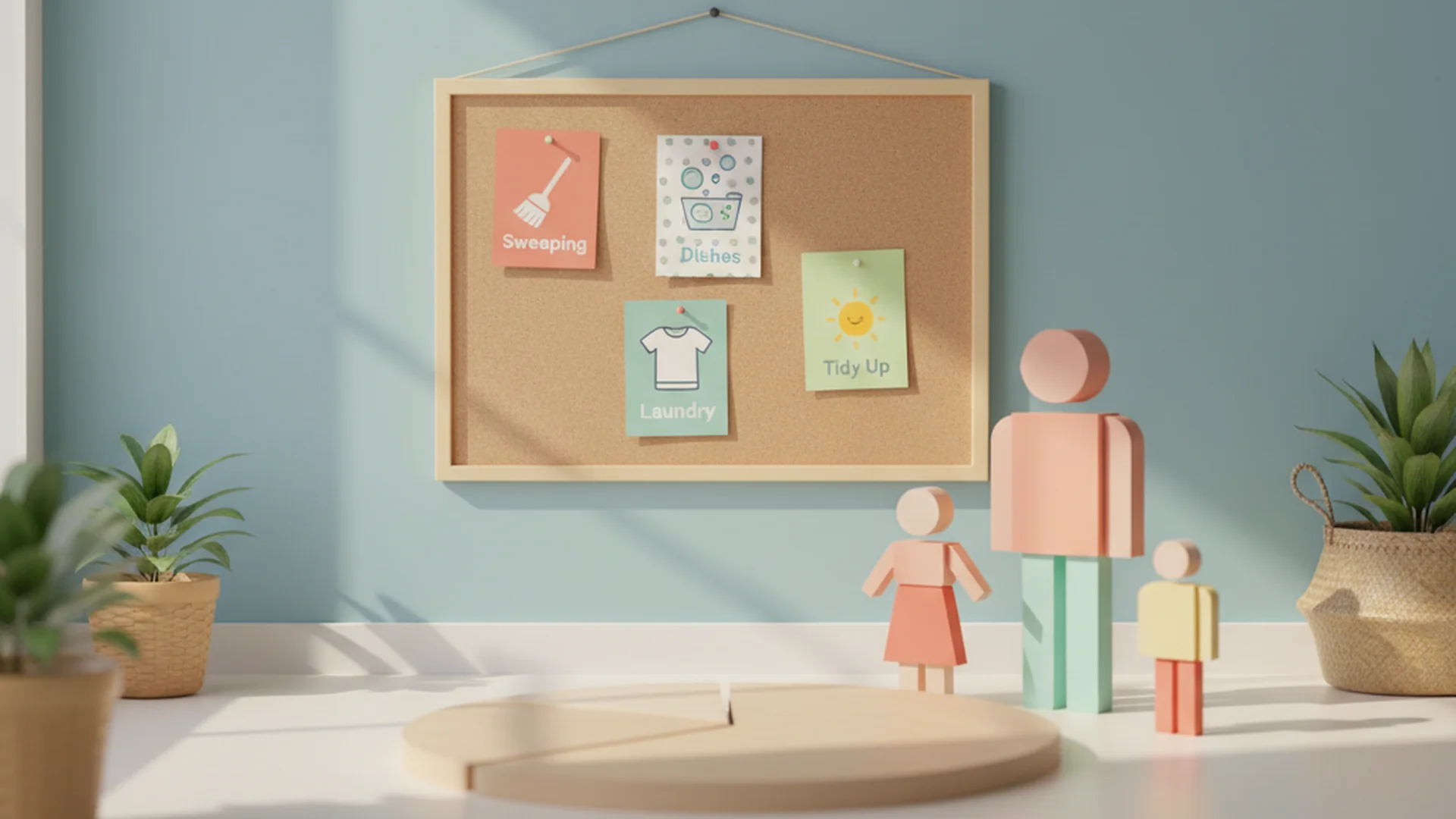
How do I get my family involved without nagging?
Can cleaning count as exercise?
What is microbiome-friendly cleaning?
Conclusion
Learning how to make cleaning fun is about more than just a tidy house; it is about changing your relationship with your environment. By using how to make cleaning fun tips like temptation bundling, gamification, and the "closing shift" method, you can turn a mundane task into a source of pride and relaxation. Remember, the goal isn't perfection—it's creating a space that supports your mental well-being and happiness.
Success: By implementing just two of these strategies this week, you can take a real chunk out of your cleaning-related stress.
Cleaning that keeps score
Every task earns points, every streak multiplies them, and Premium adds a household leaderboard plus a monthly Dustagorgon to beat.
- Free forever
- 30 badges to earn
- Up to 6 in a household
No card needed. Set up your rooms in a couple of minutes.