In this article
What you’ll learn
- Small, immediate actions prevent overwhelming household chores.
- The rule leverages psychology to reduce mental fatigue and stress.
- Habit stacking and "Closing Shifts" are the best ways to implement the rule.
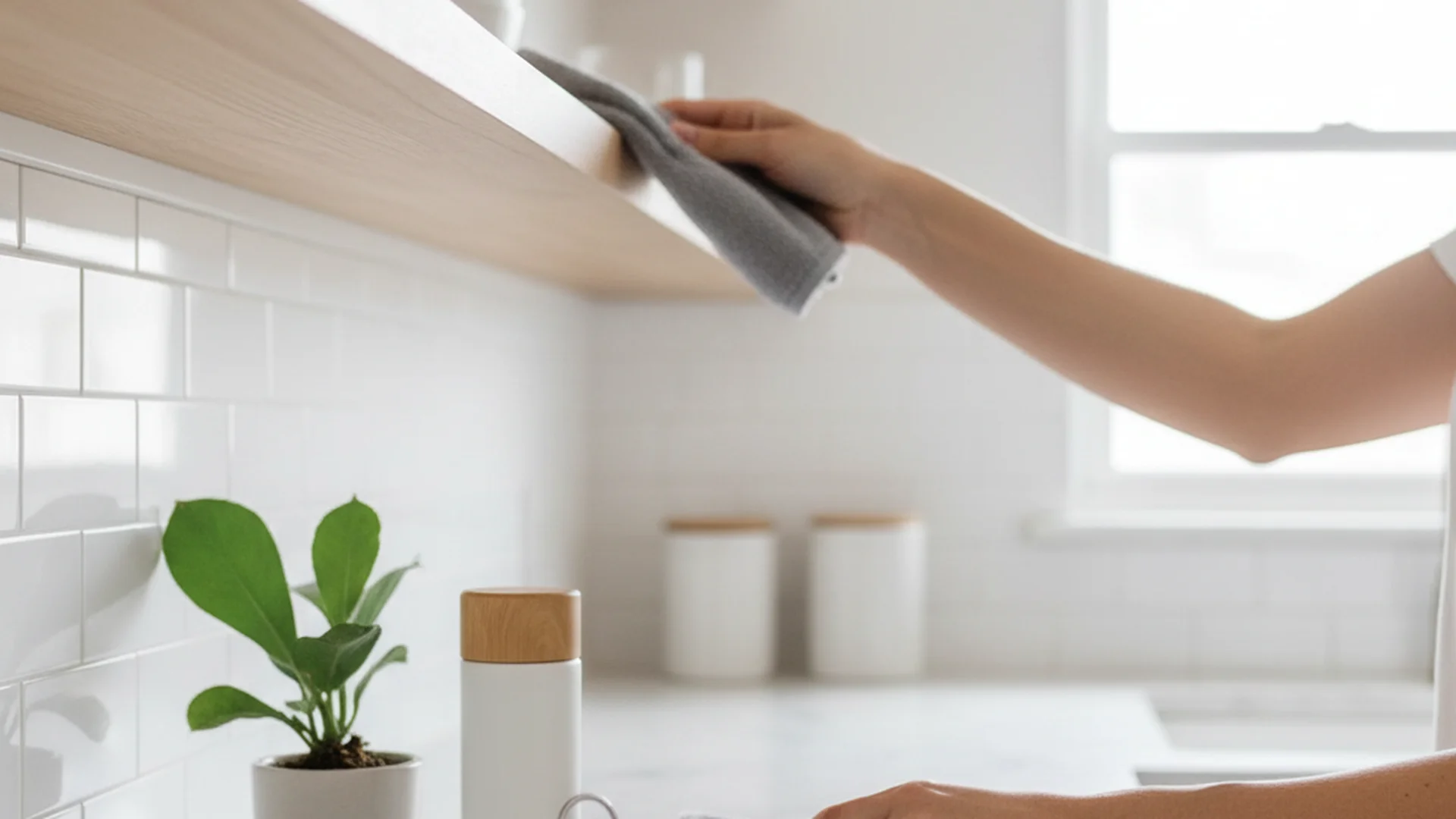
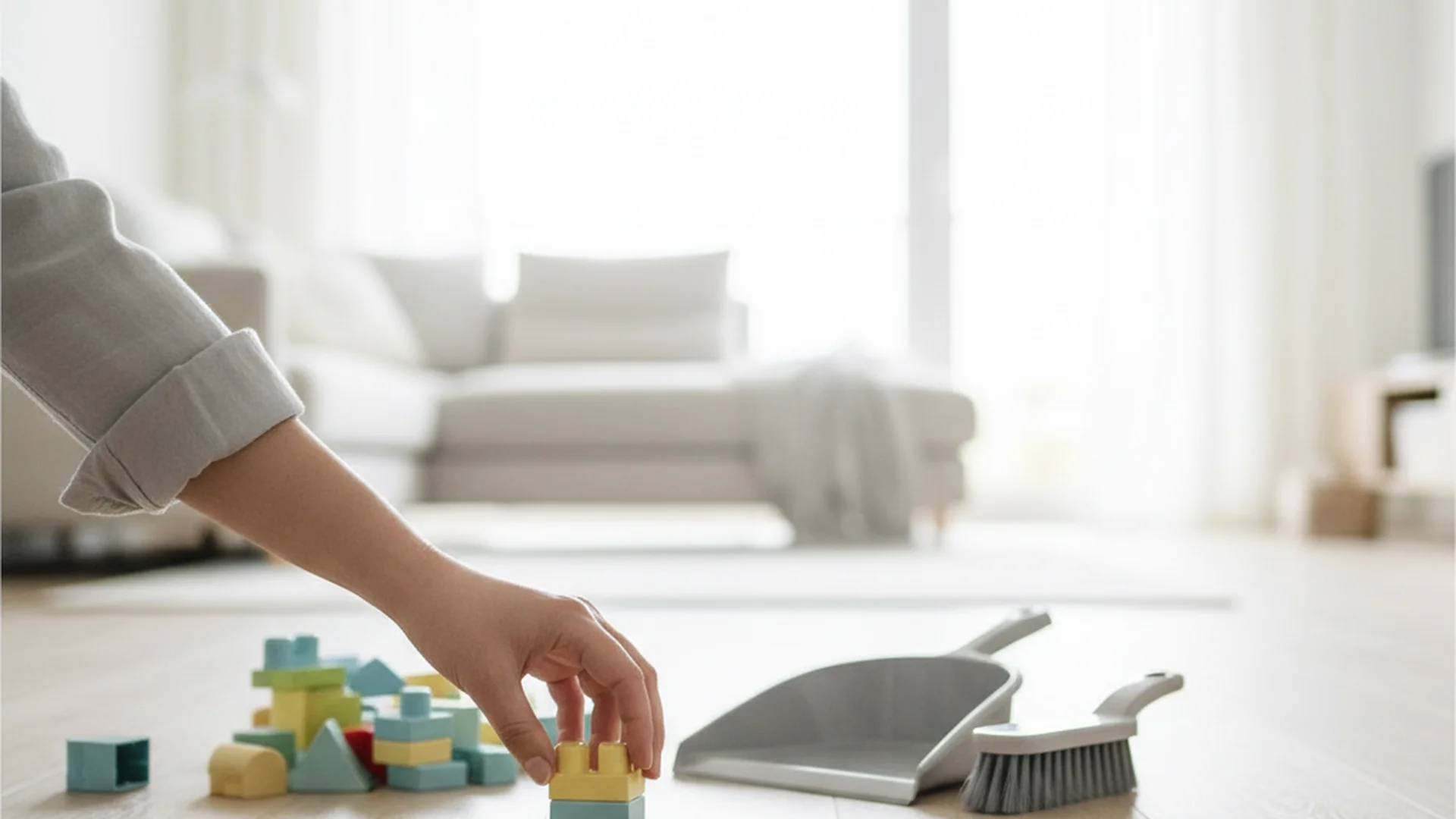
We have all been there: you walk past a stack of mail on the counter, a stray pair of shoes in the hallway, or a coffee mug on the side table. You tell yourself you’ll deal with it later. But "later" rarely comes until the weekend, when you find yourself spending four hours cleaning instead of relaxing. This cycle of micro-clutter is exactly what the 2 minute cleaning rule is designed to break. By shifting your mindset from "doing it later" to "doing it now," you can maintain a pristine home without ever feeling like you’re doing a "big clean."
Originally popularized by productivity expert David Allen in his seminal work Getting Things Done (GTD), the concept is simple: if a task takes two minutes or less to complete, do it immediately. In the world of professional cleaning and home management, this rule is a total game-changer. It is the bridge between a cluttered, stressful environment and a home that feels like a sanctuary.
The Science of "Doing It Now"
Why is the 2 minute cleaning rule so effective? It’s not just about physical tidiness; it’s about brain chemistry. When we leave small tasks unfinished, they don't just sit on our counters—they sit in our minds.
The Zeigarnik Effect and Mental Fatigue
Psychologist Bluma Zeigarnik discovered that our brains are hardwired to remember incomplete tasks better than completed ones. These "cognitive splinters" create a background hum of anxiety. Every time you see that dirty dish or that full trash can, your brain registers it as an "open loop." The more open loops you have, the more mental energy you drain. Applying 2 minute cleaning rule help means closing those loops the moment they appear, freeing up mental bandwidth for things that actually matter.
Cortisol and the Clutter Connection
Research from the Princeton University Neuroscience Institute has shown that physical clutter competes for your attention. This creates a constant state of low-grade stress. Furthermore, a famous study from UCLA observed that women living in cluttered environments had significantly higher levels of cortisol, the body’s primary stress hormone. By utilizing 2 minute cleaning rule tips to tackle small messes, you aren't just cleaning a surface; you are literally lowering your physiological stress levels.
How to Implement the 2-Minute Rule in Your Daily Life
Implementing this rule doesn't mean you should be cleaning 24/7. Instead, it’s about identifying "transition periods" throughout your day. These are the small windows of time between activities where micro-chores can be knocked out effortlessly.
The "Coffee Brew" Window
Utilize "dead time." While you are waiting for the kettle to boil or the microwave to beep, challenge yourself. How many 2-minute tasks can you finish before the timer goes off?
- Empty the dishwasher.
- Wipe down the kitchen island.
- Sort the recycling.
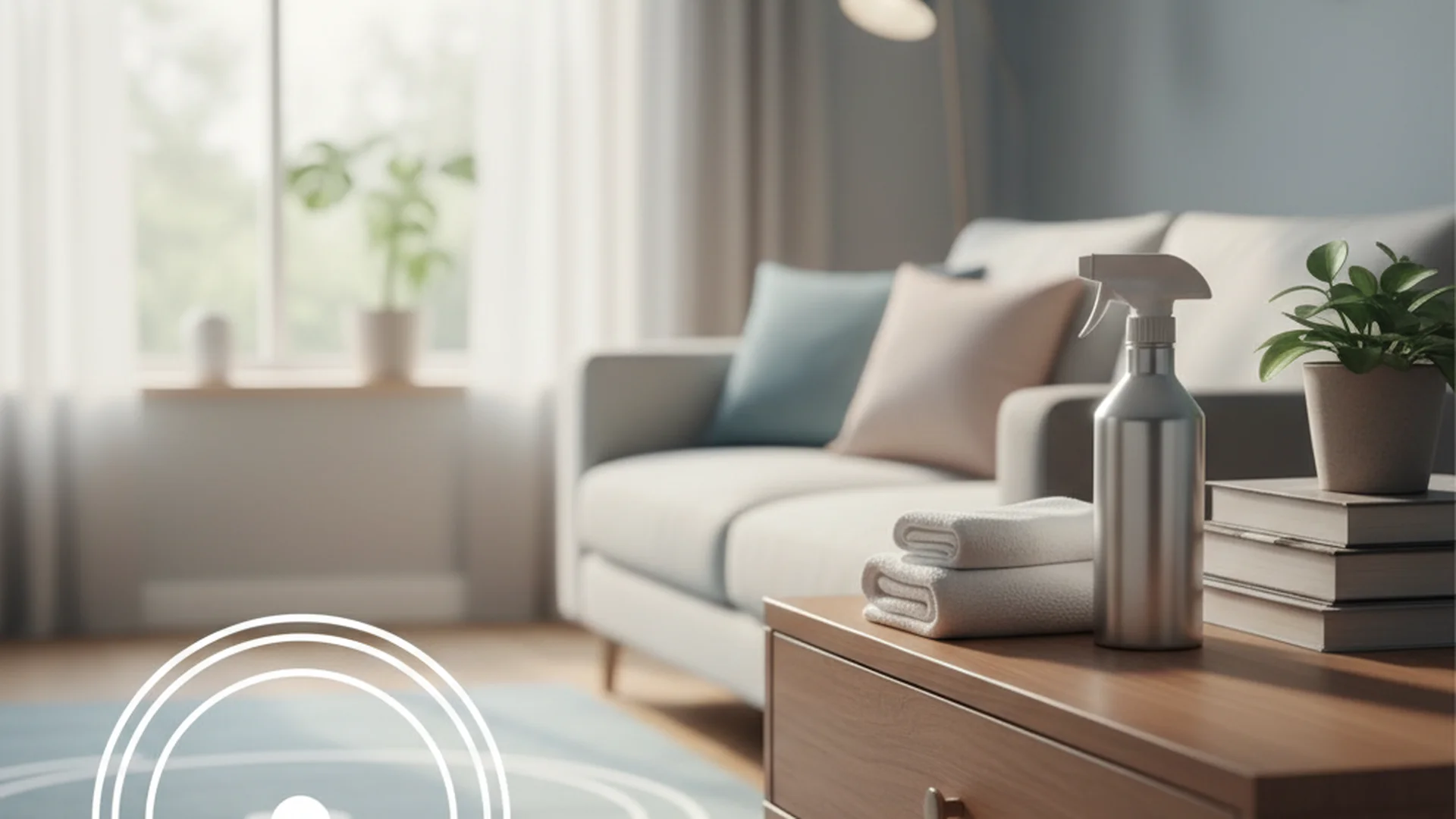
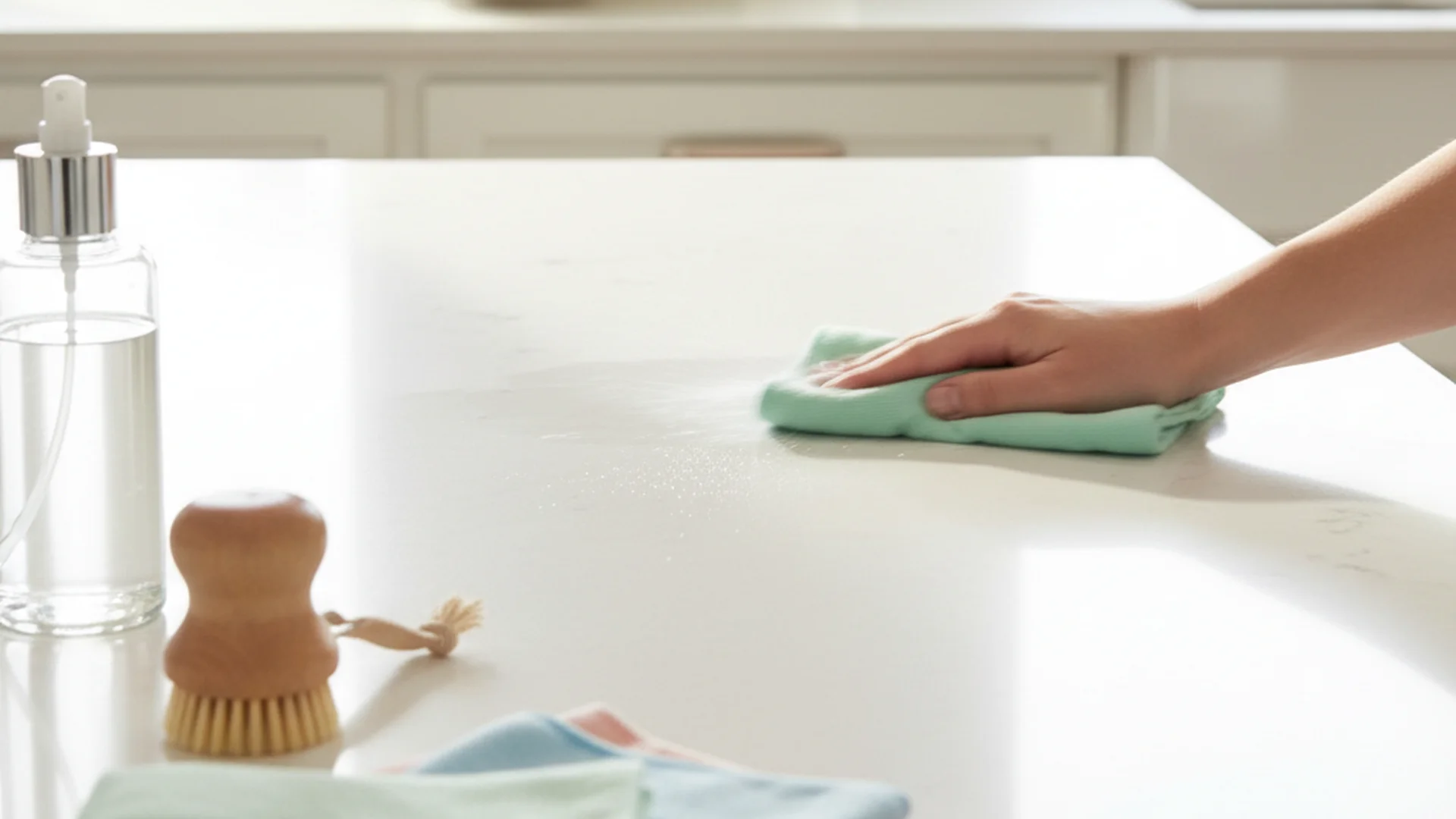
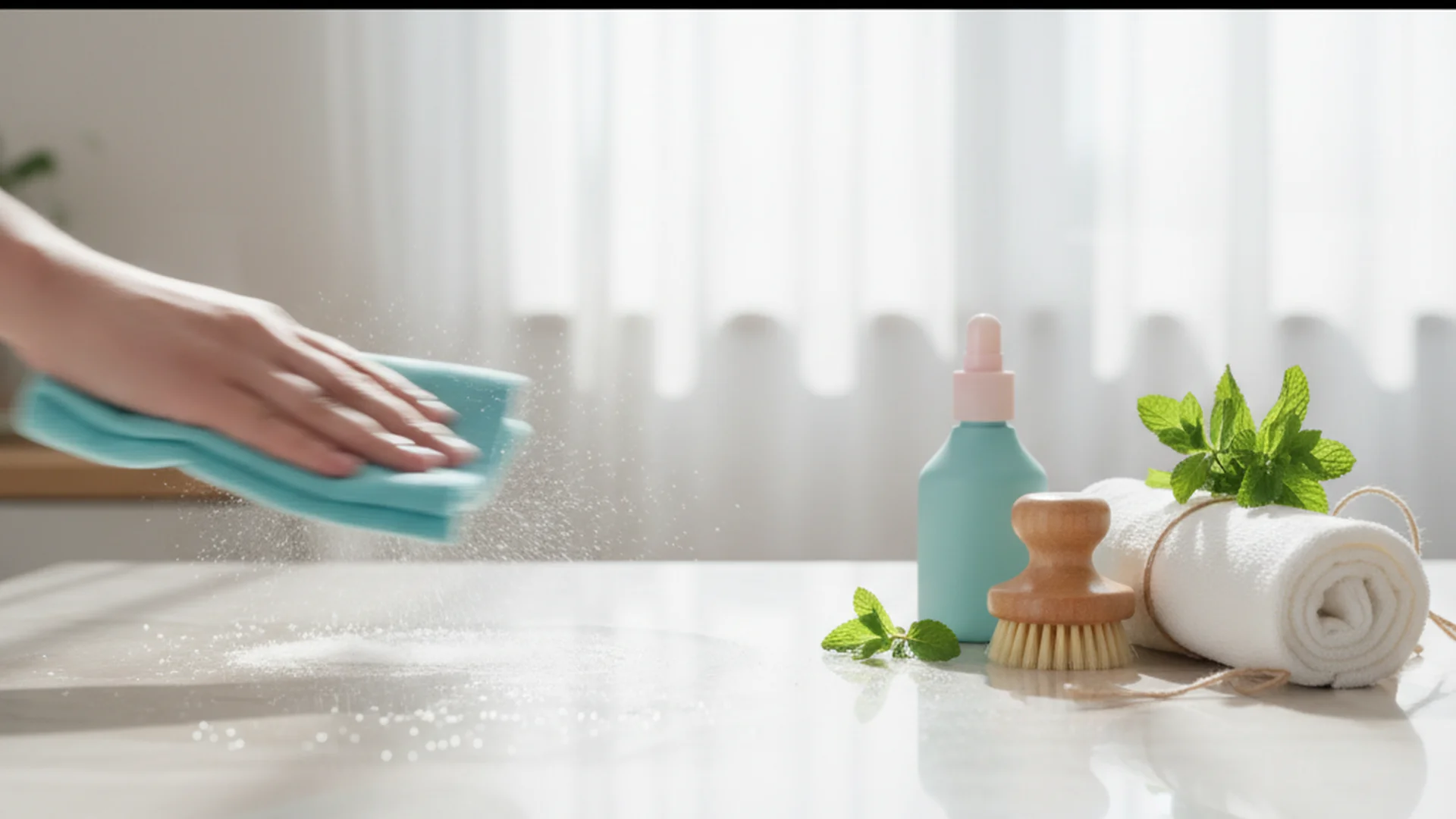
Tip: Keep a "2-minute kit" (a microfiber cloth and a multi-purpose spray) in high-traffic areas so you don't waste time hunting for supplies.
Habit Stacking for Success
James Clear, author of Atomic Habits, suggests that the best way to form a new habit is to "stack" it onto an existing one. If you want to master the 2 minute cleaning rule, attach it to a ritual you already perform.
- Existing Habit: Brushing your teeth.
- New Habit: Wiping down the bathroom sink and mirror immediately after.
Success: Habit stacking lowers the "activation energy" required to start, making it much more likely that you will stick to the routine long-term.
Real-World Examples of 2-Minute Wins
Not sure what qualifies as a 2-minute task? Here are three real-world examples that, when done immediately, prevent hours of work later.
- The Entryway Reset: As soon as you walk through the door, hang up your coat, put your shoes in the rack, and place your keys in their designated bowl. Total time: 45 seconds. Result: No "shoe pileup" or lost keys on Monday morning.
- The "One-Plate" Policy: After finishing a snack or a meal, rinse your plate and put it directly into the dishwasher. Total time: 60 seconds. Result: No crusty, dried food that requires soaking or a sink full of dirty dishes at 9:00 PM.
- The Mail Sort: When you bring the mail in, stand over the recycling bin. Open it immediately, file the bills, and recycle the junk. Total time: 2 minutes. Result: No "paper mountains" on the dining room table.
| Task Category | 2-Minute Action | Impact |
|---|---|---|
| Kitchen | Load/Unload Dishwasher | Prevents sink overflow |
| Bedroom | Make the bed | Instantly makes the room look 50% tidier |
| Living Room | Fold the throw blanket | Creates a "reset" look for the evening |
| Bathroom | Wipe the mirror | Prevents hard water spots and buildup |
Advanced Strategies: The "Closing Shift" and Smart Tech
As we look toward cleaning trends in 2025 and 2026, the 2 minute cleaning rule is evolving from a simple productivity hack into a pillar of "intentional living."
The Professional "Closing Shift"
Borrowed from the restaurant and service industry, the "Closing Shift" involves a series of 2-minute resets at the end of the night. This ensures that when you wake up, you are starting your day with a clean slate rather than yesterday's mess.
- Wipe down the counters.
- Clear the coffee table.
- Start the dishwasher.
Note: The goal of the closing shift is not deep cleaning; it’s about returning the home to its "baseline" state.
2026 Trends: Microbiome-Friendly and Smart Micro-Cleaning
In the coming years, we are seeing a shift toward microbiome-friendly cleaning. New probiotic and enzyme-based cleaners are designed to stay active on surfaces for up to 72 hours. This makes your 2-minute wipe significantly more effective, as the "good bacteria" continue to break down grime long after you’ve moved on.
Furthermore, smart home integration is making the 2-minute rule even easier. AI-enabled sensors can now alert you to high-traffic zones that need a quick "micro-vac" or a 2-minute intervention, ensuring that dirt never has a chance to settle.
Common Mistakes to Avoid
While the 2 minute cleaning rule is simple, there are several traps that can derail your progress.
The Danger of "Side-Questing"
This is the most common pitfall, especially for those with ADHD. You start to put away a book (2 minutes), notice the shelf is dusty, decide to take all the books off to dust (15 minutes), and then realize you need to reorganize your entire library by color (3 hours).
- The Fix: Stick to the original 2-minute task. If you notice a bigger job, write it down on a to-do list for later. Don't let a quick tidy turn into a deep dive.
Ignoring Dwell Time
In a professional cleaning context, "cleaning" and "sanitizing" are different. Many people spray a surface and wipe it immediately to stick to the 2-minute rule. However, most disinfectants require 2 to 10 minutes of "dwell time" to actually kill pathogens.
Warning: Use the 2-minute rule for tidying and surface cleaning. For sanitization, you must allow the product to sit for the manufacturer-recommended time.
The "One-Touch" Myth
Don't confuse the 2-minute rule with the "One-Touch Rule" (never touching an item twice). While they complement each other, the 2-minute rule is specifically about time management. If putting something away properly takes 5 minutes, it doesn't fit the rule—it should be scheduled for a dedicated cleaning block instead.
2-Minute Rule Adaptations for ADHD
For neurodivergent individuals, the 2 minute cleaning rule can be a double-edged sword. While "doing it now" helps prevent the forgetfulness associated with ADHD, it can also lead to the "cascading" effect mentioned earlier.
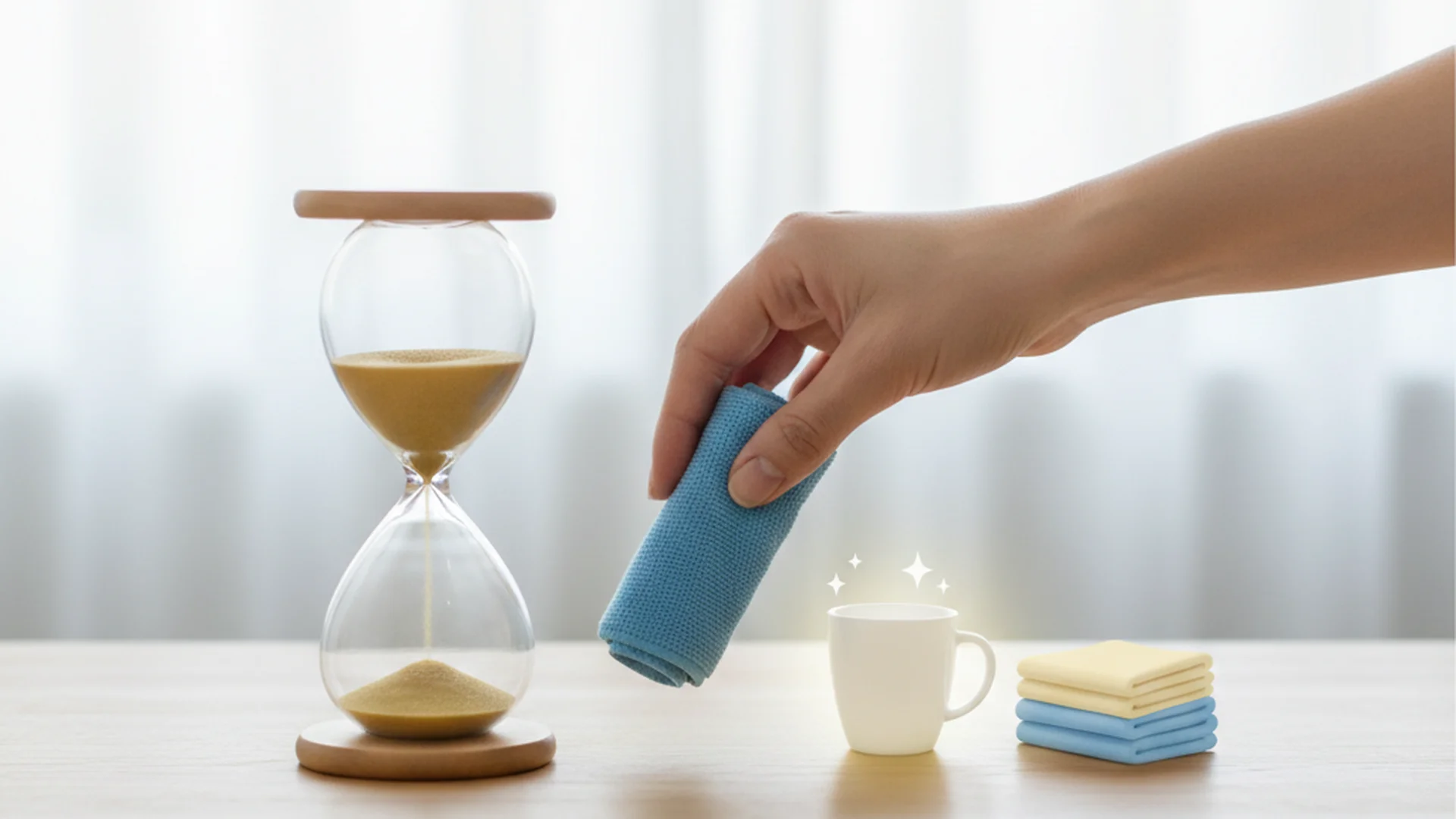
Experts recommend a modified approach: The 2-Minute Timer. Set a physical timer for 120 seconds. Once it beeps, you must stop, regardless of whether the area is "perfect." This provides a hard boundary that prevents the task from expanding and causing burnout.
Tip: Use a visual timer (like a sand timer or a digital countdown) to help with "time blindness," a common trait in ADHD.
Frequently Asked Questions
Does this rule mean I should interrupt my work to clean?
What if I have a dozen 2-minute tasks at once?
Is the 2-minute rule enough to keep a house clean?
How can I get my family or roommates to follow this rule?
Conclusion
The 2 minute cleaning rule is more than just a cleaning tip; it’s a lifestyle shift toward intentionality and mental clarity. By tackling micro-clutter the moment it appears, you stop the "snowball effect" that leads to household overwhelm. Remember, a clean home isn't built in a day of frantic scrubbing—it’s built in the two-minute intervals of everyday life.
Start today. Pick one thing right now—that stray sock, the pile of mail, or the dirty mirror—and give it two minutes. You’ll be surprised at how much lighter you feel.
Cleaning that keeps score
Every task earns points, every streak multiplies them, and Premium adds a household leaderboard plus a monthly Dustagorgon to beat.
- Free forever
- 30 badges to earn
- Up to 6 in a household
No card needed. Set up your rooms in a couple of minutes.