In this article
What you’ll learn
- A 15-minute nightly reset prevents the 'solo mess paradox' from snowballing.
- Using the One-Touch rule eliminates 80% of daily clutter before it starts.
- Leveraging AI and minimalist trends in 2025 can drastically reduce manual labor.
Living alone offers an unparalleled sense of freedom, but it also presents a unique domestic challenge: the "Solo Mess Paradox." While you naturally generate less waste than a family of four, the lack of social accountability often leads to procrastination. Without a partner or roommate to "perform" for, it is easy to let the laundry pile up or the dishes sit until the next morning. However, establishing a consistent cleaning schedule for a single person isn't just about aesthetics; it is a vital component of mental health and domestic efficiency.
In my work as a Domestic Efficiency Specialist, I have found that the most successful solo dwellers don't clean harder—they clean smarter. By shifting from a "weekend warrior" mentality to a structured, tiered routine, you can keep your home in a perpetual state of readiness without sacrificing your entire Saturday to a mop and bucket.
The Psychology of the Solo Household
Before we dive into the specific tasks, it is important to understand why cleaning feels different when you live alone. Without an audience, the home becomes a purely private space where "good enough" quietly replaces "guest-ready," and deep cleaning is the first thing to slide.
However, the benefits of maintaining a cleaning routine person-ally tailored to your lifestyle are significant. For a single professional, your home should be a sanctuary from the high-stress outside world, not a source of secondary stress.
Note: For singles, a clean home is a primary driver of mental well-being, acting as a psychological "buffer" against work-related burnout.
The Tiered Cleaning Schedule for Single People
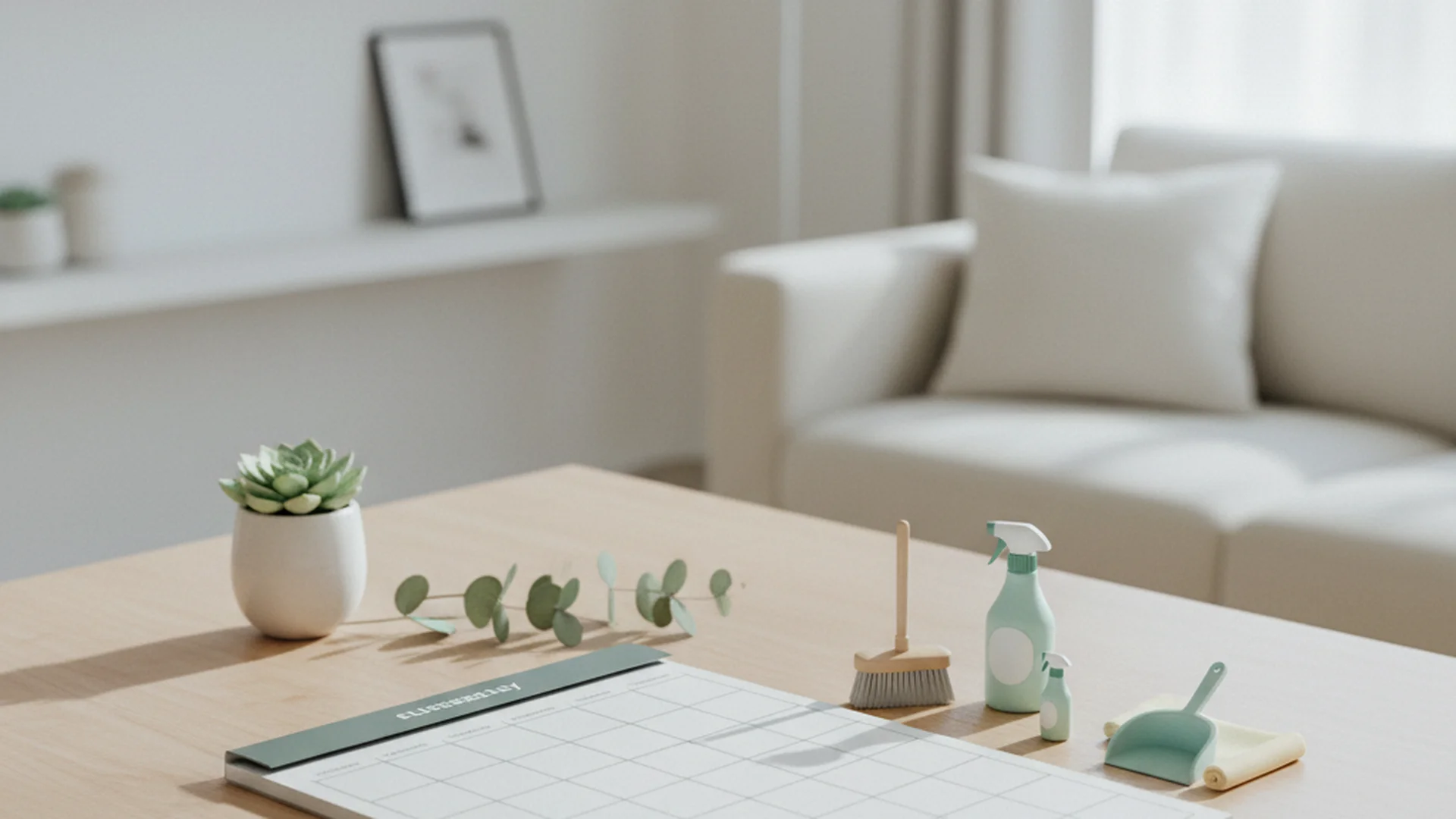
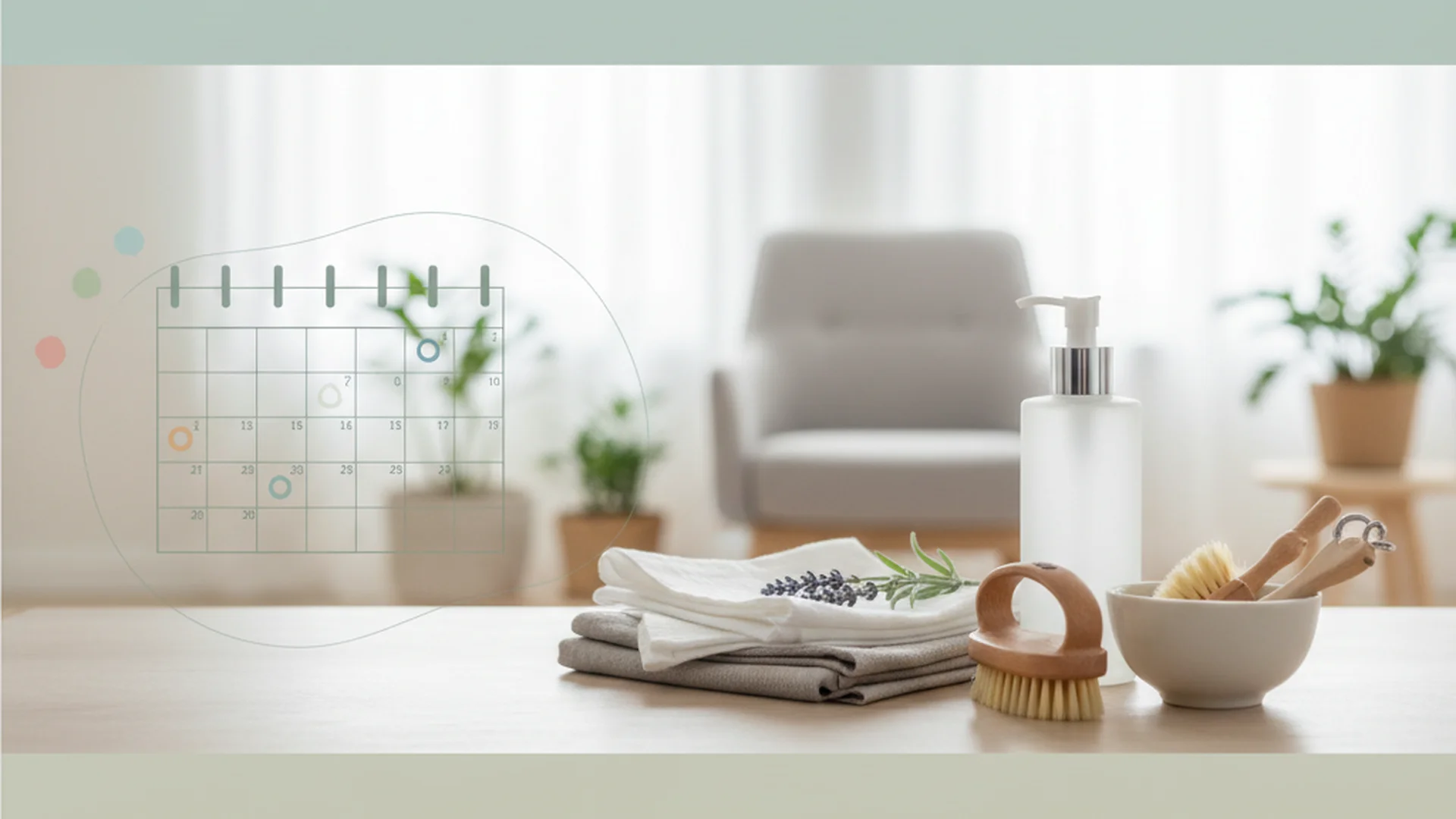
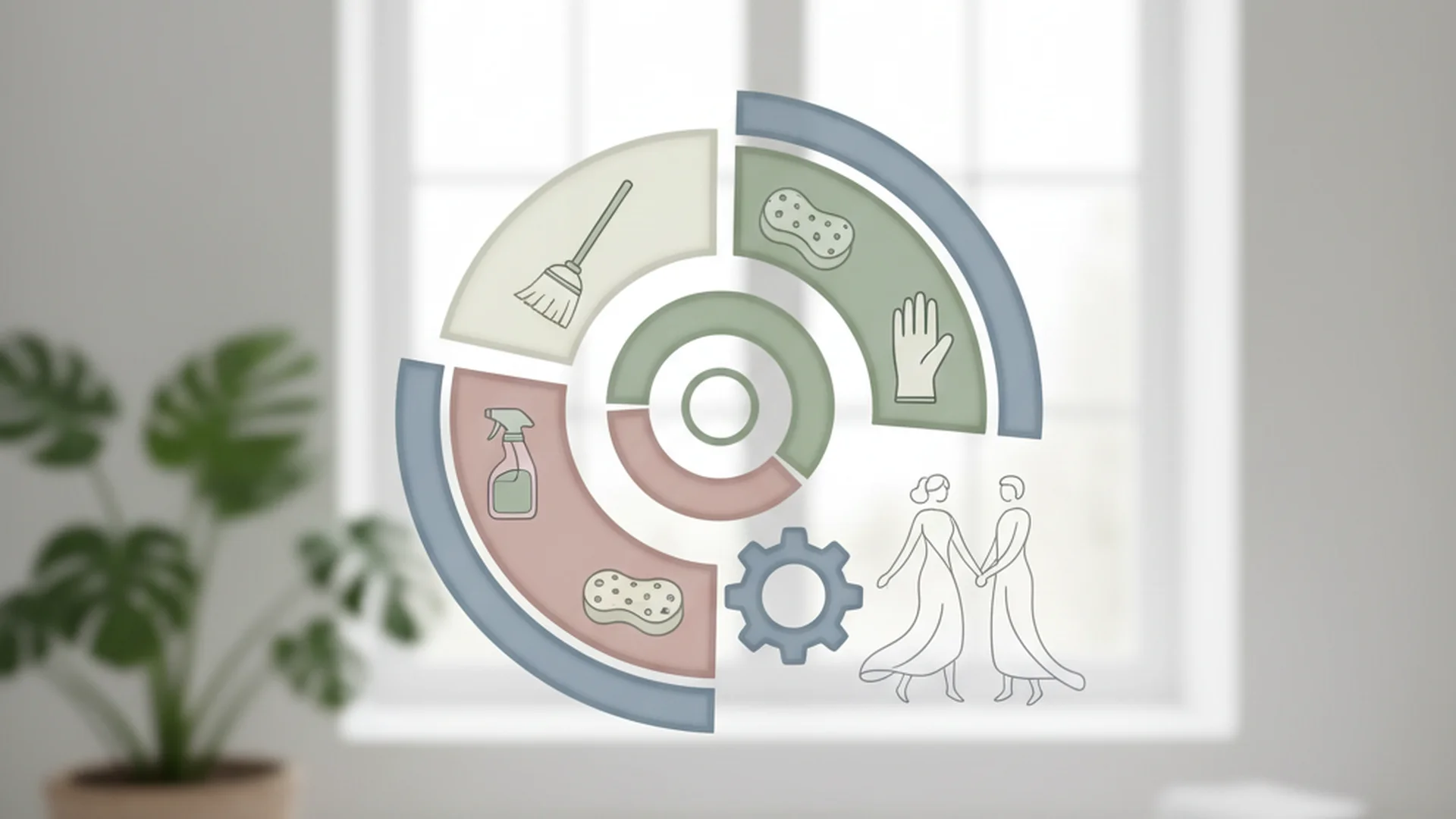
To avoid the burnout associated with "batch cleaning" (doing everything at once), I recommend a tiered approach. This breaks down the maintenance of your home into manageable chunks based on frequency and effort.
The 15-Minute Nightly Reset (Daily)
The most effective tool in your arsenal is the nightly reset. This isn't a deep clean; it is a "closing shift" for your home. By spending just 15 minutes before bed, you ensure that you wake up to a fresh start.
- Clear the Sink: Never go to bed with a dirty dish. In a solo household, "just one bowl" quickly turns into a mountain.
- Wipe the Counters: Use a quick all-purpose spray to clear the day’s crumbs.
- The Living Room Fold: Straighten the throw pillows and fold your blanket. This visual "reset" signals to your brain that the day is done.
- The "One-Touch" Rule: As you move through your home, if you pick something up, put it back in its permanent home immediately rather than setting it down elsewhere.
Tip: Pair your 15-minute reset with a favorite short podcast or a high-energy playlist to make it feel like a "dopamine cleaning" session.
The Weekly Power Hour
Once a week, dedicate 60 minutes to the tasks that require more than a quick wipe. For most single people, Saturday morning or Sunday evening works best.
| Task | Estimated Time | Tool Needed |
|---|---|---|
| Vacuuming/Mopping | 20 mins | Robot Vacuum or Microfiber Mop |
| Bathroom Scrub | 15 mins | Disinfectant & Scrub Brush |
| Dusting Surfaces | 10 mins | Microfiber Duster |
| Bed Linen Change | 10 mins | Fresh Sheets |
| Trash Removal | 5 mins | New Liners |
Warning: Avoid the "All-at-Once" trap. If 60 minutes feels like too much, split the Power Hour into two 30-minute sessions on different days.
The Monthly Deep Dive
This tier focuses on the "invisible" areas that singles often overlook because no one else is there to see them.
- Appliance Maintenance: Wipe down the inside of the microwave and clean the dishwasher filter.
- Baseboards and Door Frames: Dust these often-neglected areas to keep the air quality in your apartment high.
- Fridge Purge: Check for expired condiments and wipe down the shelves.
Expert Strategies for Solo Efficiency
As we move into 2025 and 2026, the way we manage our homes is changing. Here are three expert-level strategies specifically for those living solo.
1. Zone Cleaning (The Modified FlyLady Method)
Instead of trying to clean your entire apartment in one day, focus on one "zone" per week. For example, Week 1 is the Kitchen, Week 2 is the Bathroom, and Week 3 is the Bedroom/Closet. By spending just 10 extra minutes a day in that specific zone, you achieve a deep-clean level of sparkle without the marathon effort.
2. Scent Mapping
This is a psychological trick used by professional organizers. Use specific scents for different tasks. Use a citrus-scented cleaner for the kitchen to energize you, and a lavender-scented spray for the bedroom. Over time, your brain will associate these scents with a "finished" space, providing a sense of accomplishment.
3. Body Doubling via Video
If you struggle with motivation, try the "Body Doubling" technique. This involves cleaning while on a video call with a friend who is also doing chores, or even watching "Clean With Me" videos on YouTube. Having a virtual presence makes the task feel more social and less like a lonely chore.
Success: One of my clients, a solo software engineer, reduced his cleaning time by 40% simply by implementing the One-Touch rule and a 15-minute nightly reset.
Modern Tools and 2025 Trends
The landscape of cleaning is shifting toward "Mindful Minimalism" and high-tech automation.
AI-Integrated Maintenance
In 2025, we are seeing a surge in AI-mapped robot vacuums that sync with your digital calendar. For a single person, these devices are a game-changer. You can set the vacuum to run specifically when you are at the gym or in the office, ensuring you always return to clean floors.
"Underconsumption Core"
A major trend for 2025 is the "Underconsumption Core" movement. This involves deliberately owning fewer items—for example, only having four dinner plates or two sets of towels. For the single person, this drastically reduces the volume of cleaning and organizing required. If you own less, you have less to clean.
Low-Tox/Biophilic Cleaning
Living in a smaller square footage means you are more sensitive to harsh chemicals. There is a move toward probiotic cleaners and plant-based solutions that maintain a healthy home microbiome without the VOCs (Volatile Organic Compounds) found in traditional bleach-based products.
Note: A "Maximum of 3" rule for cleaning supplies is best for singles: an all-purpose cleaner, a disinfectant, and a glass cleaner. You don't need a cabinet full of specialty chemicals.
Common Mistakes to Avoid
Even with the best intentions, many people fall into habits that make their cleaning routine person-ally frustrating.
- The "Dish-in-the-Sink" Habit: Thinking "it's just one bowl" is a trap. In a solo household, this leads to the "broken window effect," where one small mess makes it psychologically easier to create more.
- Over-buying Cleaning Supplies: Don't fall for marketing. Most tasks can be handled with a high-quality microfiber cloth and a single all-purpose cleaner.
- Neglecting Invisible Areas: Just because guests aren't coming over doesn't mean the top of your fridge or the space behind the toilet doesn't need attention. These areas collect dust that affects your indoor air quality.
- Saving Everything for Saturday: This turns your weekend—your time to recharge—into a second job. Distribute the work.
Frequently Asked Questions
How often should a single person vacuum?
How do I stay motivated to clean when no one is coming over?
Is a cleaning service worth it for a one-bedroom apartment?
How do I keep my apartment clean when I work full-time?
Conclusion
Managing a cleaning schedule for a single person doesn't have to be a burden. By embracing the 15-minute nightly reset, the One-Touch rule, and modern automation, you can maintain a home that supports your lifestyle rather than draining your energy. Remember, the goal isn't perfection—it's creating a space where you can truly relax.
Success: Consistency beats intensity every time. A little bit of daily effort prevents the need for a massive weekend overhaul.
Cleaning that keeps score
Every task earns points, every streak multiplies them, and Premium adds a household leaderboard plus a monthly Dustagorgon to beat.
- Free forever
- 30 badges to earn
- Up to 6 in a household
No card needed. Set up your rooms in a couple of minutes.