In this article
What you’ll learn
- Implement the Zone & Close method to save energy and time.
- Transition from reactive cleaning to proactive maintenance mode.
- Utilize 2026 trends like probiotic cleaners and AI-driven schedules.
For decades, your home was likely the headquarters of high-energy chaos. Between soccer practice mud, teenage bedroom "explosions," and a kitchen that never seemed to stop serving meals, your cleaning routine was defined by survival. But as the last child moves out, the echoing hallways represent more than just a quiet house—they represent a significant shift in how you must care for your space. Developing a cleaning schedule empty nesters can actually stick to requires moving away from the "all-hands-on-deck" urgency of the past and toward a refined, proactive strategy that treats your home as a sanctuary rather than a battlefield.
This transition isn't just about doing less; it’s about doing things differently. With empty-nest baby boomers currently owning 28.2% of large homes in the U.S. (those with 3+ bedrooms), many find themselves managing a "maintenance gap." You have more square footage than residents, which can lead to a feeling of being overwhelmed by rooms you barely use. By refining your cleaning routine nesters can reclaim their time while protecting the value of their greatest financial asset.
The New Reality: Managing the "Maintenance Gap"
Recent data from 2025 suggests that the average empty-nester household is shifting its focus toward "Premium Cleaning." Because this demographic controls roughly 70% of the national wealth, there is a growing movement to invest in high-end, eco-friendly, and tech-driven home care. However, the physical labor often remains lopsided. Women in the 45-54 age bracket without children at home still spend roughly 2.7 times more time on household labor than men.
Closing this gap starts with a smarter schedule. Instead of cleaning the entire house with the same intensity every Saturday morning, you must learn to categorize your home into "Active" and "Inactive" zones.
The "Zone & Close" Method
The most effective way to manage a large home with fewer people is the Zone & Close method. This strategy acknowledges that a guest bedroom doesn't need the same daily attention as your primary suite.
- Active Zones: These are high-traffic areas like the kitchen, the primary bedroom, the main living area, and the primary bathroom. These require daily and weekly maintenance.
- Inactive Zones: These include guest rooms, formal dining rooms, or basement recreation areas. These should be "closed off" to minimize dust circulation and cleaned on a rotating monthly basis.
Tip: Keep the doors to unused guest rooms closed. This prevents HVAC systems from circulating dust into these rooms and keeps them in a "stasis" mode until guests arrive.
The Maintenance Mode Schedule
A common mistake is following the same rigorous routine you used when the kids were home. Transitioning to "Maintenance Mode" means you are no longer cleaning up fresh messes; you are preventing long-term wear and tear.
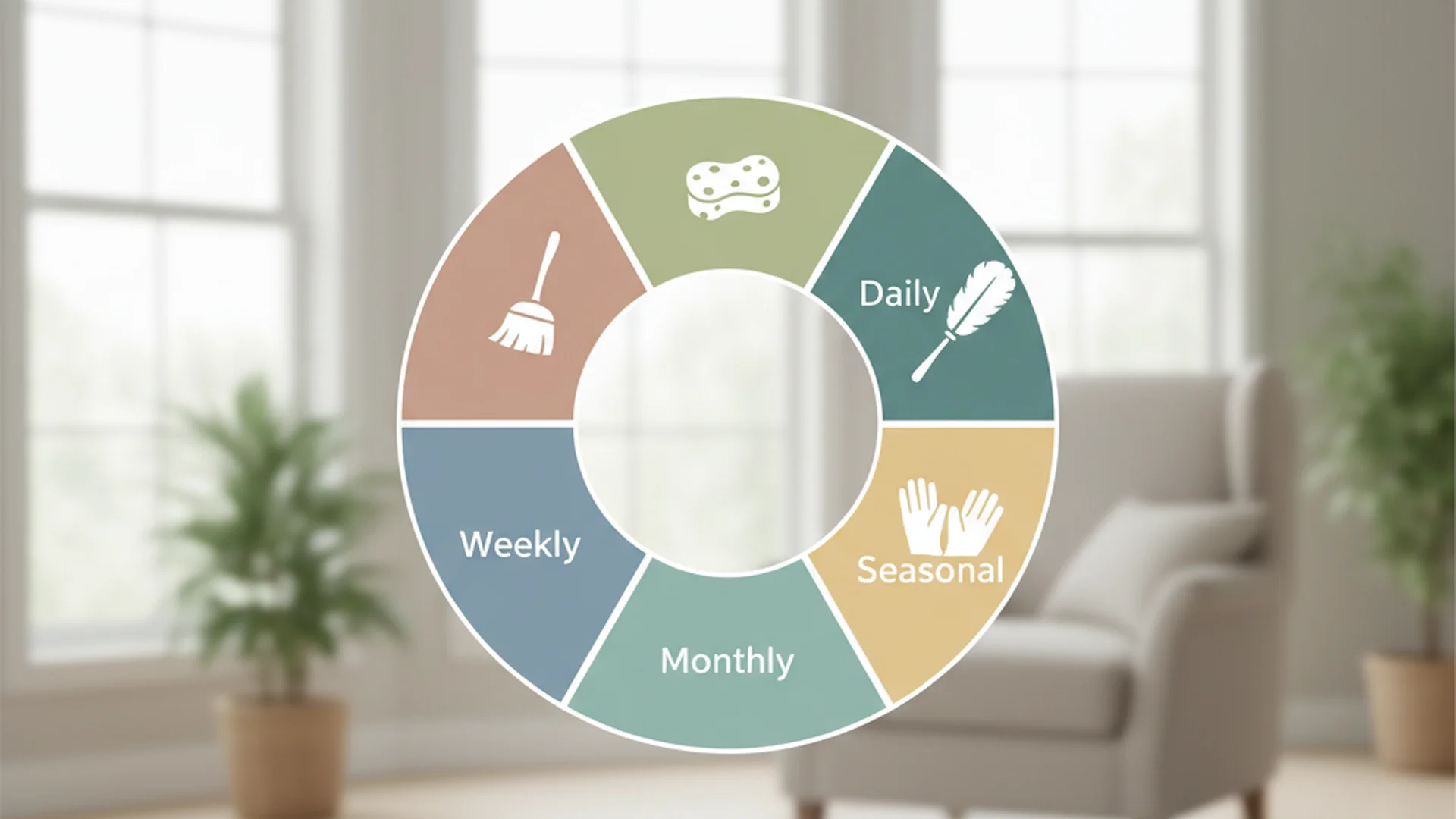
Daily: The 15-Minute Reset
When the house is quiet, it’s easy to let small things slide. A daily reset keeps the "Active Zones" pristine without feeling like a chore.
- The Kitchen Sweep: Wipe down counters and run the dishwasher (even if it's only half full—modern 2026 appliances are highly water-efficient).
- The High-Traffic Pass: A quick 5-minute cordless vacuum or sweep of the kitchen and entryway.
- The Bed Ritual: Making the bed sets the tone for a tidy day.
Success: Consistently performing a 15-minute reset reduces the need for "marathon cleaning" sessions on the weekends, freeing up your time for hobbies and travel.
Weekly: The Rotating Wet Room
Instead of scrubbing three or four bathrooms every week, rotate your focus.
| Week of Month | Focus Area | Primary Tasks |
|---|---|---|
| Week 1 | Primary Bath | Deep scrub shower, mirrors, and floor. |
| Week 2 | Kitchen Deep | Clean microwave, wipe appliance faces, mop. |
| Week 3 | Guest Wing | Dust surfaces, light vacuum, check linens. |
| Week 4 | Living Areas | Dust electronics, vacuum under furniture cushions. |
Monthly: System Checks
In an empty nest, the biggest threats aren't dirt and grime—they are stagnant systems.
- Run the Water: Every sink and shower in the house should have water run through it for 60 seconds once a month. This prevents the "P-trap" from drying out, which can allow sewer gases into your home.
- Filter Check: Check HVAC filters. Even with fewer people, dust still accumulates.
- The "One-In, One-Out" Audit: If you bought a new decorative pillow or a new air fryer this month, one old item must leave the house.
Warning: Neglecting the plumbing in unused bathrooms is a common mistake that can lead to costly repairs or unpleasant odors.
2026 Trends: Tech and Probiotics
As we move into 2026, the world of cleaning is being revolutionized by two things: Artificial Intelligence and biology.
Probiotic Cleaning
The old mindset was "kill 99.9% of germs." We now know that stripping a home of all bacteria can actually be detrimental to our health. Empty nesters are leading the shift toward probiotic cleaners. These products leave behind "good" bacteria that continue to eat away at organic soil and pathogens long after you’ve finished wiping the counter. This creates a healthier home ecosystem, which is vital as we age and prioritize air quality.
AI-Driven Scheduling
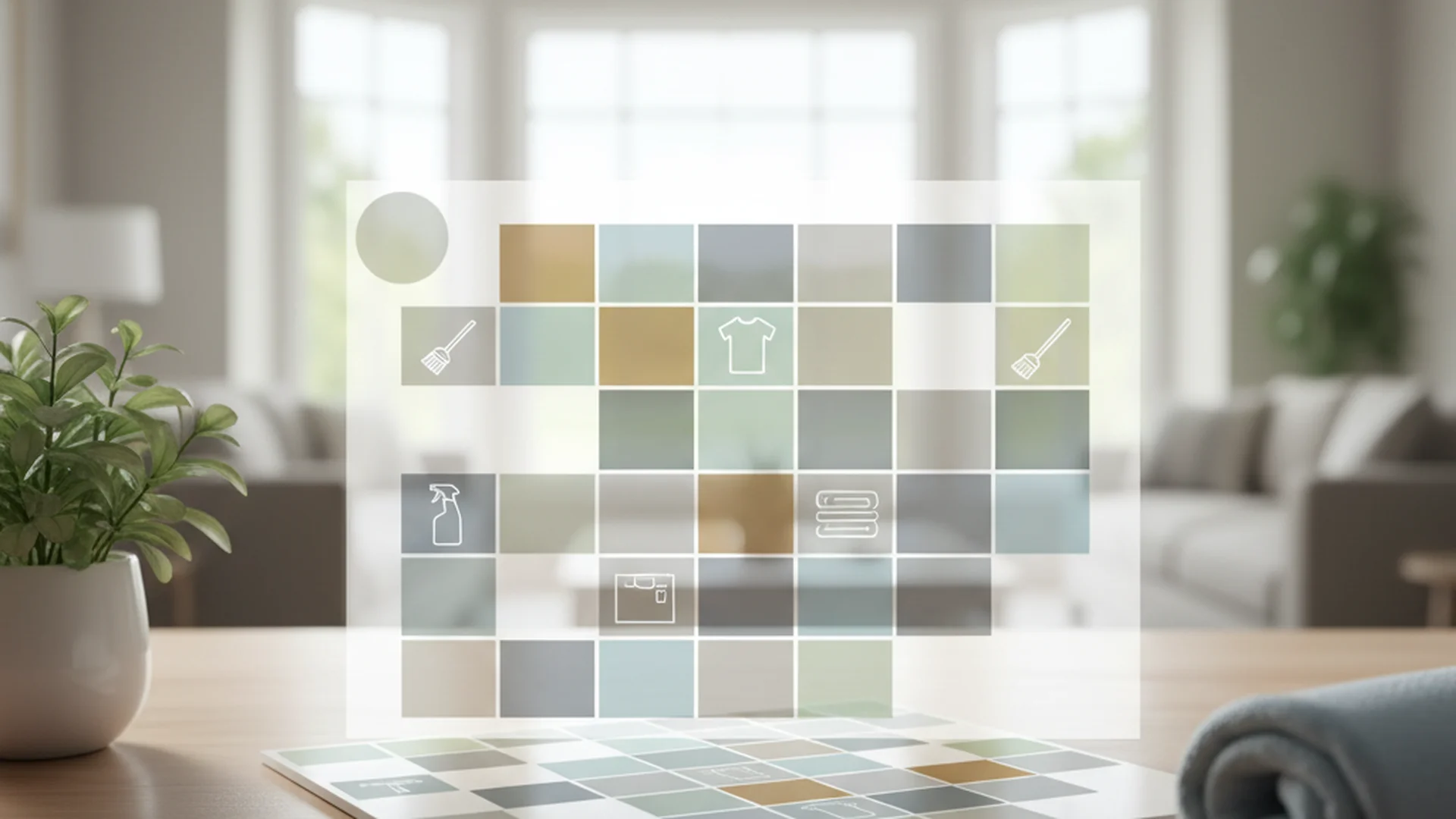
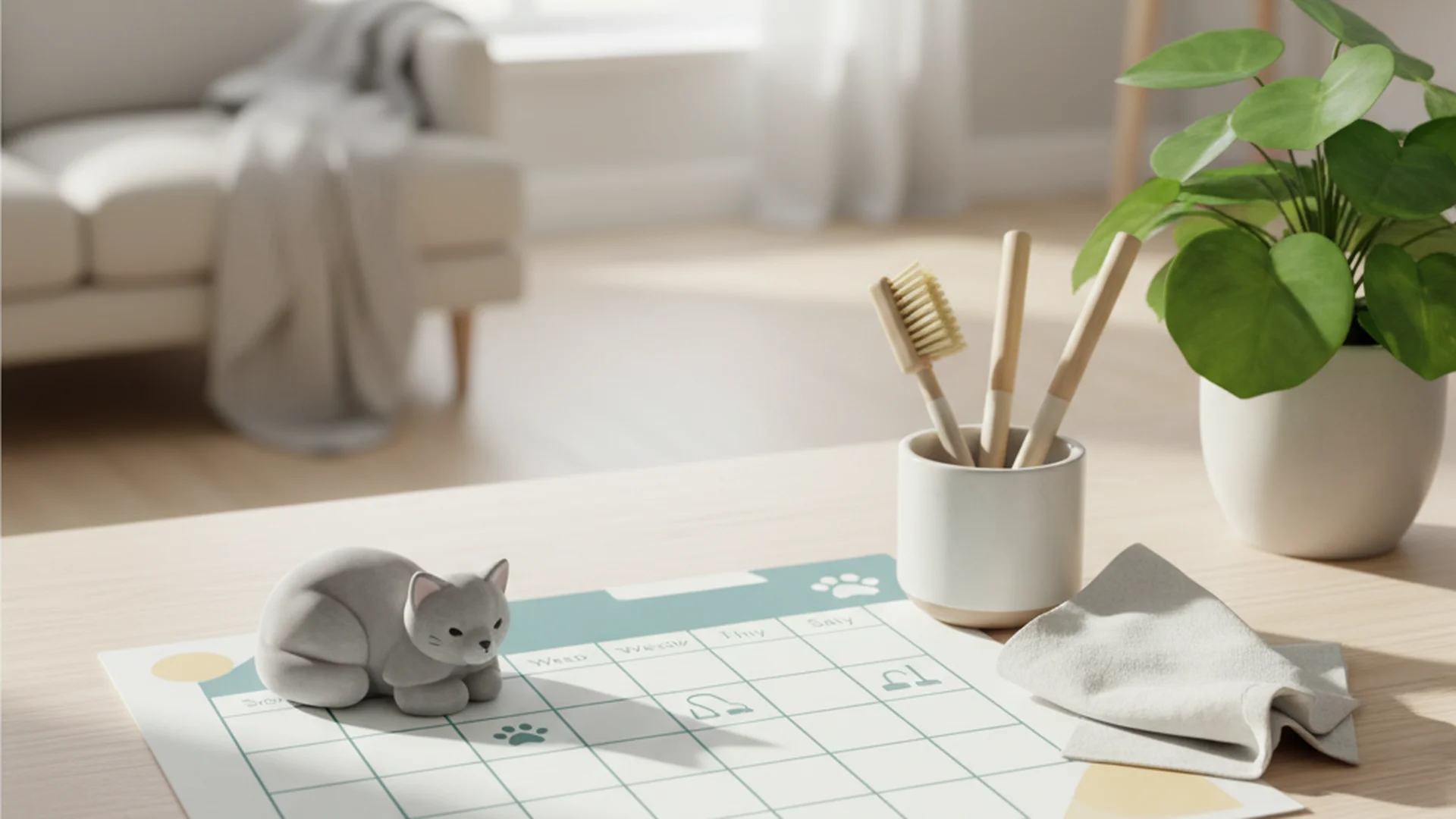
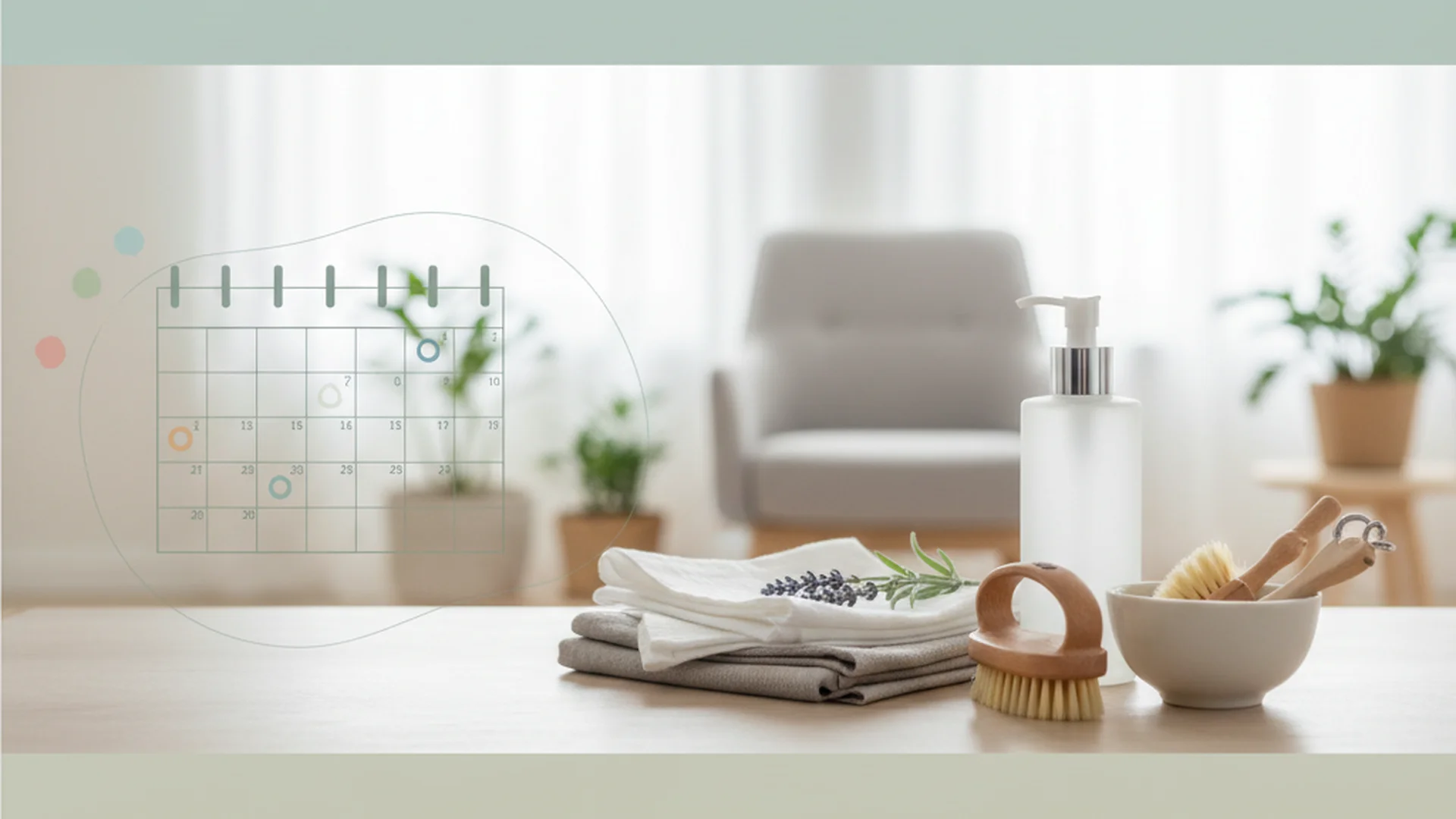
Forget the static paper calendar on the fridge. Smart home hubs in 2026 now offer demand-based cleaning. By using IoT sensors, your home can track which rooms are actually being used.
- Example: If the guest bathroom door hasn't been opened in three weeks, your AI assistant will automatically remove it from your weekly schedule and suggest a quick "dust check" instead.
Note: Many empty nesters are now using ChatGPT or specialized home apps to generate dynamic schedules based on their travel plans—automatically ramping up cleaning before a visit from grandkids and scaling back during solo vacations.
The Emotional Edit: Dealing with the Past
One of the hardest parts of creating a cleaning schedule empty nesters can maintain is the emotional weight of "sentimental clutter." You cannot effectively clean a room that is being used as a graveyard for old trophies, high school yearbooks, and half-broken toys.
Handling Adult Children's Belongings
It is a common struggle: the "kid" is 25 and living in another state, but their bedroom is still a time capsule of 2015.
- The Pickup Deadline: Give your adult children a clear window (e.g., three months) to claim what they want.
- The Digital Archive: For items with sentimental value but no practical use, take high-quality photos. You keep the memory without the physical footprint.
- Visual Debt: Experts call unorganized storage "visual debt." It creates a low-level stress that prevents you from feeling truly relaxed in your home.
Tip: If you haven't moved a box in five years, you likely don't need what's inside. Consider donating items to local charities where they can find a second life.
Common Mistakes to Avoid
Even with the best intentions, many empty nesters fall into these traps:
- The "Whole House" Trap: Trying to maintain a 3,000-square-foot home with the same intensity you used when five people lived there. This leads to burnout.
- Keeping "Someday" Furniture: Keeping large dining sets or heavy sofas "just in case" the whole family comes home for Thanksgiving. If it makes daily cleaning difficult, it’s not worth the space.
- Ignoring the Air: We spend 90% of our time indoors. Failing to clean ceiling fans or change air filters can lead to respiratory issues, especially in older adults.
- Over-purchasing: "Nest feathering" is a real phenomenon where parents buy new things to fill the void left by children. This leads to a new cycle of clutter.
Sensory Cleaning as Self-Care
Cleaning is no longer just a chore; it’s being rebranded as a wellness ritual. This is especially true for the empty nest demographic. Incorporating "sensory cleaning" can make the process more enjoyable.
- Flameless Scents: Use electric diffusers with high-end, non-toxic fragrances like bergamot, sandalwood, or white tea.
- Ergonomic Tools: Invest in lightweight, cordless vacuums and long-reach dusters to protect your joints and back.
- Audio Accompaniment: Pair your "Weekly Focus Area" with a favorite podcast or audiobook. This transforms the time from "labor" to "leisure."
Frequently Asked Questions
How do I handle the emotional weight of my adult children's belongings?
Do I still need to clean rooms that nobody uses?
How do I scale back a cleaning routine I’ve followed for 20 years?
Is it worth hiring professional help if it’s just me and my partner?
What are probiotic cleaners, and are they safe?
Conclusion
The transition to an empty nest is a significant life milestone that offers a unique opportunity to redefine your relationship with your home. By moving away from the chaotic cleaning habits of the past and embracing a structured cleaning schedule empty nesters can rely on, you transform your living space into a true sanctuary. Whether you are using AI to track your home's needs or simply enjoying the quiet of a 15-minute evening reset, remember that this phase of life is about quality over quantity. Your home is no longer just a place to raise a family—it is a place to nourish yourself.
Success: Transitioning to a maintenance-focused routine can save you up to 5 hours of housework per week, giving you more time for the things that truly matter.
Cleaning that keeps score
Every task earns points, every streak multiplies them, and Premium adds a household leaderboard plus a monthly Dustagorgon to beat.
- Free forever
- 30 badges to earn
- Up to 6 in a household
No card needed. Set up your rooms in a couple of minutes.