In this article
What you’ll learn
- Professional deep cleaning resets the home's hygiene baseline after years of use.
- Use the "Memory Box" and "Three-Pile" methods to manage sentimental clutter.
- Repurposing vacated rooms is one of the best ways to ease Empty Nest Syndrome.
The day the last suitcase is packed and the car pulls out of the driveway is a moment every parent anticipates with a mix of pride and a heavy heart. However, once the silence settles in, many parents are faced with a physical reality they haven’t had to confront in decades: the state of the house. Cleaning after kids leave is more than just a routine chore; it is a profound life transition and a rare opportunity to reclaim your personal environment.
Whether your child is heading off to a college dorm or launching into their first apartment, the "empty nest" phase allows you to improve indoor air quality, restore neglected surfaces, and pivot your home’s functionality to serve your needs rather than your children’s. In this guide, we will explore the best cleaning after kids leave tips, integrating the latest 2025–2026 home care trends to help you turn a quiet house into a rejuvenated sanctuary.
The Emotional Preparation: Setting Boundaries with "Stuff"
Before you pick up a vacuum or a microfiber cloth, you must handle the emotional weight of the items left behind. Many parents feel a sense of guilt when touching their children's rooms, but leaving a room exactly as it was can actually hinder the transition for both you and your child.
The environment we provide for our children has long-term impacts, but the transition into an empty nest is the time to model healthy adult boundaries.
The Transition Timeline
Take a "staged" approach to the room. If your child is in college, keeping the room "as-is" for the first semester provides a "safe harbor" during their adjustment. However, for those fully moving out into adulthood, a transition period of 3–6 months is the industry standard before a full repurposing should occur.
The "Memory Box" Method
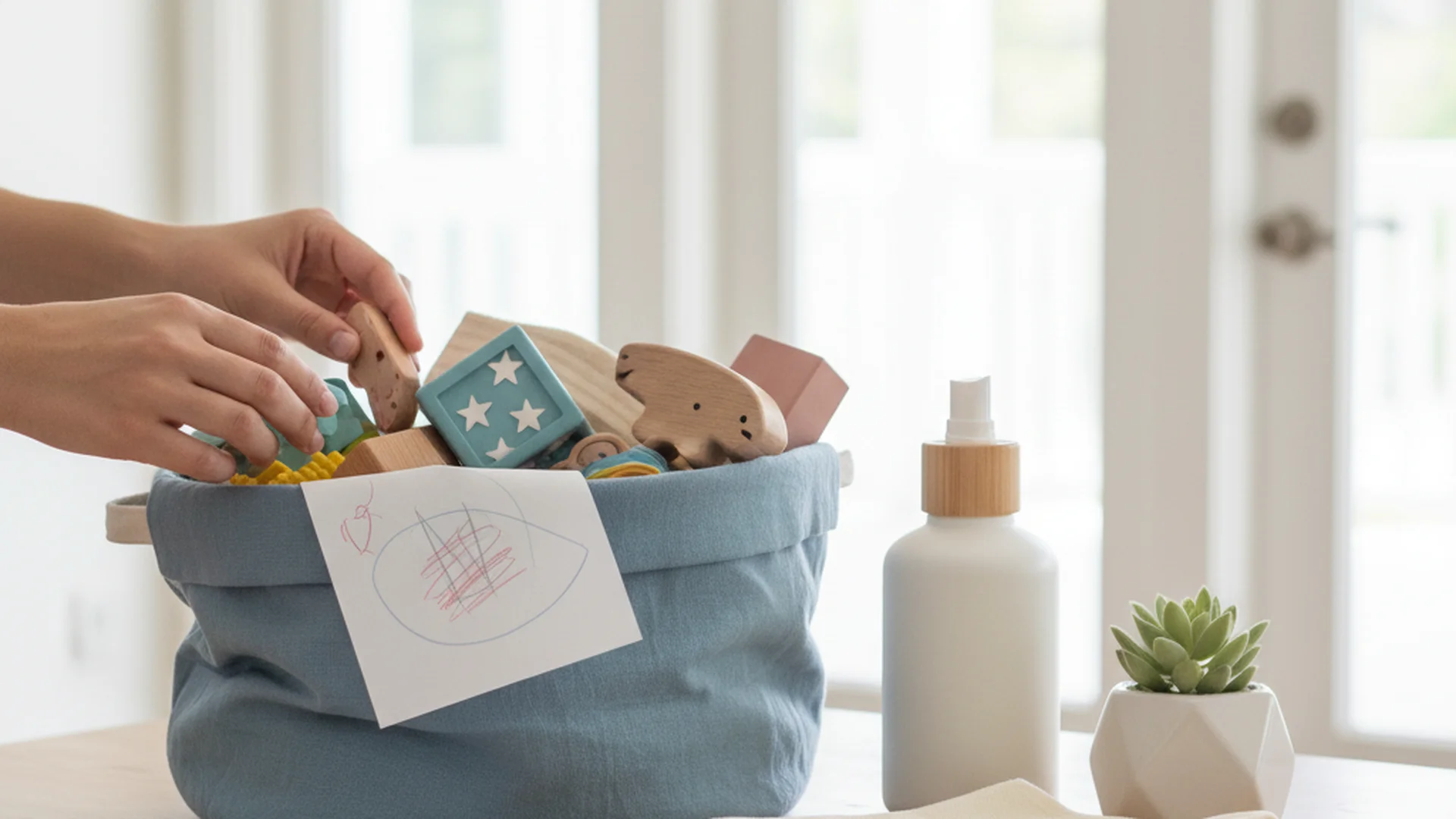
One of the most common questions I receive as a lifestyle editor is: "What do I do with the old trophies and schoolwork?" The answer is the Memory Box method.
- Select one high-quality, durable plastic bin per child.
- Curate only the most precious items that fit within that single bin.
- Digitize the rest—take high-resolution photos of trophies and scan artwork to save on a cloud drive.
Tip: Set a "pick-up deadline" for your children. Let them know they have until a specific holiday (like Thanksgiving or a summer break) to claim what they want. Anything left after that date is fair game for donation or disposal.
The Deep Clean Checklist: Tackling the "Hidden" Grime
Most parents suspect their college-bound children aren't especially prepared to clean on their own, and the evidence is usually waiting in the bedroom: years of accumulated dust and organic waste, tucked out of sight. To achieve the best cleaning after kids leave, you must look where you haven't looked in a decade.
1. The Top-to-Bottom Strategy
Always start at the ceiling and work your way down. This ensures that any dust or debris disturbed from high places is caught during the final floor cleaning.
- Ceiling Fans and Vents: Use the "Pillowcase Hack." Slide an old pillowcase over a fan blade and pull it back; the dust stays inside the bag instead of falling on the carpet.
- Crown Molding: Dust with a microfiber wand.
- Air Vents: Unscrew the grates and vacuum the first few feet of the ductwork. Dust bunnies in vents are a major source of allergens in empty nests.
2. High-Touch and Organic Reset
Children’s rooms are often hotspots for oils and skin cells.
- Walls Behind Beds: You’ll likely find a "shadow" on the wall where the headboard or pillows rested. Use a gentle degreaser to clean these oils before you even think about repainting.
- Door Handles and Light Switches: These are the most neglected areas. Use a heavy-duty disinfectant to reset the hygiene baseline.
3. Floor Restoration
If the room has been carpeted for the duration of their childhood, a standard vacuuming won't suffice.
- Enzyme Cleaners: Use an enzyme-based cleaner for any organic stains (spilled food or old pet accidents). These cleaners "eat" the protein in the stain, removing odors at the molecular level.
- The Under-Furniture Reveal: Professional cleaners often find forgotten food waste and trash hidden behind beds. Be prepared for a "Move-Out" style deep scrub.
Warning: Do not paint over walls until they have been thoroughly cleaned. Painting over dust and oils can lead to peeling and can seal in old odors and allergens.
2025–2026 Tech & Trends: Cleaning as a Ritual
In 2025, the philosophy of home maintenance shifted from "chore" to "ritual." We are no longer just cleaning; we are performing a mindful reset of our lives.
Probiotic Cleaning
A major trend for 2026 is the use of probiotic and bio-based cleaners. Unlike traditional harsh chemicals that kill 99.9% of everything (including the good bacteria), probiotic cleaners leave behind "friendly" bacteria. These microbes stay active on surfaces for up to 72 hours, continuing to break down microscopic grime long after you’ve put the spray bottle away.
AI-Assisted Decluttering
If you’re struggling to visualize how to turn a cluttered bedroom into a sleek home office, technology is here to help. New 2025 apps like InstantDecoAI allow you to snap a photo of the current mess. The AI identifies "excess items" and generates a minimalist layout for your new space, suggesting which pieces of furniture to keep and which to replace.
Sensory-Neutral Spaces
The "Pinterest-perfect" look of the 2010s has been replaced by "sensory-neutral" design. When cleaning and redecorating, homeowners are now choosing earth tones and natural textures like bamboo and jute. This creates a calming, "spa-like" environment that helps mitigate the stress of Empty Nest Syndrome (ENS).
Success: Using probiotic cleaners in a newly emptied room ensures that the space remains fresh and "biologically active" even if the door remains closed for weeks at a time.
Real-World Examples of the "Fresh Start"
Example 1: The Digital Minimalism Shift
The Miller family decided to tackle their son’s room three months after he moved out. Instead of shipping 15 boxes of old high school yearbooks and trophies to his new small apartment, they spent a weekend scanning every page and photo. They kept three physical items. The result? The son felt unburdened, and the Millers turned the room into a reading nook in just one weekend.
Example 2: The Hidden Health Hazard
Sarah, a mother of two, noticed her seasonal allergies improved significantly after she performed a "top-to-bottom" deep clean of her daughters' former rooms. She discovered that the air vents had never been vacuumed, and the dust accumulation was recirculating allergens throughout the entire house.
Example 3: The "Body Doubling" Success
The Lopez family struggled with the emotional weight of cleaning. They used the 2025 trend of "body doubling"—cleaning while on a video call with friends who were also empty-nesting. This social connection turned a sad chore into a productive "cleaning party," making the process feel like self-care rather than a loss.
Common Mistakes to Avoid
- The "Ask Later" Mistake: Never assume your child wants their old belongings. Today's young adults often value digital minimalism over physical clutter. Always ask, but provide that firm deadline we discussed.
- Focusing on Aesthetics Over Hygiene: Many parents are eager to buy new bedding or paint the walls immediately. However, the most important step is the "reset" clean. Deep clean the carpets and air ducts first to avoid sealing in "old house" smells.
- Letting the Room "Die": The biggest psychological mistake is keeping the door closed. A closed door creates a "dead zone" in your home, which can exacerbate feelings of loneliness and stagnation.
- Over-investing in Rigid Storage: In 2026, the trend is toward flexible organizing systems. Use rolling carts and adjustable shelving. Your needs as an empty nester will evolve quickly—don't lock yourself into permanent built-ins yet.
Note: If a room hasn't had a deep scrub in over 10 years, consider hiring a professional for a "Move-Out" style clean. It resets the baseline so you can maintain it easily moving forward.
Repurposing for "You"
The final stage of cleaning after kids leave is the transformation. This is the moment you move from "parent" to "homeowner" again.
- The Wellness Room: Many are turning vacated rooms into home gyms or meditation spaces.
- The "Clutter-Free" Guest Suite: Create a space that feels like a high-end hotel for when your children (or friends) come to visit.
- The Hobby Hub: Whether it’s a craft room, a podcasting studio, or a library, the goal is to make the room serve your current life.
| Feature | Child's Room Version | Empty Nest Version |
|---|---|---|
| Flooring | Stained Carpet | Deep-Cleaned/Area Rugs |
| Walls | Posters/Scuffs | Calming Earth Tones |
| Air | Stale/Dusty | Purified/Probiotic Clean |
| Function | Storage/Sleep | Gym/Office/Hobby |
Frequently Asked Questions
How long should I leave their room exactly as it was?
Is it okay to throw their stuff away?
Should I deep clean myself or hire a professional?
What do I do with sentimental items I can't throw away?
Conclusion
Cleaning your home after the kids leave is the final act of a long chapter and the first act of a new one. By following a structured, top-to-bottom cleaning method and embracing modern trends like probiotic cleaners and AI-assisted decluttering, you can transform your home into a space that reflects your current needs. Remember, a "clean nest" isn't just about hygiene—it's about mental clarity, renewal, and making room for the person you are becoming in this next phase of life.
Cleaning that keeps score
Every task earns points, every streak multiplies them, and Premium adds a household leaderboard plus a monthly Dustagorgon to beat.
- Free forever
- 30 badges to earn
- Up to 6 in a household
No card needed. Set up your rooms in a couple of minutes.