In this article
What you’ll learn
- Move from marathon cleaning to 10-minute micro-cleaning bursts.
- Utilize AI-driven apps to manage chores based on daily energy levels.
- Prioritize "good enough" over "Pinterest-perfect" to protect mental health.
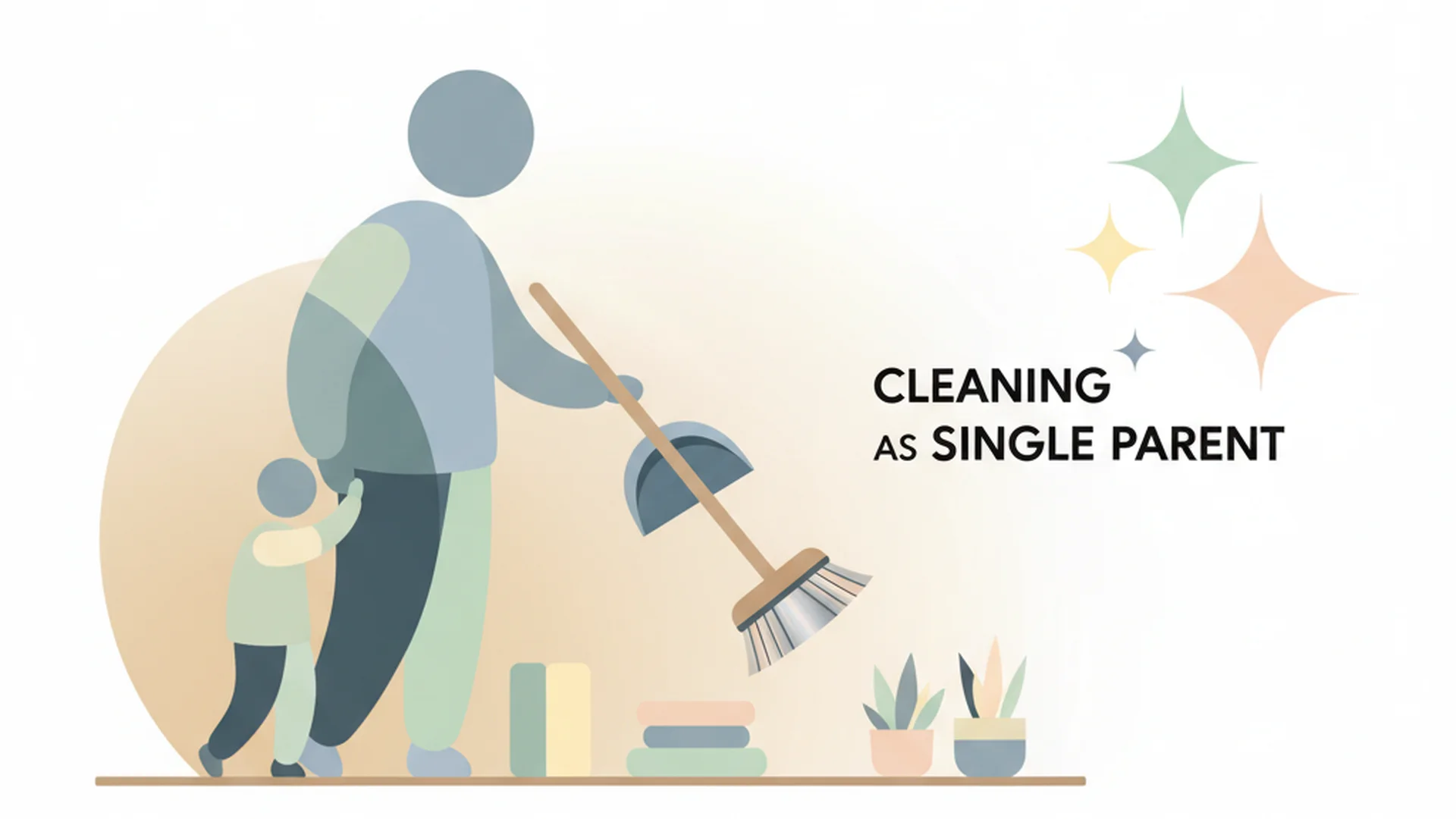
For many, the idea of a pristine home is a relaxing thought. But when you are cleaning as a single parent, that thought can quickly turn into a source of overwhelming stress. Between balancing a career, managing school schedules, and finding quality time to actually connect with your children, the vacuuming often falls to the bottom of a very long to-do list. You aren't just the primary caregiver; you are the Chief Executive Officer, the janitorial staff, and the maintenance crew all rolled into one.
In 2025, the "perfection" myth is finally being dismantled. Across the many single-parent households out there, the conversation has shifted from "how to have a perfect home" to "how to have a functional, happy home." This guide is designed to help you navigate the unique challenges of maintaining your space without sacrificing your sanity. By implementing strategic cleaning single parent tips and modern cleaning single parent hacks, you can transform your home from a source of anxiety into a sanctuary.
The Reality of the Single-Parent Household
To manage a home effectively, we first have to acknowledge the scale of the task. Recent research from 2025 indicates that single parents spend an average of nine hours a day juggling childcare and housework. For those also pursuing an education, an additional two hours daily is often dedicated purely to domestic maintenance.
Interestingly, the "Household Paradox" suggests that single mothers actually spend less time on housework than married mothers. This isn't because they are less clean; it’s because they have successfully shed the "social accountability" of performing for a partner or meeting outdated societal expectations. In a single-parent home, the priority shifts toward survival and meaningful interaction.
Note: If your home feels chaotic, remember that a great many people struggle with cleaning motivation. You are not failing; you are managing a high-demand environment with limited resources.
The Shift to Micro-Cleaning: Quality Over Quantity
The biggest mistake any single parent can make is the "Saturday Deep Clean." Devoting your only full day off to six hours of scrubbing leads to resentment and physical exhaustion. Instead, the most effective cleaning single parent hacks involve "micro-cleaning."
The "One Hotspot a Day" Method
Instead of looking at the whole house, identify the "hotspots"—the areas that cause the most visual clutter or functional stress. This might be the kitchen island, the entryway shoe rack, or the coffee table. Commit to exactly 5–10 minutes on that one spot. When the timer goes off, you stop. This prevents the "all-or-nothing" burnout that stops most parents from starting in the first place.
The 15-Minute Morning Reset
Waking up just 15 minutes before your children can change the entire trajectory of your day. Use this quiet window to:
- Empty the dishwasher so dirty dishes don't pile up in the sink.
- Clear the kitchen counters.
- Start a load of laundry.
Success: Starting the day with clear surfaces reduces cortisol levels and helps you feel "ahead" of the chaos before the kids even wake up.
Age-Appropriate Delegation: Turning Kids into Teammates
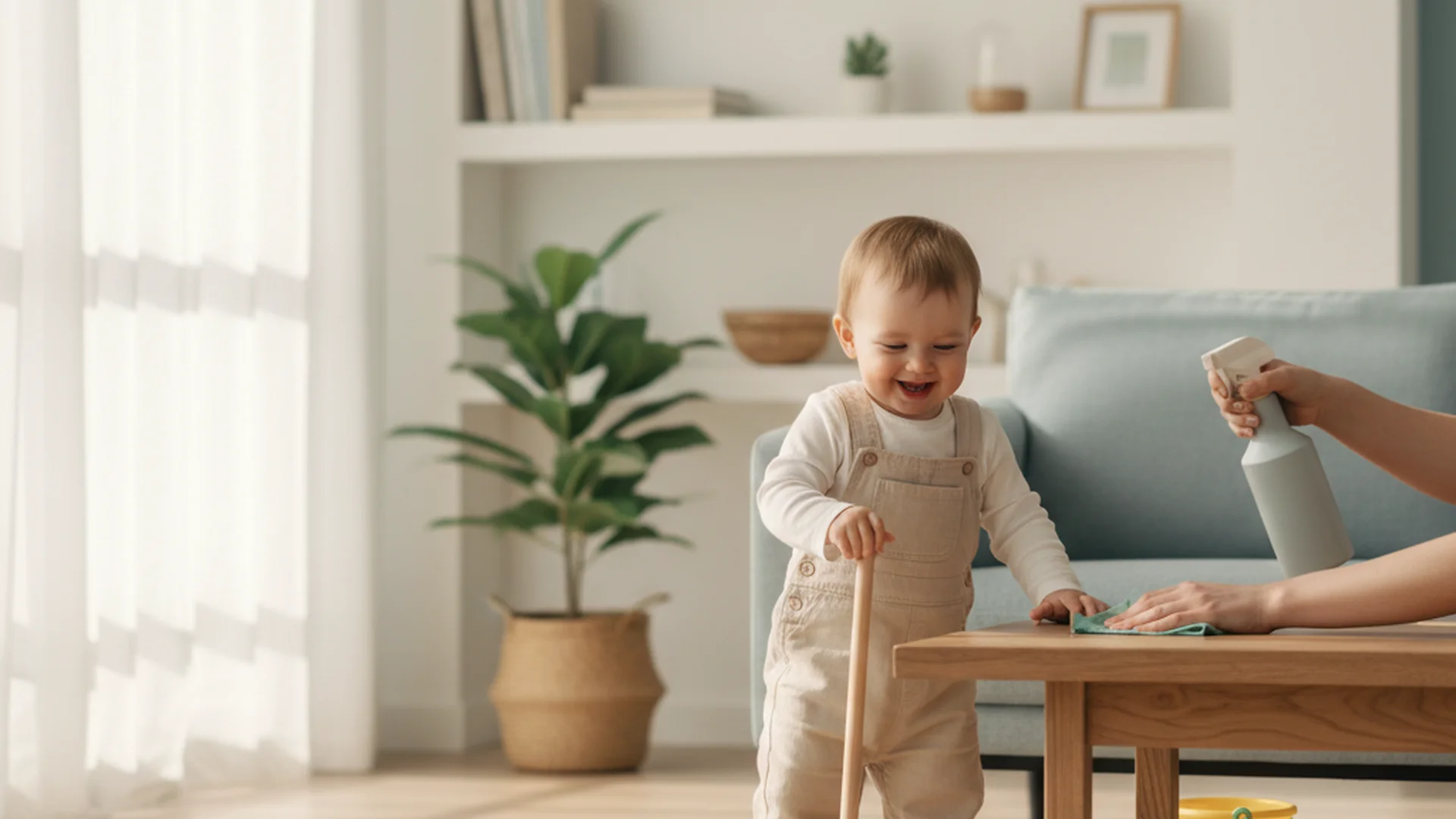
One of the most frequent questions I receive is: "At what age can my kids actually help without making a bigger mess?" The truth is, even toddlers can contribute. While it may take longer to teach them initially, the long-term payoff for your schedule is immense.
| Child’s Age | Appropriate Tasks | Parental Role |
|---|---|---|
| 2–3 Years | Putting toys in bins, placing clothes in hampers | Direct Supervision |
| 4–6 Years | Sorting laundry by color, wiping low surfaces | Instruction & Check-in |
| 7–10 Years | Emptying dishwasher, feeding pets, vacuuming | Minimal Supervision |
| 11+ Years | Cleaning bathrooms, simple meal prep, trash | Accountability Partner |
Tip: Use a "chore swap" system. If your teenager hates vacuuming but doesn't mind loading the dishwasher, let them lean into their preferences. It reduces friction and ensures the job actually gets done.
Real-World Examples: Success Stories from the Field
To see how these strategies work in practice, let's look at three single parents who revamped their approach in 2025.
Example 1: Sarah, the Full-Time Nurse
Sarah has two toddlers and works 12-hour shifts. She struggled with "supply fatigue"—the exhaustion of gathering cleaning supplies from the garage every time she saw a mess. She implemented the Caddy System. She placed a small cleaning caddy under every sink (kitchen and both bathrooms) with all-purpose cleaner and microfiber cloths. Now, she "cleans in the cracks" of her day—wiping the sink while the kids brush their teeth.
Example 2: David, the Work-From-Home Dad
David found the "mental load" of remembering when to change filters or scrub the fridge overwhelming. He started using an AI-driven home management app. The app tracks his "busy" days via his digital calendar and automatically pushes non-essential chores to his lighter work days. If he has a high-stress week, the AI suggests "Low-Energy Tasks" only.
Example 3: Maria, the Student-Parent
Maria lives in a small apartment and felt the house was closing in on her while she studied. She adopted the "Clear as You Go" rule during meal prep and "Silent Cleaning" as a form of meditation. By using aromatherapy-scented probiotic cleaners, she turned her 10-minute nightly tidy-up into a sensory reset that signaled the end of her "work/school" brain and the start of "rest" time.
2025-2026 Trends: The Future of Home Management
The landscape of cleaning is changing. As a single parent, you can leverage these trends to save time and money.
AI and Adaptive Schedules
Apps like Sweepy or Tody have evolved in 2025 to become truly adaptive. They no longer just remind you to mop; they analyze how many people are in the house and how much energy you've reported having, then adjust the schedule accordingly. This removes the "decision fatigue" of deciding what to clean.
Probiotic Cleaning
There is a major shift away from harsh, "sterilizing" chemicals. Probiotic cleaners are trending because they leave beneficial bacteria on surfaces that continue to "eat" dirt and pathogens for days after you wipe. This means you can actually clean less frequently while maintaining a healthier microbiome in your home.
The "Cleaning as Self-Care" Movement
On social media platforms like CleanTok, cleaning is being rebranded. Instead of a chore, it's treated as a "mental reset." Using "silent cleaning" (cleaning without music or podcasts to enjoy the quiet) or high-end aromatherapy sprays can make the process feel like a gift to yourself rather than a demand from the house.
Warning: Be wary of "Product Overload." 2026 trends emphasize "refill-and-simplify." One good concentrate can replace ten different plastic bottles under your sink, saving you money and cabinet space.
Common Mistakes to Avoid
Even with the best intentions, it is easy to fall into traps that increase your workload.
- The "Saturday Deep Clean" Trap: As mentioned, this kills your weekend. Spread it out.
- Neglecting Preventative Maintenance: In 2025, repair costs have skyrocketed. Failing to change your HVAC filter or clean your dryer vent can lead to a $500 repair bill that a single income doesn't need. Put these on your digital calendar.
- The Perfectionism Tax: Trying to make your home look like a Pinterest board is a waste of your most precious resource: time. Aim for "hygienic and functional."
- Over-Cleaning: If a surface is clean, stop scrubbing. Experts warn that many people over-clean out of habit, wasting 20-30 minutes a day on areas that are already sanitary.
- Refusing to Ask for Help: Whether it’s a "chore swap" with another single parent (you watch the kids, they help you fold four loads of laundry) or hiring a local teenager for two hours a month, outsourcing is a sign of resourcefulness, not failure.
Frequently Asked Questions
How do I clean when I work full-time and have no help?
Is it okay to just let the house be messy?
How do I manage the "mental load" of remembering everything?
What are the best cleaning single parent hacks for laundry?
Conclusion: Embracing the "Good Enough" Home
Cleaning as a single parent is not about achieving a spotless house; it’s about creating a space where you and your children can thrive. By using cleaning single parent tips like the caddy system and embracing 2026 trends like AI management and probiotic cleaners, you can reduce the time spent on chores and increase the time spent on yourself.
Remember, your children won't remember the dust on the baseboards, but they will remember the parent who had the energy to play with them because they weren't exhausted from over-cleaning. Aim for a managed home, not a perfect one.
Success: By implementing just two of the strategies in this guide—like the 15-minute morning reset and the hotspot method—you can reclaim up to 5 hours of your week.
Cleaning that keeps score
Every task earns points, every streak multiplies them, and Premium adds a household leaderboard plus a monthly Dustagorgon to beat.
- Free forever
- 30 badges to earn
- Up to 6 in a household
No card needed. Set up your rooms in a couple of minutes.