In this article
What you’ll learn
- Most surgical site infections show up after the patient is home, not in hospital.
- The first 48 hours are the most critical window for environmental control.
- Hospital-grade disinfectants and HEPA filtration are essential for 2025 home recovery.
Returning home after an operation is a major milestone in the healing process, but it also marks the beginning of a high-risk period. While hospitals are controlled environments, your home is a living ecosystem of bacteria, dust, and potential pathogens. Most surgical site infections (SSIs) are diagnosed after the patient has been discharged, not on the ward. This makes the protocols for cleaning after surgery not just a matter of tidiness, but a critical component of your medical recovery plan.
Properly maintaining your environment can be the difference between a smooth recovery and a costly readmission. A clean, well-maintained recovery space gives your body a much easier job than a neglected one. As a cleaning consultant, I have seen how a few strategic changes to your home maintenance routine can drastically lower your risk profile.
The Critical Window: Why the First 48 Hours Matter
The first 48 hours after you arrive home are the most vital for wound environment control. During this time, your body is in an acute inflammatory phase, and your immune system is heavily taxed. Improper hygiene during this window is a leading cause of preventable readmissions, which can prolong hospital stays by nearly 10 days and increase healthcare costs by over $20,000.
Implementing the WHO "5 Moments" at Home
One of the most effective cleaning after surgery tips involves bringing clinical standards into the home. The World Health Organization (WHO) "5 Moments for Hand Hygiene" should be practiced by everyone in the household:
- Before touching the patient or their dressings.
- Before any clean/aseptic procedure (like changing a bandage).
- After body fluid exposure risk.
- After touching the patient.
- After touching the patient's immediate surroundings (bedside table, remote).
Success: Strict hand-washing protocols are one of the simplest and most powerful ways to lower infection risk in a home-care setting.
Preparing the Recovery "Command Center"
The best way to manage cleaning after surgery is to start before you ever go under the knife. I call this the "Pre-Op Deep Clean." You want to sanitize the home 24 hours before your procedure so that you return to a baseline of clinical cleanliness.
The Microfiber Advantage
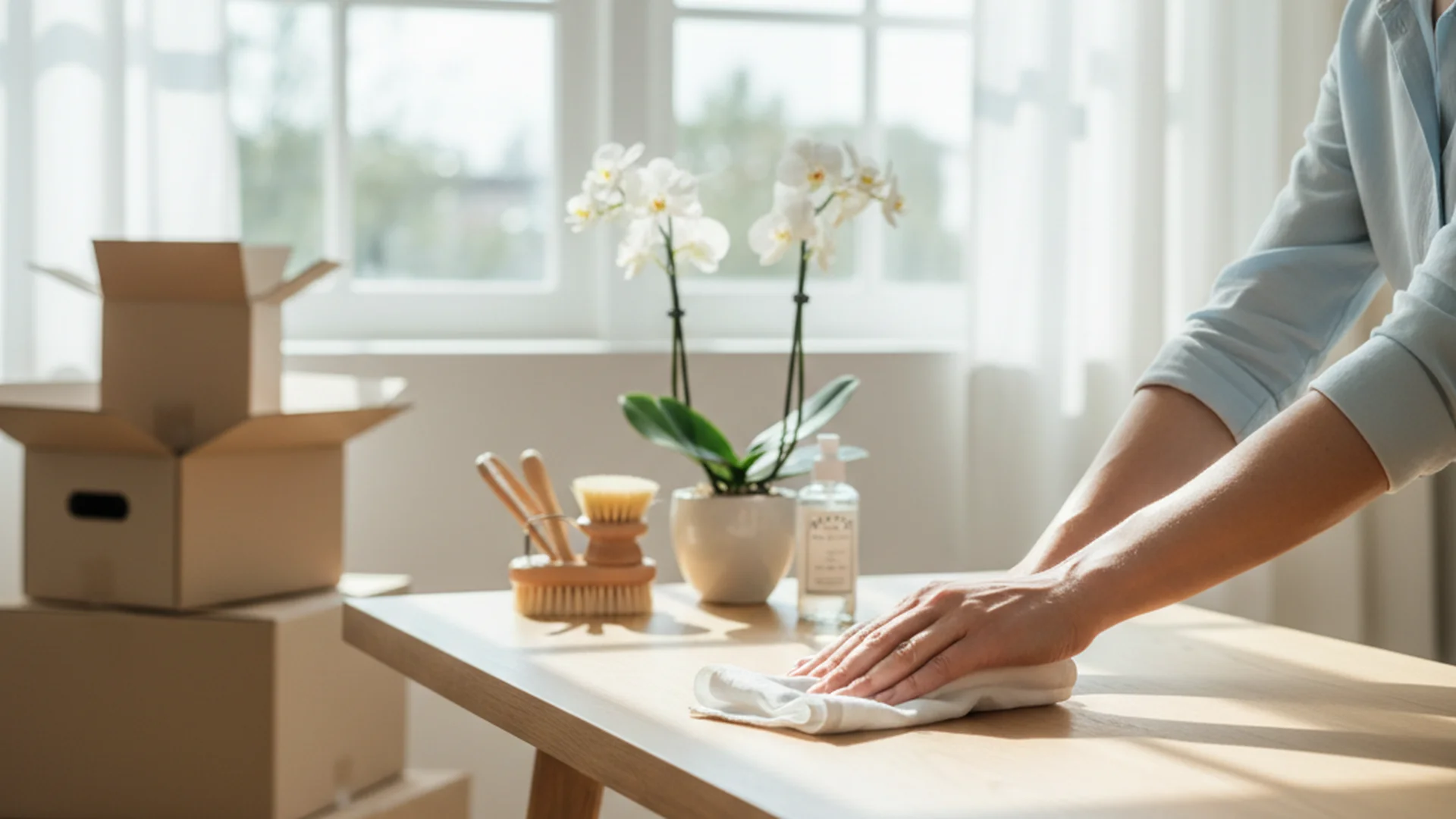
In 2025, we have moved away from traditional cotton rags. Modern recovery plans emphasize the use of microfiber cloths for all dusting and surface wiping. Microfiber is engineered to trap up to 99% of bacteria and dust, whereas traditional cloths often just move pathogens around. For a patient with a weakened immune system, reducing the "dust load" in the recovery room is essential to prevent airborne particles from settling on an incision.
Setting Up the Space
- Sanitize High-Touch Items: Door handles, light switches, and the TV remote should be wiped with hospital-grade disinfectant.
- Fresh Linens: Change all bed linens the night before surgery. Use high-thread-count cotton that can be washed at high temperatures.
- Clear the Floor: Remove any rugs or clutter that could be a trip hazard or a trap for pet dander.
Tip: Use an air purifier with a HEPA filter in the recovery room. This removes airborne pathogens that are invisible to the eye but dangerous to an open wound.
Modern Cleaning After Surgery Hacks for 2025
Technology has changed how we handle post-operative hygiene. From AI to UV light, these "hacks" make it easier for patients to stay safe without physical overexertion.
AI and Smart Home Integration
A major trend for 2026 is the integration of AI-driven robot vacuums and mops into recovery plans. Patients can now use voice commands—"Alexa, clean the bedroom"—to maintain floor hygiene without having to bend or push a heavy vacuum. This prevents the physical strain that often leads to internal suture ruptures.
UV-C Sanitization Wands
For items that cannot be washed with liquid disinfectants, such as smartphones or tablets, portable UV-C LED wands are a 2025 staple. These devices use ultraviolet light to break down the DNA of bacteria and viruses in seconds.
Example: A patient recovering from knee surgery uses a UV-C box to sanitize their phone every evening. Since phones are notorious carriers of MRSA, this simple 60-second "hack" keeps their hands clean before they accidentally touch their bandages.
Electrolyzed Water (HOCl)
2026 trends show a massive shift toward electrolyzed water (HOCl) generators for home use. You can create a powerful, non-toxic disinfectant using just salt, water, and electricity. It is 100 times more effective than bleach but safe enough to breathe, making it ideal for patients who may have respiratory sensitivity after general anesthesia.
Managing Household Chores During Recovery
The most common question I get is: "When can I start cleaning my house again?" The answer is usually longer than you think. Most surgeons recommend avoiding moderate to heavy household chores like vacuuming, mopping, or heavy laundry for at least 2–4 weeks.
The "20/10" Recovery Method
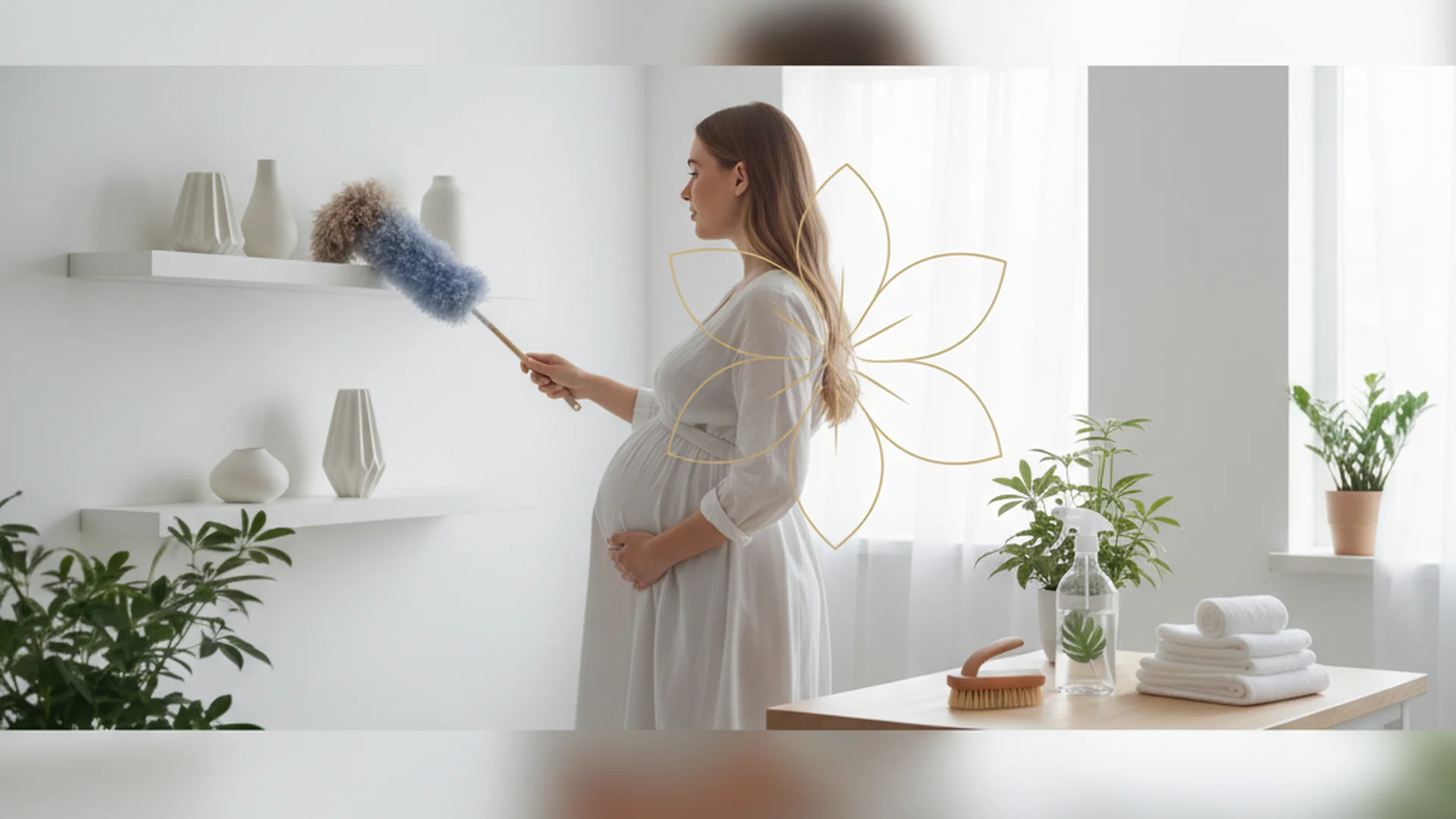
As you enter the later stages of recovery (usually week 3 or 4), use the 20/10 recovery hack. This involves 20 minutes of light activity—such as organizing a drawer or light dusting—followed by 10 minutes of horizontal rest. This prevents the "burst of energy" trap where patients overextend themselves and suffer a setback.
Warning: Never attempt "below-the-waist" cleaning, such as scrubbing toilets or bathtubs, during the first month. These movements place immense pressure on abdominal and spinal incisions.
| Task Category | Recommended Wait Time | Alternative Solution |
|---|---|---|
| Light Dusting | 1 Week | Microfiber Duster |
| Laundry | 3-4 Weeks | Delegate/Wash-Fold Service |
| Vacuuming | 4 Weeks | Robot Vacuum |
| Scrubbing Tubs | 6 Weeks | Professional Service |
Incision Care vs. Environmental Cleaning
There is a big difference between cleaning your house and cleaning your body. Both are essential, but the methods differ.
How to Properly Clean an Incision
Current medical standards for 2025 have moved away from harsh chemicals. You should use mild, fragrance-free soap and water or a sterile saline solution.
- Never scrub: Scrubbing destroys new skin cells and creates micro-tears.
- Pat dry: Use a fresh, lint-free towel for every cleaning.
- Moisture balance: For open wounds, keep the area moist and covered as per the "moist wound healing" protocol, which prevents bacteria from entering through dry cracks in the skin.
Note: Hydrogen peroxide is no longer a routine part of wound care. It can be "cytotoxic," meaning it kills the healthy cells trying to bridge your wound. Use it only if specifically directed by your surgeon.
Common Mistakes to Avoid
Even with the best intentions, many patients make errors that compromise their safety.
- Scrubbing the Incision: As mentioned, many believe "vigorous" cleaning is more hygienic. It actually stalls healing.
- The "False Recovery" Chore: Feeling a burst of energy 5 days post-op is common. Many patients use this energy to vacuum the house, leading to hernias or dehiscence (wound opening).
- Using Only "Natural" Cleaners: While vinegar and lemon are great for eco-friendly living, they are not sufficient for a post-surgical environment. For the first 30 days, you need EPA-registered disinfectants that can kill hospital-acquired infections like Staph.
- Neglecting Bedding: Dead skin cells accumulate rapidly. In a post-surgical home, bed linens should be changed every 2–3 days.
- Letting Pets in the Bed: As much as we love our pets, their fur and dander are significant infection risks for fresh incisions. Keep pets off the recovery furniture for at least two weeks.
Example: A patient recovering from abdominal surgery felt great on Day 6 and decided to do two loads of laundry. The lifting and twisting caused a minor internal bleed that required an emergency clinic visit. This highlights why delegation is mandatory.
Frequently Asked Questions
When can I start cleaning my house?
Is it okay to "let the wound breathe"?
When can I shower after surgery?
Should I use hydrogen peroxide to keep the area sterile?
What is the best disinfectant for my home during recovery?
Conclusion
Cleaning after surgery is a delicate balance between maintaining a sterile environment and allowing your body the rest it needs to knit back together. By preparing your "Command Center" in advance, utilizing 2025 technologies like HEPA filters and HOCl generators, and strictly delegating heavy labor, you create a sanctuary for healing. Remember, your primary job during recovery is not to be a housekeeper—it is to be a patient.
Success: By following these protocols, you significantly reduce the risk of infection and set the stage for a complication-free return to your normal life.
Cleaning that keeps score
Every task earns points, every streak multiplies them, and Premium adds a household leaderboard plus a monthly Dustagorgon to beat.
- Free forever
- 30 badges to earn
- Up to 6 in a household
No card needed. Set up your rooms in a couple of minutes.