In this article
What you’ll learn
- Prioritize a 'hygienic, not sterile' environment to support immune development.
- Never spray cleaners directly; apply to cloths first to protect baby’s respiratory health.
- Use 15-minute cleaning bursts rather than marathon sessions to manage exhaustion.
Bringing a new baby home is a transformative experience, but it often brings a unique kind of "cleaning anxiety." You want your home to be a pristine sanctuary for your little one, yet the sheer exhaustion of early parenthood makes a deep clean feel impossible. Navigating the world of cleaning with a newborn requires a delicate balance between maintaining high hygiene standards and preserving your own mental health. In 2025, we are seeing a major shift toward safer, smarter, and more sustainable home care that prioritizes the baby’s developing systems over old-school "bleach-everything" mentalities.
The New Parent Cleaning Paradox
The challenge of cleaning with newborn demands is that your standards for cleanliness often skyrocket just as your available energy hits an all-time low. Research shows that newborns are particularly vulnerable to their environment. A newborn takes about 40–60 breaths per minute—nearly triple the rate of an adult. This means they inhale significantly more indoor air pollutants, including aerosolized cleaning chemicals, than we do.
Furthermore, with acute poisoning from household chemicals contributing to approximately 45,000 child deaths globally every year, the stakes for choosing the right products have never been higher. The goal isn't to create a laboratory-sterile environment, but rather a safe, "hygienic" space where your baby can thrive.
The Safety First Checklist: Non-Negotiable Rules
Before you pick up a sponge, you need to audit your cleaning cabinet. The best cleaning with newborn strategy starts with removing hazards.
The "Cloths, Not Sprays" Rule
One of the most vital cleaning with newborn tips from pediatricians is to stop spraying. When you use a spray bottle, the mist lingers in the air. Given the high respiratory rate of infants, these particles are easily inhaled. Instead, apply your cleaner directly to a microfiber cloth away from the baby, then wipe the surface.
Avoiding Harsh Volatiles
Bleach and ammonia are the traditional titans of cleaning, but they have no place in a newborn’s nursery. These chemicals release Volatile Organic Compounds (VOCs) that can irritate a baby’s sensitive lungs and skin. In 2025, the trend has shifted toward bio-based formulations and "Safer Choice" certified products that offer professional-grade disinfection without the toxic fumes.
Warning: Never mix cleaning products. Specifically, mixing bleach with ammonia or vinegar can create toxic gases that are lethal in enclosed spaces like bathrooms or small nurseries.
Managing New Textiles
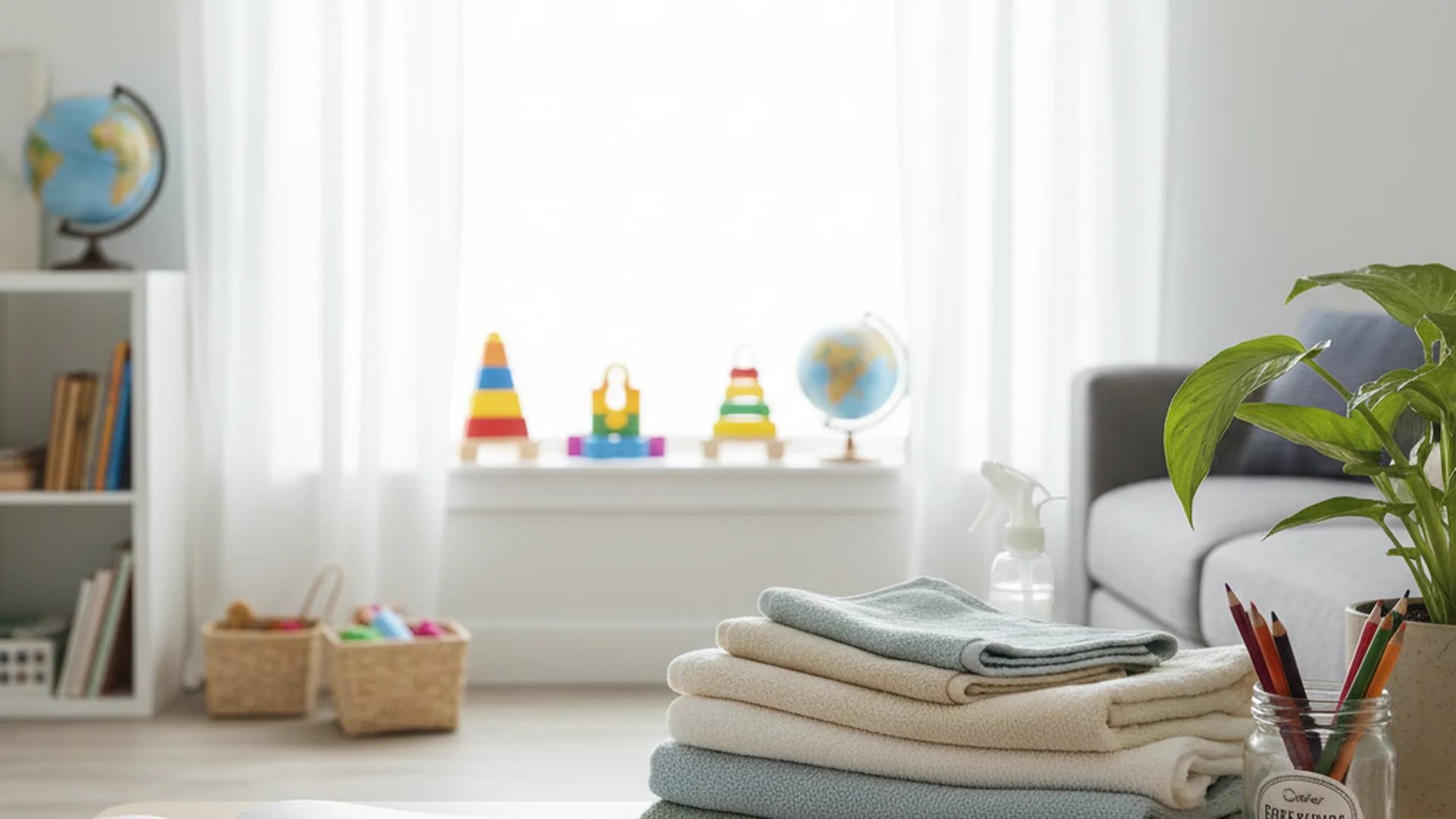
It is a common mistake to put new baby clothes or blankets straight into the crib. Most new fabrics contain chemical residues from the manufacturing and shipping process designed to prevent wrinkling or mold. Always wash new items using fragrance-free, hypoallergenic detergents before they touch your baby’s skin.
High-Impact Areas: Where to Focus Your Energy
When you are sleep-deprived, you cannot clean the whole house. You must focus on high-touch zones that impact your baby’s health directly.
The Changing Station
The changing table is the highest-risk area for bacteria. However, you don't need heavy chemicals here. A simple solution of hydrogen peroxide-based cleaner or a baby-safe disinfectant wipe is sufficient. Wipe the mat after every "messy" change and perform a full wipe-down daily.
Kitchen Surfaces and Bottle Prep
If you are bottle-feeding or pumping, the kitchen becomes a high-traffic zone for baby gear. Ensure the area where you prep bottles is sanitized. Use a "microbiome-friendly" cleaner that doesn't leave toxic residues that could migrate into the baby’s milk.
Floors and Play Mats
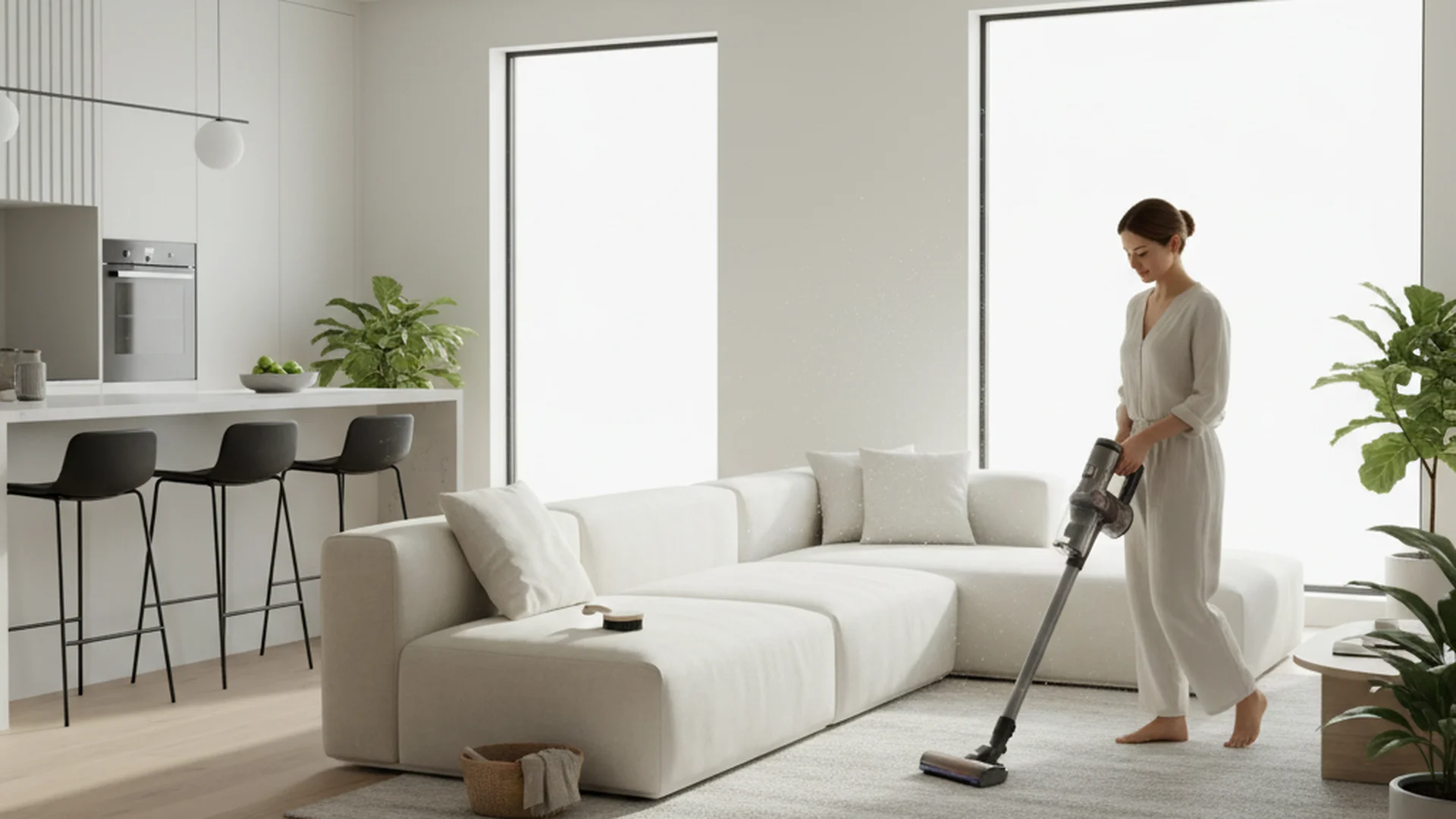
As your baby grows, the floor becomes their primary world. Using a vacuum with a HEPA filter is essential. Standard vacuums often suck up dust and blow smaller allergens back out into the air. A HEPA filter captures 99.97% of dust, pet dander, and pollen, keeping the air quality high for a baby who spends most of their time just inches from the carpet.
Note: HEPA filters should be replaced every 6 to 12 months, especially in homes with pets, to maintain air quality.
| Area | Frequency | Recommended Cleaner |
|---|---|---|
| Changing Mat | After each use | Baby-safe wipes |
| Nursery Floor | 2x Weekly | HEPA Vacuum / Steam Mop |
| Crib Rails | Daily | Water-dampened microfiber |
| Bottle Prep Area | Daily | Plant-based degreaser |
The 15-Minute Burst Method
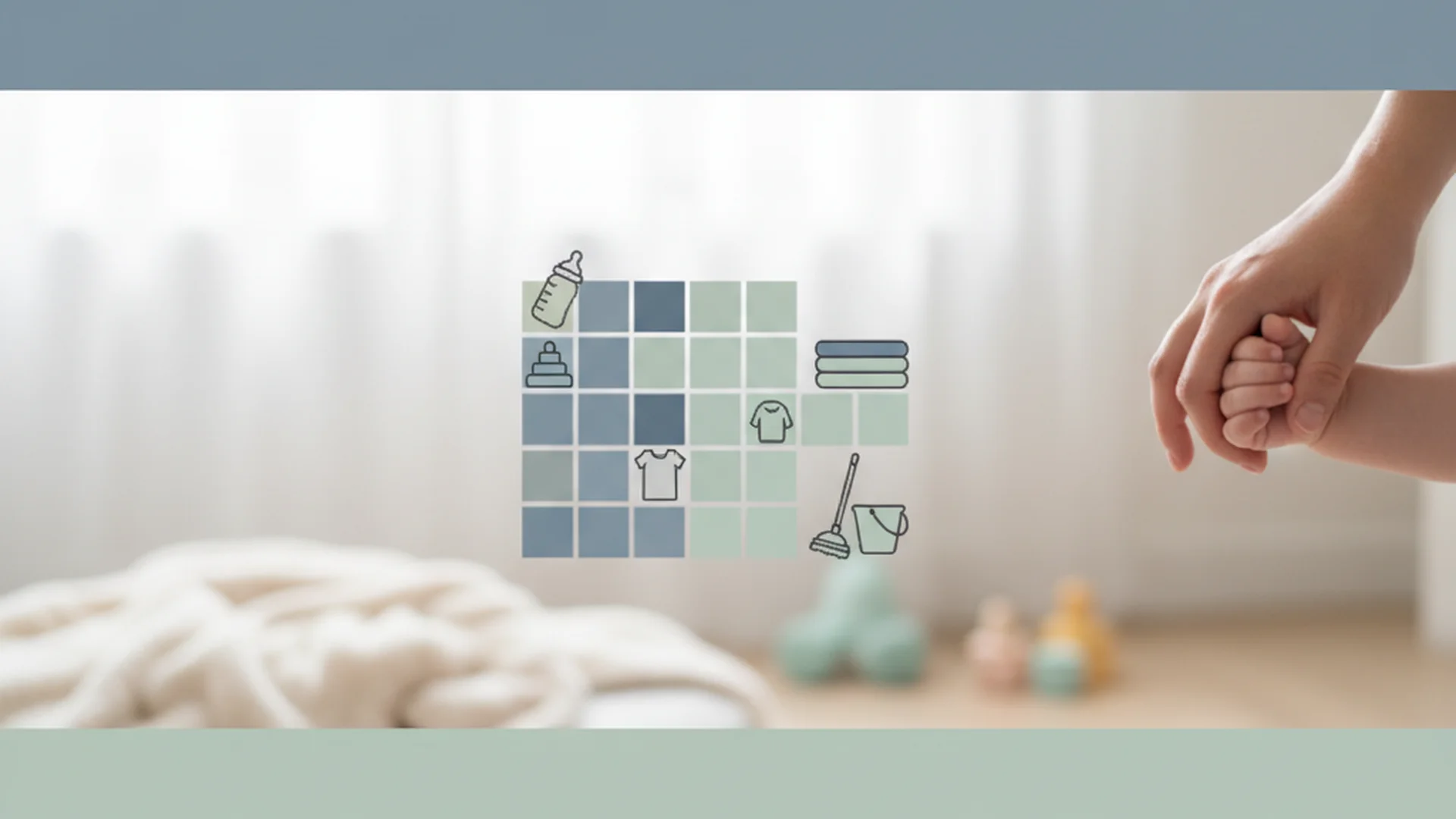
Marathon cleaning sessions are a thing of the past. The most sustainable way to maintain a home while cleaning with a newborn is the "15-minute burst." Research shows that for sleep-deprived parents, setting a timer for a short period is far more effective and less overwhelming than trying to tackle a whole room.
Real-World Example: The Nap-Time Dash
When the baby finally falls asleep, the temptation is to do everything. Instead, choose one "burst" task:
- The Laundry Cycle: Focus only on gathering, starting, or folding one load of baby clothes.
- The High-Touch Wipe: Spend 15 minutes wiping doorknobs, light switches, and remote controls.
- The Floor Clear: Pick up items off the floor so your robot vacuum can run safely.
Tip: Use a baby carrier for "light" cleaning like dusting or tidying. It keeps the baby close and calm while leaving your hands free, but avoid using any chemicals or doing heavy lifting while babywearing.
2026 Tech & Trends: Cleaning Smarter
The cleaning landscape of 2025-2026 is dominated by technology and biology. New parents today have access to tools that make maintenance almost effortless.
Probiotic Cleaning
A major trend is the shift toward probiotic cleaners. Unlike traditional disinfectants that kill 99% of all bacteria (including the good ones), probiotic cleaners use live, beneficial bacteria to "eat" the organic matter that bad bacteria feed on. These products continue to work for up to 72 hours after application, creating a protective "microbiome" on your surfaces.
Smart Home Automation
AI-powered robotic mops and vacuums have evolved. The latest models feature "Quiet Modes" specifically designed for homes with sleeping infants. They can be programmed to avoid the nursery while the baby is napping and focus on the kitchen and living room instead.
Eco-Refill Systems
Concentrated tablets and pods—where you just add water to a glass bottle—are becoming the standard. This reduces plastic waste and ensures you aren't paying for the shipping of water, lowering the carbon footprint of your nursery.
Common Mistakes to Avoid
Even with the best intentions, it is easy to make mistakes that could impact your home's air quality or your baby's health.
- The "Natural Equals Safe" Myth: Many parents assume that any "natural" cleaner is safe. However, many natural products contain essential oils like tea tree, eucalyptus, or peppermint. These can be toxic or cause respiratory distress in newborns if not properly diluted. Always look for "Baby-Safe" or "Hypoallergenic" labels.
- Over-Sanitizing: The "hygiene hypothesis" suggests that over-sterilizing an environment can prevent a child's immune system from developing properly. Aim for "clean," not "sterile."
- Neglecting the HVAC: Parents often scrub every inch of the floor but forget the air filters. Change your HVAC filters every 90 days to prevent mold and dust from circulating directly into the nursery.
- Using Scented Products: Synthetic fragrances (often labeled as "parfum") are a leading cause of skin irritation. In 2026, the trend is moving toward flameless, water-based essential oil diffusers or hypoallergenic scent pods rather than candles or aerosol air fresheners.
Success: Transitioning to fragrance-free and plant-based products often results in fewer skin rashes and better sleep quality for both baby and parents.
Frequently Asked Questions
How clean does my house actually need to be?
Is bleach safe to use around a newborn?
How often should I clean the nursery?
Can I clean while babywearing?
Do I need to wash new baby clothes before the first use?
Conclusion
Cleaning with a newborn is less about achieving perfection and more about managing risks. By prioritizing high-touch areas, switching to non-toxic "cloth-first" cleaning methods, and embracing the 15-minute burst, you can maintain a healthy home without burning out. Remember that in the first few months, your baby needs a rested parent more than they need a spotless baseboard. Embrace the "clean enough" mindset and use the technological advancements of 2026—like probiotic cleaners and AI vacuums—to do the heavy lifting for you.
Cleaning that keeps score
Every task earns points, every streak multiplies them, and Premium adds a household leaderboard plus a monthly Dustagorgon to beat.
- Free forever
- 30 badges to earn
- Up to 6 in a household
No card needed. Set up your rooms in a couple of minutes.