In this article
What you’ll learn
- Cleaning time can be reduced by 30–50% after kids move out.
- Focus shifts from "disaster management" to "preservation and air quality."
- Guest rooms require specific monthly maintenance to prevent air quality issues.
When the last box is packed and the kids have officially moved out, your home undergoes a fundamental shift. The silence is often accompanied by a realization: the house stays cleaner for much longer. However, this transition brings up a common question for homeowners: what is the ideal empty nesters cleaning frequency? Without the constant traffic of children, pets, and sports gear, the "rules" of home maintenance change. You are no longer managing daily disasters; you are preserving a long-term investment.
The New Reality of the Empty Nest
For decades, your cleaning schedule was likely dictated by school runs, muddy shoes, and kitchen spills. Couples without children now make up a growing share of American households. This shift has birthed the "maintenance-lite" lifestyle, where the focus moves from reactive scrubbing to proactive preservation.
The empty nesters cleaning frequency answer isn't simply "less often," but rather "differently." While you can certainly spend less time on laundry and floor scrubbing, you must pay closer attention to things that were previously overlooked, such as indoor air quality and deep mechanical maintenance.
Note: While daily debris decreases, the EPA notes that indoor air can be 2 to 5 times more polluted than outdoor air. For empty nesters, focusing on dust and HVAC systems is more critical for health than surface aesthetics.
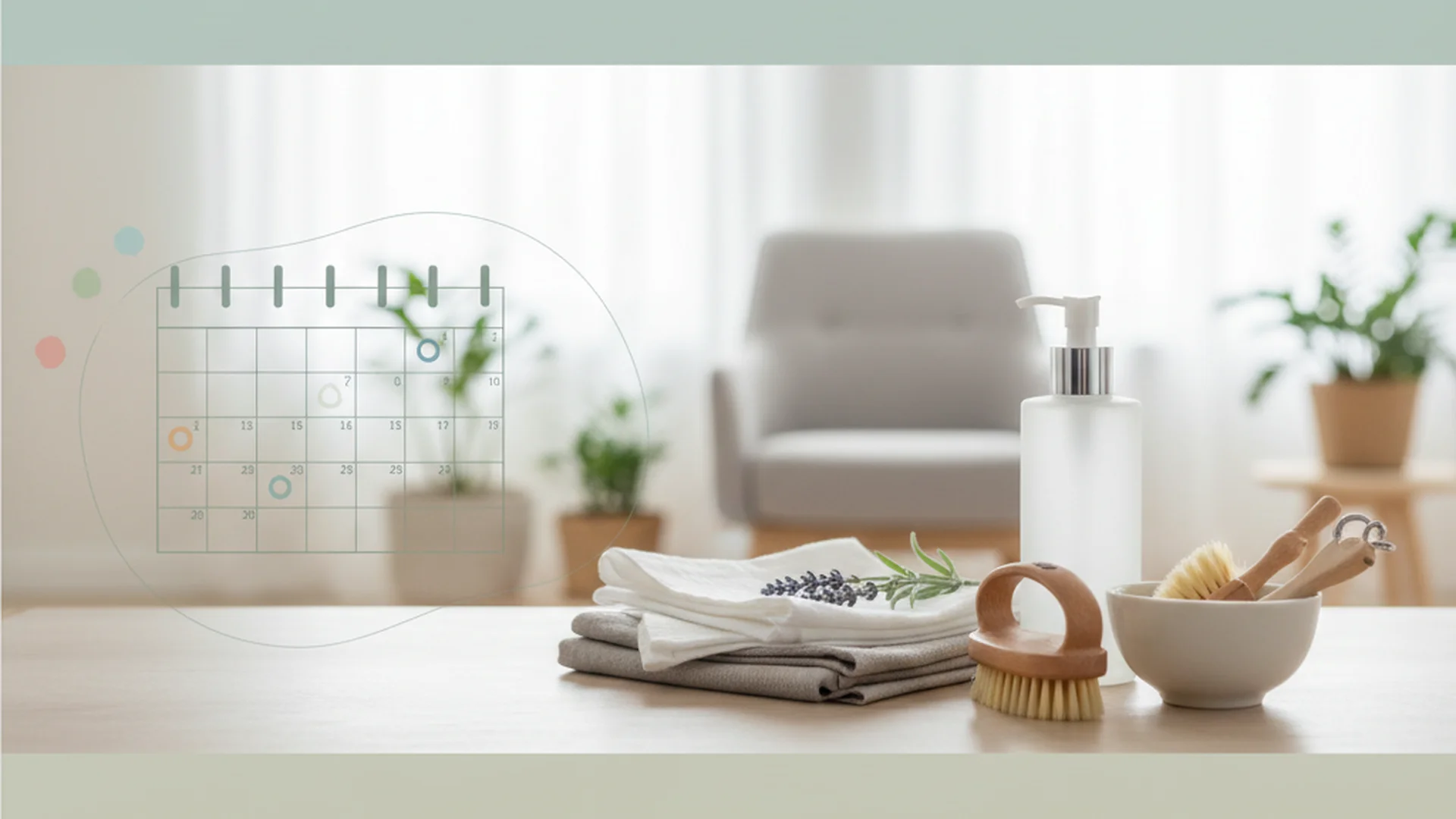
A Tiered Frequency Approach for 2025
To keep your home in peak condition without spending your retirement years tethered to a vacuum, experts recommend a "tiered" approach. This ensures that high-traffic zones stay fresh while low-traffic areas don't become stagnant.
| Frequency | Tasks | Focus Area |
|---|---|---|
| Daily (10 mins) | Wipe kitchen counters, "put away, don’t put down" | Common Areas |
| Weekly | Vacuum main living areas, clean primary bathroom | Hygiene |
| Bi-Weekly | Mop hard floors, dust main surfaces, clean mirrors | Aesthetics |
| Monthly | Dust guest rooms, clean inside appliances, vacuum baseboards | Preservation |
| Seasonally | Wash windows, deep clean carpets, service HVAC filters | Infrastructure |
Daily Maintenance: The "10-Minute Reset"
Even with fewer people in the house, a daily 10-minute "reset" prevents clutter from accumulating. The "put away, don’t put down" rule is essential here. By returning items to their designated spots immediately, you eliminate the need for a massive weekend "tidy up."
Weekly and Bi-Weekly Adjustments
In a home with only two adults, you can safely move mopping from a daily or weekly chore to a bi-weekly task in most rooms. However, high-traffic zones like the kitchen and the primary entryway should remain on a weekly rotation to prevent outdoor pollutants from spreading through the home.
Success: Transitioning to this tiered schedule typically reduces cleaning time from the national average of 6 hours per week down to just 3 or 4 hours, freeing up time for travel and hobbies.
Real-World Examples of Empty Nest Transitions
Example 1: The "Ghost Room" Strategy
Linda and Mark found that after their three children left, they were still vacuuming the entire house every Saturday. After consulting an expert, they shifted to the "Ghost Room" strategy. They now keep the doors to the spare bedrooms closed to prevent dust circulation. Once a month, they spend 15 minutes dusting those rooms and running the faucets to keep the plumbing healthy. This single change saved them 45 minutes every week.
Example 2: The Kitchen Downsize
When cooking for two instead of five, the kitchen stays remarkably cleaner. Sarah Mitchell, our author, recommends focusing on "micro-cleans." Instead of a deep weekly kitchen scrub, wipe the oven door and microwave interior immediately after use. This keeps appliances in "showroom" condition with almost zero extra effort.
Example 3: Handling the "Legacy Clutter"
One of the hardest parts of the empty nest is the emotional attachment to "kids' junk." One family decided to implement the "One-In, One-Out" rule. For every new hobby item they bought for their new lifestyle, they had to donate or sell one box of old toys or school projects. This prevented their home from becoming a stagnant storage unit.
Warning: Neglecting air circulation in closed-off rooms can lead to musty odors and humidity issues. Even if you don't use a room, ensure the air vents are open and the door is cracked occasionally.
Modern Trends in Cleaning (2025–2026)
As we move into 2026, technology is playing a massive role in how empty nesters maintain their homes.
Smart Home Integration
AI-powered robotic mops and vacuums have become a standard appliance for the modern empty nest. The latest 2025 models feature advanced mapping that can distinguish between a permanent piece of furniture and a temporary "clutter zone." This allows for automated cleaning that actually works, even if you’ve left a few hobby supplies out on the floor.
Health-Centric Cleaning
There is a significant surge in the use of UV-C sanitizing wands for high-touch surfaces like remote controls and doorknobs. Additionally, empty nesters are increasingly investing in HEPA-filter air purifiers. These are vital for mitigating respiratory issues and ensuring the "stillness" of an empty home doesn't result in stagnant, dusty air.
Sustainable Minimalism
Many empty nesters are adopting minimalist aesthetics to reduce the volume of "stuff" that needs cleaning. This movement focuses on high-quality, eco-friendly cleaning concentrates. Not only does this reduce plastic waste, but it also simplifies the cleaning cabinet down to two or three versatile, plant-derived products.
Tip: Swap heavy, corded vacuums for lightweight cordless models or robotic cleaners to reduce physical strain as you age.
Common Mistakes to Avoid
Transitioning your cleaning routine isn't always seamless. Avoid these common pitfalls:
- The "Closed Door" Mistake: As mentioned, closing a door doesn't mean the room stops existing. Dust, spiders, and mold can still thrive. You must still cycle the air and check these rooms monthly.
- Over-Cleaning with Harsh Chemicals: With less organic grime (like food spills or mud), there is rarely a need for bleach or heavy degreasers. Over-using these can actually lower your indoor air quality. Switch to vinegar-based or enzyme-based cleaners.
- Holding Onto "Kids' Junk": Many Gen Z and Millennial children actually prefer their parents to declutter rather than store old items for them. Don't let your guest rooms become "storage lockers" that are impossible to clean around.
- Neglecting "Invisible" Zones: With fewer people to notice a slow-draining sink or a dusty vent, it’s easy to forget maintenance. Set digital reminders for dryer vents, dishwasher filters, and smoke detector batteries.
Frequently Asked Questions
How often should I clean the guest rooms if no one is using them?
Do I still need to mop every week if it's just two adults?
How do I handle the transition from "family cleaning" to "solo cleaning"?
What is the most important cleaning task for empty nesters' health?
Conclusion
Recalibrating your cleaning frequency is one of the hidden perks of the empty nest phase. By shifting your focus from daily chores to intentional preservation and health-centric maintenance, you can enjoy a spotless home with half the effort. Embrace the technology of 2025, let go of the "legacy clutter," and use your newfound time to enjoy the home you’ve worked so hard to maintain.
Cleaning that keeps score
Every task earns points, every streak multiplies them, and Premium adds a household leaderboard plus a monthly Dustagorgon to beat.
- Free forever
- 30 badges to earn
- Up to 6 in a household
No card needed. Set up your rooms in a couple of minutes.