In this article
What you’ll learn
- Cleaning difficulty is often a result of executive dysfunction, not laziness.
- Neurodivergent brains may struggle with habit formation and "clutter blindness."
- Modern "Functional Cleaning" focuses on kindness to your future self over perfection.
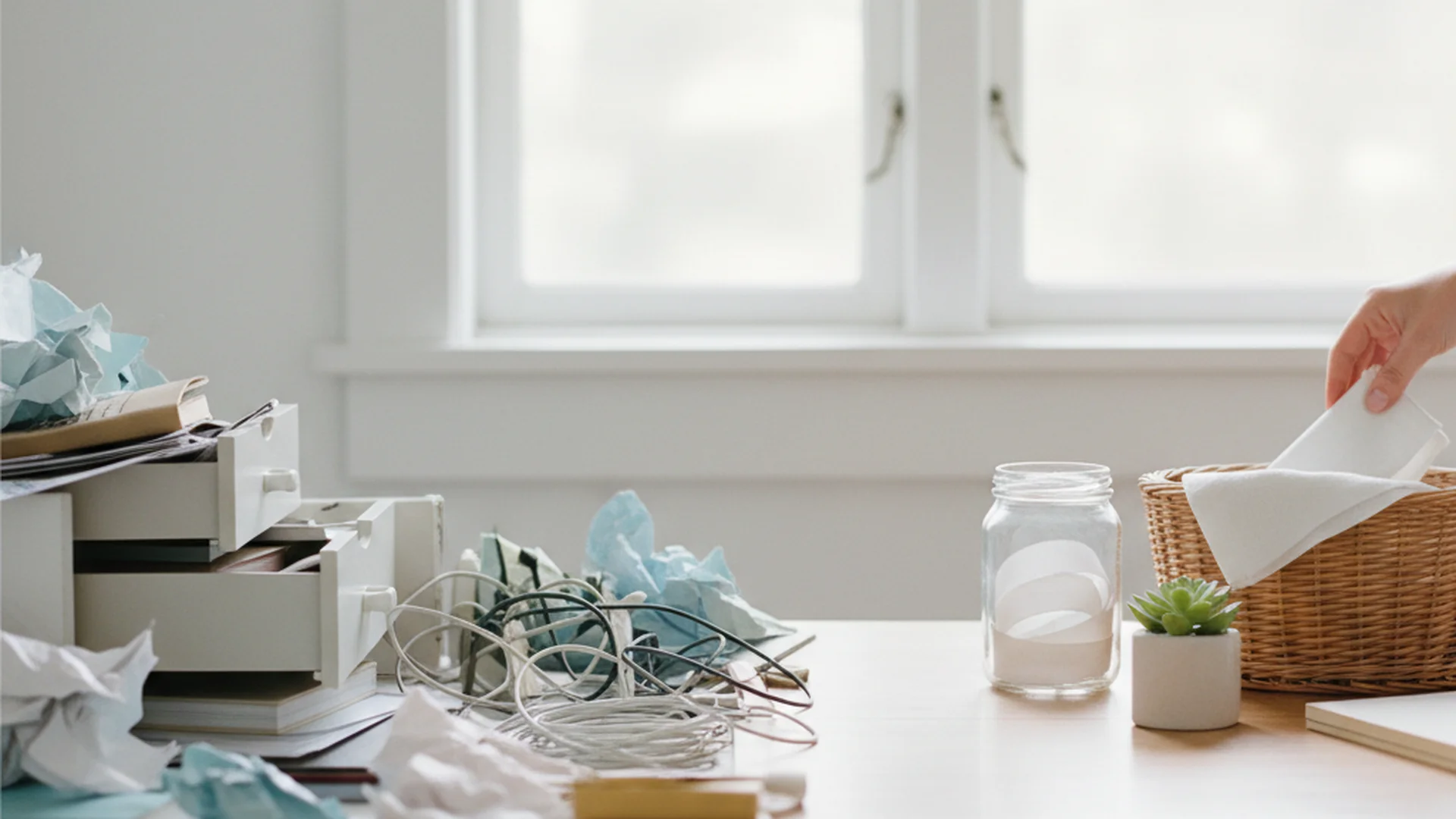
If you have ever stood in the middle of a messy room, paralyzed by the sheer volume of tasks before you, you have likely asked yourself: why cleaning hard for me while others seem to do it effortlessly? For years, society has labeled a messy home as a "character flaw" or a sign of laziness. However, as we move through 2025 and 2026, our understanding of domestic management has undergone a radical shift.
The truth is that cleaning isn’t just about picking up a sponge; it is a complex cognitive process that requires focus, sequencing, and emotional regulation. For many, the why cleaning hard answer lies not in a lack of willpower, but in the way their brain processes environment and task management.
The Biology of the Mess: It’s Not Laziness
The primary reason why cleaning feels impossible for some is a concept known as executive dysfunction. Executive functions are the mental processes that enable us to plan, focus attention, remember instructions, and juggle multiple tasks successfully.
For individuals with ADHD or other neurodivergent traits, the parts of the brain responsible for habit formation and movement often work differently. This means that "automatic" habits, like putting a dish in the dishwasher immediately after use, don't always "stick" the same way they do for neurotypical people.
Understanding Clutter Blindness
Have you ever had a guest point out a stack of mail that you didn't even realize was there? This is "clutter blindness." When your brain is overwhelmed by sensory input, it often copes by "tuning out" the mess to protect your focus. While this helps you survive the day, it makes the task of cleaning invisible until the environment reaches a breaking point of total chaos.
Note: Clutter blindness is a common symptom of sensory processing differences, not a lack of care for your home.
The Psychological Impact: Shame and Anxiety
The struggle to maintain a clean home often leads to a "shame spiral." The vast majority of adults feel a sense of guilt or shame when their home isn't clean. This emotional weight makes the task even harder to start, as the act of cleaning becomes associated with negative self-talk rather than a positive outcome.
- The Shame Factor: Plenty of people have avoided inviting loved ones over because of the state of their home.
- The Productivity Drain: Physical clutter drags your productivity down, creating a cycle where you are too stressed to clean, and the mess makes you more stressed.
- Mental Health: A messy environment can take a real toll on your day-to-day mood.
Tip: Reframe cleaning as a "Care Task." You aren't cleaning because you "should," but because you deserve a functional space to live in.
Real-World Examples of the Cleaning Struggle
To understand why cleaning hard for different people, let’s look at three common scenarios seen in 2025:
- The Neurodivergent "Wall of Awful": Sarah has ADHD. She wants to clean the kitchen, but the sight of the dishes, the sticky counters, and the overflowing trash creates a "sensory overload." She ends up sitting on the floor, unable to pick a starting point, eventually giving up entirely.
- The "Depression Room": After a period of high stress, Mark finds himself living in what the internet calls a "depression room." The lack of hygiene in his space is a physical manifestation of his internal emotional state. For Mark, the energy required to lift a laundry basket feels equivalent to climbing a mountain.
- The Burnout Cycle: A Gen Z remote worker cleans constantly but feels they are never "done." The pressure from "clean-fluencers" on social media makes them feel that unless their home looks like a sterile showroom, they have failed.
Strategies That Actually Work (2025-2026 Edition)
Traditional cleaning advice like "just do it" or "make a list" often fails those who find cleaning difficult. Functional Cleaning techniques tend to work far better.
1. Body Doubling (Mirroring)
This is the practice of having another person present while you complete a task. They don't even have to help; their presence acts as a "social anchor" that keeps your brain on task. In 2026, many use video calls or specialized apps to find "body doubles" for 20-minute cleaning bursts.
2. Junebugging
Much like a June bug that keeps hitting the same screen, you pick one "anchor point" (like the kitchen sink). You are allowed to wander off to put away a stray toy or a rogue book, but you must always return to the sink until that one spot is finished.
3. The 5-Minute "Cup Check"
Break tasks into "teeny tiny parts." Instead of saying "I need to clean the living room," tell yourself "I am going to find all the cups." This lowers the barrier to entry and provides a quick dopamine hit.
4. Dopamine-First Cleaning
For many, cleaning provides zero chemical reward. To fix this, pair cleaning with something high-reward: a favorite podcast, an audiobook, or "gamifying" the process by setting a timer to see if you can "beat the clock."
Success: Using the "minimalism game"—decluttering one item on day one, two on day two—builds momentum without causing burnout.
Common Mistakes to Avoid
Even with the best intentions, certain habits can make cleaning feel harder than it needs to be.
- The "Spring Cleaning" Myth: Attempting a massive, 8-hour cleaning marathon usually leads to a "clutter relapse." Small, 10-minute daily resets are much more sustainable.
- Dry Dusting: Using a dry cloth just pushes dust into the air, where it settles again minutes later. Always use a damp microfiber cloth.
- Over-Detergenting: Using too much soap leaves a sticky residue that actually attracts more dirt, making your surfaces get dirty faster next time.
- The Natural Fallacy: While vinegar is great, it can damage stone surfaces like marble. Additionally, bleach is a disinfectant, not a soap; you must clean the surface before you can effectively kill germs.
| Mistake | Why it Hurts | Better Alternative |
|---|---|---|
| All-day marathons | Causes burnout | 10-minute daily resets |
| Dry dusting | Spreads allergens | Damp microfiber cloths |
| Over-using soap | Leaves sticky residue | Use recommended measurements |
| Moralizing mess | Increases shame | View cleaning as neutral "care" |
Warning: Never mix bleach with ammonia or vinegar-based cleaners, as this creates toxic gases.
The 2026 Outlook: Tech and Self-Care
As we move further into 2026, the narrative around cleaning continues to evolve. We are seeing a rise in AI-led cleaning, where smart sensors monitor high-traffic areas and alert you when a specific zone needs attention. This removes the "mental load" of having to decide what needs cleaning.
Furthermore, the shift toward Probiotic Cleaners has been a game-changer for those who struggle to clean daily. These products use beneficial bacteria that continue to clean surfaces for up to 72 hours after application, providing a "buffer" for those days when your energy is low.
Frequently Asked Questions
Why am I so lazy when it comes to cleaning?
Why can’t I just 'see' the mess until it's overwhelming?
Is being messy a sign of depression?
Does a clean house actually improve mental health?
Conclusion: Reclaiming Your Space
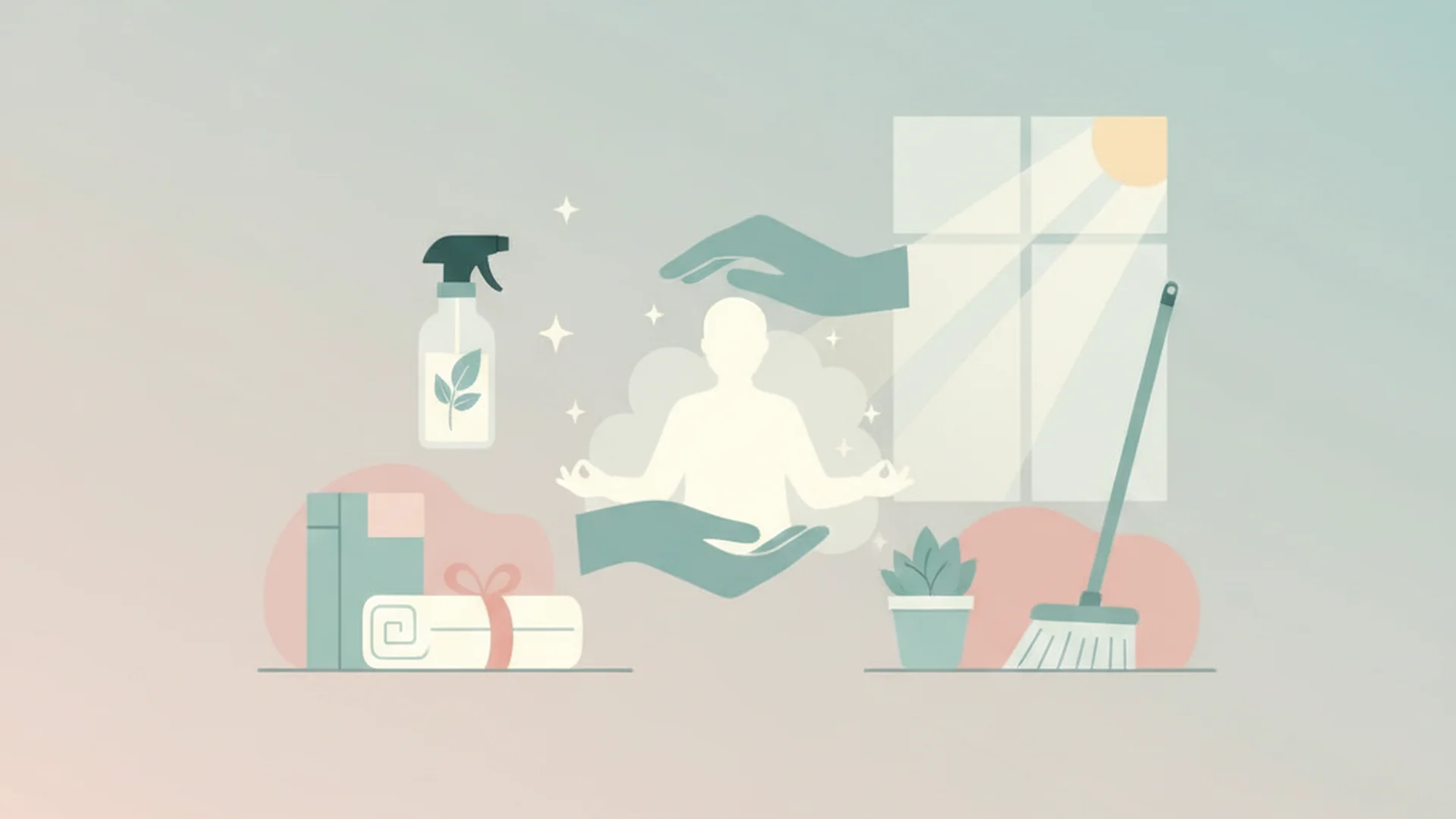
Cleaning is hard because it is a high-level cognitive task that is often tied to our sense of self-worth. By understanding the neurobiology of why cleaning hard, you can stop the cycle of shame and start implementing strategies that work with your brain instead of against it. Whether it's through "Junebugging," using smart technology, or simply accepting that "good enough" is truly enough, you have the power to reshape your environment.
Remember: Your home exists to serve you; you do not exist to serve your home.
Success: Transitioning to "Functional Cleaning" takes the edge off the anxiety and spares you hours of "decision fatigue" every week.
Cleaning that keeps score
Every task earns points, every streak multiplies them, and Premium adds a household leaderboard plus a monthly Dustagorgon to beat.
- Free forever
- 30 badges to earn
- Up to 6 in a household
No card needed. Set up your rooms in a couple of minutes.