In this article
What you’ll learn
- Over-sanitization can disrupt the natural development of the immune system.
- Constant chemical exposure from cleaning sprays takes a real toll on your lungs.
- Targeted hygiene focuses on high-risk moments rather than sterilizing every surface.
In the modern era of social media "cleanfluencers" and hyper-organized pantries, many homeowners find themselves caught in an endless cycle of scrubbing, spraying, and sanitizing. While a tidy home provides a sense of peace, cleaning too much can actually have detrimental effects on both your physical health and your home’s longevity. As we navigate through 2025 and into 2026, the conversation has shifted away from the "sterilize everything" mentality of the early 2020s toward a more nuanced, microbiome-friendly approach.
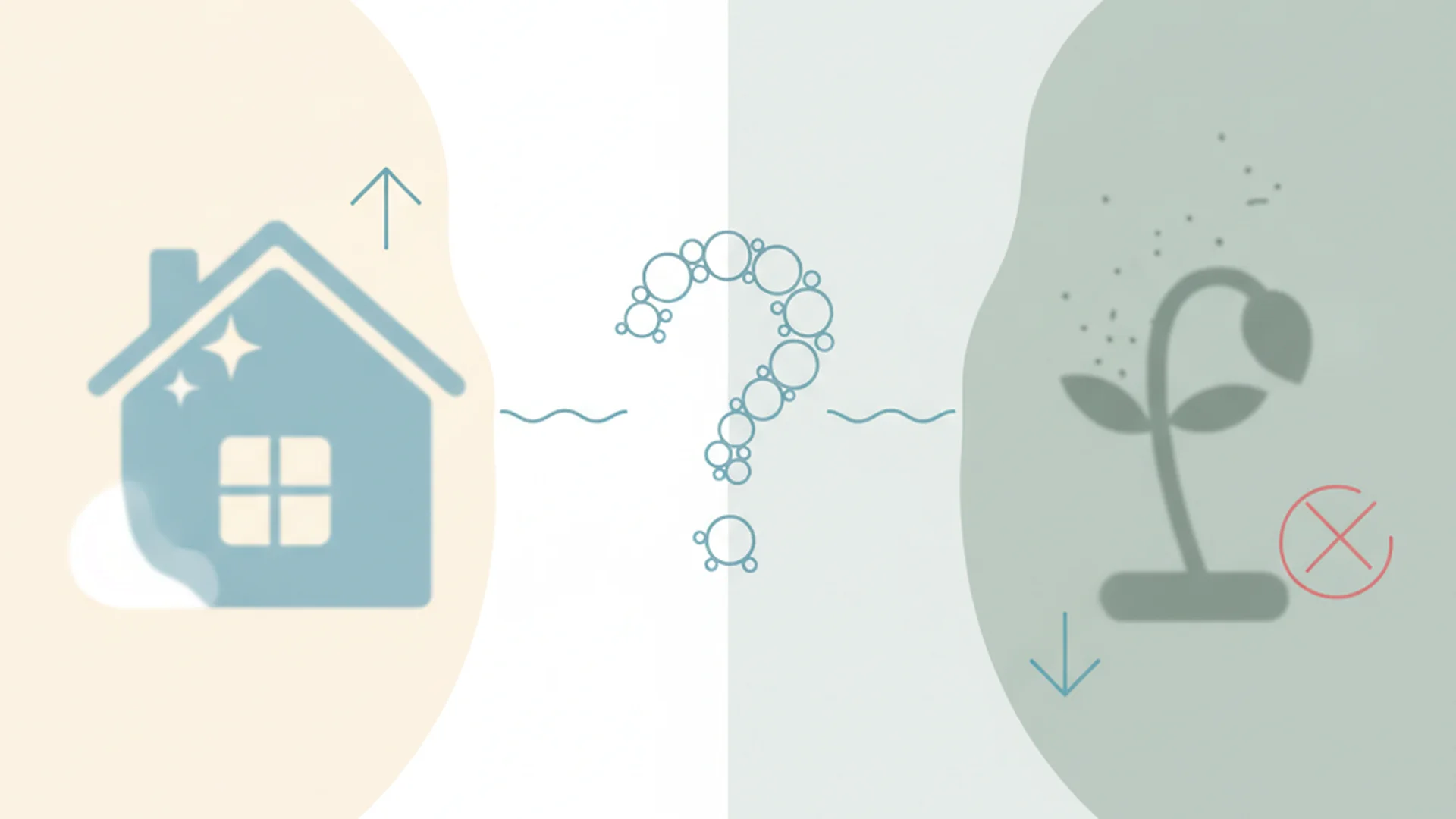
The cleaning too much answer isn't as simple as saying "stop cleaning." Instead, it involves understanding the delicate balance between removing harmful pathogens and maintaining the "good" bacteria that help our bodies and environments thrive.
What Over-Sanitization Actually Does
For decades, we believed that a germ-free environment was the pinnacle of health. However, the "Hygiene Hypothesis 2.0" has updated this view for the mid-2020s. Our immune systems are like biological computers that need "data" to function correctly, and that data comes in the form of exposure to various microbes.
When we engage in cleaning too much, particularly by using harsh antibacterial agents on every surface, we strip away the "old friend" microbes—the harmless bacteria found in soil, nature, and even on our pets—that help train our immune systems to distinguish between a dangerous virus and a harmless pollen grain.
The Rise of Allergies and Respiratory Issues
Food allergies among children have climbed steeply over the past few decades, and overly sterile childhood environments are part of the picture. When the immune system isn't challenged by natural microbes, it can become hypersensitive, attacking things it should ignore.
Furthermore, the physical act of cleaning with chemicals carries its own risks. Years of regular exposure to cleaning sprays—whether at home or as a job—wears down lung function over time. This is a sobering reality for those who reach for the spray bottle at every minor spill.
Warning: Chronic exposure to volatile organic compounds (VOCs) in cleaning products can lead to long-term respiratory decline. Always ensure proper ventilation.
Can You Damage Your Home by Cleaning?
It isn't just your health at risk; your physical property can also suffer from excessive maintenance. Materials have limits, and modern cleaning agents are often more aggressive than the surfaces they are meant to clean.
Real-World Example: The Granite Countertop
Imagine a homeowner who wipes down their granite countertops with a vinegar-and-water solution every single day, believing it to be a "natural" and safe choice. Because vinegar is acidic, it slowly eats away at the sealant and eventually "pits" the natural stone, leading to permanent dullness and susceptibility to stains.
Real-World Example: The Over-Vacuumed Carpet
In high-traffic households, it's tempting to vacuum daily. However, excessive vacuuming with a heavy-duty beater bar can prematurely wear down carpet fibers, causing them to fray and thin. For most homes, twice a week is sufficient for longevity.
Real-World Example: The "More Soap" Fallacy
Many people believe that using extra laundry detergent or floor cleaner results in a deeper clean. In reality, excess soap leaves behind a sticky microscopic residue. This residue acts like a magnet for dirt, meaning the surface actually gets dirty faster than if you had used less soap.
Note: Always follow the manufacturer's recommended dilution ratios to prevent residue buildup and surface damage.
The Shift Toward Targeted Hygiene
As we move toward 2026, the gold standard in home maintenance is "Targeted Hygiene." This approach moves away from the blanket disinfection of the whole house and focuses on "high-risk" moments where germ transmission is most likely.
| Area/Task | Old Approach (Over-Cleaning) | New Approach (Targeted) |
|---|---|---|
| Kitchen Floors | Disinfecting daily with bleach | Damp mopping with water/mild soap weekly |
| Door Knobs | Wiping with alcohol every morning | Cleaning only when someone in the house is sick |
| Living Room | Daily dusting with chemical sprays | Weekly microfiber dusting; air purification |
| Food Prep | Washing vegetables with diluted bleach | Rinsing with cold running water |
Probiotic Cleaning: The Future of Home Care
These products work by leaving behind "good" bacteria that outcompete harmful pathogens for resources. Instead of killing 99.9% of all life on a surface, probiotic cleaners create a healthy microbial ecosystem in your home.
Success: Adopting a "microbiome-friendly" cleaning routine can reduce your chemical exposure by up to 70% while still maintaining a safe, hygienic environment.
Common Mistakes to Avoid
To ensure you aren't cleaning too much—or cleaning incorrectly—avoid these common pitfalls that Sarah Mitchell frequently sees in the field:
- Mixing Chemicals: This is the most dangerous mistake. Mixing bleach with ammonia or vinegar creates toxic gases (chlorine or mustard gas). This remains a leading cause of household injuries in 2025.
- Ignoring "Dwell Time": Many people spray a disinfectant and wipe it off immediately. Most disinfectants require 4 to 10 minutes of wet contact time to actually kill germs. If you aren't waiting, you're just adding chemicals to a surface without the benefit of sanitization.
- Cleaning from the Ground Up: If you clean your floors first and then dust your shelves, the dust settles on the clean floor. Always work from top to bottom.
- Using Bleach as a General Cleaner: Bleach is a disinfectant, not a detergent. It doesn't remove dirt; it only kills germs on a surface that is already clean.
- Over-using "Fragrance": In 2025, consumers are rejecting the "scent of clean." Most artificial fragrances are cocktails of undisclosed chemicals that contribute to indoor air pollution.
The Psychology of Cleaning: Routine vs. OCD
There is a fine line between a productive cleaning routine and a clinical compulsion. In 2025, the wellness industry has rebranded cleaning as "active meditation" or "calm-cleaning." This focuses on the mental health benefits of an orderly environment.
However, it becomes "Contamination OCD" when the cleaning is driven by intrusive, distressing thoughts and the rituals take up more than an hour a day or interfere with your social and professional life. If the act of cleaning causes more stress than the presence of a little dust, it may be time to re-evaluate the habit.
Frequently Asked Questions
Does cleaning too much cause allergies?
How can I tell if my cleaning habit is actually OCD?
Is it possible to damage my home by cleaning it too much?
Are natural cleaners like vinegar safer for everything?
What is "dwell time," and why does it matter?
Finding the Balance
The goal of a healthy home in 2026 is not total sterility, but rather a balanced environment where your family and your home’s surfaces can thrive. By focusing on targeted hygiene—cleaning where it matters, when it matters—you can save time, protect your health, and preserve the beauty of your living space.
Stop worrying about the invisible microbes on your ceiling fans and start focusing on the high-touch areas during high-risk moments. Your immune system, and your schedule, will thank you.
Cleaning that keeps score
Every task earns points, every streak multiplies them, and Premium adds a household leaderboard plus a monthly Dustagorgon to beat.
- Free forever
- 30 badges to earn
- Up to 6 in a household
No card needed. Set up your rooms in a couple of minutes.