In this article
What you’ll learn
- Mixing bleach with almost anything (vinegar, ammonia, alcohol) is life-threatening.
- "Natural" mixtures like vinegar and hydrogen peroxide can create corrosive acids.
- Social media "rainbow" cleaning trends are a genuine cause of respiratory injuries.
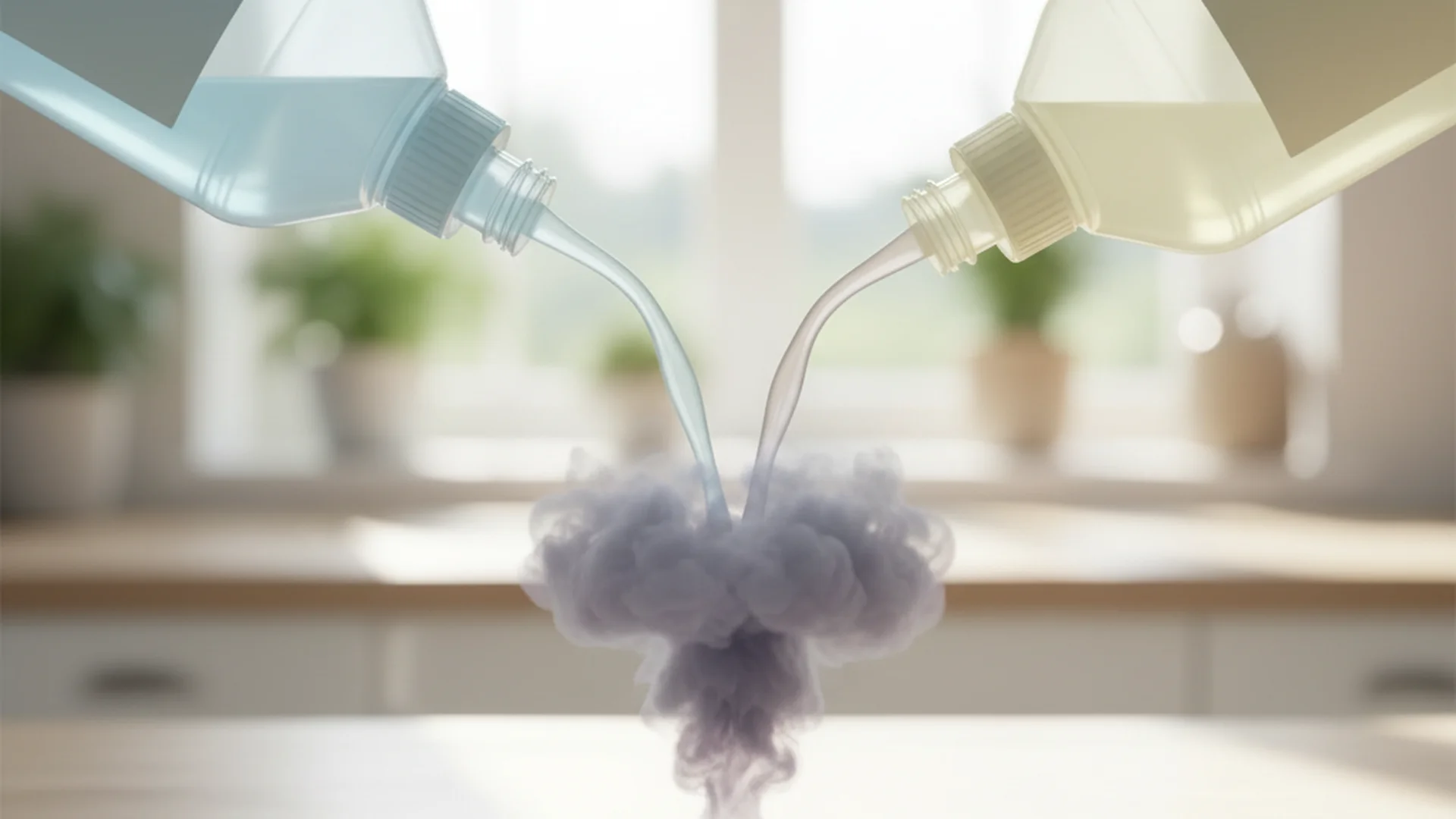
In an era where "CleanTok" and "home aesthetic" videos dominate our social feeds, it is easier than ever to fall into the trap of DIY chemical engineering. Many homeowners believe that combining two powerful cleaners will yield a "super-cleaner" that tackles grime twice as fast. However, the reality is much more dangerous. When wondering what cleaning products can mix, the most important thing to realize is that your cleaning cabinet is essentially a laboratory full of reactive agents.
Mixing the wrong chemicals doesn't just result in a less effective solution; it can lead to toxic fumes, chemical burns, or even explosive reactions. Injuries from household cleaners send people to emergency rooms every single day. Understanding the cleaning products can mix answer is no longer just a matter of home maintenance—it is a matter of life and death.
The Golden Rules of Chemical Safety
Before we dive into specific combinations, every homeowner should follow a set of non-negotiable safety protocols. These "Golden Rules" are designed to prevent accidental exposure and ensure that your cleaning routine remains a healthy endeavor.
The "One at a Time" Rule
Use only one cleaning product at a time. If you find that a surface requires two different types of treatment—for example, a heavy-duty degreaser followed by a disinfectant—you must rinse the surface thoroughly with water in between applications. This prevents residual chemicals from reacting with the new product.
Keep Original Labels
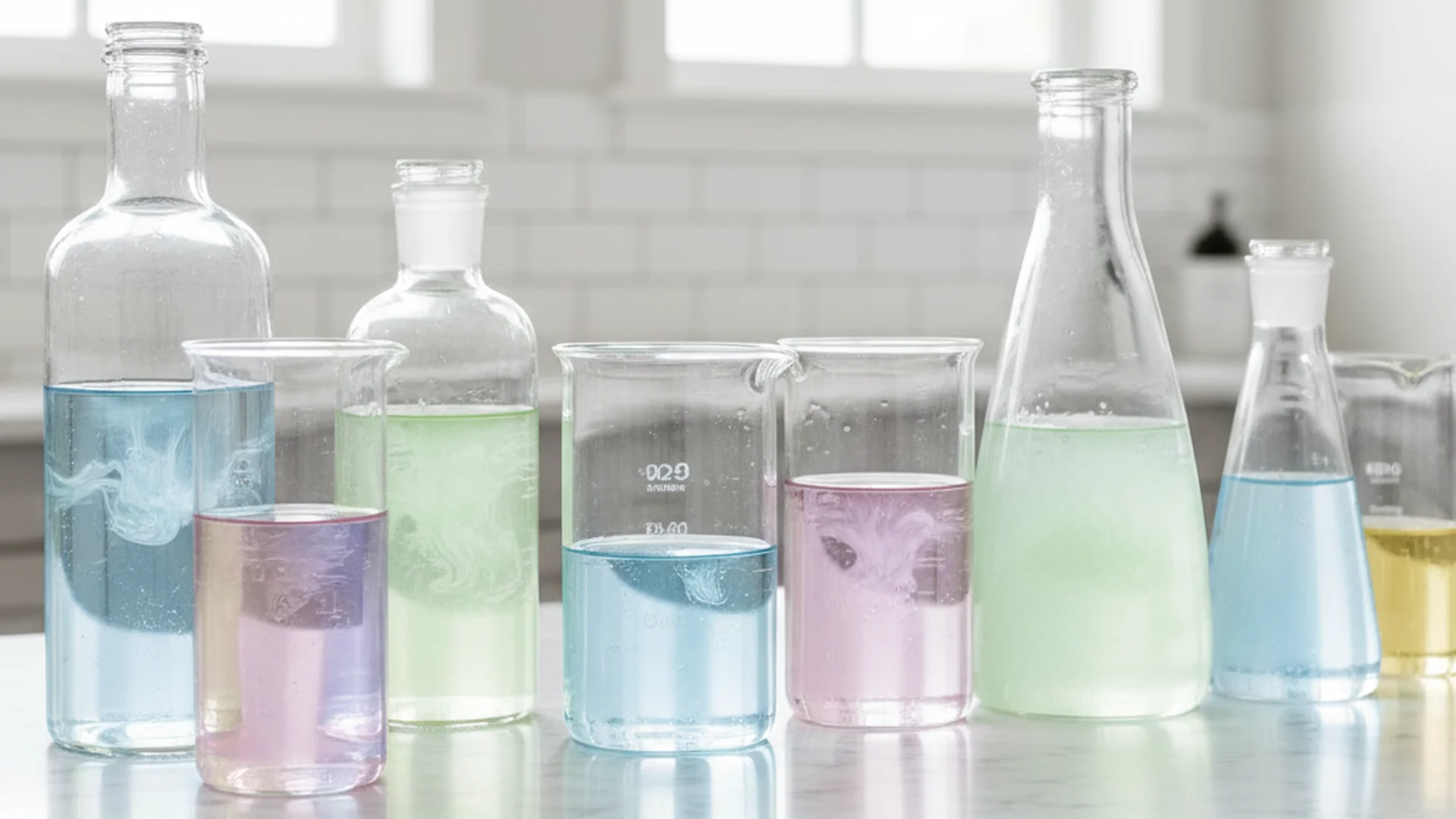
One of the most dangerous trends of 2025 is the "Laundry Apothecary" or "Aesthetic Cleaning Cabinet." This involves decanting cleaning agents into unmarked glass jars or "aesthetic" spray bottles. Don't do it. Original labels contain critical safety warnings, ingredient lists, and first-aid instructions. Furthermore, decanting is a primary cause of accidental ingestion by children, who may mistake a blue cleaner in a glass carafe for a beverage.
Note: Never transfer cleaning agents into unmarked containers. If you must use a secondary bottle, it must be clearly labeled with the product name and active ingredients.
Ventilation is Mandatory
Even when using "safe" mixtures or single products, Volatile Organic Compounds (VOCs) can concentrate in small spaces like bathrooms or laundry rooms. Always open windows, turn on exhaust fans, or keep doors open while cleaning to ensure a constant flow of fresh air.
What Cleaning Products Can You Mix? (The Safe List)
The list of safe combinations is remarkably short. Most cleaning products are formulated to be complete on their own. However, there are a few exceptions where mixing products can be both safe and effective.
1. Vinegar and Dish Soap
This is perhaps the most popular DIY cleaning combination. It is widely used for cutting through stubborn soap scum in tubs and showers.
- Safety: It is generally safe to mix these two.
- Effectiveness: Debatable. Since many dish soaps are slightly alkaline and vinegar is acidic, they can "buffer" or neutralize each other. This might make the mixture less effective than using the products sequentially.
2. Baking Soda and Vinegar
While this is the most famous "science fair" reaction, the cleaning products can mix answer for this pair is a bit of a trick.
- Safety: Perfectly safe.
- Function: When you mix them, they fizz violently as they create carbon dioxide gas. While this "fizzing" looks like it's deep-cleaning, the chemical result is mostly sodium acetate (salty water). The primary benefit is the mechanical pressure of the fizzing, which can help physically loosen clogs in drains.
3. Essential Oils and Water/Vinegar
Adding a few drops of essential oils to a water-and-vinegar solution or a mild soap is a safe way to add fragrance to your home.
- Safety: Safe, provided the oils are diluted.
- Warning: Never add essential oils to harsh chemicals like bleach. The oils can cause the bleach to separate or trigger unknown volatile reactions.
Success: Using a simple mix of vinegar and water for glass cleaning is safer, cheaper, and often more effective than complex chemical cocktails.
Lethal Combinations: Never Mix These Products
When people ask what cleaning products can mix, they are usually looking for a "power boost." However, mixing the following items creates chemical reactions that were once used on battlefields.
| Product A | Product B | Resulting Chemical | Danger Level |
|---|---|---|---|
| Bleach | Vinegar | Chlorine Gas | Lethal |
| Bleach | Ammonia | Chloramine Gas | High/Toxic |
| Bleach | Rubbing Alcohol | Chloroform | High/Toxic |
| Vinegar | Hydrogen Peroxide | Peracetic Acid | Corrosive |
Bleach and Vinegar (Chlorine Gas)
Mixing bleach with any acid (like vinegar or some toilet bowl cleaners) creates chlorine gas. This gas was used as a chemical weapon in WWI. Inhaling it can cause immediate coughing, breathing problems, and pulmonary edema (fluid in the lungs), which can be fatal.
Bleach and Ammonia (Chloramine Gas)
Ammonia is found in many window cleaners and some floor cleaners. When mixed with bleach, it produces chloramine gas. This causes shortness of breath and chest pain. A major concern in 2025 is the "Rainbow Pour" trend on social media, where users pour multiple cleaners into a toilet—this almost always results in chloramine gas in a small, unventilated bathroom.
Warning: Mixing bleach and ammonia creates chloramine gas, a leading cause of domestic chemical inhalation injuries.
Hydrogen Peroxide and Vinegar
Many people think that because both of these are "natural" staples, they are safe to combine. This is a dangerous misconception. When mixed in the same container, they create peracetic acid. This is a highly corrosive substance that can burn your skin, damage your eyes, and severely irritate your respiratory tract.
Common Mistakes and Misconceptions
Understanding the chemistry of your cleaning cabinet involves debunking some common myths that have persisted for decades.
Misconception: "The more bubbles, the better it’s cleaning."
In reality, bubbles often indicate that a chemical reaction is completing. This means the active ingredients are being used up to create gas rather than staying on the surface to break down grime. If your mixture is foaming excessively, you are likely losing the cleaning power you were looking for.
Mistake: Mixing Different Brands of Drain Cleaner
If one drain cleaner doesn't work, never pour a different brand or type down the drain immediately after. Drain cleaners use incredibly powerful bases (caustic soda) or acids. If these two types meet in your pipes, they can react violently, causing the pipes to heat up, melt, or even explode, sending caustic chemicals back up into your face.
Mistake: Bleach and Dish Soap
Many people add a splash of bleach to their dishwater to "sanitize" their plates. However, many dish soaps contain amines (ammonia-like compounds) that can react with bleach to form toxic vapors. It is always safer to wash with soap first, rinse, and then use a very diluted bleach-and-water soak if sanitization is required.
Tip: Focus on "Dwell Time" over concentration. Instead of mixing products to make them stronger, let the product sit on the surface for the time recommended on the label (usually 5–10 minutes for disinfectants).
Recent Trends and Industry Updates (2025-2026)
As we move into 2026, the landscape of household cleaning is changing due to new legislation and safety concerns.
PFAS Phase-Outs
By January 1, 2026, several states, including Maine and Minnesota, will implement bans on the sale of cleaning agents containing "forever chemicals" (PFAS). As manufacturers change their formulas to comply with these laws, it is more important than ever to read labels, as new ingredients may have different reactivity profiles.
EPA Solvent Bans
In 2024 and 2025, the EPA proposed strict bans on 1-bromopropane (1-BP). This solvent is common in aerosol degreasers and spot cleaners, and it carries serious cancer and reproductive-harm risks. If you have older cans of degreaser in your garage, check the ingredients and dispose of them according to local hazardous waste guidelines.
Frequently Asked Questions
Can I mix two different brands of the same cleaner?
Is it safe to mix "natural" cleaners?
What should I do if I accidentally mix chemicals?
Can I mix rubbing alcohol and vinegar?
Conclusion
When it comes to the question of what cleaning products can mix, the safest and most effective answer is: almost none. The modern cleaning industry spends millions of dollars formulating products to work perfectly on their own. By attempting to create your own mixtures, you risk not only ruining your surfaces but also causing permanent respiratory damage or worse.
Stick to the "One at a Time" rule, prioritize ventilation, and never prioritize "aesthetic" storage over safety labels. A clean home is only a good thing if it is also a safe home.
Success: By following these guidelines, you protect your family, your pets, and yourself from the hidden dangers of the cleaning cabinet.
Cleaning that keeps score
Every task earns points, every streak multiplies them, and Premium adds a household leaderboard plus a monthly Dustagorgon to beat.
- Free forever
- 30 badges to earn
- Up to 6 in a household
No card needed. Set up your rooms in a couple of minutes.