In this article
What you’ll learn
- Over-sanitizing can weaken the immune system through the hygiene hypothesis.
- Frequent use of harsh chemicals increases the risk of respiratory issues like COPD.
- "Targeted hygiene" is more effective than maintaining a 24/7 sterile environment.
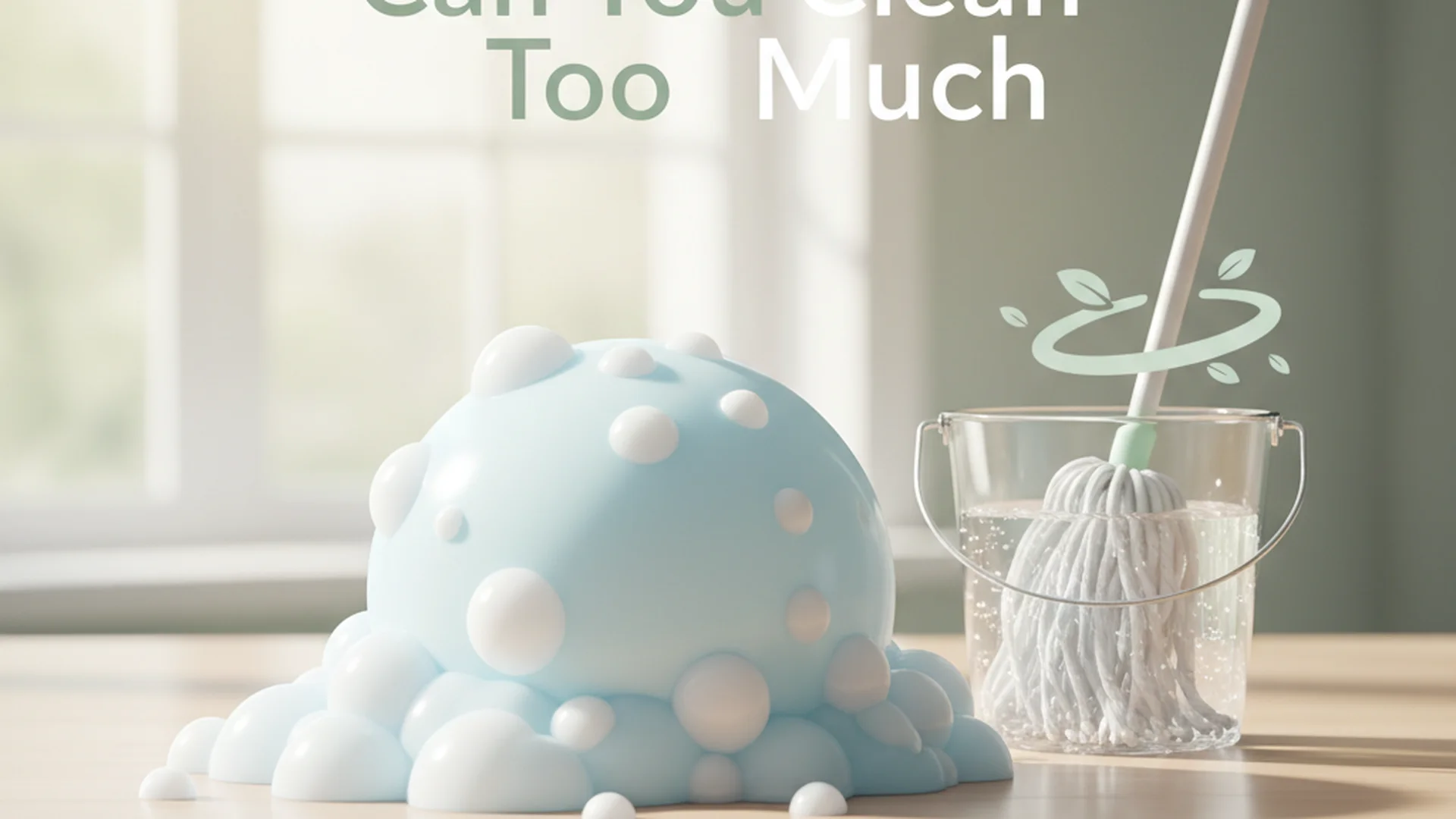
We have long been told that a clean home is a healthy home. From the satisfying scent of lemon-fresh polish to the gleam of a newly mopped floor, cleanliness is often equated with productivity and wellness. However, as we move into a new era of home care, it is worth asking a surprising question: can you clean too much? While maintaining a tidy space is essential for our mental and physical health, there is a point where our efforts can become counterproductive.
The short can you clean too much answer is a resounding yes. From stripping the natural oils off your hardwood floors to potentially compromising your family’s immune systems, over-cleaning has tangible consequences. In this guide, we will explore the science of the "hygiene hypothesis," the risks of chemical overuse, and how to adopt a more balanced, modern approach to home maintenance.
The Science of the "Hygiene Hypothesis"
One of the most compelling arguments against over-cleaning is the "Hygiene Hypothesis." This theory suggests that our modern obsession with sterility may actually be making us sicker. The idea is that exposure to a diverse range of microbes in early childhood helps the immune system develop a healthy sense of proportion.
When we eliminate every trace of bacteria from our environment, our immune systems become "bored" or under-educated. Without enough "bad" germs to fight, the body may begin to overreact to harmless substances like pollen or pet dander. This has been linked to the significant rise in allergies, asthma, and even autoimmune disorders over the last few decades.
Note: A "hygienic" home is not the same as a "sterile" home. The goal is to manage harmful pathogens, not to live in a laboratory-grade environment.
The Risks of Chemical Over-Saturation
It isn’t just the lack of bacteria that causes issues; it’s also the products we use to eliminate them. Many of us reach for the strongest disinfectants at the first sign of a smudge, but this can lead to "chemical creep" in our indoor air quality.
Respiratory Health
Frequent use of aerosolized sprays, particularly those containing bleach or quaternary ammonium compounds, is a growing concern for medical professionals. Breathing in these disinfectants day after day is associated with chronic obstructive pulmonary disease (COPD) and adult-onset asthma, which is a good reason to reserve them for the jobs that genuinely need them.
The Rise of Superbugs
When we over-use antibacterial soaps and surface cleaners, we aren't just killing "bad" bacteria. We are also killing the beneficial bacteria that keep ecosystems in balance. This creates a vacuum where "superbugs"—bacteria that have developed a resistance to common cleaning agents—can thrive.
| Cleaning Agent | Common Risk | Better Alternative |
|---|---|---|
| Bleach | Respiratory irritation/Surface damage | Hydrogen peroxide or Vinegar (where safe) |
| Aerosol Sprays | Poor indoor air quality | Pump sprays or Microfiber cloths |
| Antibacterials | Antibiotic resistance | Plain soap and water |
Protecting Your Belongings from Over-Cleaning
Cleaning too much doesn't just affect your health; it can also destroy your investments. Every time you scrub a surface, you are applying mechanical or chemical friction.
Real-World Example 1: The Denim Dilemma
Many people wash their jeans after every single wear. However, over-washing strips the indigo dye and breaks down the cotton fibers prematurely. High-quality denim can often go weeks or even months between washes, with spot-cleaning or "airing out" being sufficient.
Real-World Example 2: Hardwood Heartbreak
If you are mopping your hardwood floors with a soaking wet mop every day, you are likely causing irreversible damage. Excess water can seep into the joints, causing the wood to swell, warp, or cup. Stick to a "damp-only" mop once a week and a simple sweep or vacuum for daily maintenance.
Real-World Example 3: The Silver Mirror Myth
Using harsh glass cleaners on mirrors daily can lead to "de-silvering." The chemicals can seep behind the glass and corrode the silver backing, creating black spots around the edges that cannot be repaired.
Warning: Never use vinegar on natural stone like marble or granite; the acidity will etch the surface, leaving permanent dull spots.
The Mental Health Component
For many, cleaning is a coping mechanism. Most of us simply feel better in a clean home, and the act of tidying can be genuinely calming. However, there is a fine line between "stress cleaning" and compulsive behavior.
OCD affects a small share of the population, and for some of those people cleaning rituals are one of the ways it shows up. If the act of cleaning is no longer bringing peace but is instead causing anxiety when things aren't "perfect," it may be time to reassess the habit.
Tip: Use the "20/10 Method"—clean for 20 minutes and take a mandatory 10-minute break. This keeps cleaning as a managed task rather than an all-consuming obsession.
Modern Trends: The Shift to "Microbiome-Friendly" Cleaning
As we look toward 2026, the industry is shifting away from "kill all germs" and toward "support good germs."
- Probiotic Cleaning: This is the biggest trend for the coming year. These cleaners use beneficial bacteria to consume organic waste (dirt and grime) on surfaces, keeping them clean for up to 72 hours while maintaining a healthy microbial balance.
- Data-Led Cleaning: AI-powered vacuums and smart sensors now provide "cleaning maps." Instead of cleaning every room every day, these tools tell you which areas actually have enough dirt to warrant a session, preventing unnecessary wear and tear on your carpets.
- The "Closing Shift" Ritual: This trend focuses on a 15-minute "home reset" at night—straightening pillows, clearing the sink, and a quick surface wipe. This replaces the need for grueling, multi-hour deep cleans over the weekend.
Common Mistakes to Avoid
- Using More Detergent for "Extra" Clean: More soap does not mean more clean. Excess detergent leaves a sticky film that actually attracts more dirt and can burn out your washing machine or dishwasher motor.
- Neglecting Dwell Time: If you spray a disinfectant and immediately wipe it off, you haven't disinfected anything. Most products require 3 to 10 minutes of "dwell time" (sitting wet on the surface) to actually kill pathogens.
- Mixing Chemicals: Never mix bleach with ammonia or vinegar. This creates toxic gases that can be fatal in unventilated spaces.
- Cleaning with Dirty Tools: If you don't wash your microfiber cloths or replace your vacuum filters, you are simply moving bacteria from one room to another.
Success: Transitioning to "Targeted Hygiene"—focusing on high-touch areas like doorknobs and counters while letting the rest of the house "breathe"—leads to a healthier home and more free time.
Frequently Asked Questions
Can you clean too much?
How often is "enough"?
Should I vacuum or dust first?
Is it better to use vinegar for everything?
Conclusion
Finding the balance between a healthy home and an over-sanitized one is key to modern living. By moving away from the "sterile" mindset and embracing "targeted hygiene," you can protect your family's health, preserve your belongings, and reclaim your time. Remember, a little bit of dust isn't just a sign of a life well-lived—it might actually be helping your immune system stay strong.
Cleaning that keeps score
Every task earns points, every streak multiplies them, and Premium adds a household leaderboard plus a monthly Dustagorgon to beat.
- Free forever
- 30 badges to earn
- Up to 6 in a household
No card needed. Set up your rooms in a couple of minutes.