In this article
What you’ll learn
- Chores build the responsibility and independence children carry into adulthood.
- Use the "I Do, We Do, You Do" method to teach new tasks effectively.
- Transitioning to "Zone Cleaning" helps kids develop executive function.
Summer break is often met with a mix of excitement and trepidation by parents. While the break from school schedules is welcome, the sudden influx of free time can quickly lead to "summer slide," endless screen time, and a house that looks like a whirlwind passed through it. Implementing a summer chore chart for kids is more than just a way to keep your floors clean; it is a strategic tool for developing life skills during the months when children have the mental bandwidth to learn them.
As a home organization expert, I have seen how a well-structured summer routine transforms household dynamics. Instead of the parent acting as the "CEO of Cleaning," a summer chore chart distributes responsibility, helping children feel like vital members of the family team.
Why Chores Matter: Building Real Skills
It is easy to view chores as a daily hurdle, but they are a foundational element of a child's development. If you have ever felt guilty about asking your child to help, you can let that go.
Children who contribute to the running of a household from an early age tend to carry that capability into adulthood. The habit shows up later in the things that matter most—holding down a career, maintaining healthy relationships, and looking after their own well-being.
Early involvement in household tasks also helps children develop executive functioning skills. By managing a summer chore chart kids list, children learn to plan, prioritize, and execute tasks—skills that are directly transferable to the classroom and the future workplace.
Success: Children who perform chores regularly report higher levels of self-esteem because they see tangible proof of their contribution to the family.
Building Your Summer Chore Chart Kids List
A common mistake parents make is creating a list that is too vague. "Clean the house" is an overwhelming directive for a child. To make your summer chore chart kids chart effective, you must break tasks down into age-appropriate, manageable steps.
Age-Appropriate Tasks for Every Stage
| Age Group | Recommended Chores | Skill Developed |
|---|---|---|
| Toddlers (2-4) | Picking up toys, putting clothes in the hamper, matching socks | Categorization |
| Elementary (5-10) | Setting the table, feeding pets, folding towels, loading the dishwasher | Sequences |
| Middle School (11-13) | Cleaning bathrooms, vacuuming common areas, basic meal prep | Detail Orientation |
| Teens (14+) | Mowing the lawn, full laundry cycle, grocery shopping, car washing | Management |
Tip: Start small. If your child is new to chores, begin with just two "non-negotiable" daily tasks before expanding the list.
Summer-Specific "Life Skill" Tasks
Summer offers a unique opportunity to teach tasks that require more time than the school year allows. These "Summer Specialty" chores focus on outdoor maintenance and independence.
- The Garden Helper: Task your child with watering plants or weeding a specific garden bed.
- The Car Detailer: A bucket of soapy water and a sponge is a classic summer activity that teaches care for property.
- The Junior Chef: Use the extra daylight to have your child help plan and prep one lunch or dinner per week, teaching them about nutrition and budgeting.
Expert Strategies for Success: The "System" Over the "List"
A chart is just a piece of paper (or a digital screen) unless you have a system to back it up. To prevent the chart from being ignored by July, use these tried-and-tested methods.
The "I Do, We Do, You Do" Method
You cannot expect a child to know how to "clean a bathroom" instinctively. Use this three-step training process:
- I Do: You perform the chore while the child watches. Explain why you use certain cleaners or why you wipe from top to bottom.
- We Do: You and the child do the chore together. This is the time to correct techniques gently.
- You Do: The child performs the chore while you supervise. Once they prove they can do it, they transition to independent execution.
The Morning Routine Anchor
In my house, we use the "Screen Time Anchor." No tablets, television, or gaming consoles are turned on until the summer chore chart for kids has been completed and checked off. This prevents the "Summer Slide" and ensures that the most important tasks are done while energy levels are high.
Warning: Avoid re-doing a chore after your child has finished it. If you immediately re-fold the towels they just struggled to fold, you send the message that their effort wasn't good enough. Accept "80% perfect" as a win for their developing skills.
2025 Trends: Gamification and Modern Chore Management
As we look toward 2025 and 2026, the way families manage households is evolving. While a printed summer chore chart kids chart on the refrigerator is a timeless classic, new trends are making chores more engaging for the digital generation.
Gamification and AI Apps
There is a massive surge in AI-integrated chore apps like Ghenry or Greenlight. These platforms allow parents to set tasks and instantly deposit "commissions" or "tokens" into a digital wallet. For tech-savvy kids, seeing a digital progress bar move can be more motivating than a sticker.
Screen Time Currency
Instead of a traditional cash allowance, many parents are adopting "Screen Time Currency." Every completed chore earns the child 15 to 30 minutes of digital time. This teaches children the value of "earning" their leisure time, a concept that mirrors the adult world of work-life balance.
Zone Cleaning for Executive Function
Rather than a checklist of 10 tiny tasks, the trend is shifting toward "Zone Cleaning." You assign a child a "Zone" (e.g., the Mudroom or the Back Deck). Their job is to ensure that specific area is tidy and functional by the end of the day. This teaches them to "spot" what needs to be done rather than just following a list, which is a higher-level executive function skill.
Note: Zone cleaning is particularly effective for neurodivergent children who may find long, itemized lists overwhelming but can handle the "vibe" of keeping one area clear.
Common Mistakes to Avoid
Even with the best intentions, a summer chore system can fail. Watch out for these common pitfalls:
- Using Chores as Punishment: If you assign "extra dishes" because a child was caught lying or being rude, they will learn to associate household contribution with being "bad." This creates long-term resentment toward housework.
- The Nag Cycle: If you have to remind your child five times to do their chores, you are still doing the mental labor. The chart should be the boss. If the chores aren't done, the natural consequence (no screen time, no pool trip) should kick in without a lecture.
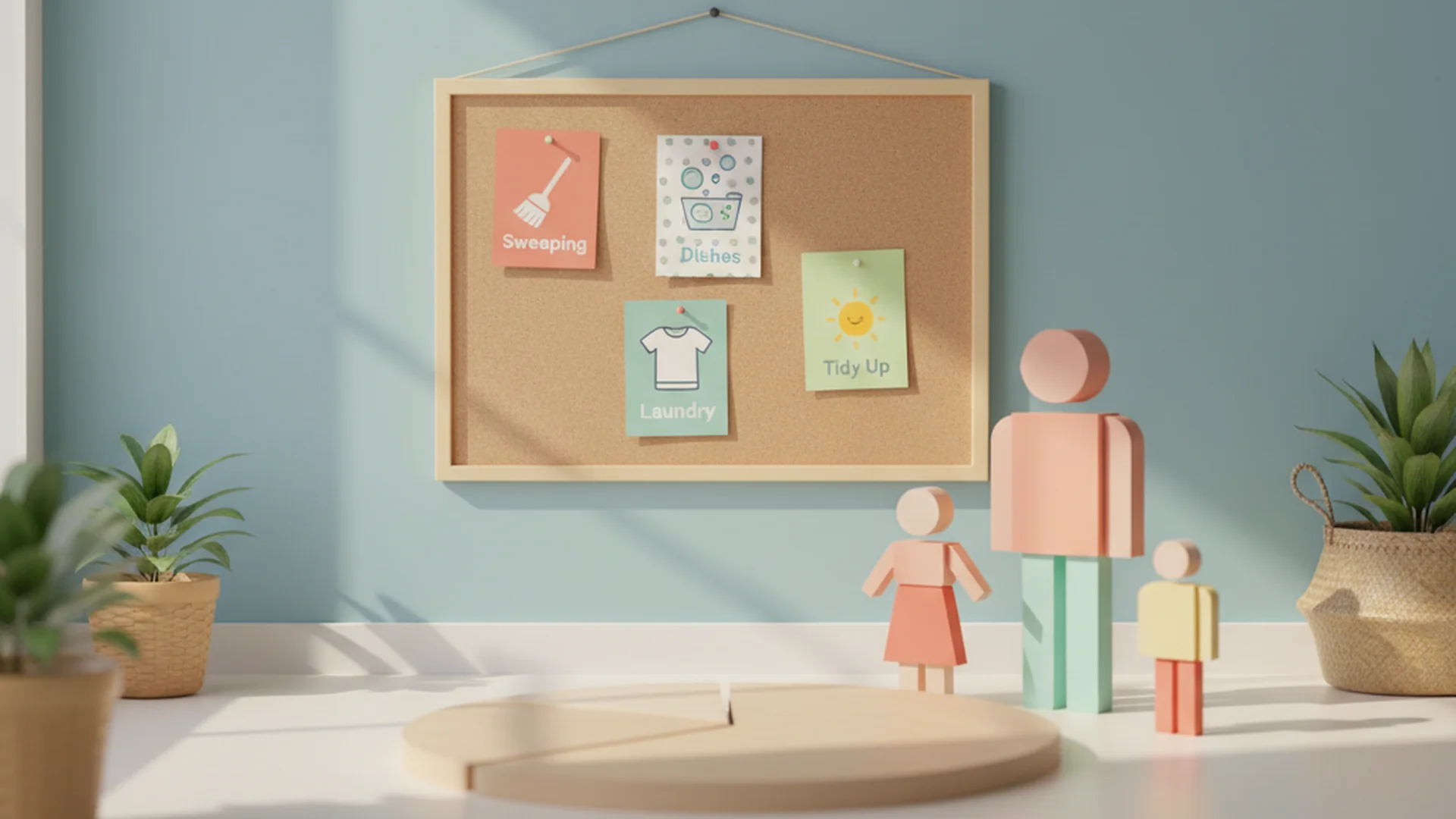
- Overcomplicating the Chart: A chart with 20 different categories is destined for the trash can. Keep it simple: Daily Habits (making the bed), Citizenship Chores (helping the family), and Commission Chores (extra tasks for money/rewards).
Frequently Asked Questions
Should I pay my kids for doing chores?
At what age can a child start a chore chart?
How do I handle a child who refuses to do their chores?
Should summer chores be different from school-year chores?
Conclusion: Investing in the Future
A summer chore chart for kids is not about child labor; it is about empowerment. By teaching your children how to care for their environment and contribute to their community, you are giving them the tools they need to be successful, independent adults. It may be faster for you to sweep the kitchen yourself today, but investing the time to teach your child to do it will save you thousands of hours over the next decade—and give them a sense of competence that lasts a lifetime.
Success: Consistent use of a chore chart cuts down the "daily nagging" dramatically, usually within the first month of getting the system going.
Cleaning that keeps score
Every task earns points, every streak multiplies them, and Premium adds a household leaderboard plus a monthly Dustagorgon to beat.
- Free forever
- 30 badges to earn
- Up to 6 in a household
No card needed. Set up your rooms in a couple of minutes.