In this article
What you’ll learn
- Move from a command-and-control style to a shared household ecosystem.
- Start as early as age two to build the habit of helping before seeking perfection.
- Use the "When/Then" rule to eliminate nagging and foster independence.
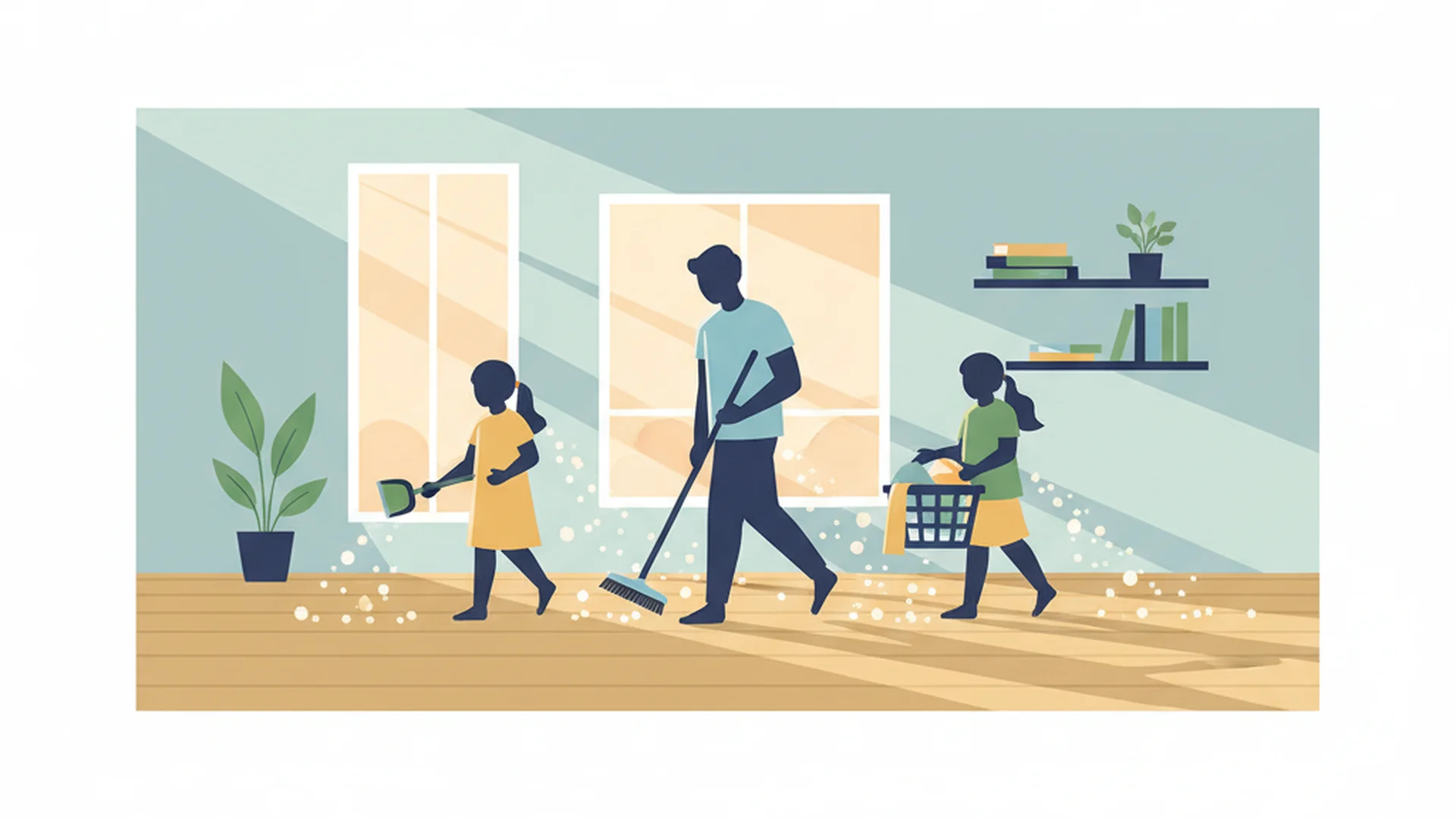
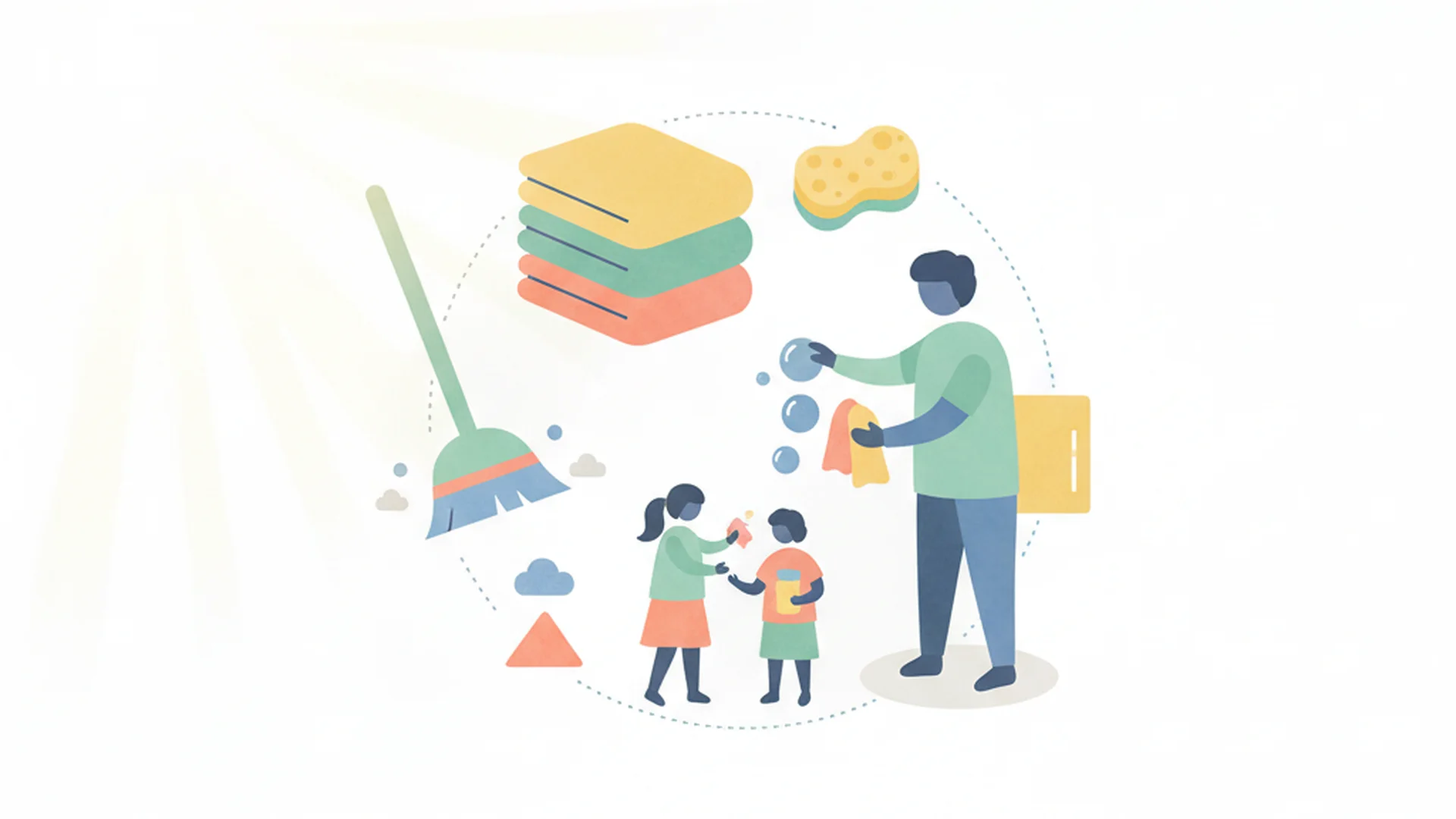
We have all been there. You spend hours designing a beautiful, color-coded Pinterest-style chore chart, stick it to the fridge with high hopes, and by day ten, it is covered in dust while you are back to nagging everyone to pick up their socks. If you are struggling to make chore chart work, you are not alone—but you might be using an outdated playbook. In 2025, the focus has shifted from "command-and-control" parenting to a "shared ecosystem" model where every family member feels like a stakeholder.
The secret to a functional home isn't just a piece of paper; it’s the psychology behind it. When you learn how to make chore chart work, you aren't just getting a clean floor—you are building the foundation for your child’s future success.
The Science of Why Chores Matter
Before we dive into the mechanics of your list, it is essential to understand the "why." Household tasks are not merely annoying necessities; they are genuine developmental milestones.
Children who grow up pitching in tend to become adults who handle work, and other people, rather well. These tasks build empathy, a resilient work ethic, and a sense of "shared responsibility." Despite this, we are currently facing a "Chore Gap": most of today's parents grew up with regular chores, yet far fewer children are given them now.
Children who take on self-care and family-care chores also tend to develop stronger executive functioning skills. This includes improved working memory and better impulse control—traits that translate directly to academic excellence.
Success: Children who start chores around kindergarten age often reach the later primary years with steadier schoolwork habits and easier friendships than those who never had them.
Phase 1: The "Family Huddle" Strategy
The primary reason chore charts fail is lack of buy-in. If you hand down a list of orders, your children will naturally resist. To make chore chart work, you must host a "Family Huddle."
Instead of telling your kids what to do, ask them: "What needs to happen for our house to run smoothly so we all have more time for fun?" When children help define the tasks, they feel a sense of ownership.
Collaborative Goal Setting
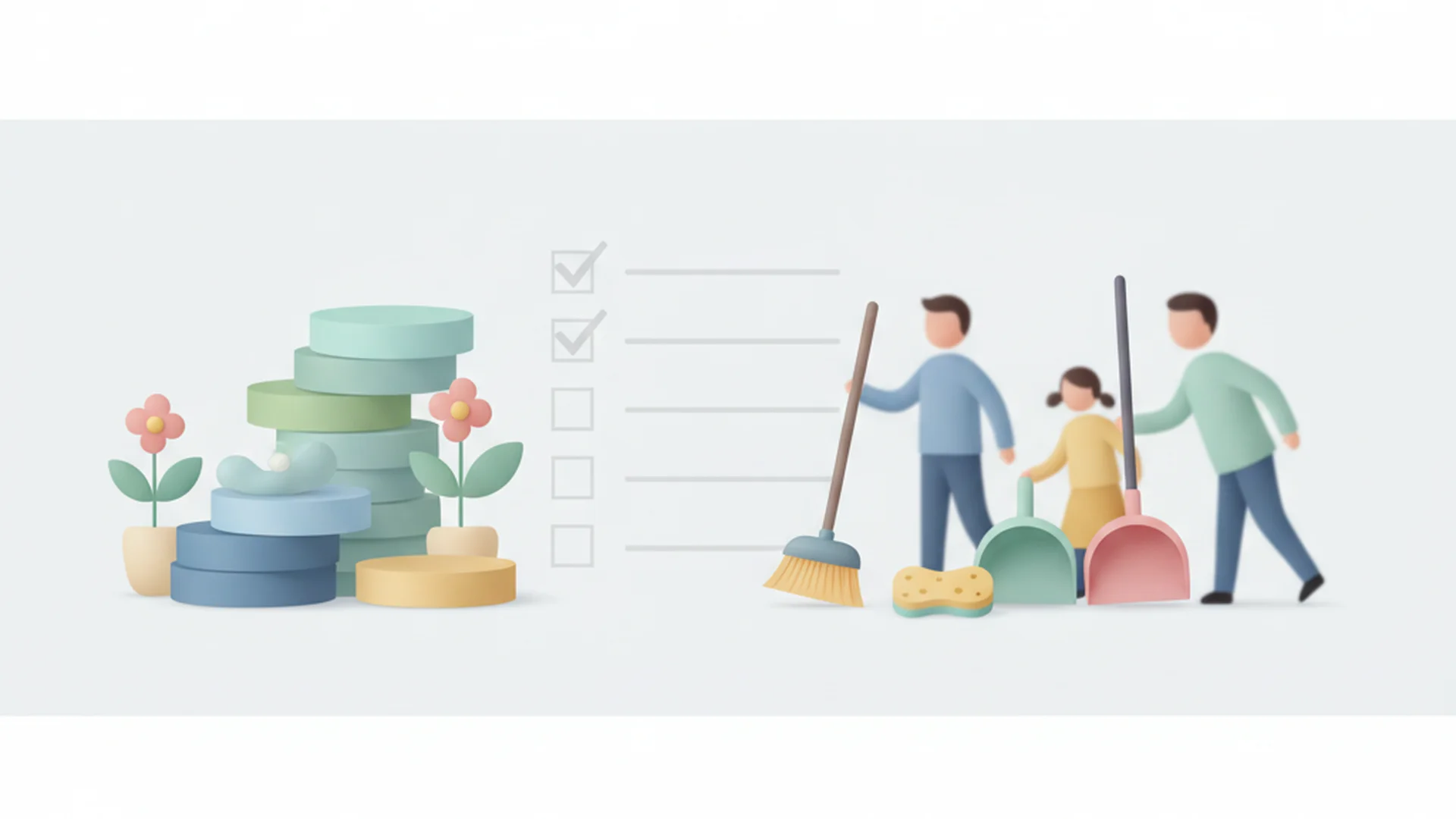
During your huddle, brainstorm a "make chore chart work list" together. Categorize items into:
- Citizenship Chores: Things we do because we live here (making the bed, clearing your plate).
- Team Chores: Things we do to help the whole family (emptying the dishwasher, feeding the dog).
- Extra-Mile Chores: High-effort tasks that might earn a reward or allowance (washing the car, deep cleaning the baseboards).
Tip: Avoid the "I'll just do it myself" fallacy. If you take over because a child is too slow, you teach them that poor performance is a ticket out of work.
Phase 2: Building Your Make Chore Chart Work List
A successful system requires age-appropriate expectations. You wouldn't ask a toddler to scrub a toilet, but they can certainly put their toys in a bin.
| Age Group | Recommended Tasks | Cognitive Focus |
|---|---|---|
| Ages 2–4 | Putting toys away, dusting low surfaces, "helping" fold laundry | Habit Building |
| Ages 5–8 | Setting the table, feeding pets, watering plants, sweeping | Responsibility |
| Ages 9–12 | Loading dishwasher, vacuuming, taking out trash, simple cooking | Independence |
| Teens | Full laundry cycle, grocery shopping, cleaning bathrooms | Life Skills |
Defining "Done" Visually
One of the most effective make chore chart work ideas for 2026 is the use of visual standards. To a child, "clean your room" is a vague and overwhelming command. To make it concrete, take a photo of the room when it is actually clean. Post that photo next to their chore chart. This creates an objective standard that removes the "Is this good enough?" argument.
Note: Mastery takes time. Work alongside your child for the first few weeks before expecting them to fly solo.
Phase 3: Transitioning to Independence with Modern Tools
As we move into 2026, technology is helping parents remove their "nagging voice" from the equation. If the smart speaker tells a child it's time to feed the cat, the parent is no longer the "bad guy."
Gamified Digital Tracking
Families are increasingly moving toward apps like Kokoro or Family Daily. These platforms use RPG-style leveling and badges to reward progress. For older kids, these "pings" on their smartwatches or phones foster a sense of autonomy.
The "When/Then" Rule
This is a powerful 2025 behavioral coaching trend. Instead of saying, "You can't play video games until you clean," try: "When your chores are checked off, then you can have your screen time." This positions you as a coach rather than a warden. It places the power—and the consequences—entirely in the child's hands.
Warning: Using chores as a punishment creates a lifelong negative association with maintaining a home. Keep chores and discipline separate.
Common Mistakes to Avoid
Even with the best intentions, certain habits can tank your progress. Here are the most frequent pitfalls I see as a Domestic Efficiency Specialist:
- The "Rewards Economy" Trap: If you pay for every small act, you kill intrinsic motivation. Kids will eventually ask, "What’s in it for me?" before helping with a basic task like picking up a dropped napkin.
- Complexity Overload: If your chart takes more than five minutes a day to manage, it will fail. Keep it simple, or keep it digital.
- Lack of Rotation: No one wants to be the permanent "toilet cleaner." Rotate the "worst" jobs weekly to prevent chore boredom and resentment.
- Ignoring the "15-Minute Reset": Rather than a long to-do list, try "Chore Power Hours." Set a timer for 15 minutes and have everyone work simultaneously. This builds a team atmosphere where no one feels singled out.
Frequently Asked Questions
Should I pay my kids for chores?
What is the best age to start a chore chart?
Why do my kids stop using the chart after two weeks?
How do I handle chore resistance in teenagers?
Conclusion: From Nagging to Teamwork
Learning how to make chore chart work is a journey of trial and error, but the rewards are worth the effort. By shifting toward a collaborative "Family Huddle" approach, defining "done" with visual aids, and utilizing modern tools like the "When/Then" rule, you transform your home from a place of conflict into a synchronized team.
Remember, the goal isn't just a clean house—it's raising capable, empathetic, and successful adults. Start small, stay consistent, and watch your family ecosystem thrive.
Success: Following this structured approach will reduce household stress and steadily build your children's executive functioning skills.
Cleaning that keeps score
Every task earns points, every streak multiplies them, and Premium adds a household leaderboard plus a monthly Dustagorgon to beat.
- Free forever
- 30 badges to earn
- Up to 6 in a household
No card needed. Set up your rooms in a couple of minutes.