In this article
What you’ll learn
- Chores build the sense of contribution that underpins long-term adult success.
- Using a 'Connection First' approach reduces after-school restraint collapse.
- Gamification and AI apps are revolutionizing how families manage household tasks in 2026.
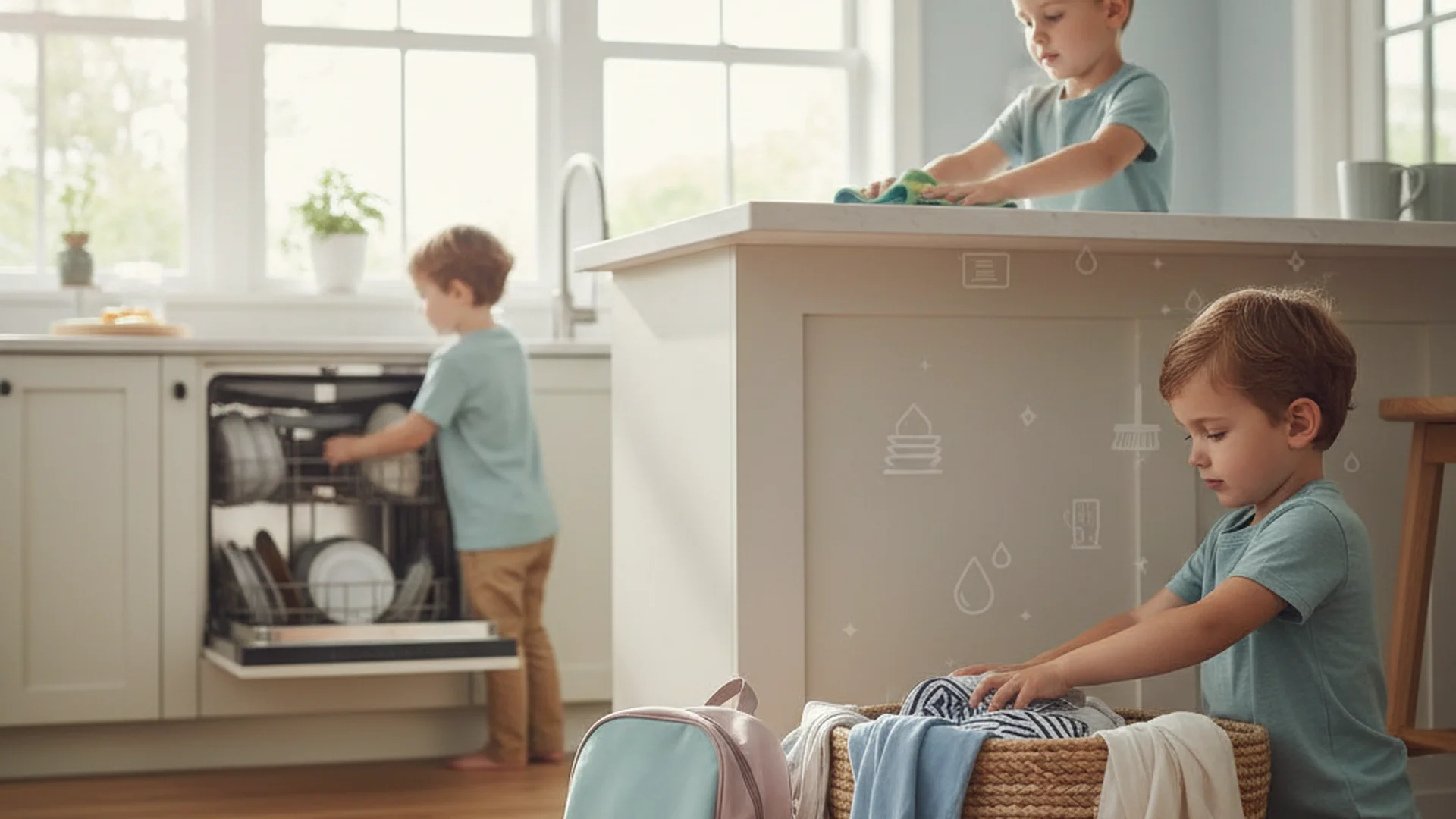
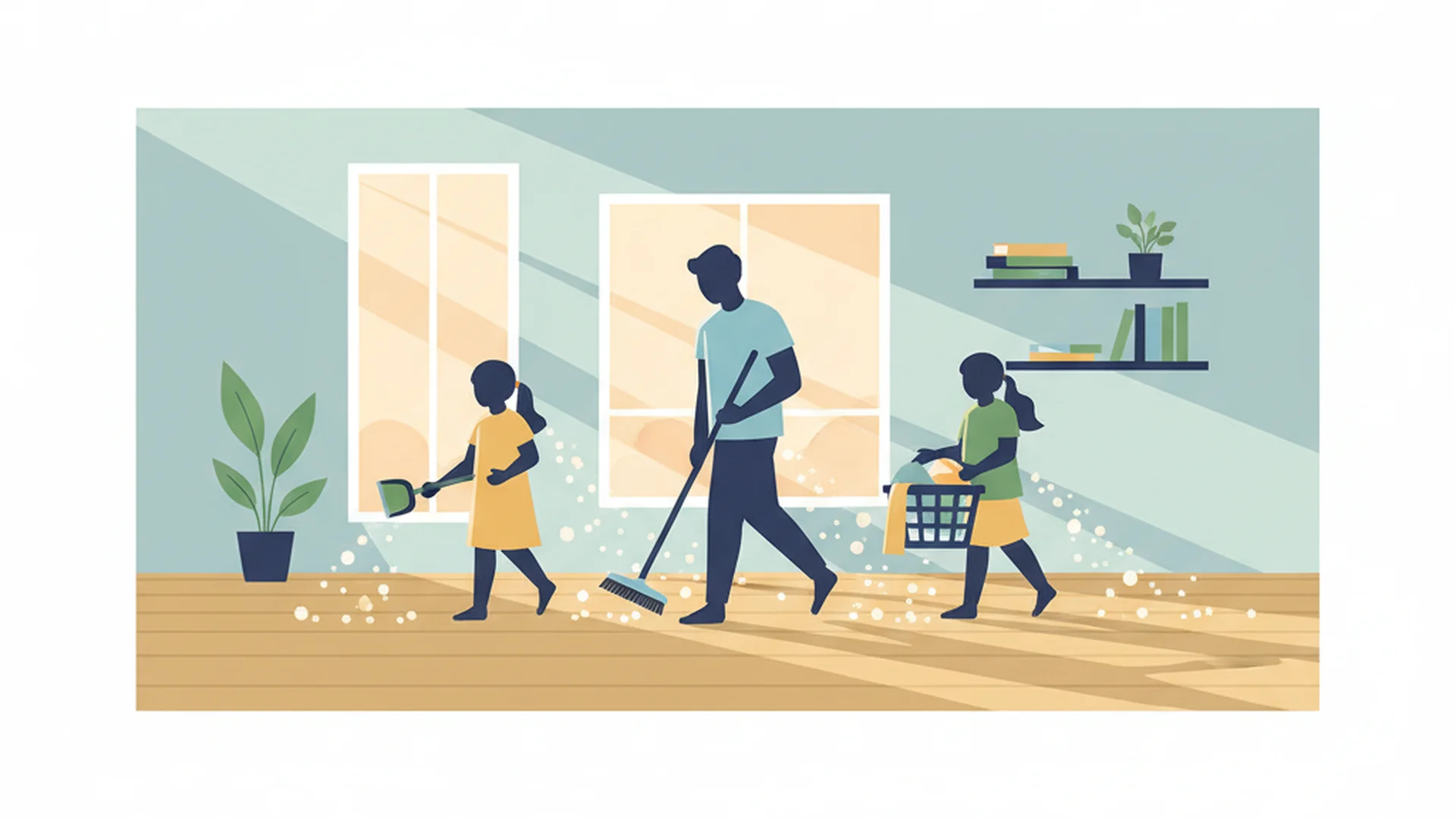
The front door swings open, backpacks hit the floor, and the "after-school scramble" begins. For many parents, this moment marks the start of a second shift—one filled with snack requests, homework battles, and the inevitable clutter of the day. However, implementing a structured after school chore routine isn't just about keeping your living room floor visible; it is a vital tool for child development. By shifting our perspective from "making kids help" to "building a team," we can transform these daily tasks into a powerful engine for building executive function and emotional resilience.
The Science of the After School Chore Routine
Chores deserve to be treated as a developmental milestone rather than a household necessity. Children who take on regular chores from an early age tend to do better academically and get along more easily with their peers.
The benefits extend beyond the classroom. "Family-care" tasks (like setting the table) and "self-care" tasks (like making the bed) both strengthen executive function. Following a routine of this kind builds working memory and impulse control—the very skills kids need to manage complex projects later in life.
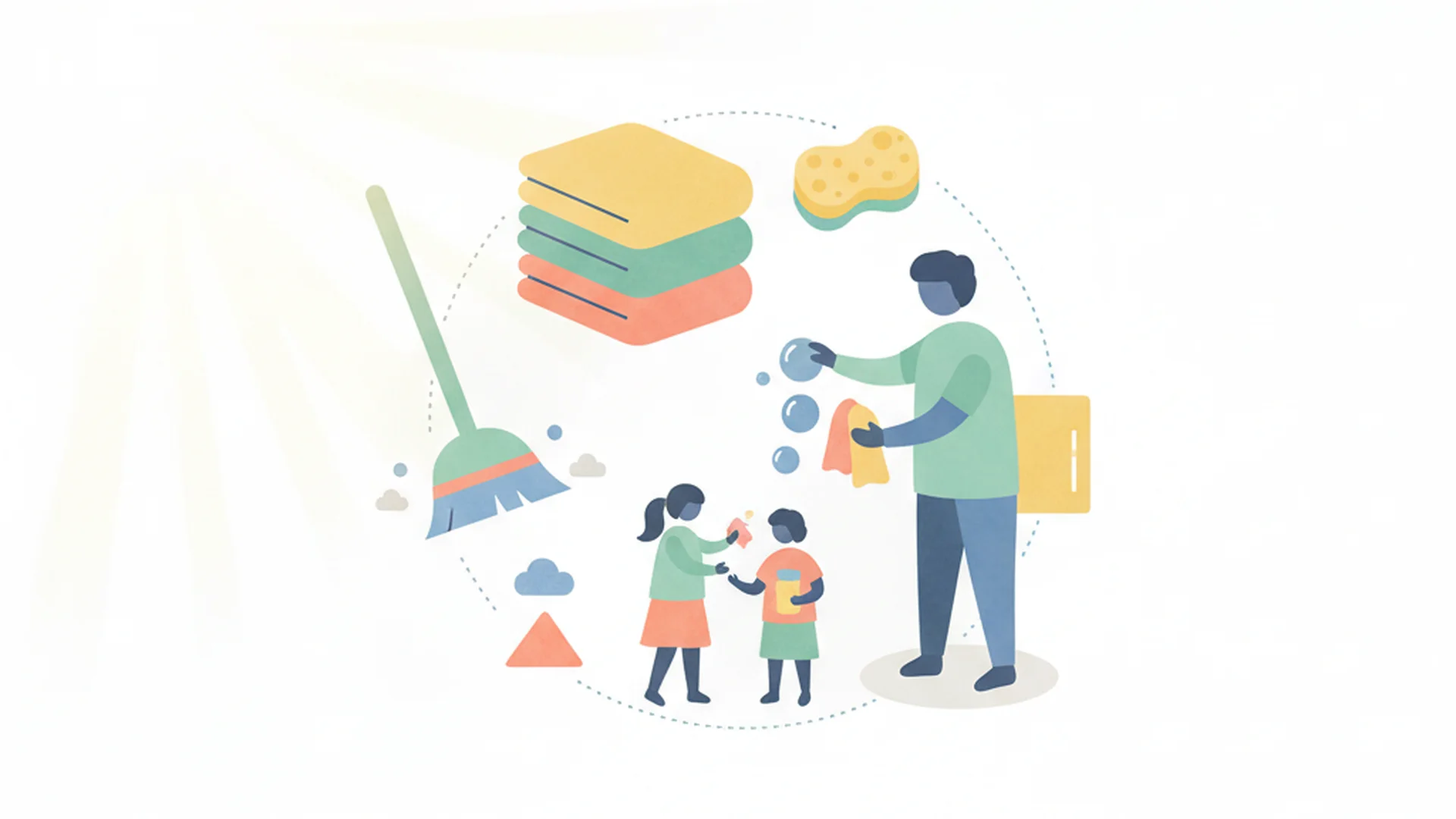
When children participate in an after school chore routine, they aren't just cleaning; they are learning that they are a vital part of a community.
Designing Your After School Chore Routine List
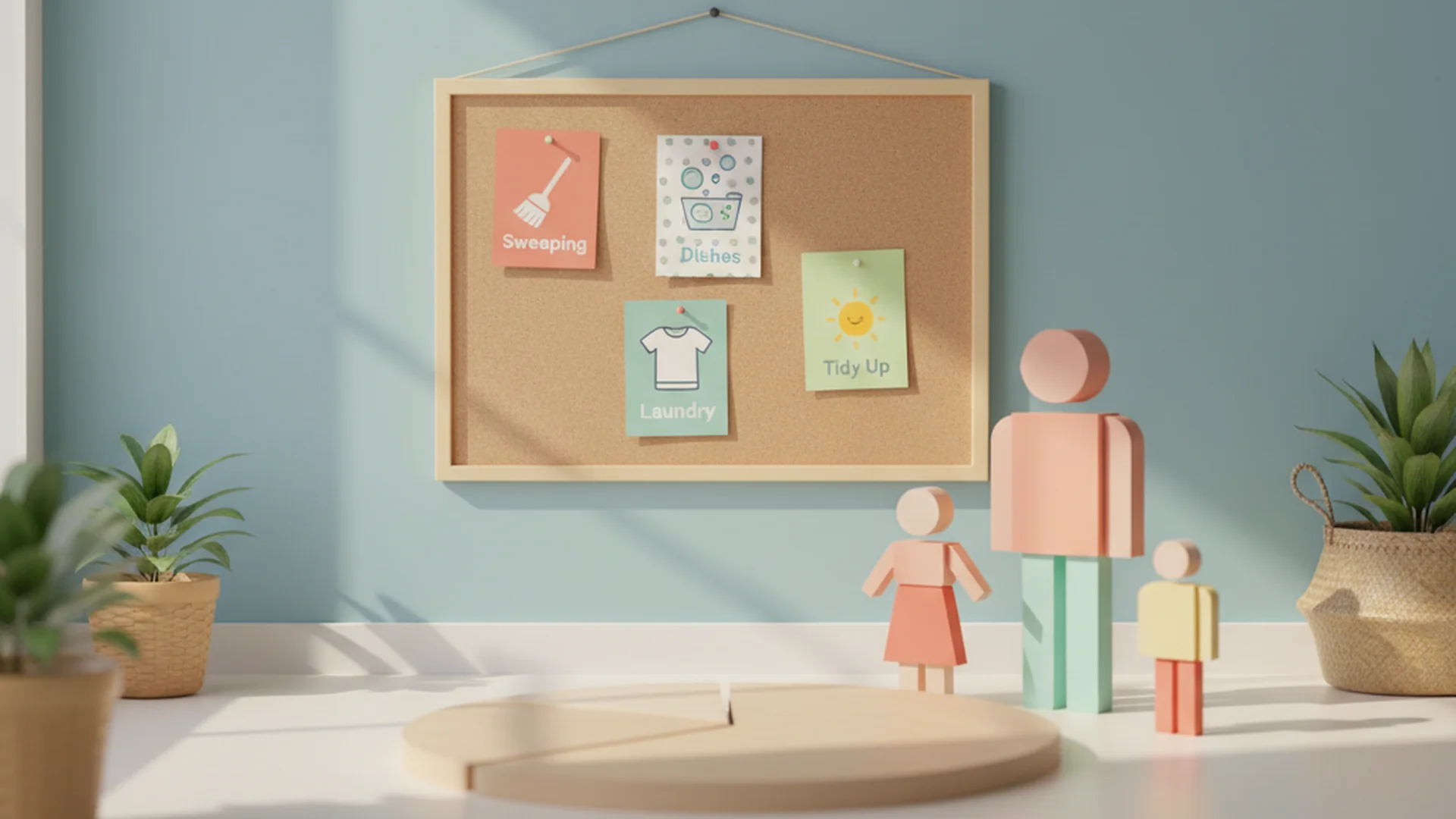
A successful routine isn't one-size-fits-all. It needs to flow with the natural rhythm of your family's evening. Put connection before contribution to avoid the "after-school restraint collapse"—that phenomenon where kids melt down after holding it together all day at school.
The "Reset" Sequence
- The Connection Window (10–15 mins): Before mentioning the after school chore routine list, offer a snack and eye contact. This "Connection First" rule ensures the child feels seen before they are asked to perform.
- The Unpack: Emptying lunchboxes, hanging up backpacks, and placing dirty gym clothes in the hamper.
- Homework Block: Focus on academic tasks while the mind is still in "school mode."
- The Physical Reset (The Chore): A 15-minute physical task acts as a transition from "work" to "play."
- The Reward: Free time, screens, or outdoor play.
Tip: Use the "When-Then" framework. Instead of saying "Clean up or no TV," try "When your laundry is folded, then you can have screen time." This positions the chore as a prerequisite rather than a punishment.
Age-Appropriate After School Chore Routine Ideas
| Age Group | Recommended Chores | Developmental Skill |
|---|---|---|
| Ages 3–5 | Put toys in bins, match socks, clear own plate | Sorting & Categorization |
| Ages 6–9 | Load dishwasher, sweep floors, fold towels | Sequencing & Coordination |
| Ages 10–13 | Cook simple meals, clean bathroom, vacuum | Planning & Safety |
| Ages 14+ | Manage own laundry, grocery shop, deep clean | Resource Management |
Note: Consistency over perfection is key. If a 7-year-old makes their bed "imperfectly," leave it. Redoing their work sends the message that their contribution isn't good enough.
Recent Trends: AI and Gamification in 2026
As we move into 2026, the way families manage the after school chore routine is becoming increasingly high-tech. The goal is to move the "mental load" away from parents and onto a system.
AI-Enhanced Management
New AI apps like Chaos and BeFamily have changed the game. These platforms sync with your family’s real-time calendar. If a child has a late soccer practice or a heavy project night, the AI automatically shifts their chores to a lighter day, preventing burnout and reducing parent-child friction.
The Gamified Autonomy Model
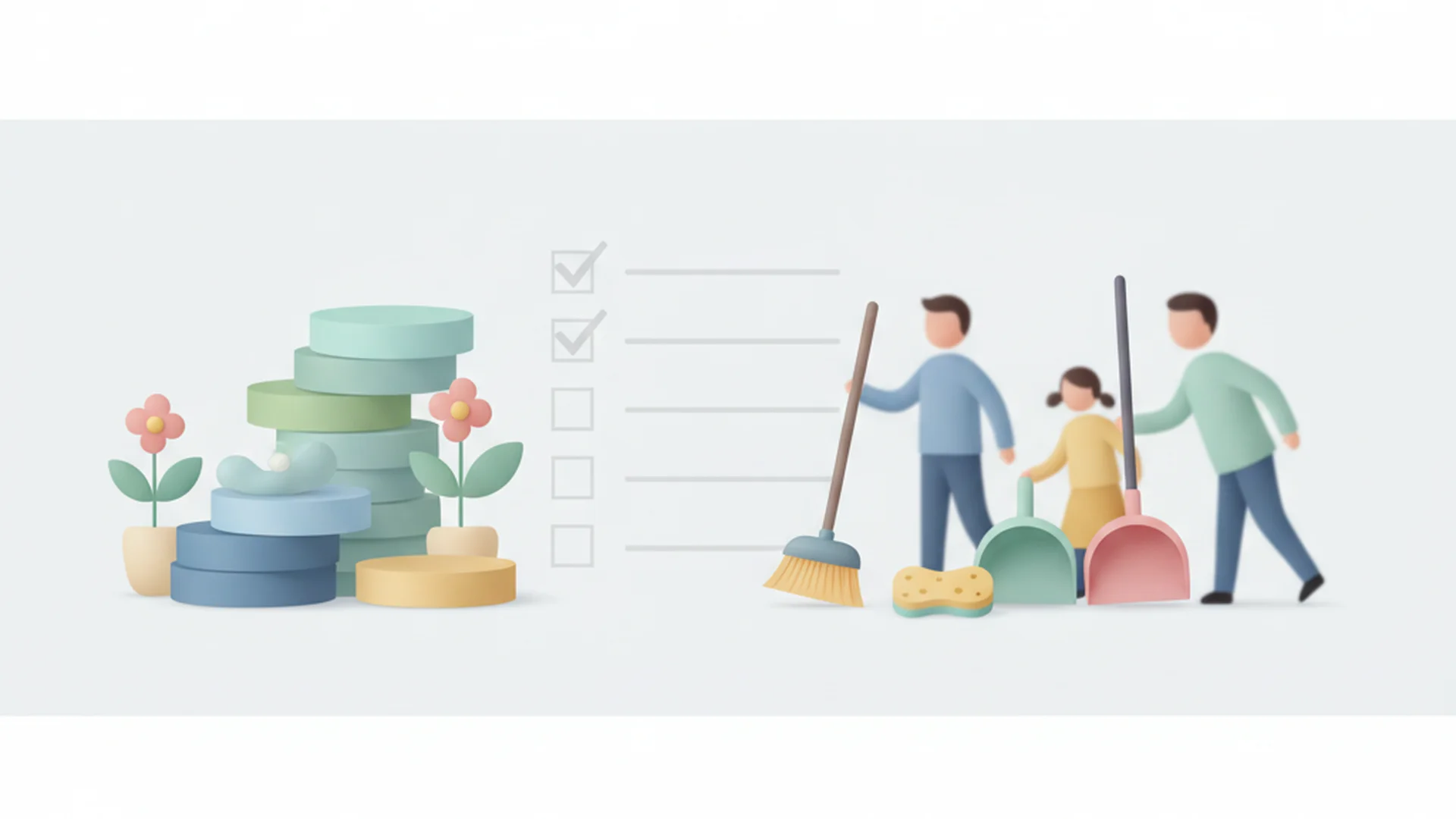
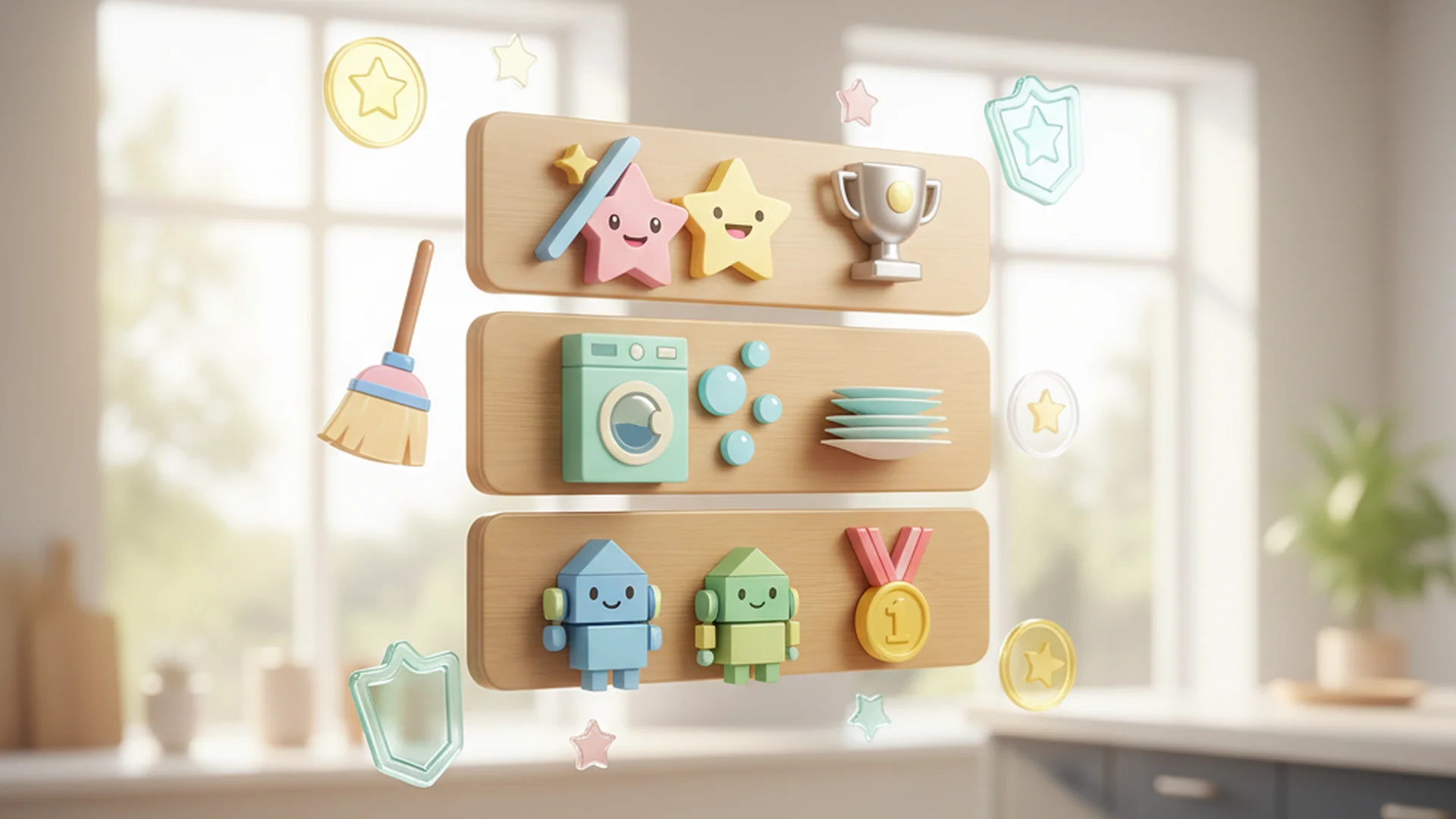
The "PBL" (Points, Badges, Leaderboards) model has moved from video games into the home. Apps like Joon and Habitica turn the after school chore routine list into a series of "quests." Kids earn digital rewards or "unlock" real-life privileges by completing their tasks, which fosters intrinsic motivation.
Financial Literacy Integration
In 2025 and 2026, we see a massive trend in linking chores to digital banking. Apps like Greenlight and BusyKid now include "Investing" features. When kids earn money from "extra-mile" chores, they can choose to split their earnings into savings, spending, and stock investments, teaching them the value of labor and capital simultaneously.
Success: With a gamified system, the app—not the parent—becomes the reminder, which takes much of the nagging out of the evening routine.
Common Mistakes to Avoid
Even with the best intentions, certain habits can derail an after school chore routine. As a professional cleaning consultant, I often see parents fall into these four traps:
1. The "Rewards Economy" Trap
Over-rewarding every tiny task (like putting a dish in the sink) can lead to a "what's in it for me?" attitude. Separate "citizen chores" (unpaid tasks done because you live there) from "extra-mile chores" (paid tasks like washing the car).
2. Vague Instructions
Telling a child to "clean the kitchen" is an invitation for failure. To a ten-year-old, that might mean moving one sponge. Instead, give specific, actionable steps: "Load the dishwasher, wipe the table, and put the bread back in the pantry."
3. Starting Too Late
Many parents wait until their child is "capable" (often around age 10), but by then, resistance is high. Starting at age 2 or 3—even if the "help" actually takes you longer—builds the habit of contribution before the teenage years hit.
4. "Wresting the Spoon"
This is the "Montessori Mistake." Taking over a task because the child is too slow or messy thwarts their desire to help. If you take the vacuum away because they are missing spots, they will eventually stop trying altogether.
Warning: In most households, mothers still carry the lion's share of the mental load. Failure to delegate through a routine is a leading cause of parental burnout.
Real-World Examples of Success
Example 1: The "Basket Method" (Ages 6-10) The Miller family uses a "One-Basket" rule. Each child has a basket at the bottom of the stairs. Their after school chore routine begins with finding three items in the common area that belong to them, putting them in the basket, and returning them to their room. It takes five minutes but keeps the living room clear.
Example 2: The "Podcast Partner" (Ages 11-14) The Nguyen family allows their pre-teens to listen to their favorite podcast or music only while doing chores. This "temptation bundling" makes folding laundry or emptying the dishwasher something the kids actually look forward to.
Example 3: The "Kitchen Team" (Ages 14+ ) For the Garcia family, the high schooler is responsible for "Kitchen Closing" on Tuesday and Thursday. This involves clearing the counters and starting the dishwasher. In exchange, they are exempt from chores on the weekend, teaching them the value of time-management and trade-offs.
Frequently Asked Questions
Should I pay my kids for their after school chore routine?
What is the best time for chores: before or after homework?
What if my child is overscheduled with sports and clubs?
How do I handle a child who flat-out refuses to do their routine?
Conclusion
At the end of the day, we aren't just trying to get the floors swept or the dishes washed. We are using the after school chore routine to raise capable, confident, and conscientious future adults. By integrating proven methods, 2026 technology, and a "team-first" mentality, you can reduce the mental load on yourself while giving your children the tools they need for lifelong success.
Success: A well-implemented routine doesn't just result in a cleaner house; it results in a more harmonious home where everyone knows they belong and their contribution matters.
Cleaning that keeps score
Every task earns points, every streak multiplies them, and Premium adds a household leaderboard plus a monthly Dustagorgon to beat.
- Free forever
- 30 badges to earn
- Up to 6 in a household
No card needed. Set up your rooms in a couple of minutes.