In this article
What you’ll learn
- Chores transition from "help" to essential life skill development at age 13.
- Collaborative charting and digital tools are more effective than top-down stickers.
- Establishing clear "Done Definitions" prevents arguments and ensures quality.
Entering the teenage years is a massive milestone for both parents and children. At thirteen, your child is no longer a "kid" helping out; they are a young adult in training. Implementing a system for chores 13 year olds can do, isn't just about keeping the house clean—it is about fostering the executive functioning skills they need for high school and beyond. From managing their own laundry to contributing to family meals, these tasks provide the foundation for future independence.
Why Household Contributions Matter
Why does it feel like such a struggle to get a teenager to unload the dishwasher? Understanding the "why" behind chores can help parents stay motivated during the "thirteen-age" friction.
Few things set a child up for adult success as reliably as having performed real chores growing up. Most of today's parents grew up doing them, yet far fewer require the same of their own children. This "participation gap" means many 13-year-olds are missing out on critical developmental milestones.
Household tasks help 13-year-olds develop executive functioning skills. Specifically, chores target task initiation, time management, and organization. When a 13-year-old has to figure out how to fit their laundry, homework, and soccer practice into one evening, they are practicing high-level cognitive skills that will be essential in college and the workforce.
Essential Chores 13 Year Olds List
At thirteen, the scope of work shifts from "surface cleaning" to "management." Your teen should be capable of seeing a task through from start to finish without constant supervision.
Master Household Contribution Table
| Category | Chore Idea | Frequency |
|---|---|---|
| Kitchen | Loading/Unloading dishwasher & wiping counters | Daily |
| Laundry | Sorting, washing, drying, and putting away own clothes | Weekly |
| Bathroom | Deep cleaning toilet, sink, mirror, and shower | Weekly |
| Pets | Feeding, walking, and cleaning litter box/yard | Daily |
| Outdoor | Mowing the lawn or washing the family car | Bi-Weekly |
| Management | Planning and cooking one family meal | Weekly |
Tip: Use a "Done Definition" for every chore. For example, "Kitchen Clean" means the counters are wiped, the sink is empty, and the dishwasher is running. This prevents the "I thought I was done" excuse.
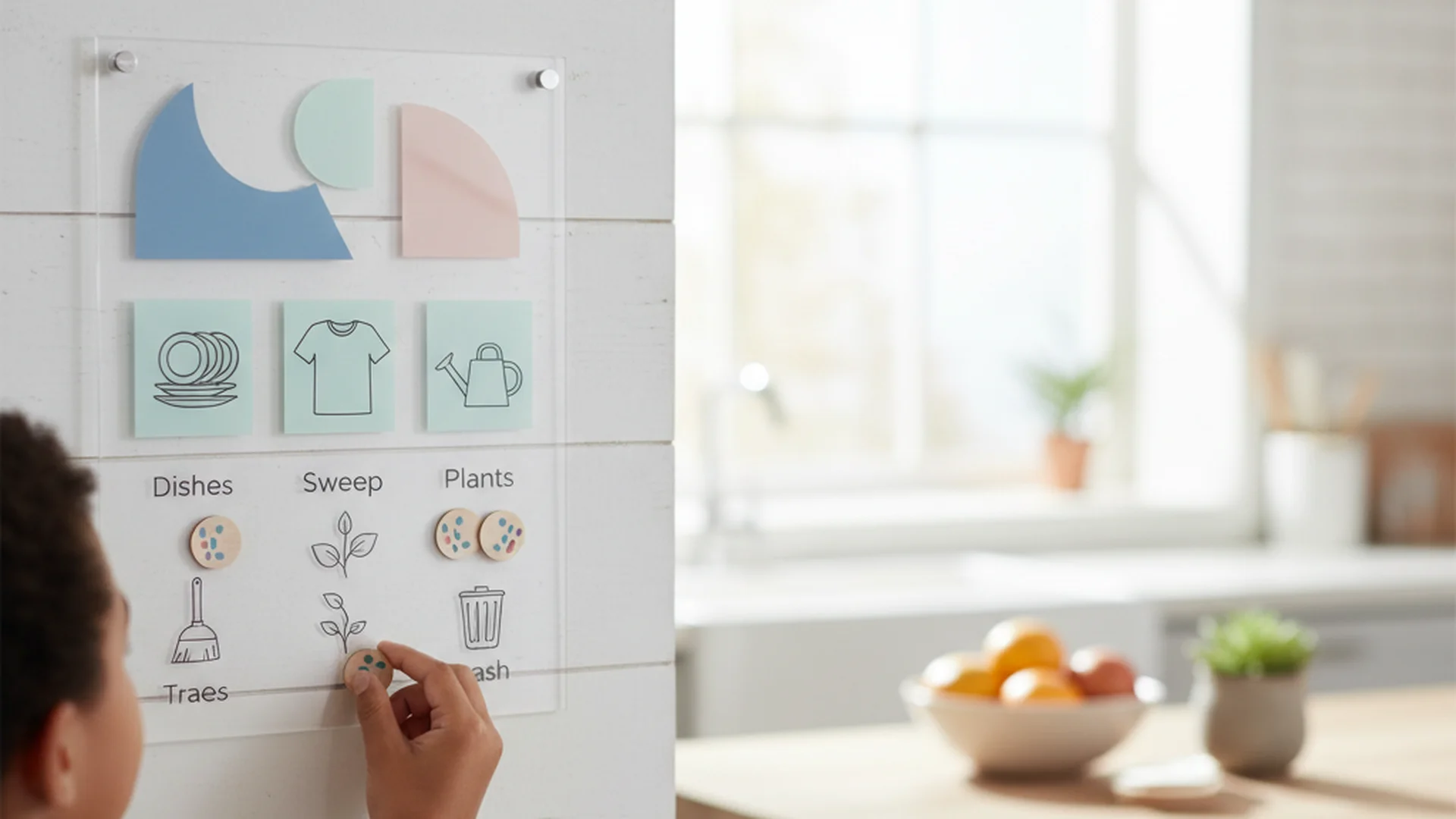
Collaborative Charting: Why 13 Is Too Old for Stickers
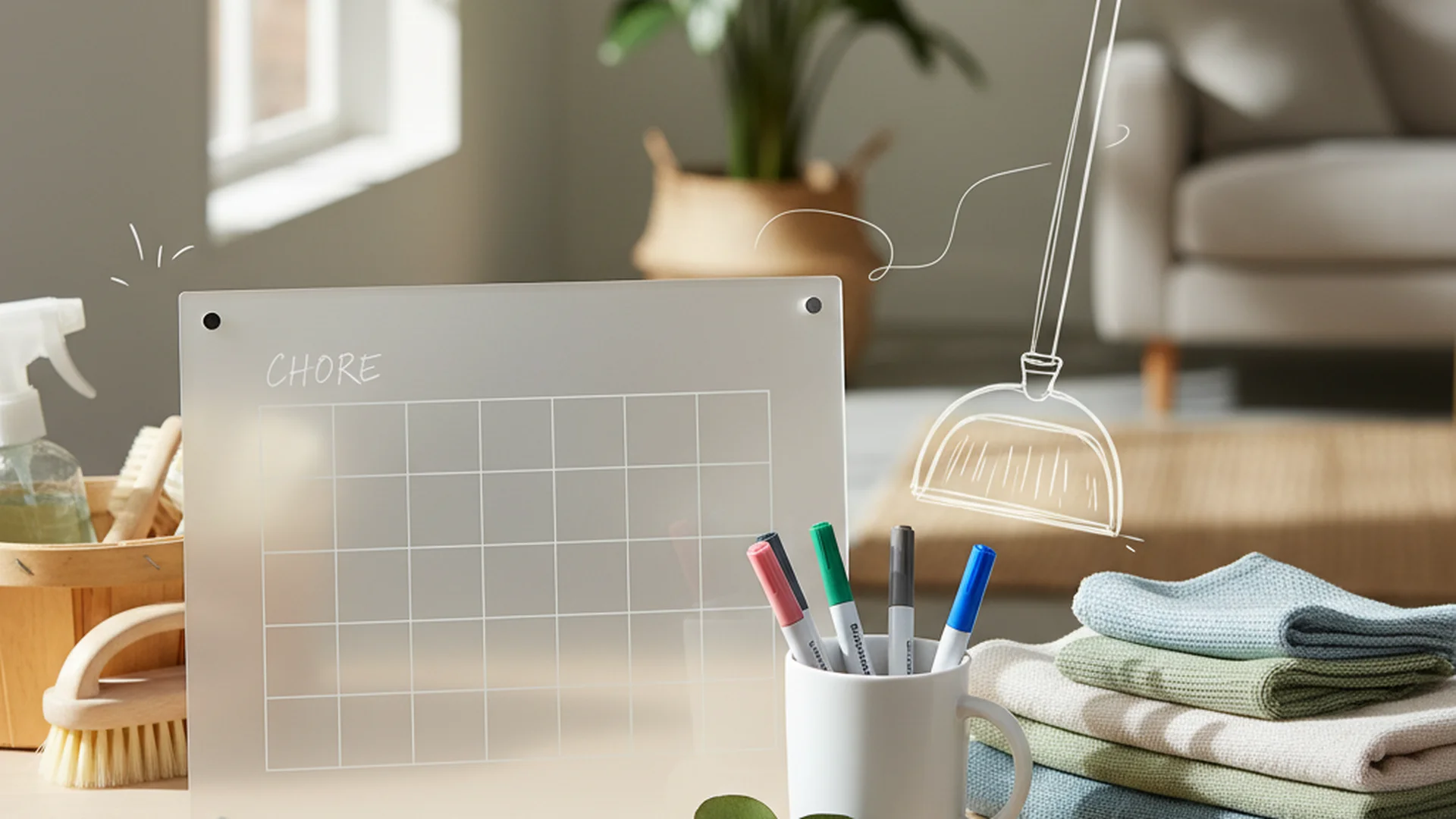
If you try to put a gold star on a chart for a 13-year-old, you will likely be met with an eye-roll. At this age, the "Top-Down" approach—where the parent dictates every move—usually fails.
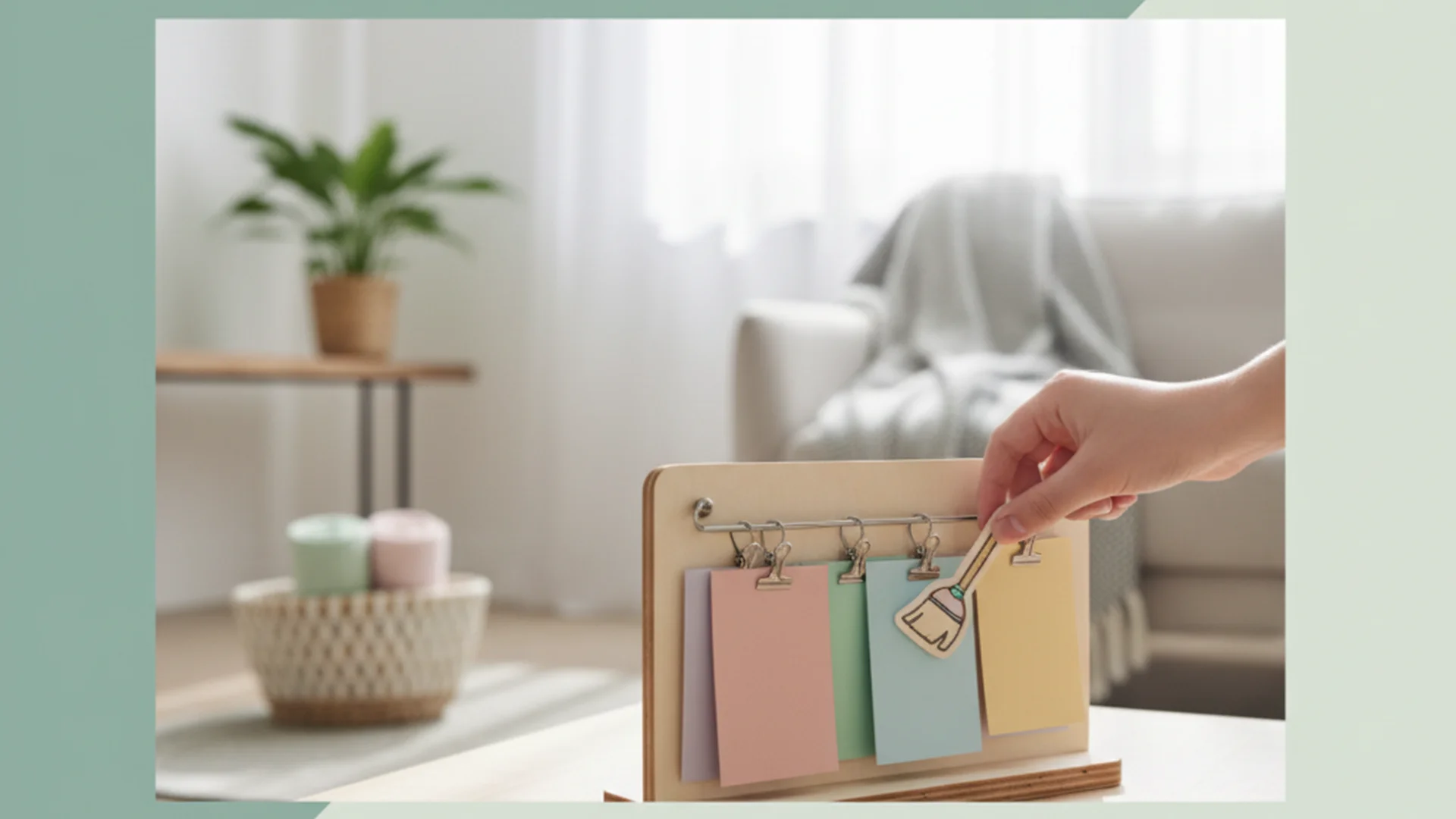
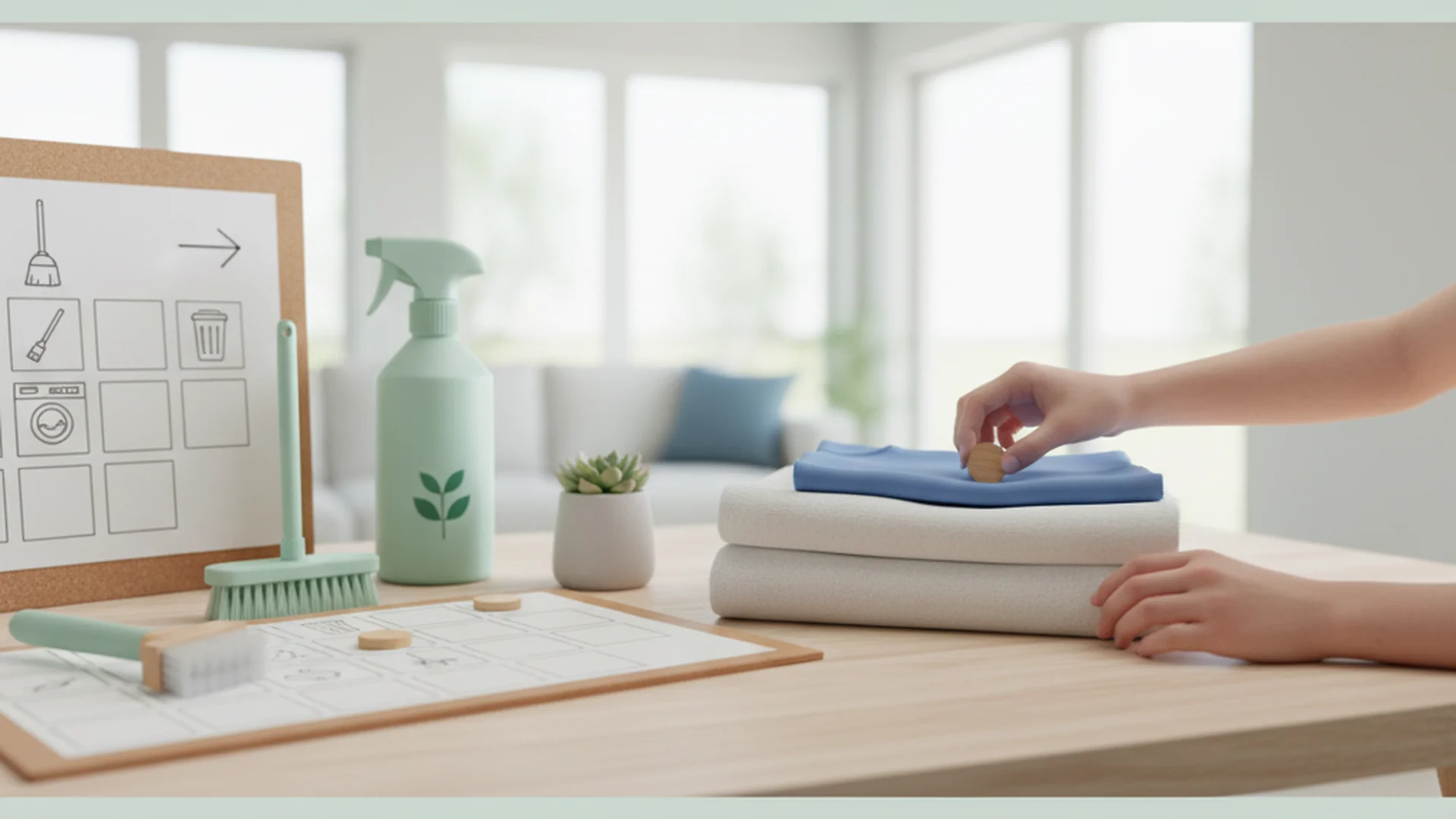
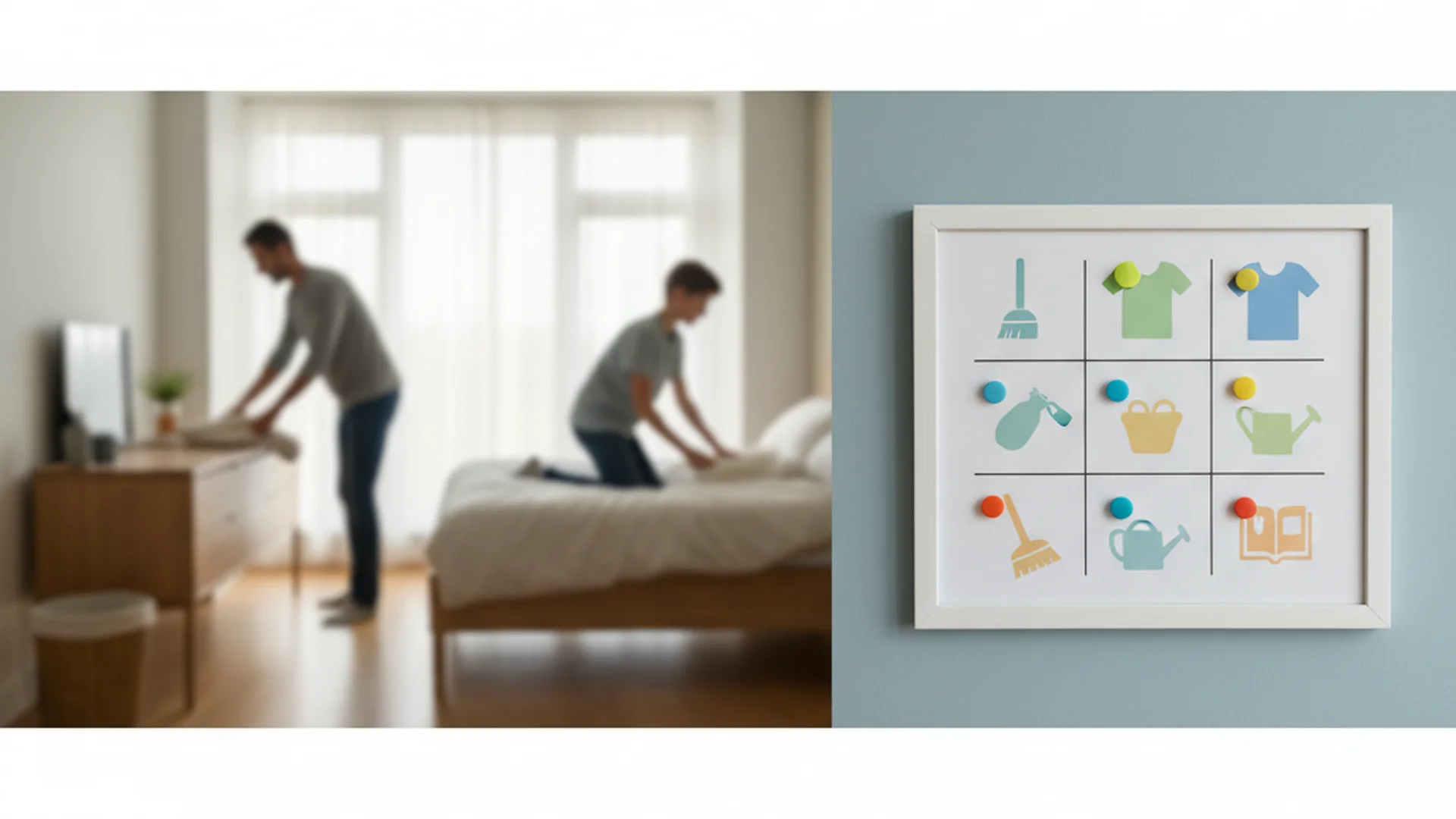
Instead, move toward Collaborative Charting. Sit down with your teen and discuss the needs of the household. Allow them to have a say in which "zones" they are responsible for. When a teen feels they have autonomy over their schedule, they are far more likely to follow through.
Note: Many parents are finding success with "flexible chore windows." Instead of demanding a chore be done at 4:00 PM, try setting a deadline of "before 9:00 PM." This respects the teen’s need for autonomy and self-regulation.
Real-World Examples of Chore Success
1. The "Laundry Independent" (Marcus, 13)
Marcus struggled with "misplaced" sports jerseys. His parents transitioned him to full laundry autonomy. He was taught the "I Do, We Do, You Do" method. Now, Marcus is responsible for his own clothes from the hamper to the drawer. If he doesn't wash his jersey by Friday, he doesn't have it for Saturday’s game—a natural consequence that taught him more than nagging ever could.
2. The "Sustainability Officer" (Chloe, 13)
Chloe felt a deep connection to environmental issues. Her parents assigned her the role of "Eco-Chore Lead." She manages the household composting, sorts difficult recyclables like e-waste and batteries, and monitors the home’s energy usage. This aligned her household contributions with her personal values, increasing her engagement.
3. The "Sunday Reset" (The Thompson Family)
Instead of daily nagging, the Thompsons implemented a "Sunday Reset." For two hours on Sunday afternoon, everyone in the family (including the 13-year-old) works together to prep the house for the week. They use "Body Doubling"—a trend where staying in the same room while working helps maintain focus—to make the time pass quickly and reduce the feeling of being "singled out."
Trends in 2025-2026: The Digital Shift
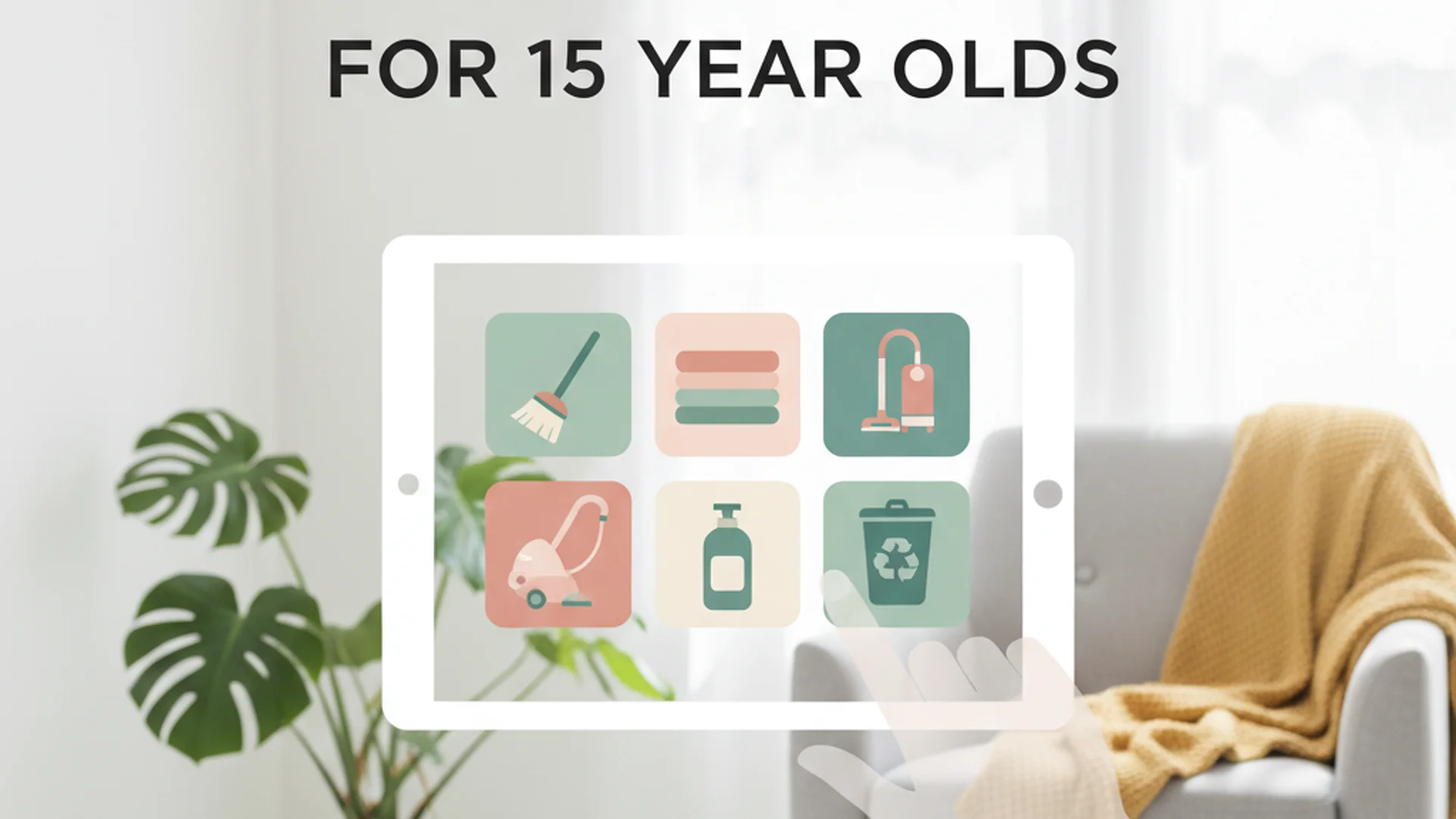
The traditional paper chart on the fridge is being replaced by digital ecosystems. For 2026, the trend is moving toward integrated financial literacy and chore management.
- Gamification Apps: Tools like Greenlight, GoHenry, or BusyKid allow parents to assign tasks and link completion directly to a debit card or allowance.
- Smart Home Integration: 13-year-olds are often the most tech-savvy members of the house. Tasking them with "Digital Housekeeping"—updating the family calendar, organizing cloud storage for photos, or changing air filters—utilizes their strengths.
- The "Body Doubling" Method: Emerging from ADHD support circles, this technique involves simply being in the vicinity of your teen while they work. It provides a "social anchor" that helps them stay on task without you needing to say a word.
Warning: Avoid using chores as a punishment. If "cleaning the garage" is the penalty for a bad grade, your teen will develop a lifelong negative association with maintaining their environment.
Common Mistakes to Avoid
- The Perfectionism Trap: If you re-do the chore because the towels aren't folded "your way," your teen learns that their effort is insufficient. They will eventually stop trying because they know you'll just do it anyway.
- The Homework Excuse: Many parents exempt teens from chores because they have a heavy school load. This is a mistake. It teaches teens that "work" (school) is more important than "community" (family), which can lead to severe burnout in adulthood.
- Nagging Over Consequences: Nagging is a power struggle that the parent usually loses. Replace it with natural consequences. "If the table isn't cleared, we can't start the movie" is more effective than "Clear the table right now!"
- Inconsistency: If you only enforce the chore chart when you are stressed or the house is messy, the teen views chores as an emotional reaction rather than a standard household expectation.
Success: When a 13-year-old masters a difficult chore, like cooking a full meal, praise the process and the contribution to the family rather than just the result.
Frequently Asked Questions
Should I pay my 13-year-old for chores?
How many chores are too many for a middle schooler?
Is 13 too old for a chore chart?
My teen refuses to do chores. What do I do?
Conclusion
Creating a system for chores 13 year olds can manage is a transformative step in their journey toward adulthood. By moving away from the "nag-and-resist" cycle and toward a model of collaborative contribution, you aren't just getting a cleaner house—you are raising a capable, responsible human being. Remember to focus on the "Done Definition," utilize digital tools where appropriate, and stay consistent with natural consequences.
Cleaning that keeps score
Every task earns points, every streak multiplies them, and Premium adds a household leaderboard plus a monthly Dustagorgon to beat.
- Free forever
- 30 badges to earn
- Up to 6 in a household
No card needed. Set up your rooms in a couple of minutes.