In this article
What you’ll learn
- Transition from 'bribing' to an agreed-upon reward framework.
- Use a hybrid model that balances household duties with paid tasks.
- Implement 2025 trends like quality badges and digital command centers.
The "chore gap" is a growing phenomenon in modern parenting. Most of today’s adults grew up with regular household responsibilities, yet far fewer are passing those habits down to their own children. Navigating the world of household management can feel like a constant battle of wills, but implementing a structured chore reward system kids actually enjoy can bridge this gap. By turning "work" into a tangible learning experience, you aren't just getting a cleaner house—you are fostering long-term executive functioning and a sense of belonging.
In this guide, we will explore the most effective ways to build a chore reward system kids will respond to, including current allowance trends and what chores actually teach.
Why Chores Matter: More Than Just a Clean House
It is easy to think of chores as a way to lighten the load for parents, but the benefits for the child are far more profound. Children who were given chores tend to develop a stronger work ethic and more confidence in their own competence later in life.
Chores also act as a workout for "executive functioning." When a child follows a chore reward system kids chart, they are practicing working memory, inhibitory control, and cognitive flexibility. They have to remember the steps of the task, resist the urge to quit halfway through, and adjust their plan if something goes wrong (like a spilled bucket of water).
Success: Children who participate in chores from a young age tend to feel more capable and more settled as adults.
Creating Your Chore Reward System Kids List
The foundation of any successful system is knowing what is age-appropriate. Expecting too much leads to frustration, while expecting too little leads to boredom. Use the following chore reward system kids list to assign tasks that challenge your child without overwhelming them.
Age-Appropriate Task Breakdown
| Age Group | Recommended Chores | Skill Focus |
|---|---|---|
| Toddlers (2-3) | Picking up toys, putting silver in the dishwasher (non-sharp), wiping baseboards. | Gross motor skills & imitation. |
| Preschoolers (4-5) | Feeding pets, watering plants, matching socks, clearing their own plate. | Responsibility & sorting. |
| Early Elementary (6-9) | Emptying the dishwasher, sweeping floors, folding laundry, packing school lunch. | Multi-step sequences. |
| Pre-teens (10+) | Mowing the lawn, washing the car, simple meal prep, taking out trash. | Independence & technical skills. |
Note: Plant care has emerged as the highest-paying chore in 2025, averaging about $2.40 per session. It requires consistency and attention to detail, making it a premium "extra" task.
The 2025 Hybrid Model: Commission vs. Contribution
One of the most frequent questions parents ask is: "Should I pay my kids for basic chores?"
In 2025, experts are leaning toward the "Hybrid Model." In this system, chores are divided into two categories:
- Citizenship Tasks: These are unpaid duties that a child does because they are a member of the family "team" (e.g., making their bed, clearing their plate).
- Commission Tasks: These are "extra" jobs that go above and beyond, which earn money or specific rewards (e.g., washing the windows, weeding the garden).
Tip: Use the "When/Then" method to reinforce these habits. "When you finish your citizenship tasks, then we can look at the commission list to earn your rewards."
Designing an Effective Chore Reward System Kids Chart
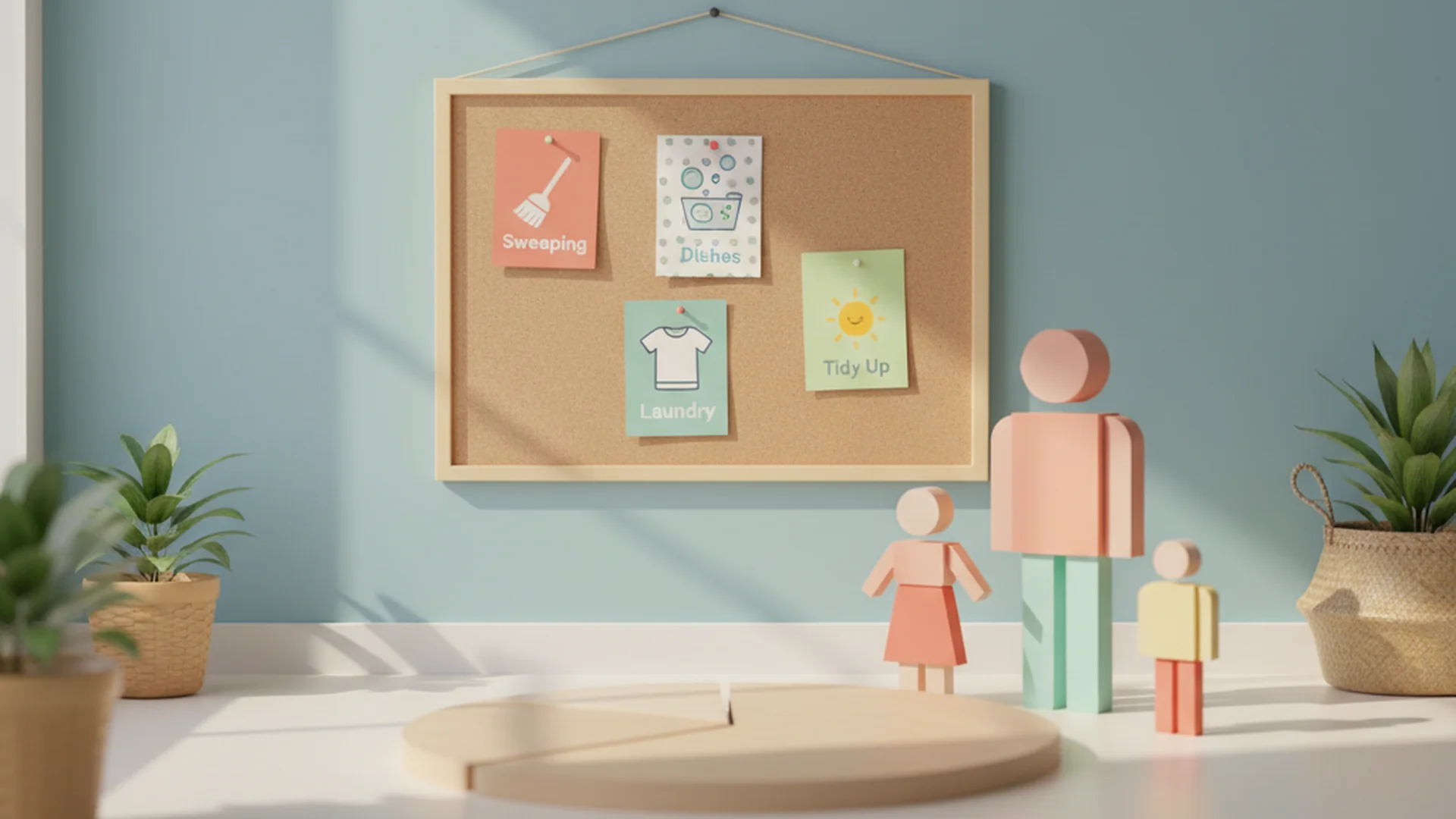
The visual representation of your system is just as important as the tasks themselves. While 2025 has brought us many high-tech solutions, the core principles of a good chore reward system kids chart remain the same: clarity and consistency.
1. The Paper-Based Classic
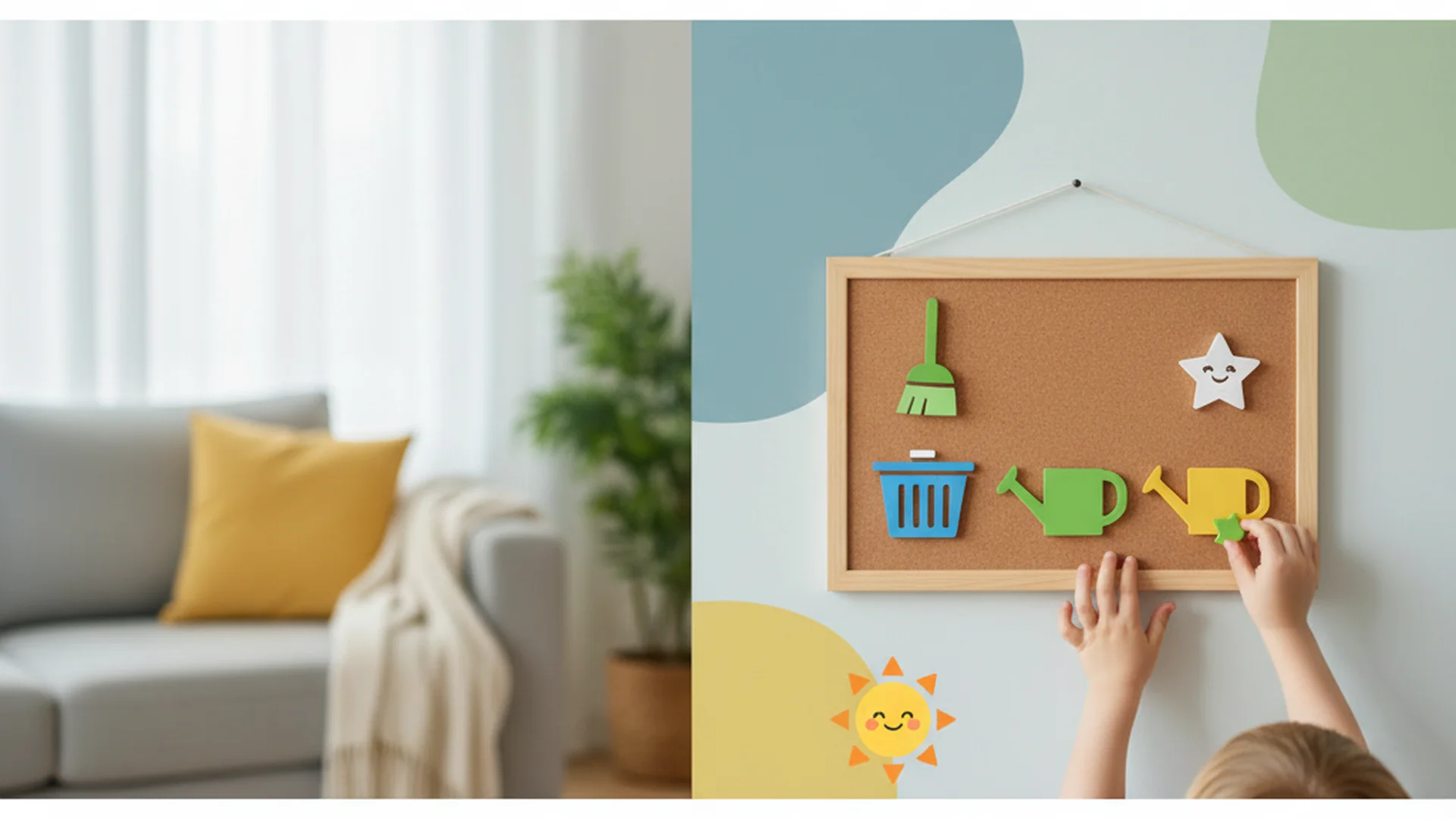
For younger children (ages 3–6), immediate gratification is vital. A simple paper chart with stickers provides a tactile sense of achievement. Every time a sticker is placed, the "work-reward" neural link is strengthened.
2. Digital Command Centers
A major trend for 2025–2026 is the move toward "Smart Displays" like the Skylight or Hearth. These central hubs act as color-coded task lists. When a child taps "complete" on their device, it syncs to the parent’s phone, allowing for real-time tracking and automated reward payouts.
3. The Quality Badge System
Moving away from a simple "done/not done" toggle, many parents are now using a quality tier system.
- Bronze: Task is finished but needs improvement.
- Silver: Task is done correctly.
- Gold: Task is done perfectly with extra effort (earns a bonus).
Warning: Avoid "Reward Fatigue." If you offer a reward for every tiny action, the child may stop doing anything unless a bribe is offered first.
Real-World Examples of Chore Systems in Action
Example 1: The "Plant Whisperer" (Focus on Earnings)
The Rodriguez family implemented a system where their 10-year-old was responsible for all indoor and outdoor plants. Because this is a high-value task, they paid $2.50 per watering session. The child learned to research which plants needed more water than others, effectively turning a chore into a mini-botany lesson.
Example 2: The "Get Out of Jail Free" Pass
Not all rewards need to be monetary. The Thompson family uses a "chore swap" system. For every 10 points their daughter earns by cleaning the bathroom (a high-effort task), she receives a "Get out of one chore" pass that she can use on a night when she has extra homework or just needs a break.
Example 3: Social Impact Matching
A growing trend in 2026 is "Charity Matching." 8-year-old Leo earns $10 a week through chores. His parents agree to match 20% of whatever he chooses to donate to the local animal shelter. This teaches the child that work doesn't just benefit the self, but the wider community.
2025-2026 Trends: AI and Accessibility
The landscape of household management is changing rapidly with the integration of new technologies.
- AI-Powered "Chore Coaches": Apps like Chaos now use AI to analyze a family’s busy schedule. If the AI sees that a child has soccer practice and a math test, it suggests moving their chores to a lighter day, reducing family friction.
- Neurodivergent-Friendly Design: Modern chore systems are increasingly focused on inclusivity. For kids with ADHD or Autism, "Now/Next" boards and visual timers are being integrated into digital charts to help manage sensory load and transitions.
Tip: If your child is neurodivergent, look for systems that use "High-Contrast" visual cues rather than dense text lists.
Common Mistakes to Avoid
Even the best-intentioned chore reward system kids use can fail if certain pitfalls aren't avoided.
The Perfection Trap
Expecting a 6-year-old to fold towels with hotel-level precision is a recipe for disaster. If the effort was there and the result is "good enough," give the reward. Perfectionism kills the intrinsic motivation to help.
Bribing vs. Rewarding
There is a massive psychological difference between these two. A bribe is offered during a tantrum to make it stop. A reward is an agreed-upon incentive for a task completed. If you find yourself offering a cookie so your child will stop screaming and pick up a toy, that is a bribe—not a system.
Delaying the Payout
For younger children, the gap between the work and the reward should be as short as possible. If they earn a sticker on Monday but don't get the "prize" until Sunday, they may lose the connection between the effort and the result.
Warning: Never take away earned chore money as a punishment for unrelated bad behavior (like hitting a sibling). This devalues the concept of "work for pay" and can lead to resentment toward chores.
Frequently Asked Questions
Should I pay my kids for basic chores?
At what age can my child start chores?
What if my child refuses to do chores even with a reward?
How often should rewards be given?
Are digital chore apps better than paper charts?
Conclusion
Building a chore reward system kids actually stick to requires a balance of structure, empathy, and modern tools. By categorizing tasks correctly, utilizing age-appropriate lists, and avoiding the "perfection trap," you are doing more than just cleaning your floors—you are raising a capable, responsible adult. Whether you use a high-tech AI coach or a simple sticker chart, the goal remains the same: teaching your child that their contribution to the family matters.
Success: Families who implement a consistent chore system usually find the nagging drops off sharply within the first few months.
Cleaning that keeps score
Every task earns points, every streak multiplies them, and Premium adds a household leaderboard plus a monthly Dustagorgon to beat.
- Free forever
- 30 badges to earn
- Up to 6 in a household
No card needed. Set up your rooms in a couple of minutes.