In this article
What you’ll learn
- Yellow stains are caused by a reaction between aluminum and sweat proteins.
- Avoid chlorine bleach and high heat, which can permanently set the stain.
- Enzymatic cleaners and "Golden Ratio" DIY pastes are the most effective solutions.
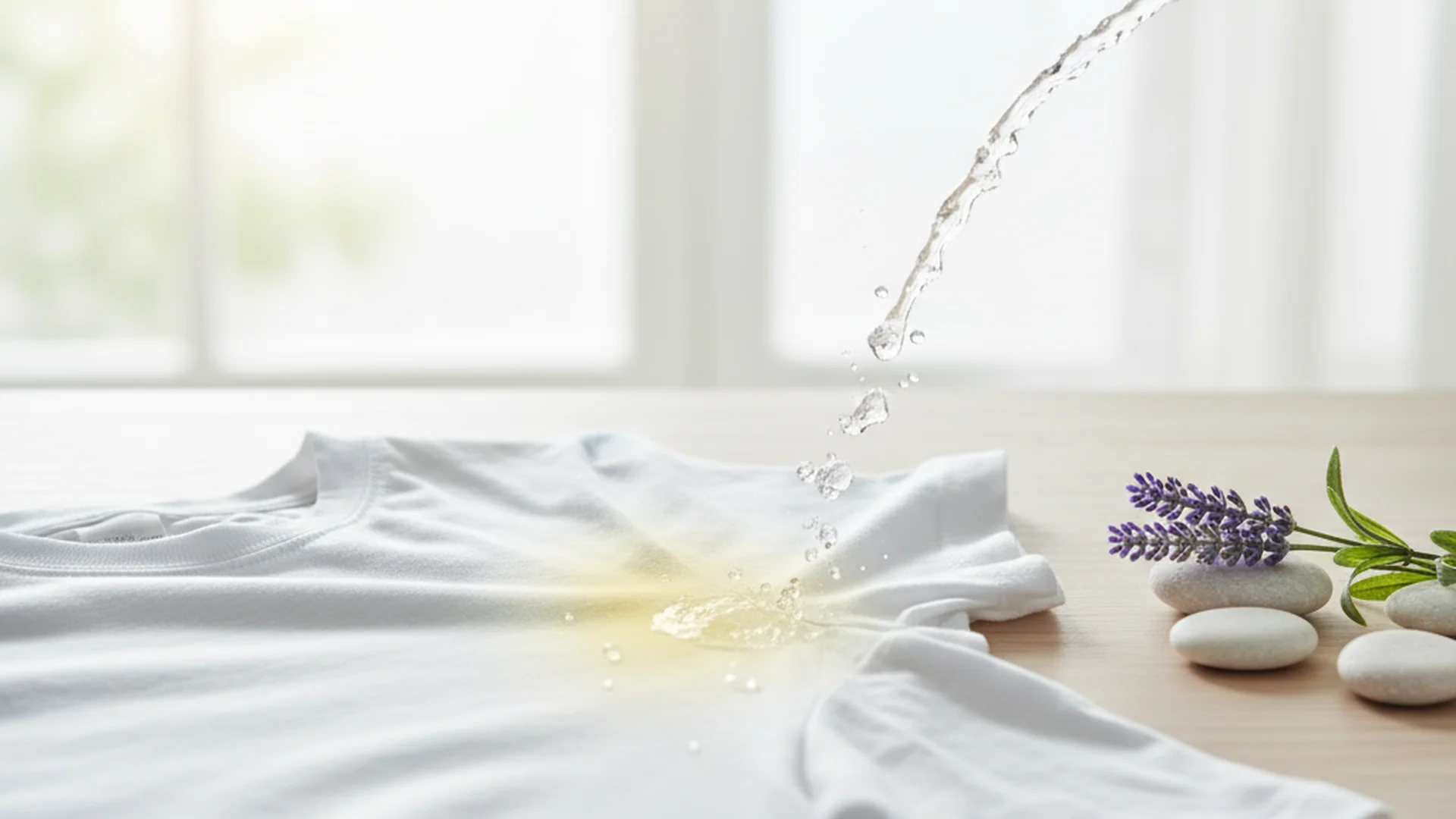
We have all been there: you pull your favorite crisp white t-shirt out of the drawer, only to find unsightly, stiff yellow crusts under the arms. It is a frustrating discovery that leads many to believe the garment is ruined, and plenty of people throw away clothing solely because of these stubborn marks. However, learning how to remove armpit stains is easier than you think once you understand the science behind the yellowing.
The secret is that sweat itself is actually clear and odorless. Those yellow patches are the result of a chemical "collision" between the proteins in your sweat and the aluminum compounds found in most traditional antiperspirants. When these two meet, they form a stubborn bond that binds to fabric fibers, especially when exposed to the high heat of a tumble dryer.
In this guide, we will explore the most effective ways to remove armpit stains from fabric and even how to remove armpit stains from carpet if a mishap occurs during your morning routine.
The Science of the Stain: Why It Happens
Before we dive into the solutions, it is important to understand what we are fighting. A huge amount of perfectly wearable clothing is thrown out every year, and a good deal of that waste is driven by the misconception that yellow stains are permanent.
When you apply antiperspirant, the aluminum salts are designed to "plug" your sweat glands. However, when you move and sweat, some of those salts migrate into the fabric of your shirt. There, they react with the apocrine sweat proteins. This reaction creates a waxy, yellow residue that standard laundry detergents often struggle to break down.
Note: Many people try a single standard wash cycle and then give up on a stained garment. Standard washing is often insufficient for the aluminum-protein bond.
How to Remove Armpit Stains from Fabric
When you need to remove armpit stains from fabric, the goal is to break the chemical bond without damaging the integrity of the material. Whether you are dealing with cotton, linen, or synthetic blends, the following methods are the ones worth trying first.
The "Golden Ratio" DIY Paste
This is the gold standard for home remedies. It uses oxygenation and mild abrasion to lift the residue.
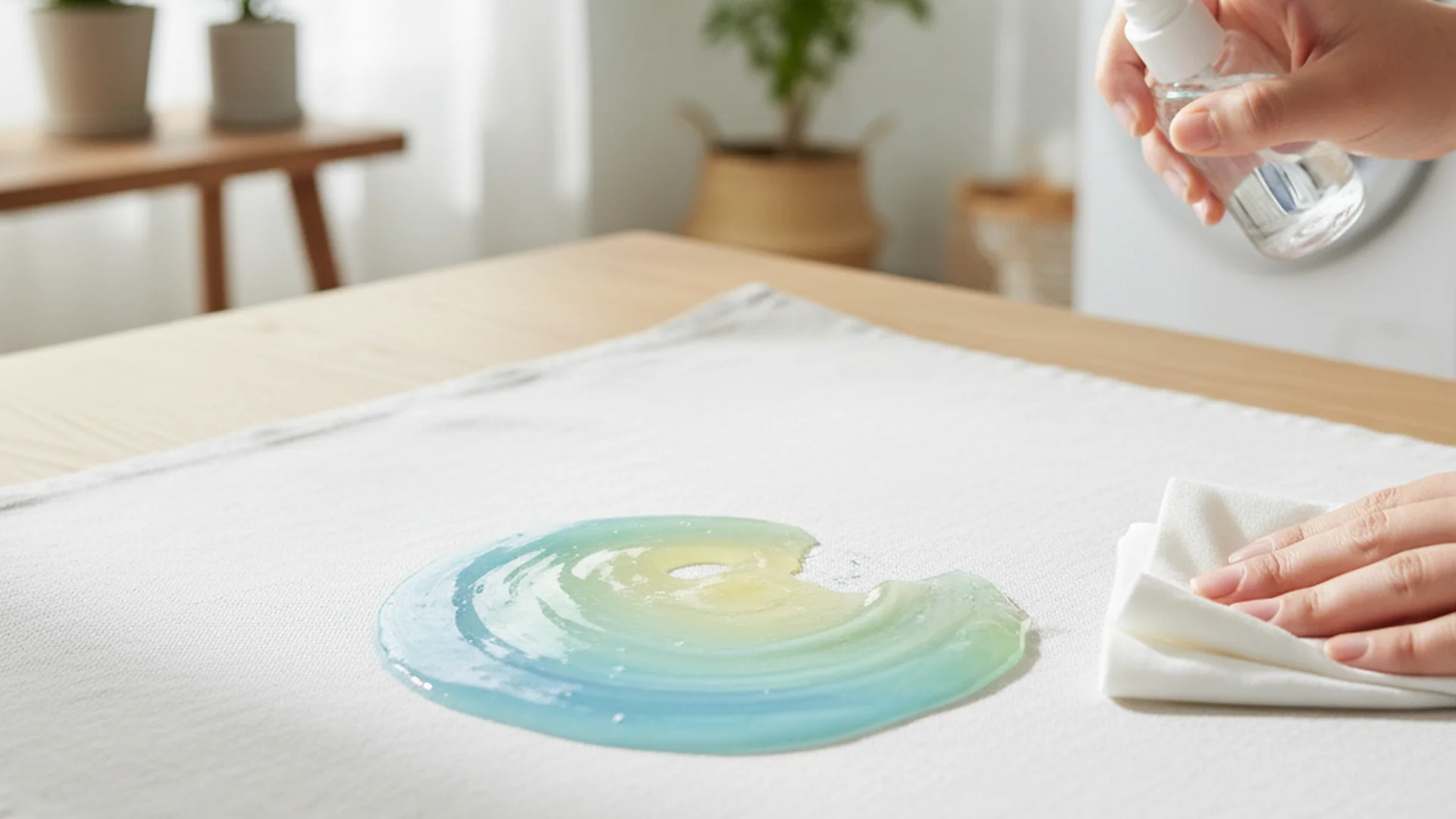
- Mix the Paste: Combine 1 part baking soda, 1 part hydrogen peroxide, and 1 part water.
- Apply: Lay the garment flat and spread the paste thickly over the yellowed area.
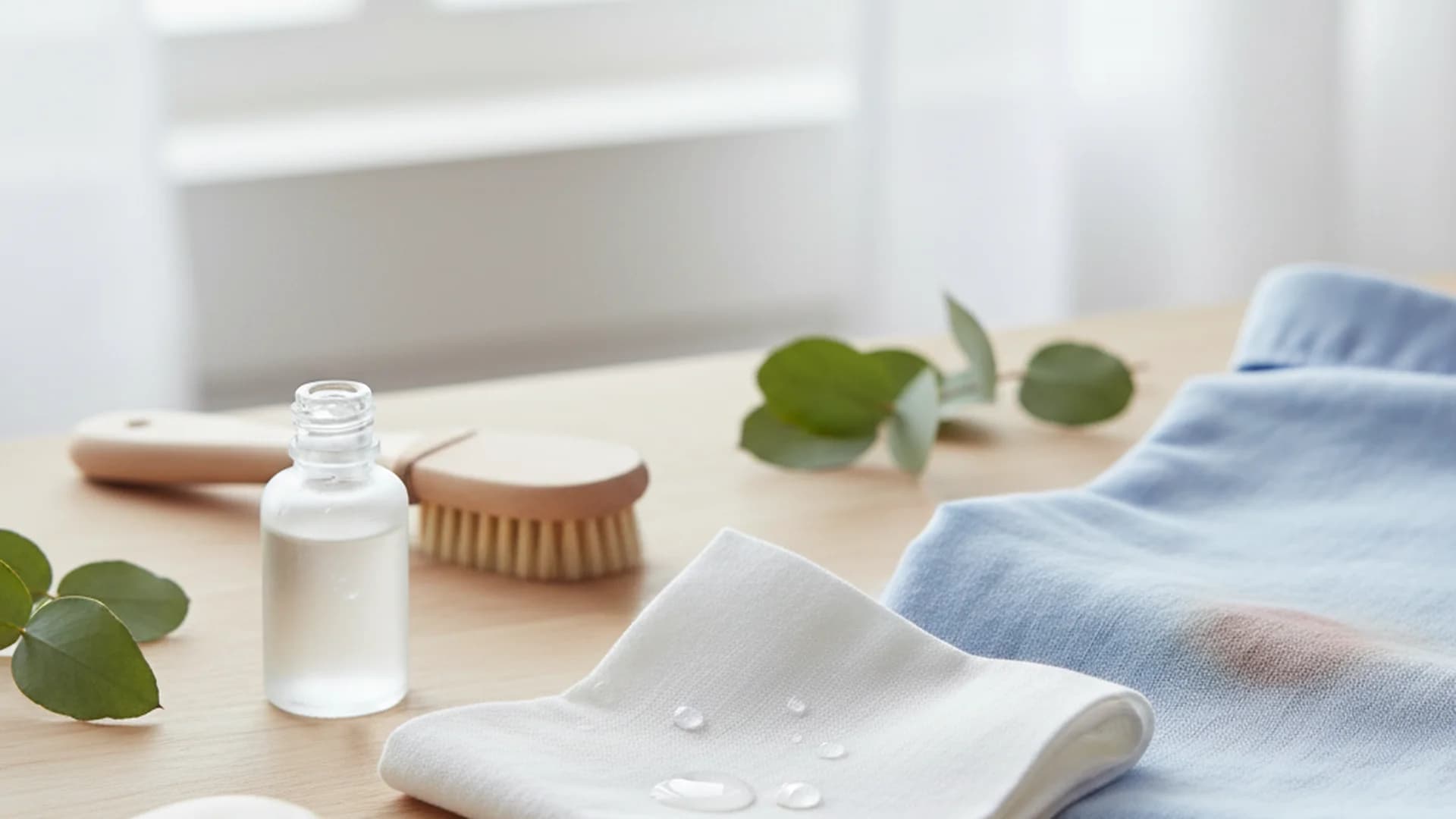
- Agitate: Use an old, soft-bristled toothbrush to gently work the paste into the fibers.
- Wait: Let the garment sit for at least 30 to 60 minutes. For older, "set-in" stains, you can leave it for up to 2 hours.
- Wash: Rinse with cold water and then launder as usual on a cool cycle.
Tip: Always start with cold or lukewarm water. Hot water can "cook" the proteins in the sweat, making the yellowing nearly impossible to remove.
The Oxygen Bleach Soak
For delicate whites that cannot handle heavy scrubbing, oxygen-based bleach (sodium percarbonate) is your best friend. Unlike chlorine bleach, which can actually darken sweat stains, oxygen bleach breaks down organic matter safely.
- Submerge the garment in a basin of warm water mixed with a scoop of oxygen bleach.
- Allow it to soak for 1 to 2 hours.
- For extreme cases, a 24-hour soak may be required.
Success: Real-World Example: A client once brought me a vintage 1990s white linen shirt that had been yellowed for a decade. After a 12-hour soak in oxygen bleach and a afternoon of "sun-bleaching" (drying in direct UV light), the stains disappeared completely, saving a sentimental piece of fashion history.
How to Remove Armpit Stains from Carpet and Upholstery
It happens more often than you’d think: a fresh swipe of deodorant transfers to a rug while you're dressing, or a sweaty gym bag sits too long on a fabric sofa. Knowing how to remove armpit stains from carpet is essential for maintaining your home’s interior.
The Blotting Technique
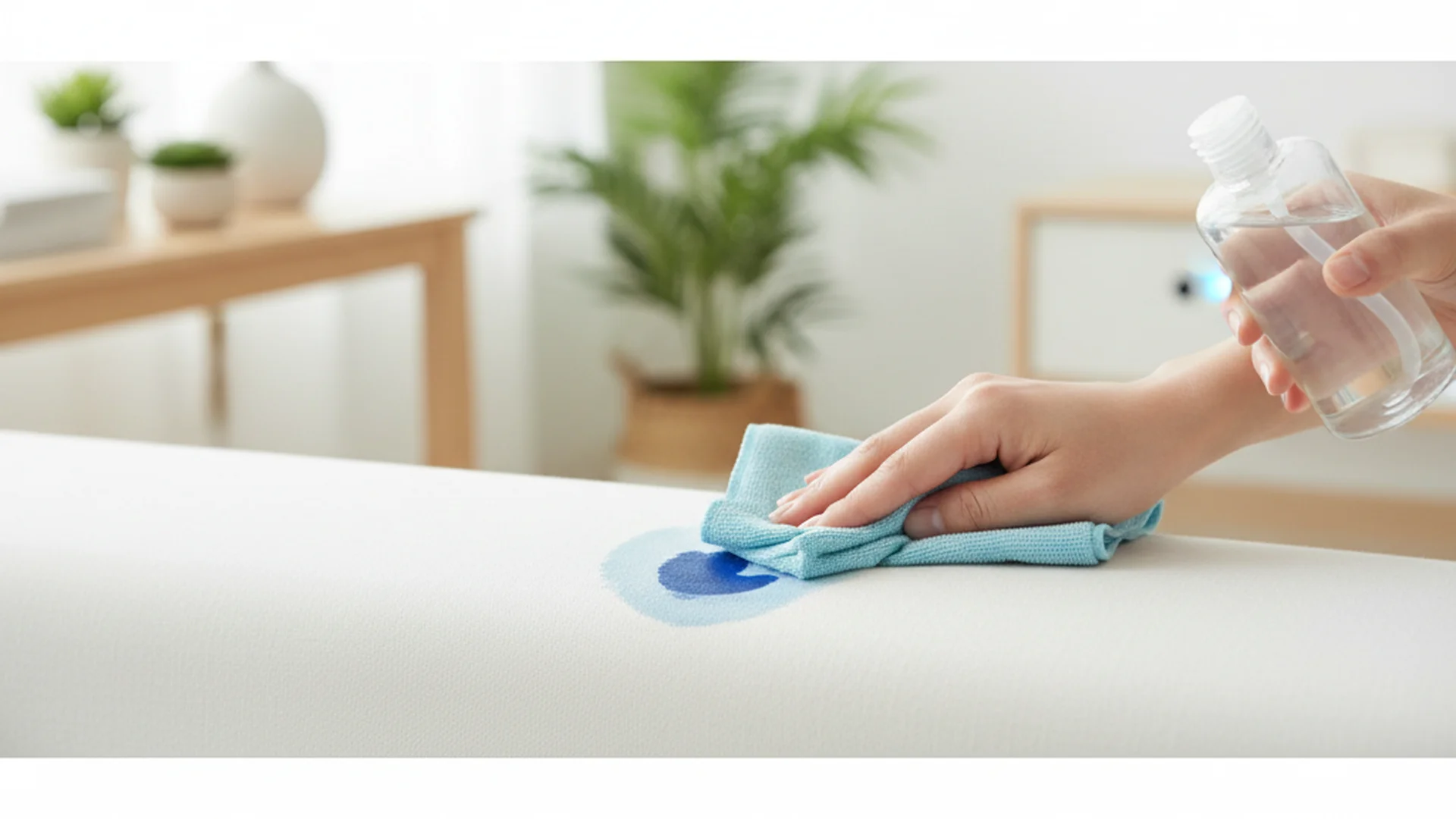
The most important rule for carpets is: Blot, do not rub. Rubbing pushes the oily aluminum residue deeper into the carpet pile, making it a permanent fixture.
The Ammonia Solution
Ammonia is highly effective at cutting through the waxy buildup of deodorants on heavy-duty surfaces.
- Mix: Combine 1 tablespoon of clear household ammonia with ½ cup of water.
- Sponge: Lightly sponge the solution onto the affected carpet fibers.
- Blot: Use a clean, white microfiber cloth to blot the moisture away.
- Rinse: Sponge with plain water to remove any ammonia residue and blot dry.
Warning: Never use ammonia on wool or silk fibers, as it can dissolve the natural proteins in these materials and ruin the texture.
2025 Trends in Stain Removal
The laundry industry has seen a massive shift in 2025-2026 toward biological solutions. If DIY methods aren't your style, look for these emerging technologies:
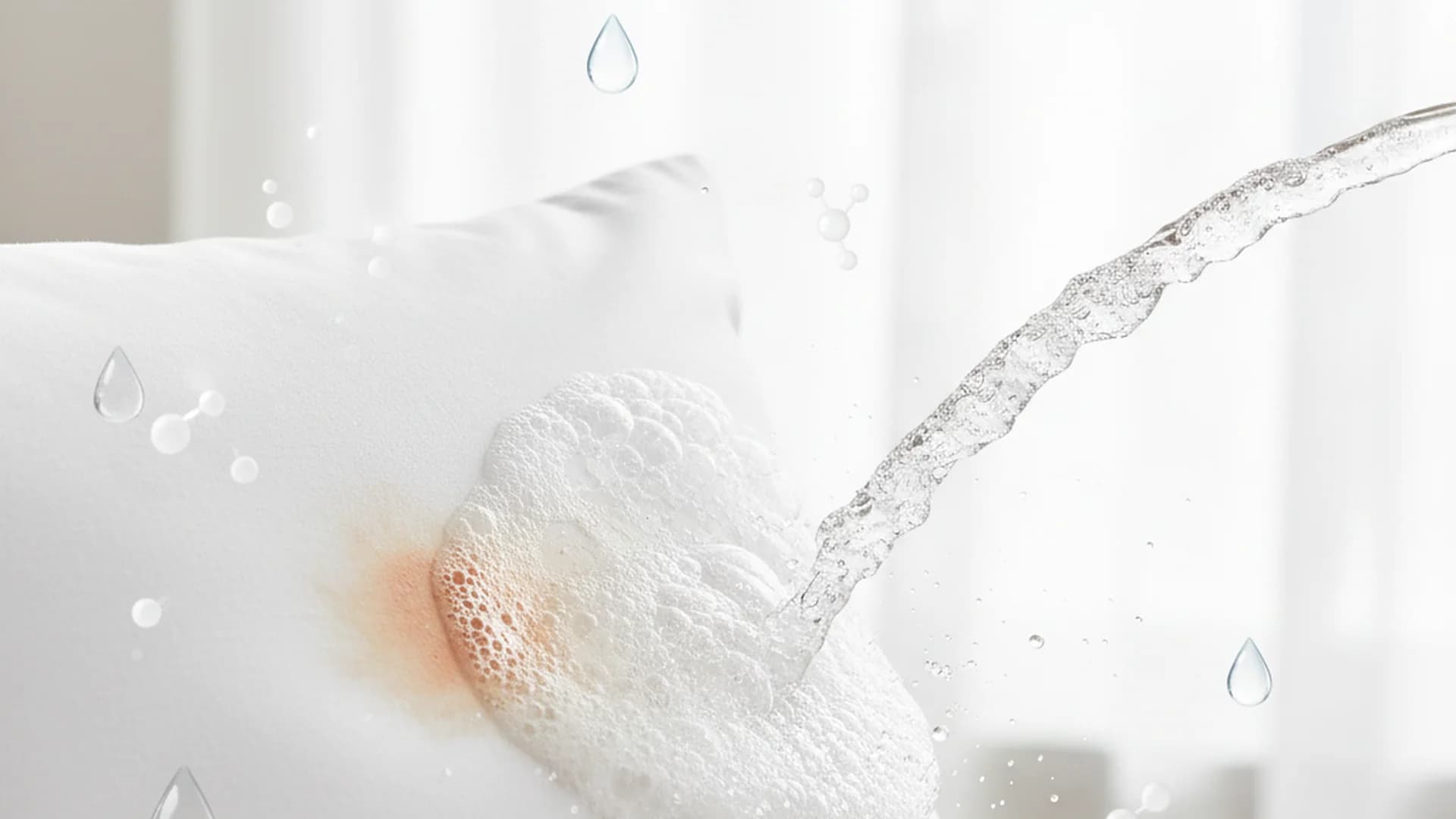
- Bio-Enzymatic Sprays: These products use specific enzymes (like proteases) to "eat" the apocrine proteins in sweat. They are now available in convenient pre-treatment sticks that you can apply as soon as you take your shirt off.
- Probiotic Cleaners: A new niche in 2025, these formulas leave behind beneficial bacteria that continue to break down organic residue even after the fabric is dry. This is particularly effective for preventing "permastank"—that smell that returns the moment the fabric gets warm.
- Plant-Based Surfactants: Modern non-toxic removers now use alkyl polyglucosides (APGs) derived from coconut or corn, which are just as effective as traditional chemicals but much gentler on sensitive skin.
| Method | Best For | Effectiveness |
|---|---|---|
| Baking Soda Paste | Cotton & Linen | High |
| Oxygen Bleach | Delicate Whites | High |
| Enzymatic Spray | Gym Wear / Synthetics | Very High |
| Ammonia | Carpets & Rugs | Medium |
Common Mistakes to Avoid
Even with the right tools, certain habits can sabotage your efforts to keep your clothes looking new.
- Using Chlorine Bleach: This is the #1 mistake. Chlorine reacts with the minerals in sweat, often turning a faint yellow stain into a bright, permanent orange or dark yellow hue.
- Ironing Stained Clothing: Applying the high heat of an iron to a yellowed armpit area will "set" the aluminum-protein bond into the fabric fibers. If you see a stain, do not iron it.
- Over-application of Product: Most people use far too much antiperspirant. One or two thin swipes is plenty.
- Dressing Too Quickly: Give your deodorant at least 2 minutes to dry completely before putting on your shirt to prevent the initial transfer.
Success: Real-World Example: By switching to a "wait-to-dry" routine and using an enzymatic pre-treat spray once a week, one of our testers reduced their "shirt retirement rate" to zero over a six-month period.
Frequently Asked Questions
Why did my white shirt turn yellow after using bleach?
Can I remove stains that have already been through the dryer?
Does hot or cold water work better for sweat stains?
Are aluminum-free deodorants better for preventing stains?
Conclusion
Saving your wardrobe from the bin is a win for both your wallet and the environment. By understanding that yellow stains are a chemical reaction—not just "dirt"—you can use targeted treatments like the baking soda paste or modern enzymatic sprays to keep your whites bright. Remember to avoid chlorine bleach, let your deodorant dry before dressing, and always treat stains before they hit the dryer.
Success: Following these steps will help you reclaim your favorite clothes and cut down on the textile waste generated every year.
Cleaning that keeps score
Every task earns points, every streak multiplies them, and Premium adds a household leaderboard plus a monthly Dustagorgon to beat.
- Free forever
- 30 badges to earn
- Up to 6 in a household
No card needed. Set up your rooms in a couple of minutes.