In this article
What you’ll learn
- Use white distilled vinegar to break down the PVA glue bonds in slime.
- Never use hot water, as it can permanently set slime into fibers.
- The ice method is the most effective way to remove bulk, dried-on slime.
If you have children or follow social media trends, you know that slime is more than just a toy—it is a phenomenon. However, for many parents and homeowners, the joy of "satisfying" textures quickly turns into a nightmare when that gooey substance finds its way into the fibers of a plush rug or a favorite sweater. Understanding how to remove slime stains effectively requires a bit of science and the right technique to ensure you don’t turn a minor mess into a permanent eyesore.
As we move into 2025 and 2026, cleaning trends are shifting toward "clean-tech" and eco-friendly solutions. Whether you are dealing with a fresh glob of DIY glitter slime or a dried, crusty patch from a week ago, this guide will walk you through the professional methods I use to restore fabrics and carpets to their original state.
The Science of Slime: Why It Sticks
To understand how to remove slime stains, you first need to understand what you are fighting. Most modern slimes—both commercial and DIY—are composed of polyvinyl acetate (PVA). This is the same polymer found in common school glue. When mixed with an activator like borax or contact lens solution, these polymers cross-link to create that stretchy, semi-solid texture.
The challenge is that PVA is designed to adhere to surfaces. When slime sits on a porous material like carpet or clothing, it begins to seep into the microscopic gaps between fibers. As the moisture evaporates, the PVA hardens, creating a bond that is surprisingly resilient.
Note: The acidity of cleaning agents like white vinegar is chemically necessary to break these cross-linked polymer bonds. Without an acid to "unlock" the glue, you are simply move the goo around.
The Professional Slime Removal Toolkit
Before you start scrubbing, you need the right supplies. Using the wrong chemicals can actually "set" the dye or the glue, making it impossible to remove later. I recommend keeping the following "Golden Trio" in your cleaning cabinet:
- White Distilled Vinegar: The ultimate PVA dissolver.
- Dawn Dish Soap: Excellent for breaking down the oils and glitters often found in "cloud" or "butter" slimes.
- Rubbing Alcohol (70% Isopropyl): The best tool for lifting the heavy food coloring and pigments left behind.
Tip: By 2025, eco-friendly or "green" cleaning products are expected to account for 30% of total industry revenue. Using white vinegar and baking soda aligns with this shift toward non-toxic, child-safe cleaning.
How to Remove Slime Stains from Carpet
Carpets are the most common victims of slime accidents. Because you cannot simply throw a carpet into a washing machine, the approach must be methodical. To remove slime stains from carpet, follow the "Ice and Soak" method.
Step 1: Bulk Removal with the Ice Method
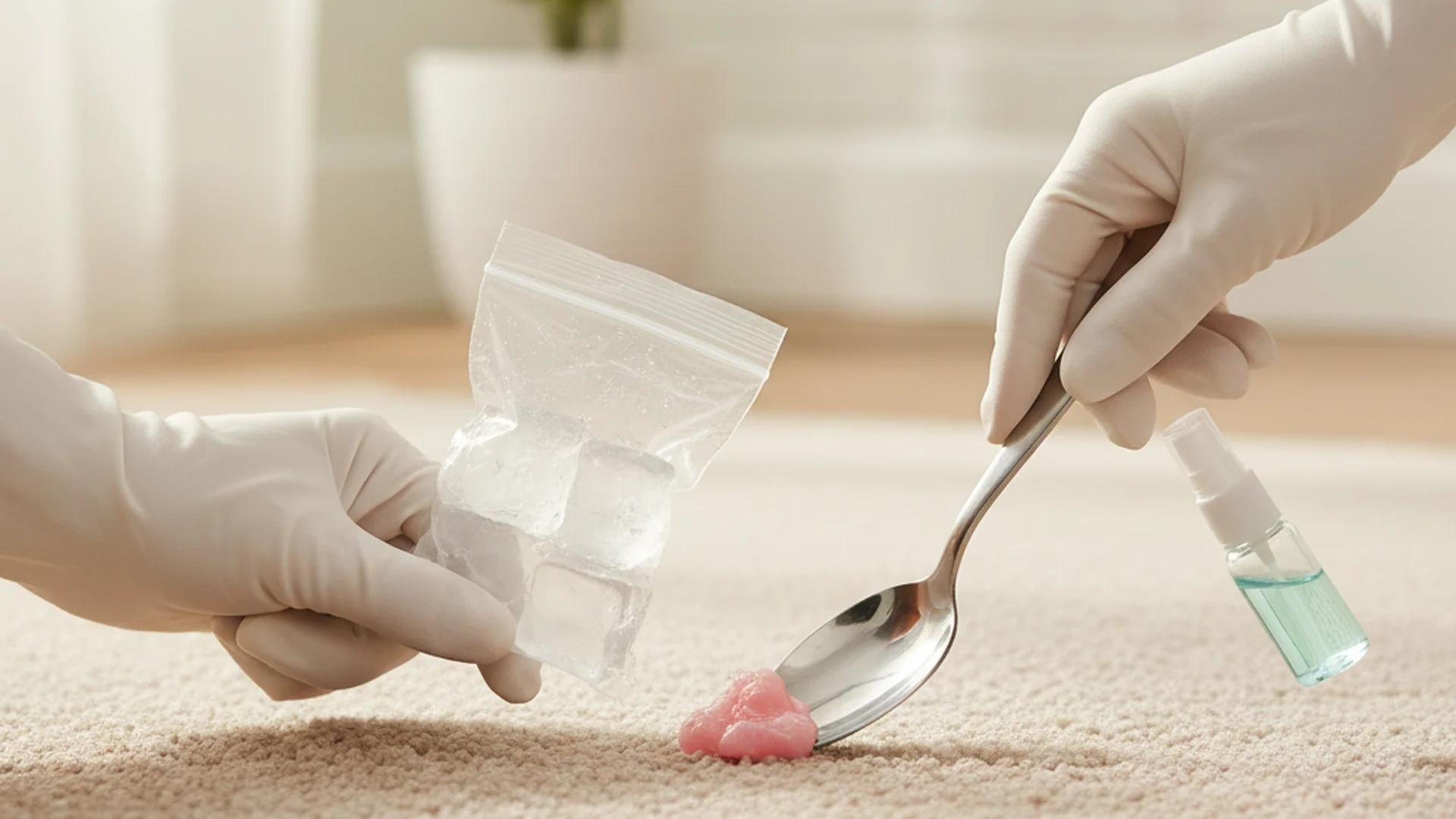
If the slime is still wet or very thick, do not start wiping. This will only push the slime deeper into the carpet backing. Instead, place ice cubes in a plastic bag and hold them over the slime for 10–15 minutes. This freezes the PVA, making it brittle.
Step 2: The Scrape
Once the slime is frozen, use a dull knife, a spoon, or even an old credit card to gently "crack" and lift the chunks away from the fibers. You should be able to remove about 80% of the bulk this way.
Step 3: The Vinegar Soak
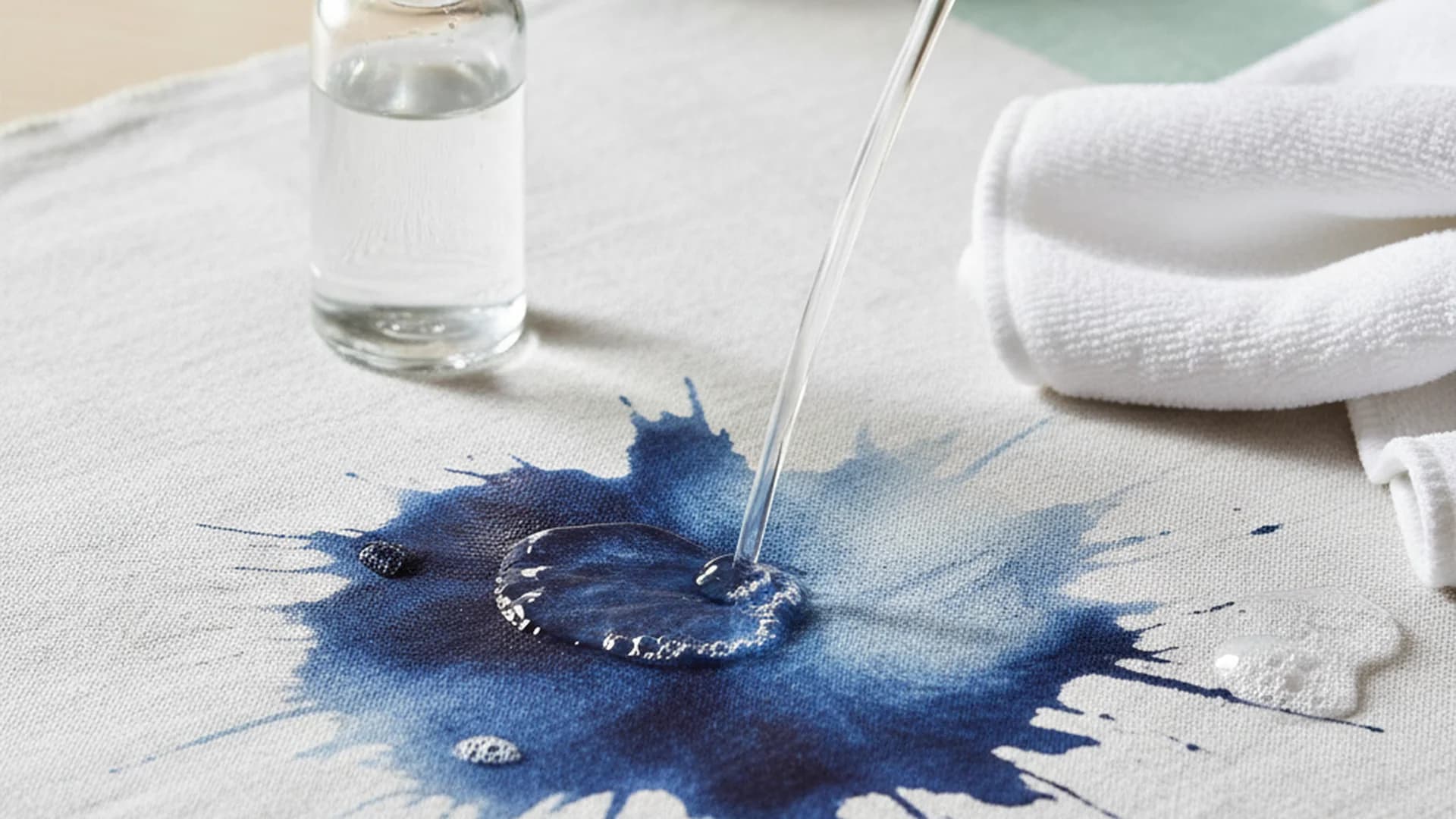
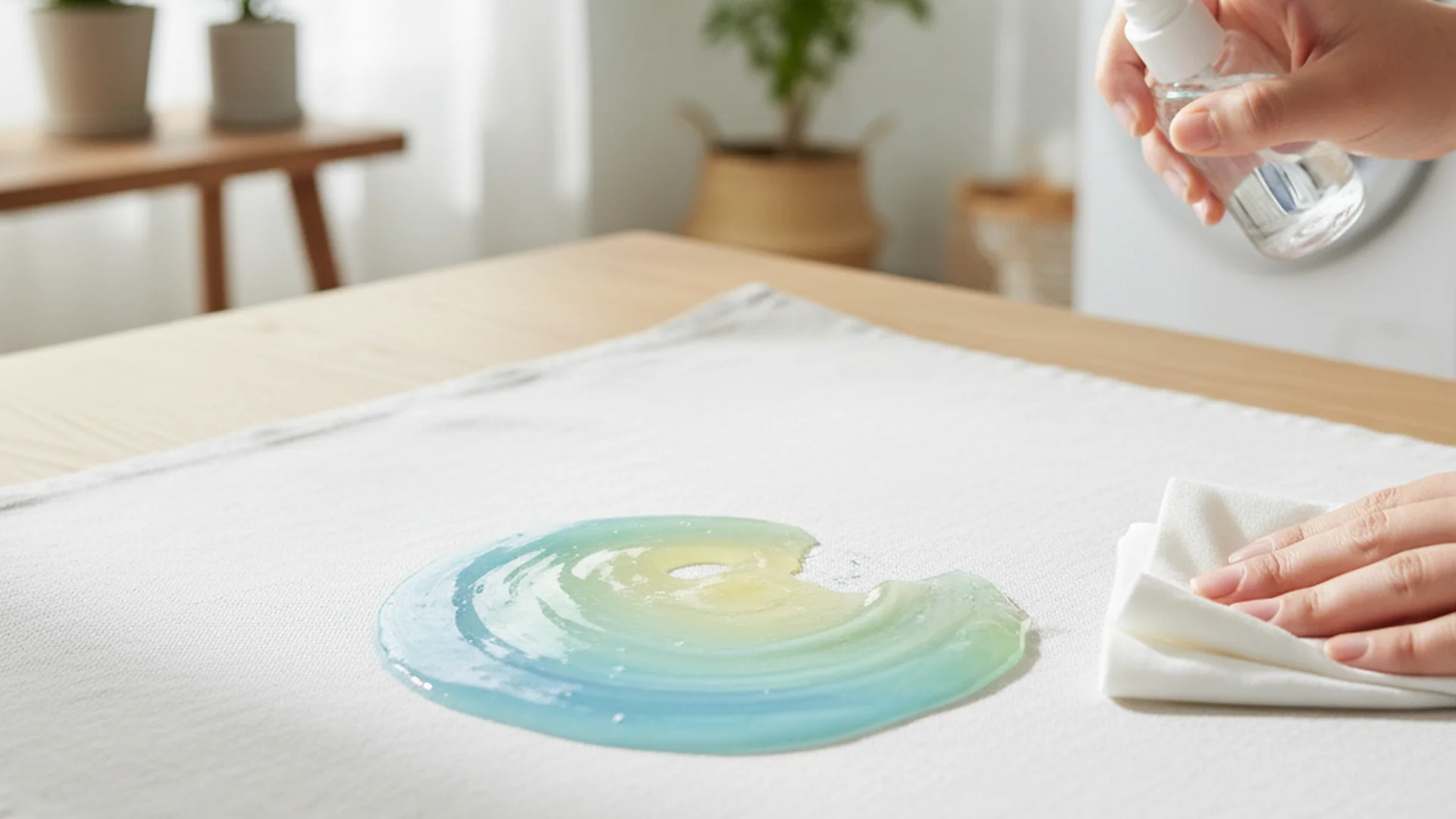
Mix a solution of two parts white distilled vinegar and one part lukewarm water. Saturate the remaining residue. Let it sit for 5–10 minutes. You will actually see the slime start to soften and "melt" as the acid breaks down the molecular structure.
Warning: Never use hot water! Hot water can "cook" the PVA glue into the carpet fibers, potentially making the bond permanent.
Step 4: Blot and Rinse
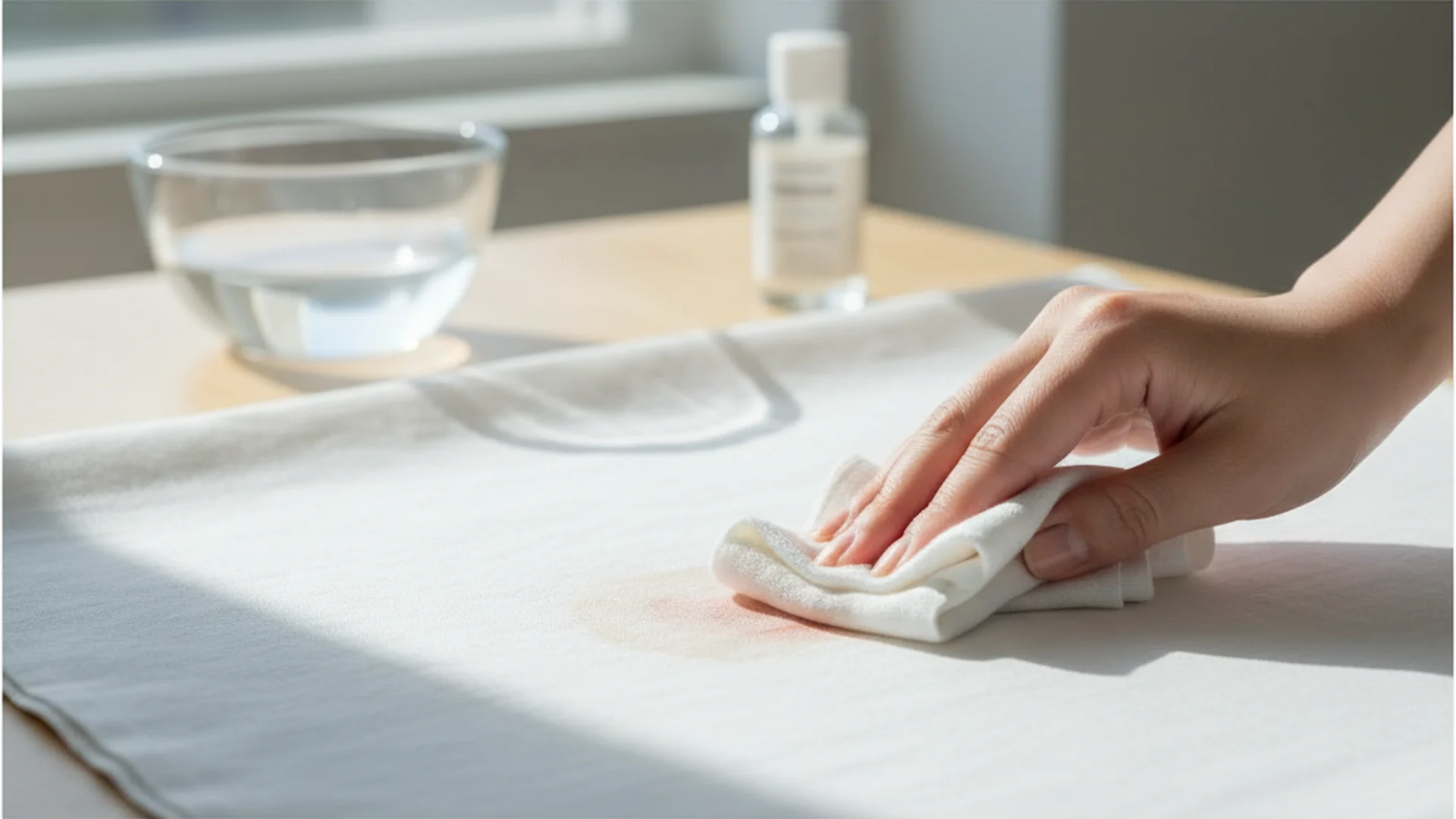
Using a clean, white microfiber cloth, blot the area. Do not scrub in a back-and-forth motion, as this can fray the carpet fibers. Continue blotting until the residue is gone, then rinse the area with a small amount of plain water and pat dry.
How to Remove Slime Stains from Fabric
Whether it’s a cotton t-shirt or a polyester blend, the goal when you remove slime stains from fabric is to lift the glue without damaging the weave.
| Fabric Type | Sensitivity | Recommended Treatment |
|---|---|---|
| Cotton | Low | Vinegar soak + Machine wash |
| Synthetic | Medium | Rubbing alcohol dab + Dish soap |
| Silk/Wool | High | Professional Dry Clean Only |
Treating Clothing Stains
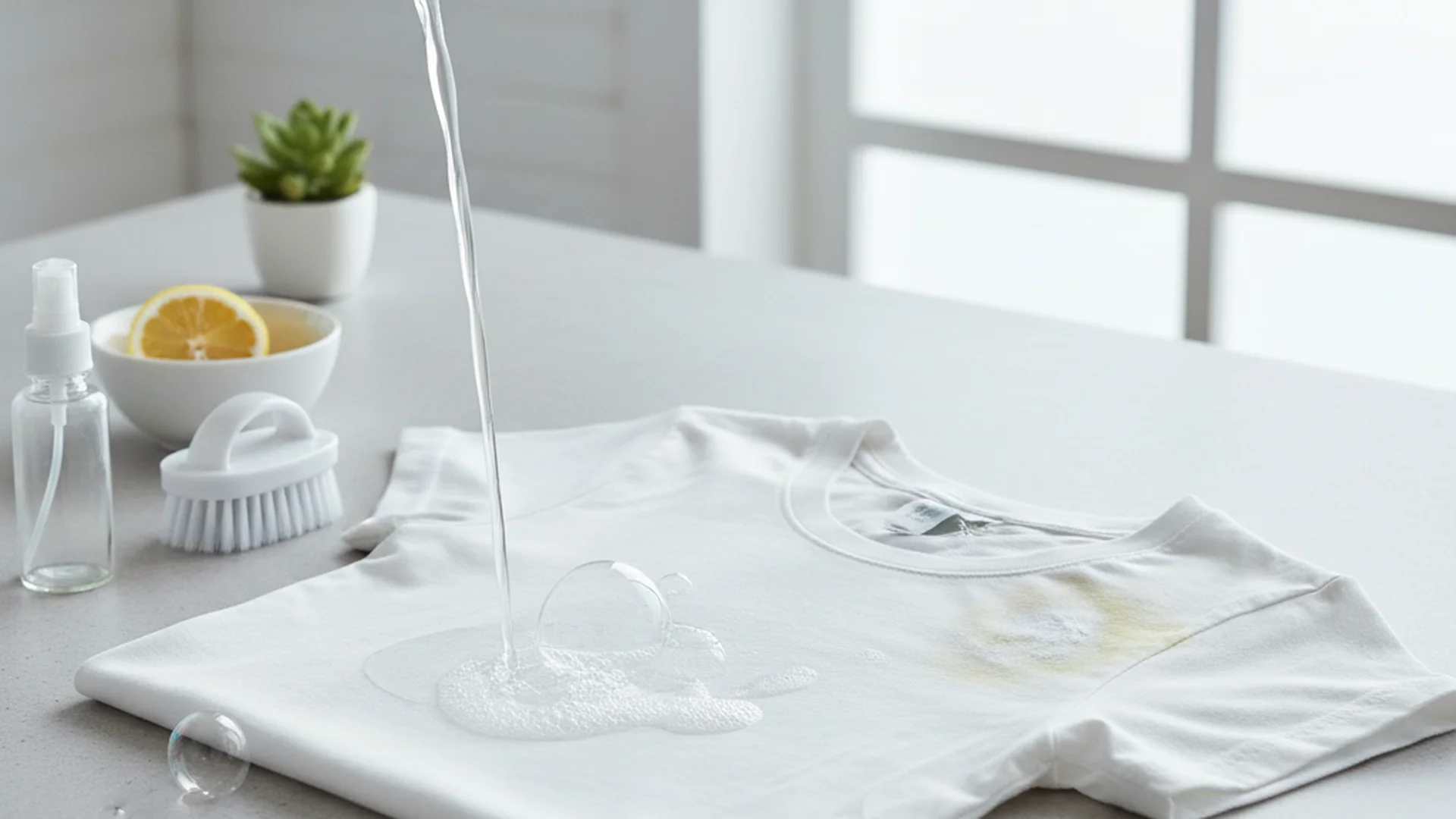
- Vinegar Bath: Submerge the stained area in a bowl of pure white vinegar. Let it soak for 10 minutes.
- Manual Agitation: Use a soft-bristled toothbrush to gently work the vinegar into the fibers in a circular motion.
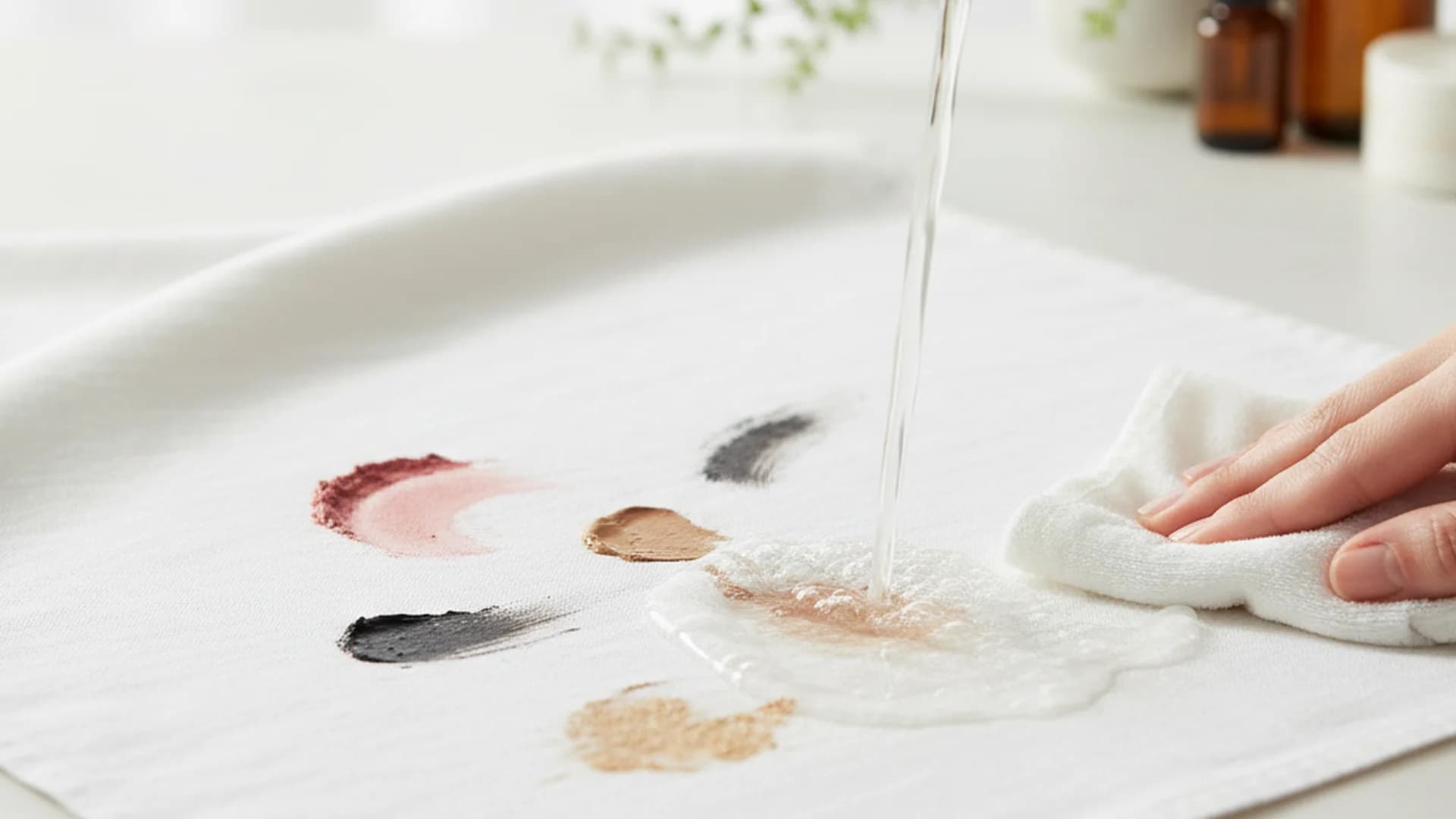
- Rinse and Check: Rinse with cold water. If a "ghost" of color remains (from the slime's dye), dab the spot with rubbing alcohol.
- Launder: Wash the garment on a standard cold cycle.
Success: Following this process ensures that the glue is fully dissolved before the heat of a dryer can bake any remnants into the fabric.
Real-World Examples: Slime Disasters Averted
Example 1: The Birthday Party "Slime-Gate"
A client recently contacted me after a 7-year-old's birthday party left neon blue slime across a beige wool rug. Because wool is more delicate than nylon, we avoided heavy scrubbing. We used the ice method to remove the bulk, followed by a highly diluted vinegar spray. The key was patience—letting the vinegar do the chemical work meant the rug remained soft and fluff-free.
Example 2: The School Backpack Mishap
A student left a container of "jiggly slime" in their nylon backpack over a long weekend. The slime dried into a hard, plastic-like sheet. We "rehydrated" the stain by laying a vinegar-soaked paper towel over it for 30 minutes. Once the slime turned back into a gel, it wiped right off with Dawn dish soap.
Example 3: The Upholstery Incident
A "Cleanfluencer" hack gone wrong: a homeowner tried to use a hair dryer to "melt" slime off a sofa. This unfortunately set the stain. To fix it, we used a bio-enzymatic cleaner (a 2025 industry trend). These cleaners contain enzymes that "eat" the organic bonds of the glue and dyes, eventually lifting the "baked-in" mess without further heat.
Common Mistakes to Avoid
- Vigorous Scrubbing: This is the #1 mistake. Scrubbing forces the slime into the carpet backing, where it can cause mold or permanent stiffness. Always blot or use a soft toothbrush.
- Using Bleach: Many parents reach for bleach for white fabrics, but bleach can react with the dyes in the slime to create a permanent, neon-colored "set" stain.
- Applying Heat: Never try to dry a treated slime area with a hair dryer. Heat sets any remaining glue residue into the fabric.
- Over-Saturating with Oil-Based Removers: While products like Goo Gone work, they leave an oily residue on carpets that attracts dirt over time, eventually creating a dark "dust spot."
Warning: Always perform a spot test with vinegar or alcohol on a hidden area of your furniture or clothing to ensure colorfastness.
Frequently Asked Questions
Can I remove slime that has been dried for days?
Will vinegar ruin my carpet or clothes?
Is hot water better for dissolving slime?
How do I get the 'slime smell' out after cleaning?
Conclusion
Dealing with slime doesn't have to mean the end of your favorite rug or outfit. By understanding the chemistry of PVA and utilizing the power of white vinegar and rubbing alcohol, you can tackle even the most stubborn neon-colored messes. As the cleaning industry moves toward more enzymatic and eco-friendly solutions in 2025, remember that the best tool is often the simplest one already sitting in your pantry.
Success: By acting quickly and avoiding heat, you can maintain a slime-free home while still allowing for creative play.
Cleaning that keeps score
Every task earns points, every streak multiplies them, and Premium adds a household leaderboard plus a monthly Dustagorgon to beat.
- Free forever
- 30 badges to earn
- Up to 6 in a household
No card needed. Set up your rooms in a couple of minutes.