In this article
What you’ll learn
- Act quickly with absorbent powders to lift bulk oil.
- Use surfactants like dish soap to break down molecular grease bonds.
- Never tumble dry a garment until you are certain the oil is gone.
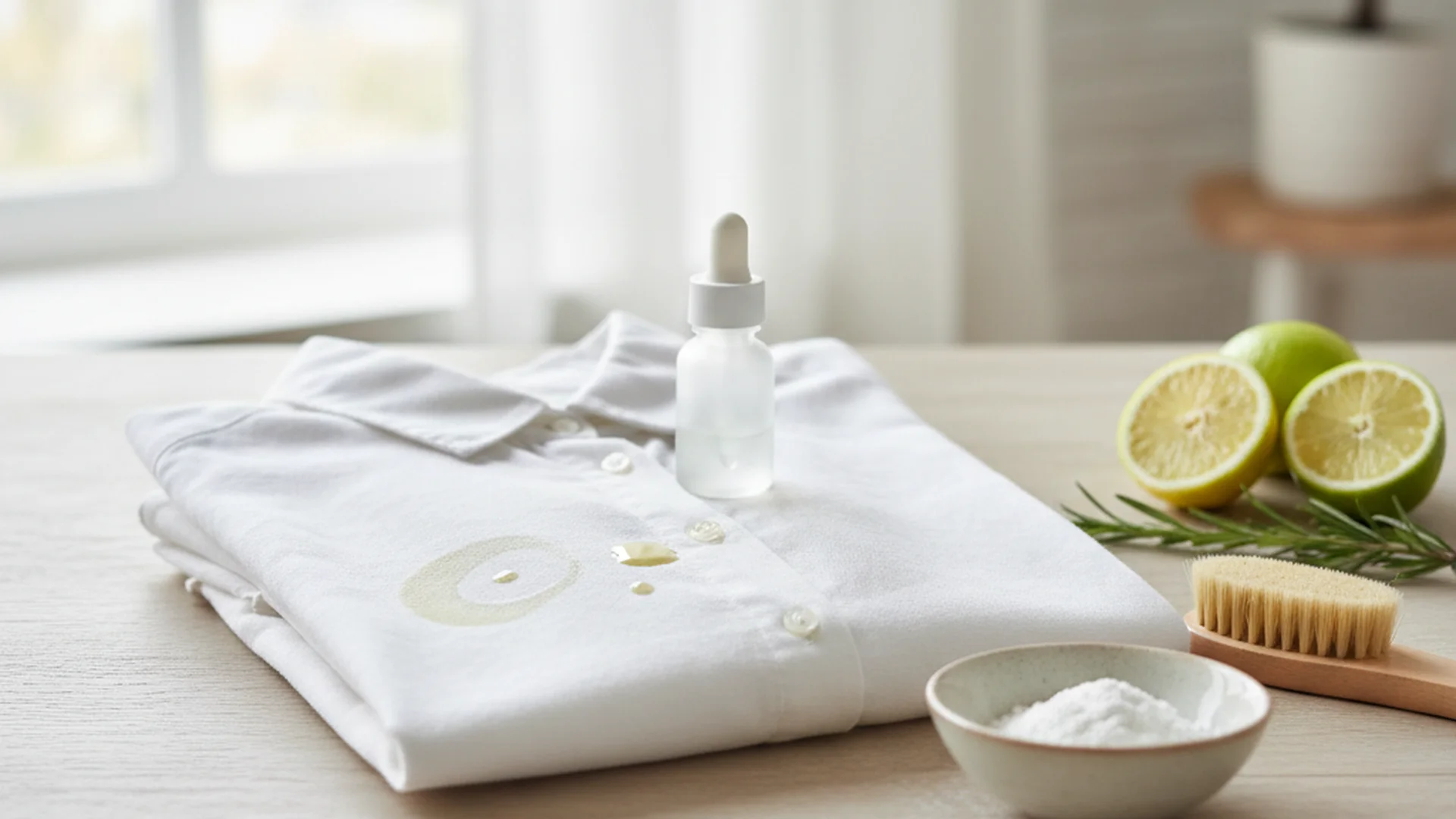
We’ve all been there: a single drop of salad dressing or a splatter of cooking oil hits your favorite shirt, and it feels like a total disaster. In the past, many of us would simply toss these garments aside. In fact, approximately 85% of all textiles end up in landfills annually, often due to preventable stains. Learning how to remove oil stains clothes is more than just a laundry hack; it is a vital skill for sustainable living and protecting your wardrobe investment.
As we move into 2026, the science of cleaning has evolved. While the "golden rules" of stain removal remain, new enzymatic cleaners and AI-enhanced appliances are making it easier than ever to rescue fabrics we once thought were ruined. Whether you are dealing with a fresh grease spot or a stubborn, set-in stain that has already been through the dryer, this guide will provide the domestic efficiency you need to keep your clothes spotless.
The Science Behind the Grease
Oil stains are notoriously difficult because oil is "hydrophobic"—it literally repels water. When you try to rinse an oil stain with plain water, the liquid simply beads up and rolls off, leaving the grease trapped within the fibers. To win this battle, you need a surfactant.
A surfactant, such as high-quality dish soap or modern enzymatic laundry detergent, has a molecular structure that attaches to oil on one end and water on the other. This allows the oil to be lifted off the fabric and washed away. However, the type of fabric matters. Synthetic fibers like polyester are "oleophilic" (oil-attracting), meaning they form a stronger bond with grease than natural fibers like cotton. This is why you must tailor your approach based on whether you are trying to remove oil stains clothes from fabric of a natural or synthetic origin.
The 3-Stage Attack: Step-by-Step Guide
To achieve professional results at home, follow this structured three-stage process. This methodology ensures you remove the bulk of the oil before it has a chance to set permanently.
Stage 1: Absorption (The Emergency Response)
If the stain is fresh, your first goal is to pull as much liquid oil out of the fibers as possible.
- Blot, Don't Rub: Use a clean, white paper towel to gently blot the stain. Rubbing will only push the oil deeper into the weave.
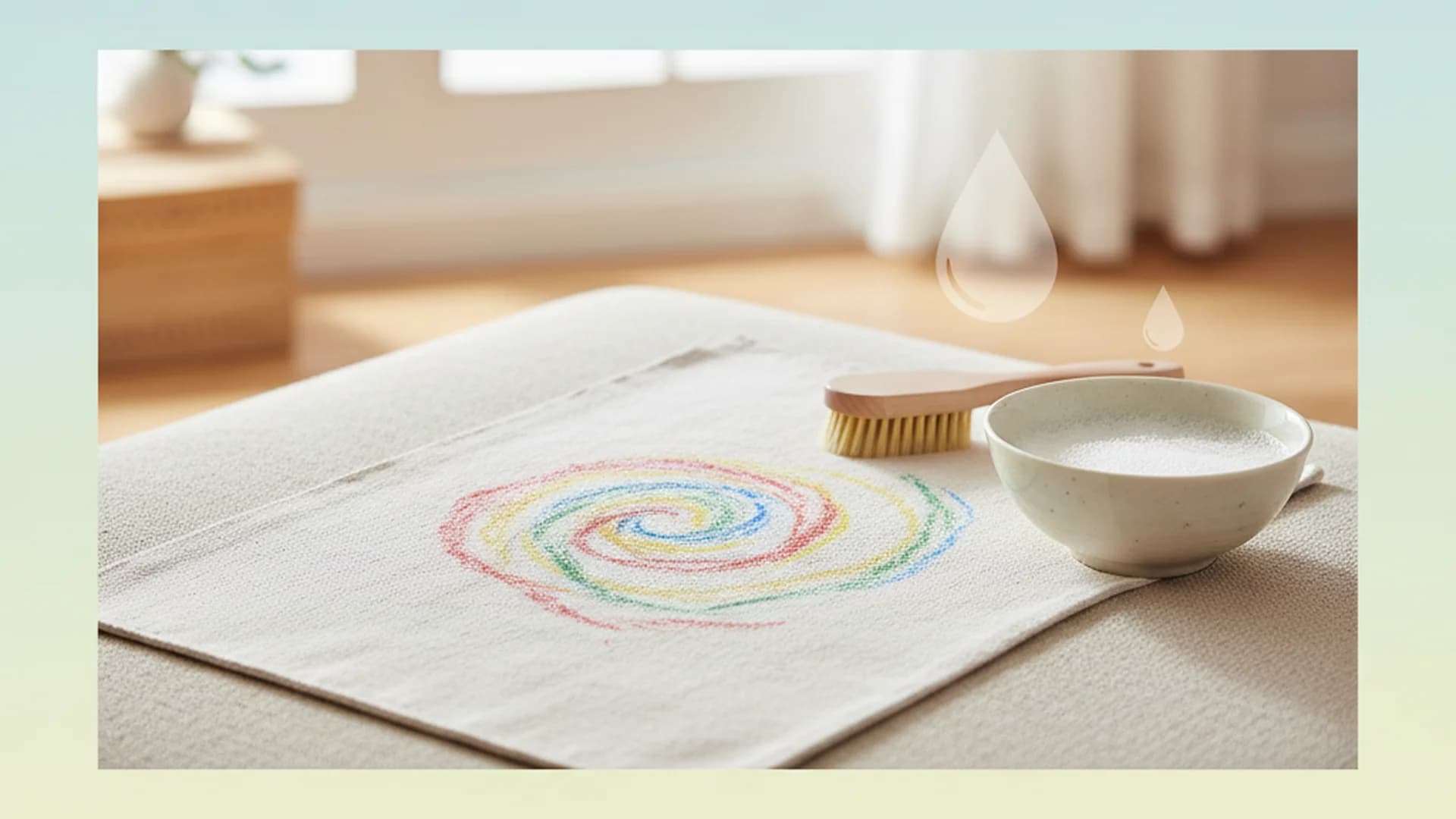
- Apply Powder: Cover the stain completely with an absorbent powder like cornstarch, baking soda, or talcum powder.
- Wait: Let the powder sit for 15–30 minutes. You will see the powder start to clump as it absorbs the oil.
- Brush Away: Gently brush the powder off into the trash.
Tip: If you are at a restaurant and don't have baking soda, a packet of artificial sweetener or even a piece of plain white bread can act as a temporary absorbent.
Stage 2: Pre-treatment (Breaking the Bond)
Once the excess oil is removed, you must address the residue clinging to the fibers.
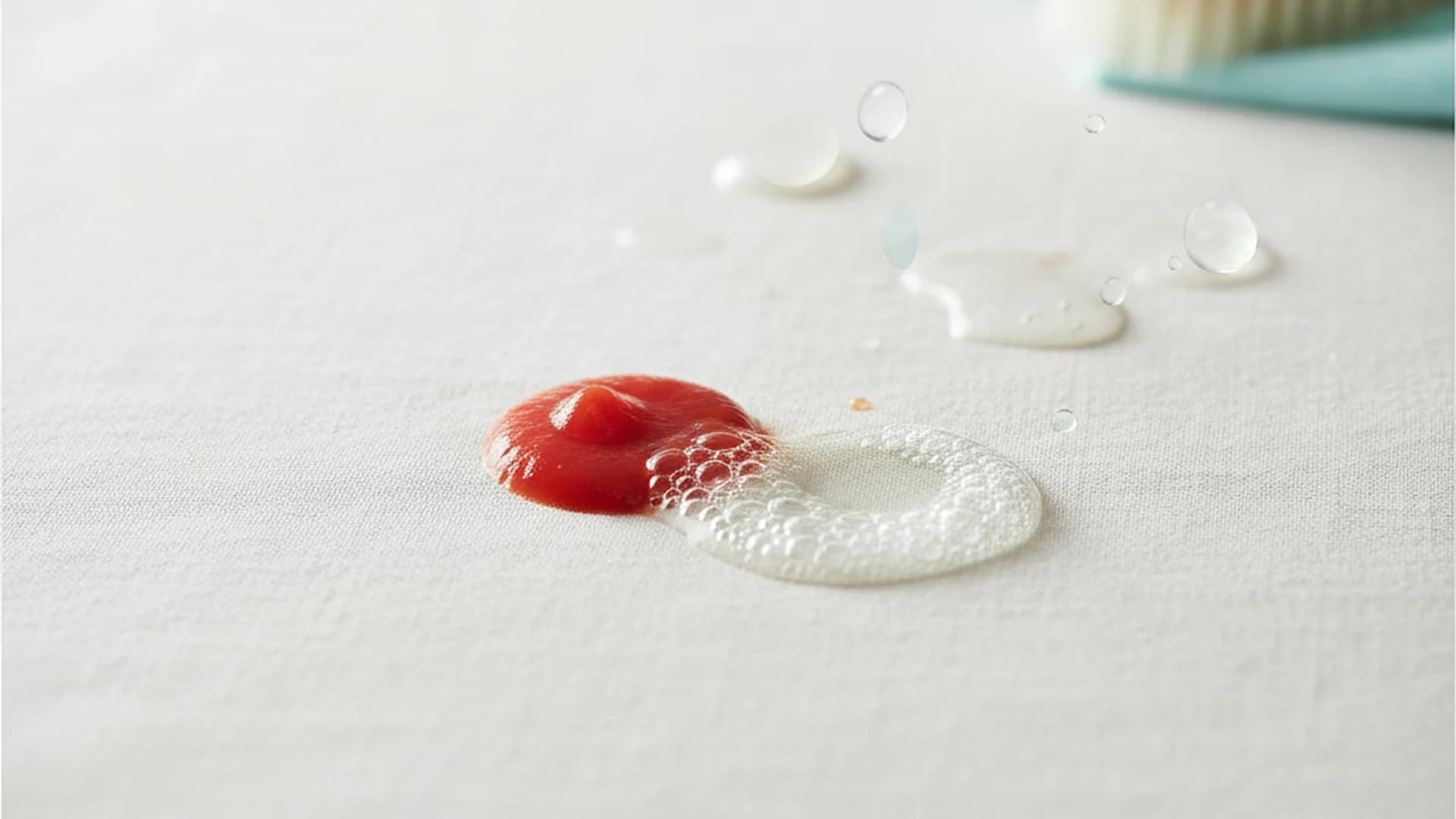
- The Dish Soap Method: Apply a small amount of concentrated grease-cutting dish soap (like Dawn) directly to the spot.
- Massage Gently: Using your fingers or a soft-bristled toothbrush, work the soap into the stain in a circular motion.
- The Under-Side Trick: For heavy stains, turn the garment inside out and apply soap to the back. This helps push the oil out of the fabric rather than deeper into it.
- Sit Time: Let the soap sit for at least 10 minutes to penetrate the fibers.
Warning: Avoid using dish soaps with heavy dyes (like dark green or purple) on white or very light fabrics, as they can occasionally leave a secondary dye stain.
Stage 3: The Wash
Now it’s time for the mechanical action of the washing machine.
- Check the Label: Always follow the garment's care instructions, but use the warmest water setting allowed for that specific fabric. Heat helps liquefy the oil.
- Use Enzymatic Detergent: In 2025 and 2026, many detergents include lipase enzymes. These are bio-based catalysts specifically designed to "eat" fat and oil molecules.
- Inspect Before Drying: This is the most critical step. Once the wash cycle finishes, inspect the area. If the stain is still visible, do not put it in the dryer.
Success: If the stain is gone, air-dry the garment first just to be 100% sure before ever subjecting it to the high heat of a tumble dryer.
Real-World Examples: Success Stories
Example 1: The Sunday Roast Splatter
A homeowner dropped a piece of buttery garlic bread on their favorite cotton polo. By immediately applying cornstarch and letting it sit for 20 minutes, followed by a quick scrub with clear dish soap, the stain vanished in a standard 40°C wash.
Example 2: The Mechanic's Dilemma
A DIY mechanic had set-in motor oil on a polyester work shirt. Because polyester is oleophilic, the oil had bonded tightly. They used the "WD-40 reactivation method"—spraying a small amount of solvent to "loosen" the old oil, followed by a heavy-duty degreaser soak—and successfully rescued the garment.
Example 3: The Living Room Catastrophe
While eating pizza on the sofa, a slice fell face-down on the rug. The owner followed the steps to remove oil stains clothes from carpet by using baking soda to draw the oil upward and a detergent-based spotter to finish the job, preventing a permanent dark spot.
Cleaning Agents Comparison
| Agent | Best For | Pros | Cons |
|---|---|---|---|
| Cornstarch | Fresh Stains | High absorption, cheap | Messy, requires brushing |
| Dish Soap | Pre-treatment | Breaks down grease instantly | Can cause "oversudsing" in HE machines |
| Lipase Enzymes | Set-in residue | Eco-friendly, targets oil | Slower acting than chemicals |
| WD-40 / Solvents | Dried/Old Oil | Reactivates set-in stains | Strong odor, requires re-wash |
2026 Trends in Stain Removal
The landscape of laundry is changing rapidly. We are seeing a major shift toward Microbial & Enzymatic Cleaners. Unlike the harsh chemical degreasers of the past, these 2026 solutions use living enzymes that specifically target lipids.
Furthermore, AI-Enhanced Laundry is becoming standard. Modern washing machines now feature optical sensors that can detect the "slick" of oil residue during the rinse cycle. If the sensor detects oil, the machine automatically extends the wash time and adjusts the temperature to ensure total removal. For those on the go, Stain Strips—dehydrated, concentrated detergent sheets—are replacing bulky pens and offering a more sustainable way to treat oil splatters immediately.
Special Considerations: Carpets and Upholstery
Sometimes the oil doesn't land on your clothes, but on your floor. When you need to remove oil stains clothes from carpet, the approach changes because you cannot "toss it in the wash."
- For Carpets: Always use the "Absorption First" rule. Baking soda is the gold standard here. Once the powder has sat for an hour, vacuum it up. Use a mixture of 1/2 teaspoon of clear dish soap and 1 cup of warm water to blot the remaining residue.
- For Upholstery: Check the cleaning code on the tag. If it says "S," you must use a dry-cleaning solvent only. Water-based cleaners on an "S" coded fabric will leave permanent water rings.
Note: For delicate upholstery, always test your cleaning solution on an inconspicuous spot (like the back or underside of a cushion) before treating the main stain.
Common Mistakes to Avoid
- Using Hot Water First: While warm water helps during the wash, applying boiling water to a fresh stain that contains proteins (like milk or gravy) can "cook" the stain into the fabric.
- Over-Saturating: Using half a bottle of detergent on one spot creates a residue ring. Less is often more.
- The Dryer Trap: We cannot emphasize this enough: Heat is the "sealer" for oil. If you dry a stained shirt, the oil undergoes a chemical change that makes it nearly impossible to remove.
- Rubbing with a Colored Rag: Always use white cloths or paper towels. Using a red or blue rag to scrub a stain can cause "color bleed," leaving you with a grease stain and a dye stain.
Frequently Asked Questions
Can you remove oil stains after they’ve been through the dryer?
Is hot or cold water better for oil?
Do baby wipes work on oil stains?
Can I use baking soda on carpet oil stains?
Conclusion
Removing oil stains from clothes doesn't have to be a daunting task. By understanding the science of surfactants and following the "Absorb, Pre-treat, Wash" methodology, you can save your wardrobe from the landfill. Whether you are dealing with a fresh splash of olive oil or a set-in grease mark on a synthetic fabric, these techniques—updated for the 2025–2026 era—ensure your garments remain in pristine condition.
Stop letting grease splatters dictate your fashion choices. With a little patience and the right enzymatic tools, you can maintain a spotless wardrobe for years to come.
Success: By treating stains promptly and avoiding the dryer, you contribute to a more sustainable textile cycle and save money on replacement clothing.
Cleaning that keeps score
Every task earns points, every streak multiplies them, and Premium adds a household leaderboard plus a monthly Dustagorgon to beat.
- Free forever
- 30 badges to earn
- Up to 6 in a household
No card needed. Set up your rooms in a couple of minutes.