In this article
What you’ll learn
- Always identify if the paint is latex (water-based) or oil-based before treating.
- The "Golden Hour" (the first 60 minutes) is critical for successful removal.
- Never rub a stain; always blot from the outside in to prevent spreading.
We’ve all been there: a momentary lapse in concentration during a weekend DIY project, and suddenly, a glob of "Sunset Terracotta" is staring back at you from your cream-colored rug. Learning how to remove paint stains effectively is a skill that can save you thousands of dollars in replacement costs. As home renovation activity continues to climb—with painting remaining the most popular DIY project—the likelihood of a spill has never been higher.
The good news is that modern chemistry and new 2026 cleaning technologies have made it easier than ever to reverse the damage. Whether you are dealing with a fresh splash of latex or a dried-on oil smudge, this guide will walk you through the professional-grade steps to restore your home.
Understanding Your Paint Type
Before you reach for the cleaning supplies, you must identify what you are dealing with. Treating an oil-based stain with water will only set the resins deeper into the fibers.
| Paint Type | Solvent Needed | Characteristics |
|---|---|---|
| Latex / Acrylic | Warm water & soap | Dries quickly, stays flexible, water-soluble when wet. |
| Oil-Based | Mineral spirits / Turpentine | High gloss, strong odor, requires chemical breakdown. |
| Water-Based Stain | Distilled vinegar / Water | Low viscosity, soaks deep into wood or fabric pores. |
Tip: Not sure which paint you used? Check the "Clean Up" section on the back of the paint can. If it says "Clean brushes with water," it's latex. If it mentions "Thinners," it's oil-based.
How to Remove Paint Stains from Carpet
Carpets are the most challenging surface because the fibers act like a sponge, pulling the pigment down into the padding. When you need to remove paint stains from carpet, speed and technique are your best allies.
Step 1: The Spoon Scrape
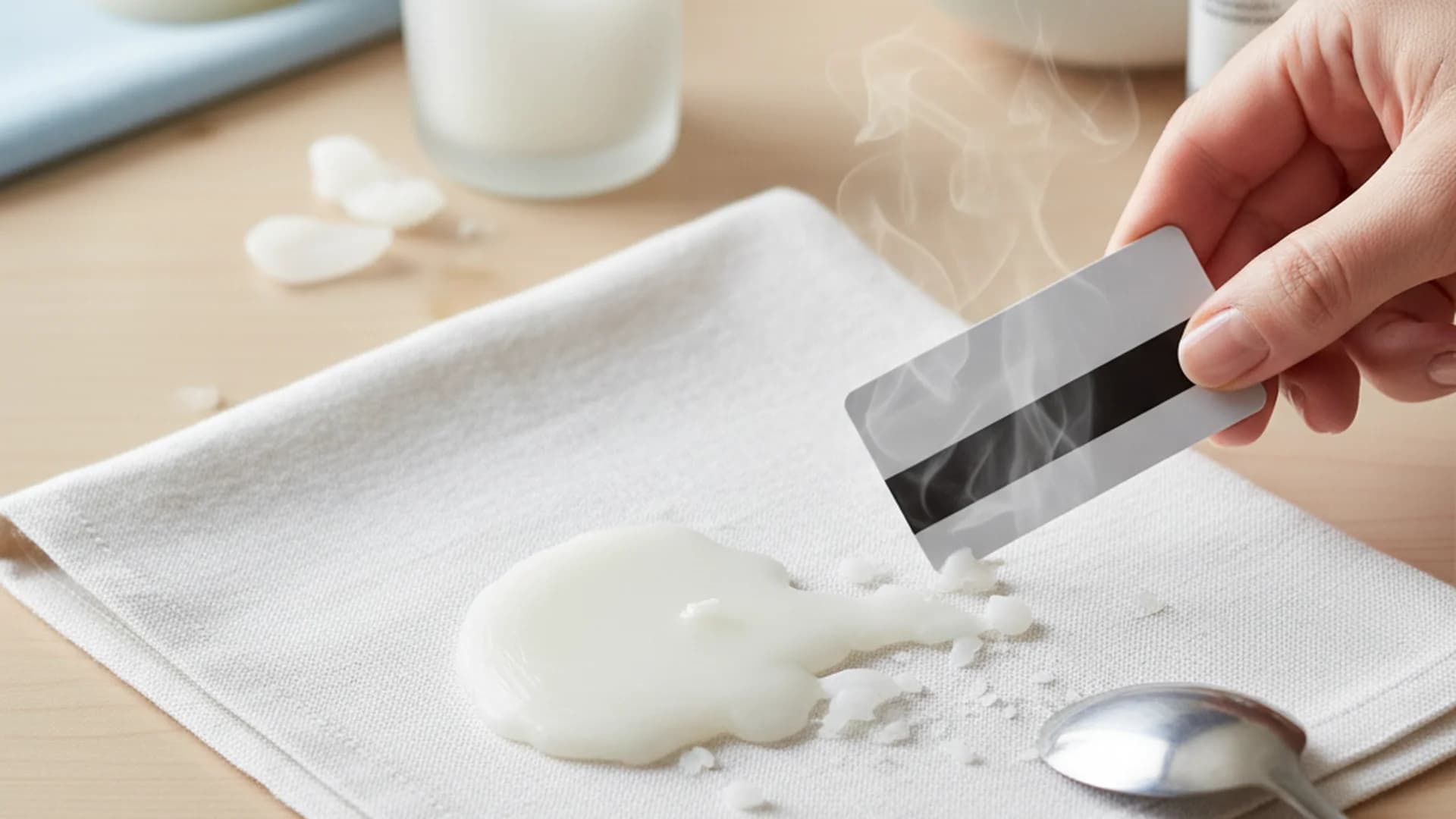
For fresh spills, use a dull spoon or a credit card to gently lift the excess "blob" of paint. Work from the outside of the spill toward the center to avoid spreading the radius of the stain.
Step 2: The Blotting Phase
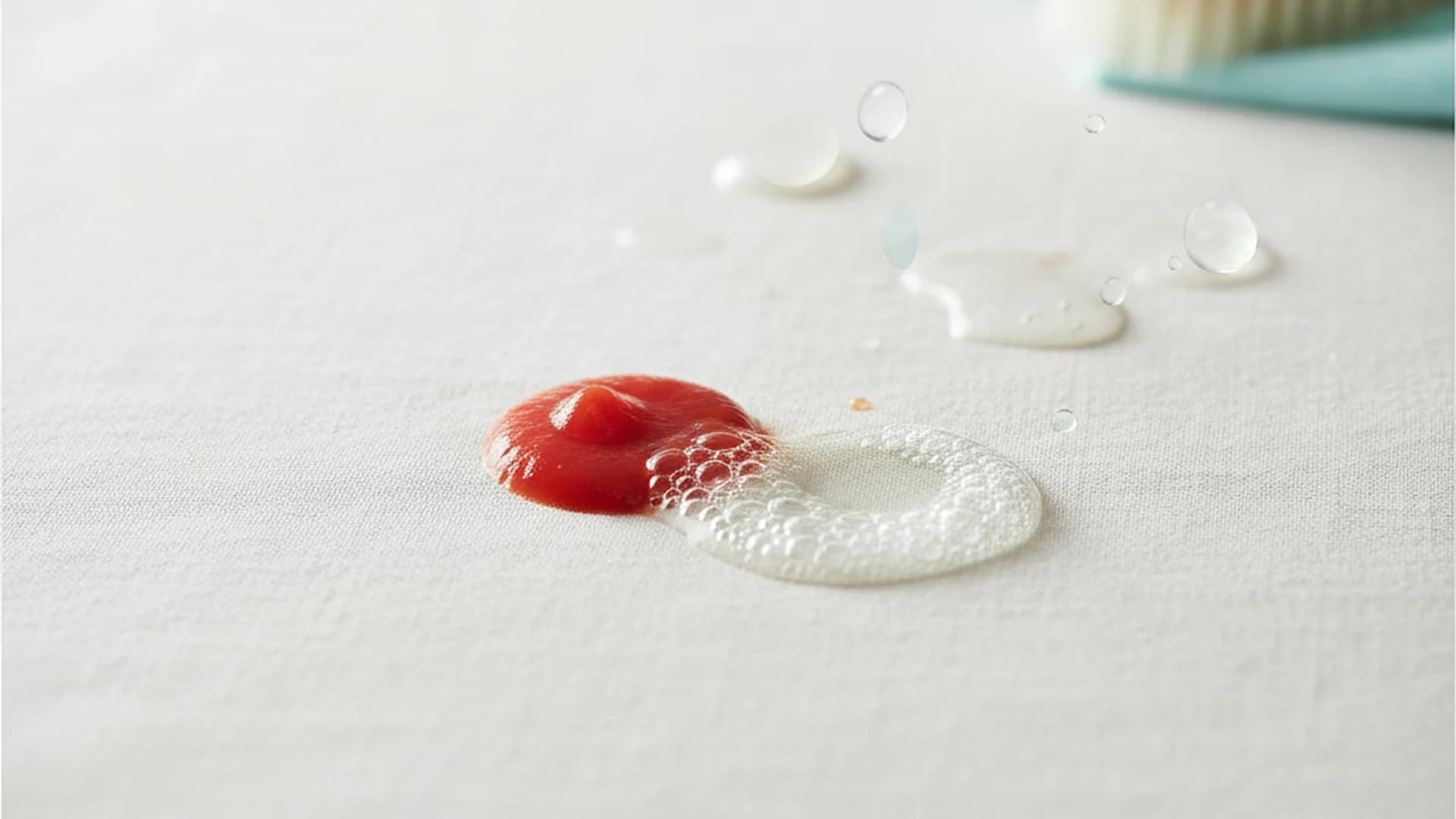
Dampen a white, lint-free microfiber cloth with lukewarm water and a drop of grease-cutting dish soap. Blot the area firmly.
Warning: Never rub or scrub the carpet fibers. Rubbing twists the pile and pushes the paint molecules deeper into the latex backing, often making the damage permanent.
Step 3: Dealing with Dried Stains
If the paint has already hardened, it needs to be rehydrated. Apply a small amount of glycerin to the dried area and let it sit for 20 minutes. This softens the bond, allowing you to use a needle or a small brush to break up the paint before vacuuming and blotting.
Note: If you are using rubbing alcohol (70% isopropyl) to dissolve latex, use it sparingly. Excessive alcohol can dissolve the adhesive bond of the carpet backing.
How to Remove Paint Stains from Fabric
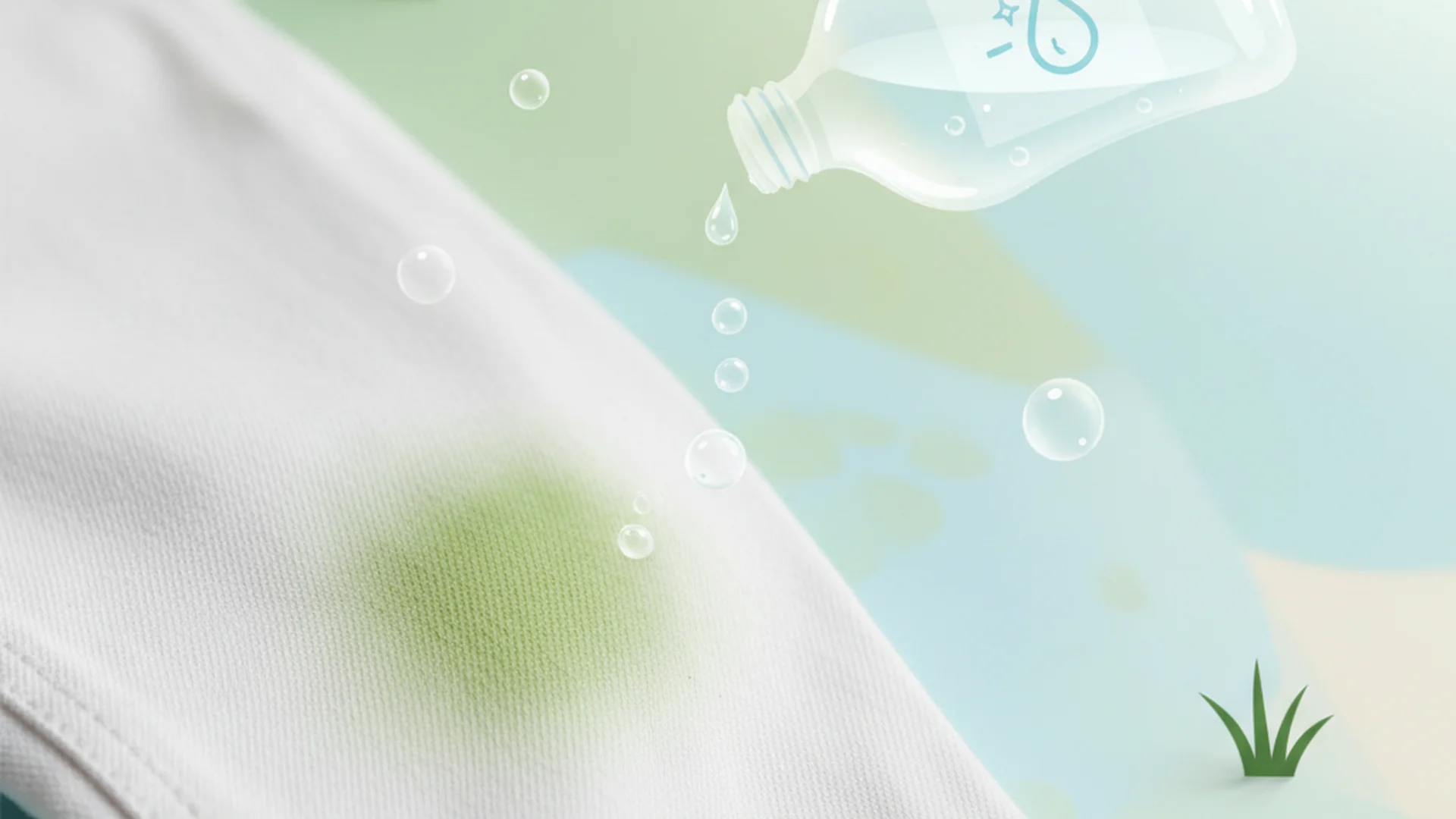
When you need to remove paint stains from fabric, such as your favorite t-shirt or a sofa cushion, the "Reverse Flush" method is the professional gold standard.
The Reverse Flush Technique
- Turn the garment inside out: You want to push the paint out the way it came in, not through the entire thickness of the fabric.
- Run warm water: Blast the back of the stain with high-pressure warm water to force the pigment out of the weave.
- Apply Dish Soap: Use a high-quality soap (like Dawn) and work it into the fibers with your fingers.
- Launder Carefully: Wash the item alone.
Success: Using the reverse flush method on a fresh latex spill on denim usually results in 100% stain removal without the need for harsh chemicals.
Warning: Never put a stained garment in the dryer until you are certain the paint is 100% gone. The high heat of a dryer will "cook" the paint resins into the fabric, effectively dyeing it permanently.
Cutting-Edge Trends: Stain Removal in 2026
The world of cleaning has moved beyond simple vinegar and baking soda. As we move into 2026, new technologies are helping homeowners tackle even the most stubborn "oops" moments.
AI-Powered Identification
Several major detergent brands have launched AI apps that allow you to photograph a stain. The AI analyzes the texture and color to identify the paint type and fabric blend, providing a custom-mixing recipe for household cleaners or recommending specific eco-solvents.
Infrared (IR) Paint Softeners
Unlike traditional heat guns which can melt synthetic carpets (nylon and polyester), handheld IR tools use specific light wavelengths to vibrate paint molecules. This loosens the bond between the paint and the fiber without reaching temperatures that release toxic fumes or damage the material.
The Rise of Bio-Based Gels
The market is shifting away from liquid "drip" solvents toward thick, soy-based and citrus-based gels. These are particularly effective for upholstery. Because they are gels, they stay on the surface of the fabric and don't soak into the deep cushion foam, which can be difficult to dry and prone to mold.
Common Mistakes to Avoid
- Ignoring Lead Safety: If you are scraping paint in a home built before 1978, stop. Approximately 29 million U.S. homes still contain lead-based paint. Use a lead test kit before any removal process to avoid inhaling toxic dust.
- Using Paper Towels: On textured fabrics or carpets, paper towels can shred, leaving tiny white "pills" of paper embedded in the paint. Always use a white cotton cloth or microfiber.
- Trusting "Natural" Labels Blindly: Just because a solvent is "citrus-based" doesn't mean it’s harmless. High-concentration D-Limonene can cause skin irritation. Always wear gloves.
- Excessive Water Use: Flooding a carpet stain with water can cause "wicking," where the paint travels down to the subfloor and then "re-appears" on the surface as the carpet dries.
Frequently Asked Questions
Can I remove paint if it is already dry?
Does vinegar actually work on paint stains?
Will rubbing alcohol ruin my carpet?
What is the "Rule of Three" for professional cleaning?
Conclusion
Spilling paint isn't the disaster it used to be. By acting during the "Golden Hour" and using the right chemical-to-fabric match, you can restore almost any surface. Remember the professional mantra: scrape, blot, and flush. With the help of 2026’s eco-friendly gels and AI-guided identification tools, your home can look brand new even after a major DIY mishap.
Success: By following the "Blot, Don't Rub" rule, you preserve the life of your carpet fibers and prevent permanent damage to your home's flooring.
Cleaning that keeps score
Every task earns points, every streak multiplies them, and Premium adds a household leaderboard plus a monthly Dustagorgon to beat.
- Free forever
- 30 badges to earn
- Up to 6 in a household
No card needed. Set up your rooms in a couple of minutes.