In this article
What you’ll learn
- Act within the 2-5 minute "Golden Window" for a 90% success rate.
- Never use hot water, as it sets the tannins and anthocyanins permanently.
- Use a 2:1 ratio of hydrogen peroxide to dish soap for stubborn stains.
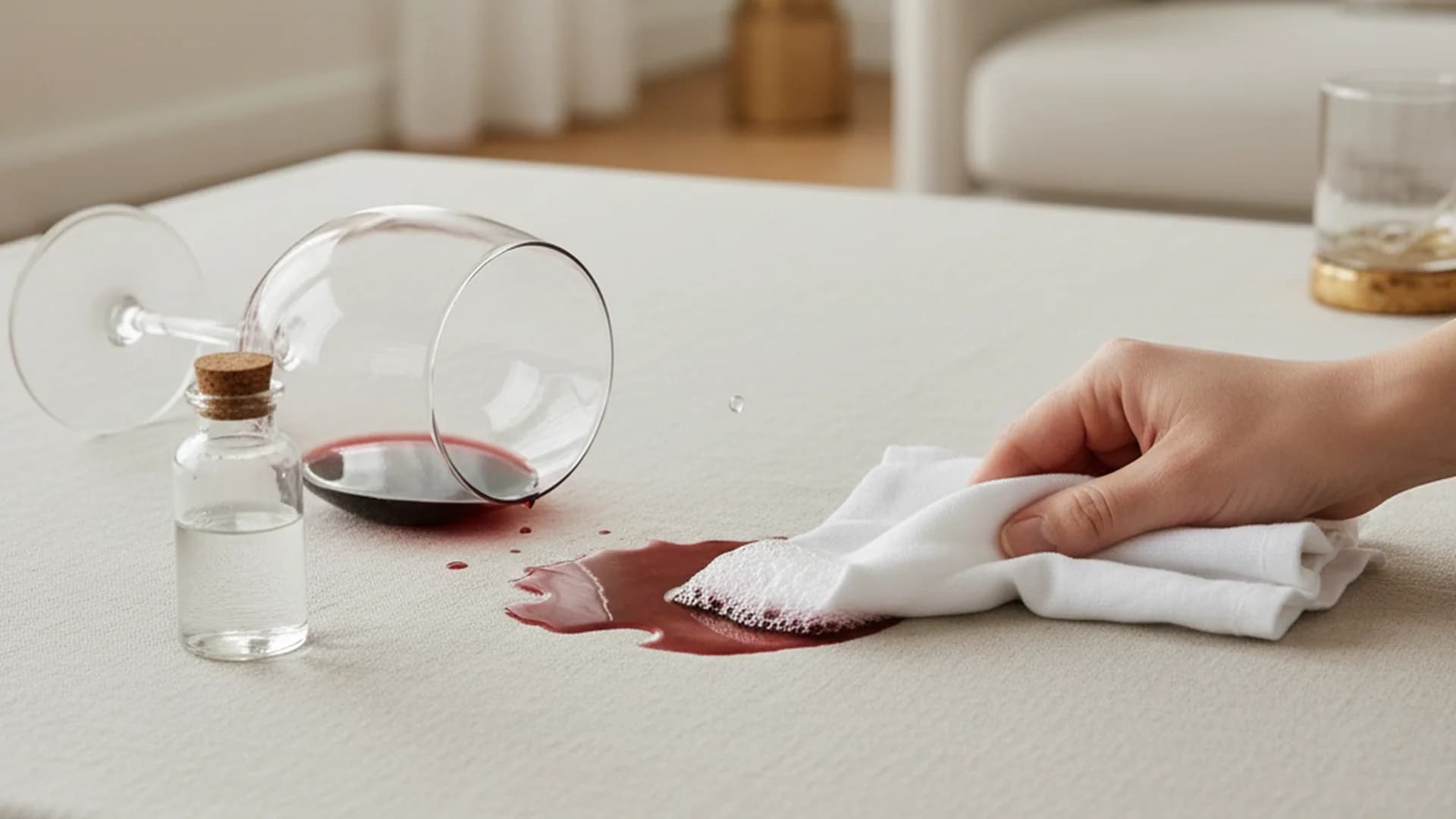
It is the nightmare scenario of every dinner party host: a glass of Cabernet tilts, a crimson wave crashes against your cream-colored rug, and time seems to stand still. Knowing how to remove wine stains effectively is a fundamental skill for any homeowner, but the methods have evolved significantly as we move into 2025 and 2026.
In this guide, we will break down the chemistry of the spill and provide a step-by-step blueprint to ensure that a momentary accident doesn't become a permanent part of your home’s decor.
The Science Behind the Stain: Why Wine is Stubborn
To understand how to remove wine stains, you must first understand what you are fighting. Red wine is essentially a natural dye. It contains two primary culprits: anthocyanins (the pigments that give wine its color) and tannins (bitter compounds that act as natural binding agents).
When wine hits a porous surface like wool, cotton, or nylon, these molecules immediately begin seeking a permanent bond with the fibers. This is why timing is the most critical factor in your success. If the liquid is allowed to dry, these molecules undergo a "set-in" process, chemically bonding to the material in a way that often requires professional intervention to reverse.
Note: Natural fibers like wool and silk are far more susceptible to permanent staining than synthetic fibers like polyester because they are more absorbent and chemically reactive.
The "Golden Window": Your First 300 Seconds
Expert cleaners emphasize the "Golden Window"—the first 2 to 5 minutes after a spill occurs. Acting within this timeframe increases your likelihood of total stain removal by over 90%.
Immediate Action Steps
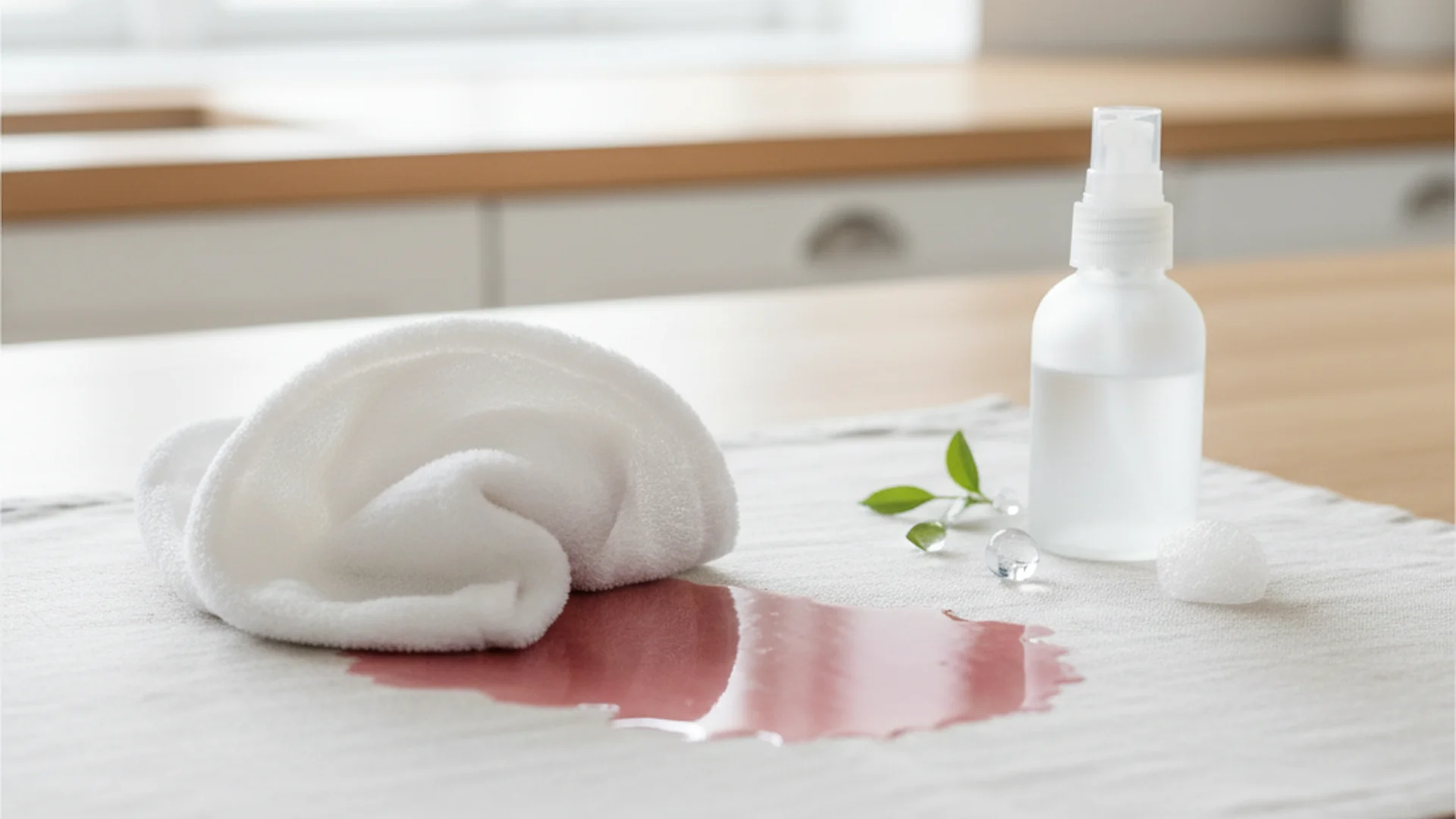
- Blot, Don’t Rub: This is the golden rule of stain removal. Rubbing creates friction and heat, which pushes the wine deeper into the carpet pile or fabric weave.
- Use a White Cloth: Always use a clean, white microfiber cloth or paper towel. Colored towels can transfer their own dyes onto your carpet or clothing, creating a second problem.
- Work Outside-In: Start blotting at the edges of the spill and work toward the center. This prevents the "bleeding" effect where the stain expands outward.
Warning: Never use hot water during the initial cleanup. Heat "cooks" the proteins and tannins into the fiber, effectively dyeing the material permanently. Always use cold or lukewarm water.
How to Remove Wine Stains from Carpet
Carpet presents a unique challenge because you cannot simply throw it in the washing machine. You must also be wary of "wicking"—a phenomenon where the stain appears to be gone but returns days later as the liquid travels back up from the carpet backing.
The 2-to-1 "Magic" Solution
For light-colored carpets, domestic efficiency specialists recommend a powerful DIY mixture that rivals commercial cleaners:
- 2 Parts Hydrogen Peroxide (3%)
- 1 Part Dawn Dish Soap (Original Blue)
The Process:
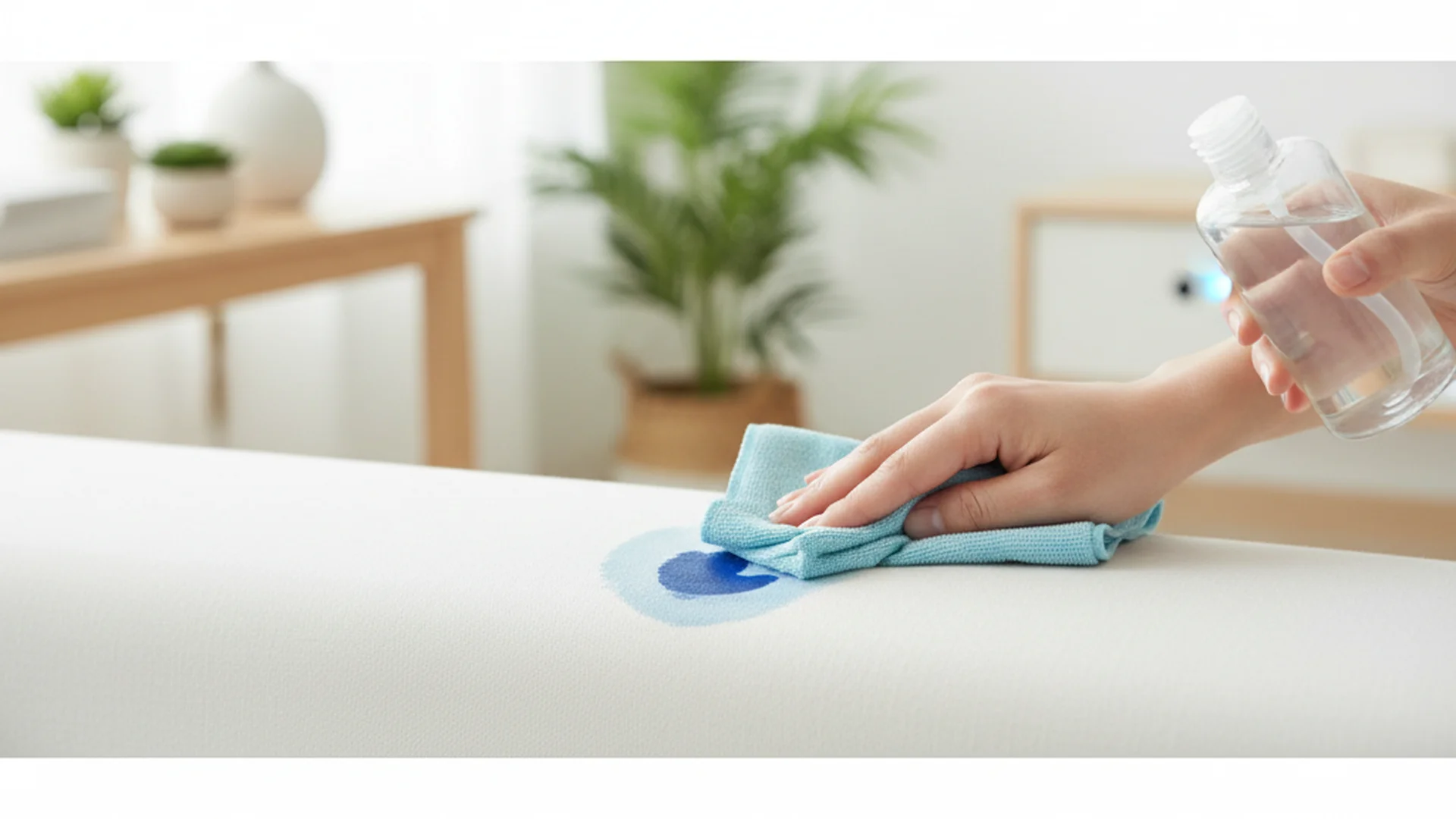
- Blot: Remove as much liquid as possible using a dry white cloth.
- Apply: Gently dab the mixture onto the stain.
- Wait: Let it sit for 5 to 10 minutes.
- Blot Again: Use a fresh damp cloth to lift the solution and the wine.
- Rinse: Blot with pure cold water to remove any soapy residue.
Tip: Leaving soapy residue in your carpet is a mistake. Soap is designed to attract dirt; if left behind, your carpet will develop a dark spot in that exact location within a few weeks as it traps household dust.
How to Remove Wine Stains from Fabric and Clothing
When you need to remove wine stains from fabric, the approach depends heavily on the garment’s care label.
Step-by-Step for Washables (Cotton, Linen, Synthetics)
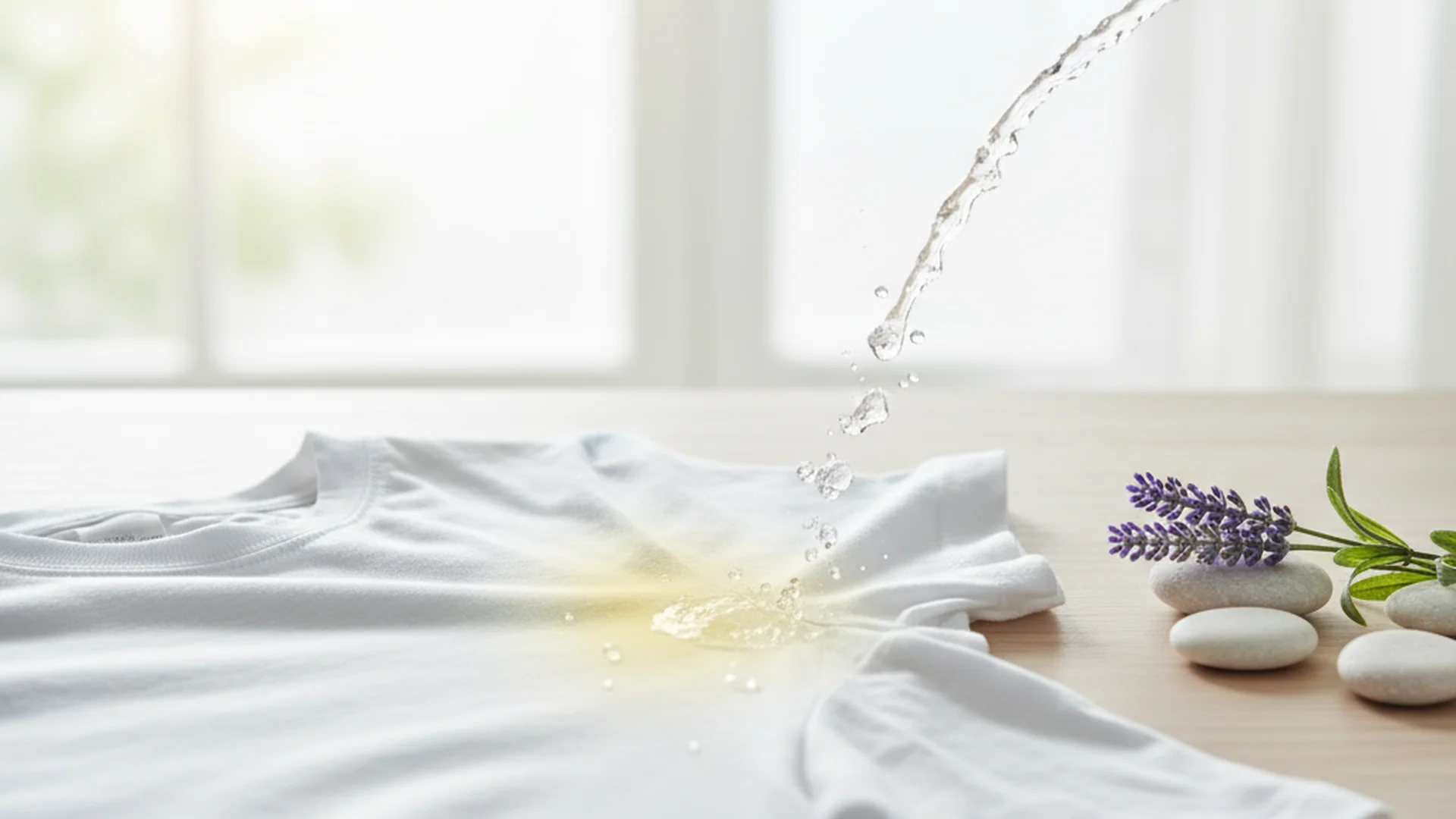
- Flush from the Back: Hold the underside of the stained fabric under a cold running faucet. This flushes the wine out of the fibers rather than through them.
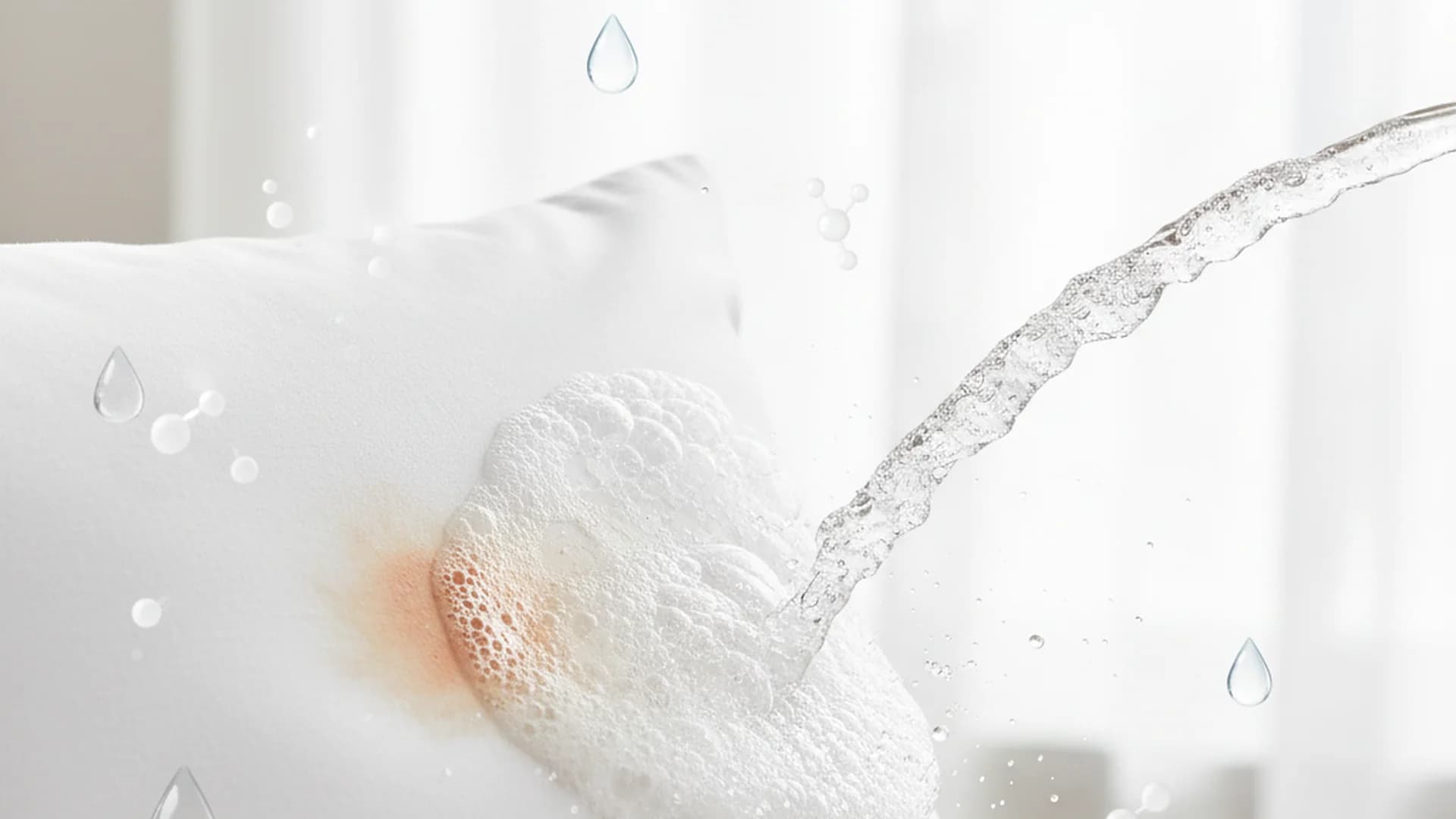
- Pre-treat: Apply a specialized enzymatic cleaner. 2026 market trends show a surge in "bio-active" cleaners that use living enzymes to "eat" the organic tannins.
- Launder Cold: Wash the garment on a cold cycle.
- Inspect Before Drying: This is the most important step. Check the garment while it is still wet. If you see even a hint of pink, do not put it in the dryer.
| Fabric Type | Recommended Treatment | Avoid This |
|---|---|---|
| Synthetic (Polyester) | Commercial Stain Remover | High Heat |
| Cotton | Hydrogen Peroxide/Soap | Bleach (can yellow) |
| Wool | pH-Neutral Detergent | Oxi-Clean / High pH |
| Silk | Professional Dry Clean | DIY Water Scrubbing |
Success: Using a portable micro-cleaner (like the 2025 iterations from Shark or Bissell) can extract the wine from furniture or heavy fabrics far more effectively than manual blotting.
Common Mistakes to Avoid
Even with the best intentions, many people accidentally sabotage their cleaning efforts. Here are the top errors observed by professionals:
- The Salt Trap: While salt is a great absorbent, it can be abrasive. If left too long on a carpet, it can damage the backing or turn the stain a permanent greyish-purple.
- The Dryer Mistake: Putting a stained shirt in the dryer is the "point of no return." Once that heat hits the pigment, it is likely there forever.
- Over-Saturation: Drowning a carpet stain in water or cleaner can lead to mold issues in the padding or cause "wicking," where the stain reappears as it dries.
- Skipping the Test Patch: Modern dyes can be unstable. Always test your cleaning solution on an inconspicuous spot (like the inside of a hem or under a piece of furniture) to ensure it doesn't cause color loss.
Real-World Examples
Example 1: The Holiday Party Rug Rescue
During a busy Christmas gathering, a guest spills a full glass of Syrah on a white shag rug. The host immediately grabs a white cotton towel and blots (doesn't rub). They then apply a mixture of club soda and a drop of clear dish soap. Because they acted within 3 minutes, the stain lifted completely without needing heavy chemicals.
Example 2: The "Morning After" Discovery
A homeowner finds a dried wine circle on a linen tablecloth the morning after a dinner party. To fix this, they re-hydrate the stain using a mixture of 2 parts hydrogen peroxide and 1 part dish soap, letting it sit for 20 minutes before flushing it with cold water. The re-hydration "breaks" the dried bond, allowing the stain to be laundered away.
Example 3: Performance Fabric Success
A toddler knocks a glass of wine onto a new 2026 "performance fabric" sofa. Because the sofa features a built-in nano-coating, the wine beads up on the surface. The parent simply wipes it away with a dry paper towel, requiring no cleaning solution at all.
Frequently Asked Questions
Does pouring white wine on a red wine stain actually work?
Can I remove a wine stain that has already dried?
Does club soda really work?
Is it safe to use bleach on wine stains?
Conclusion
Mastering how to remove wine stains is about speed, chemistry, and technique. By respecting the "Golden Window" and avoiding the temptation to scrub or use heat, you can save almost any fabric from a permanent mark. As cleaning technology moves toward probiotic and enzymatic formulas in 2026, the process is becoming safer for both your home and the environment.
Always remember: Blot, don't rub; cold, not hot; and always test your patch.
Success: Following these professional protocols ensures your home remains pristine, no matter how many glasses of wine might go astray.
Cleaning that keeps score
Every task earns points, every streak multiplies them, and Premium adds a household leaderboard plus a monthly Dustagorgon to beat.
- Free forever
- 30 badges to earn
- Up to 6 in a household
No card needed. Set up your rooms in a couple of minutes.