In this article
What you’ll learn
- Always use cold water first to avoid setting the tannin-based pigments.
- Lycopene is hydrophobic and binds to synthetic fibers, requiring a degreaser like dish soap.
- Sunlight is a natural bleaching agent that effectively removes remaining tomato tints.
Nothing halts a dinner party quite like a splash of marinara hitting a white linen tablecloth or a glob of salsa landing on a plush living room rug. If you have ever struggled with these stubborn red spots, you have likely wondered exactly how to remove tomato stains without leaving behind a permanent orange ghost of meals past. Tomato-based spills are uniquely difficult because they aren't just one type of stain; they are a complex combination of organic plant pigments, natural acids, and—most frustratingly—cooking oils.
With tomato consumption in the U.S. increasing by 30% over the last two decades, and the majority of that being processed into sauces and pastes, the "tomato emergency" is more common than ever. Whether you are dealing with a fresh splash of ketchup or a set-in pizza sauce disaster, the key to success lies in understanding the chemistry of the tomato itself.
Why Tomato Stains Are So Stubborn
To understand how to remove tomato stains, you first have to understand lycopene. Lycopene is the bright red carotenoid responsible for the tomato's color. From a cleaning perspective, lycopene is "hydrophobic," meaning it hates water. This is why a simple rinse under the tap rarely works; the pigment would rather cling to the synthetic fibers of your polyester shirt than wash away with the water.
Furthermore, most tomato stains involve sauces containing oils or fats. This creates a "double-bind" stain where the oil traps the pigment deep within the fabric. To get the red out, you must first break down the oil and then lift the pigment.
Note: The global stain remover market is evolving, with a projected growth of nearly 5% through 2035. This is leading to better, more specialized enzyme-based removers that target these exact organic bonds.
How to Remove Tomato Stains from Fabric
When you need to remove tomato stains from fabric, speed is your best friend, but technique is your secret weapon. Whether it’s a cotton t-shirt or a delicate blouse, the following steps are the industry standard for 2025.
Step 1: The Cold Water Flush
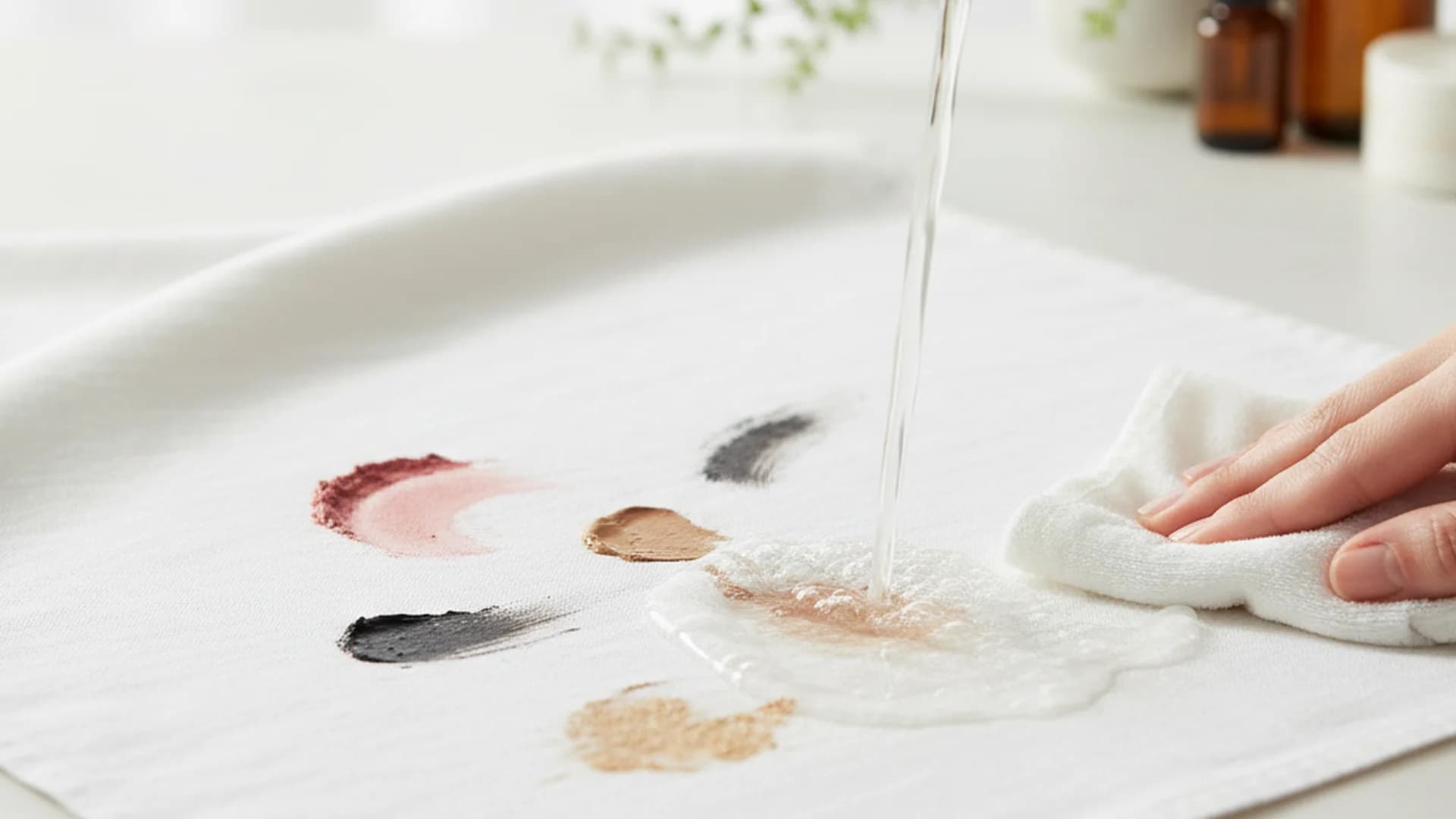
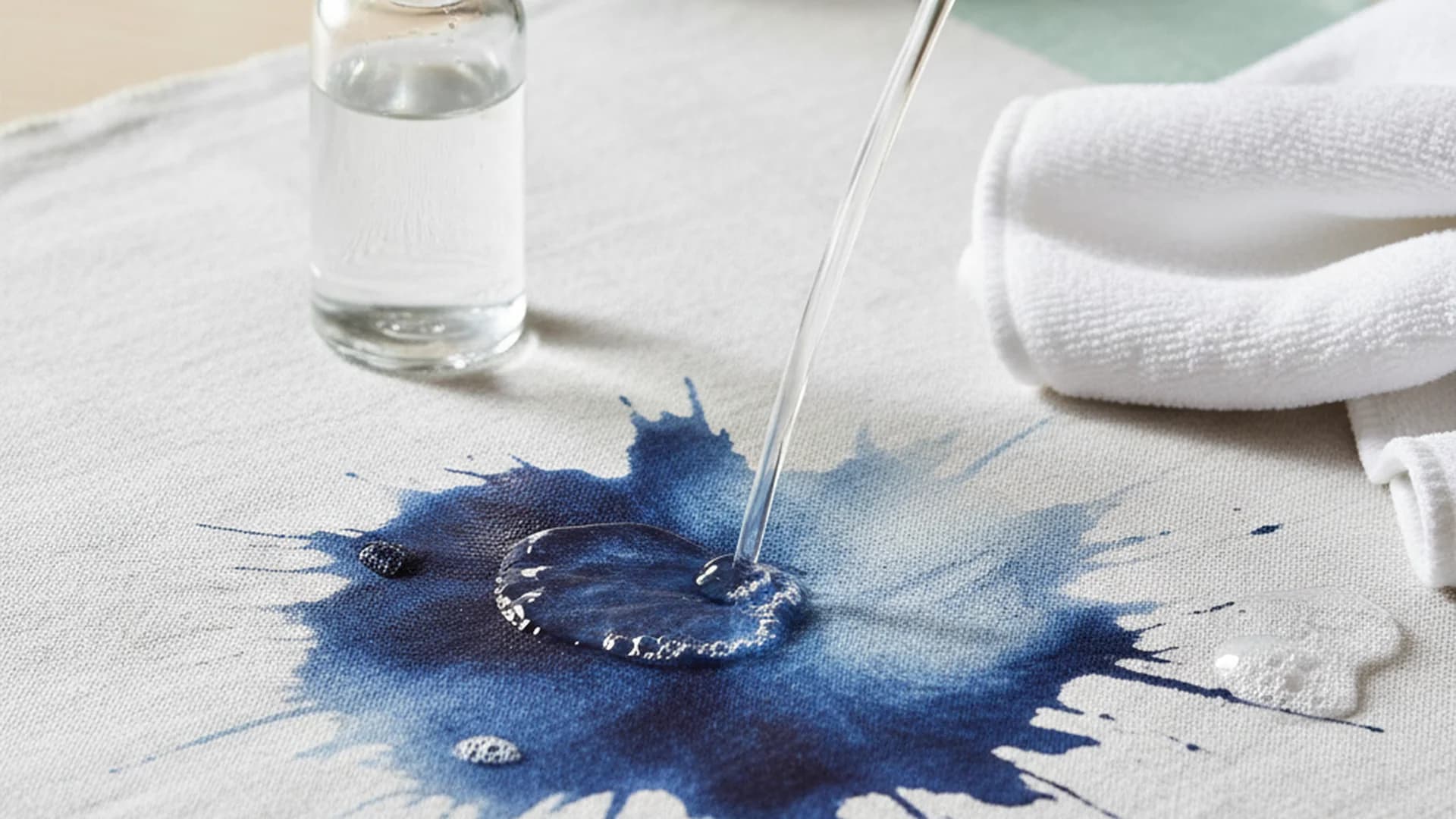
The most important rule of tomato stains is to avoid heat. Always run cold water through the back of the fabric. By flushing from the inside out, you push the sauce out of the fibers rather than forcing the lycopene deeper into the weave.
Step 2: The "Dawn" Method
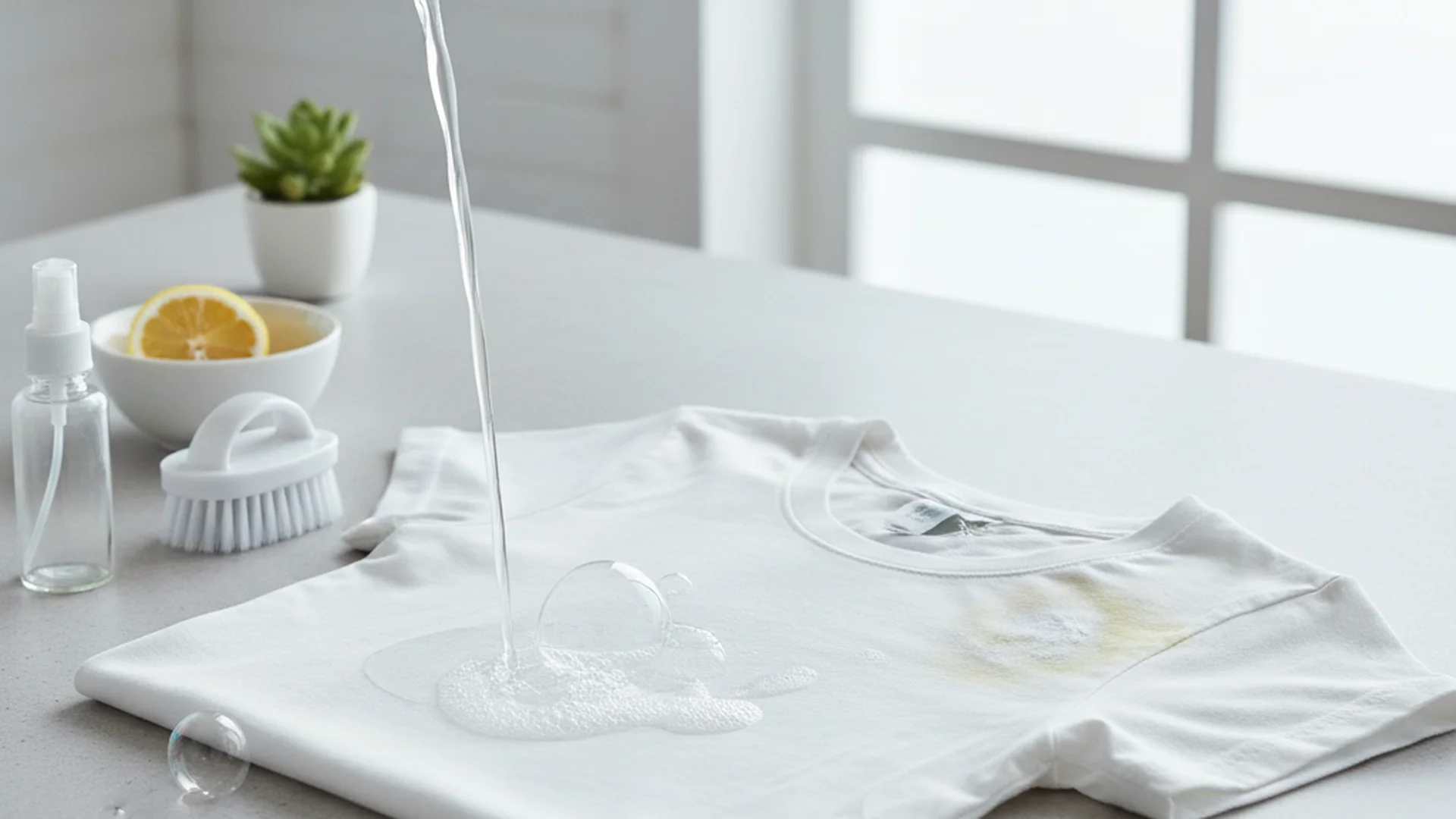
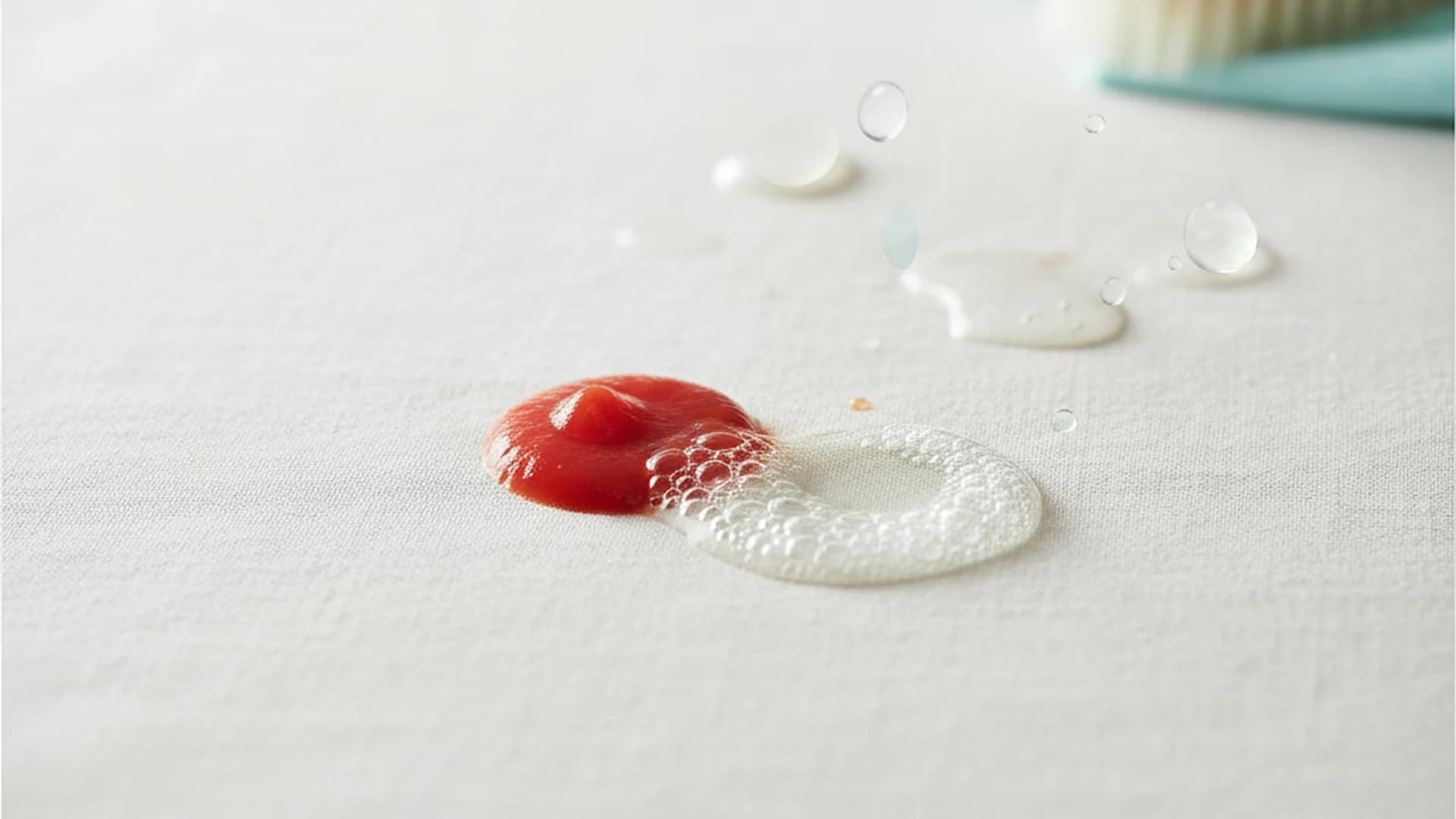
Experts widely recommend Blue Dawn Dish Soap as the primary line of defense. Because it is a powerful degreaser, it breaks the bond between the cooking oil and the fabric.
- Apply a small amount of liquid dish soap to the damp stain.
- Work it in gently with your fingers or a soft-bristled toothbrush.
- Let it sit for 5–10 minutes.
Step 3: Enzymatic Pre-treatment
For heavy sauces, you need to break down the plant cell walls. Use a laundry pre-treatment spray that contains pectinase or amylase. These enzymes are specifically designed to "eat" the pectin found in tomatoes.
Real-World Example: The White Linen Blouse
Consider Sarah, who spilled arrabbiata sauce on her favorite white linen blouse. Instead of scrubbing it with a napkin (which would have spread the oil), she immediately flushed it with cold water in the restroom. Once home, she used the Dawn method followed by an enzymatic soak. By treating the oil and the pigment separately, the blouse was saved without a trace of yellowing.
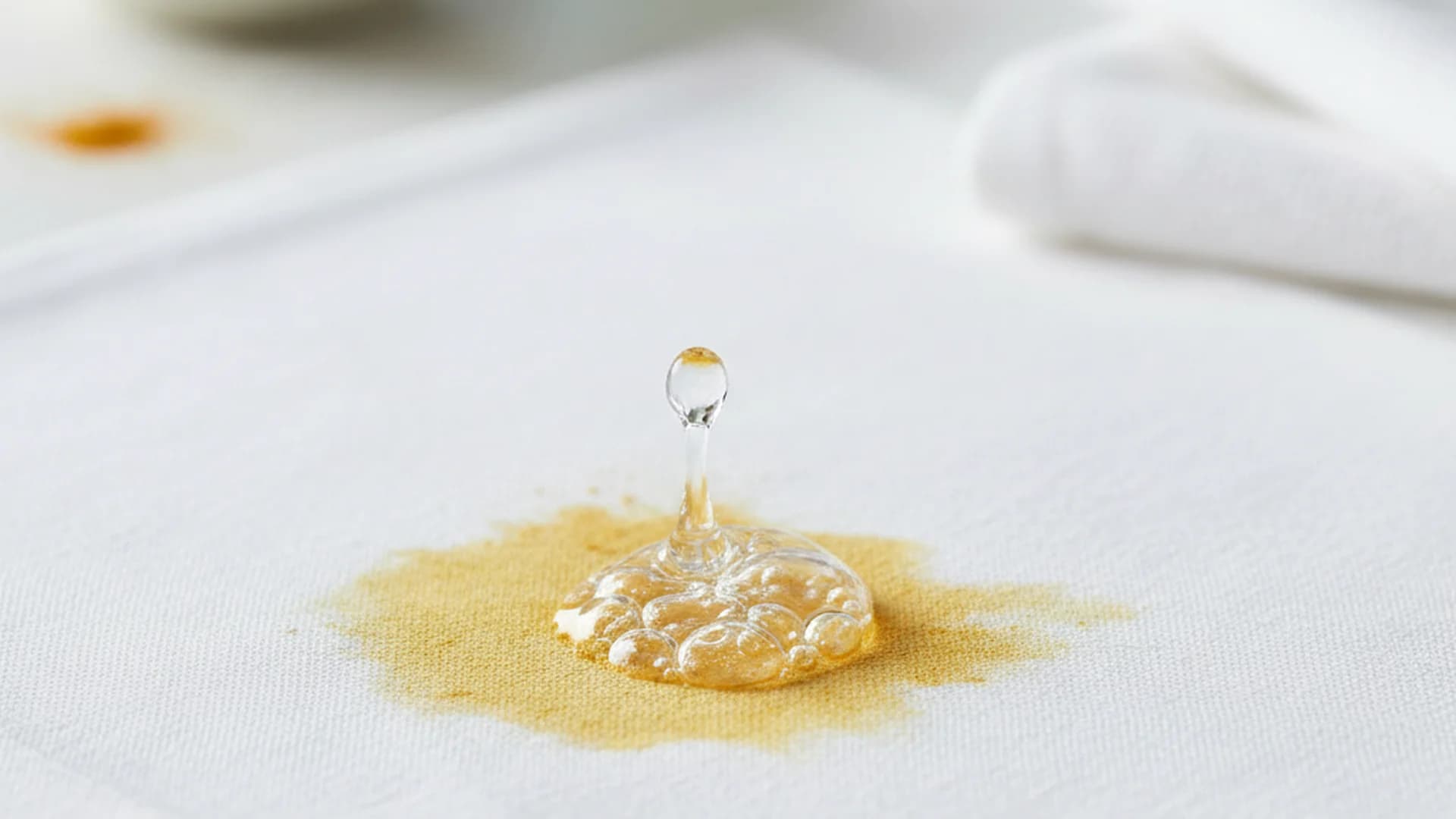
Tip: If a faint yellow tint remains after washing, place the damp garment in direct sunlight. Lycopene is photosensitive and will naturally bleach out under UV rays.
How to Remove Tomato Stains from Carpet
Learning how to remove tomato stains from carpet requires a different approach because you cannot "flush" a carpet from the back. The goal here is containment and extraction.
Step 1: Scrape, Don’t Blot
If you drop a spoonful of chunky pasta sauce, do not reach for a cloth immediately. Use a dull knife or a spoon to lift away the solids.
Warning: Blotting "chunky" sauce immediately can smear the pigments and oils into the carpet backing, making it nearly impossible to extract.
Step 2: The Vinegar and Soap Solution
Mix one tablespoon of liquid dish soap with two cups of cool water and one tablespoon of white wine vinegar. The acetic acid in the vinegar helps break down the plant tannins.
- Blot the solution onto the stain using a clean white cloth.
- Work from the outside of the stain toward the center to prevent spreading.
- Blot with a dry cloth until the liquid is absorbed.
Step 3: The Peroxide Trick
For light-colored or white carpets, a 3% hydrogen peroxide solution can act as a safe "eraser" for the final red tint.
Warning: Always test hydrogen peroxide on an inconspicuous hidden spot first, as it can bleach some carpet dyes.
Real-World Example: The Pizza Party Disaster
During a Sunday football game, a slice of greasy pepperoni pizza landed face-down on a beige nylon carpet. The homeowner first scraped up the cheese and sauce. They then used a probiotic cleaner—a top trend for 2025—which contains live bacteria that continued to "eat" the organic tomato residue over several hours, preventing any lingering odors or stains.
| Cleaning Agent | Best Used For | Why It Works |
|---|---|---|
| Blue Dish Soap | Fresh oily stains | Breaks down cooking oils |
| White Vinegar | Tannin removal | Acid breaks down plant pigments |
| Hydrogen Peroxide | Light carpets | Oxidizes the lycopene color |
| Probiotic Cleaners | Deep-pile rugs | Consumes organic matter over time |
2025–2026 Trends in Stain Removal
The way we handle household messes is changing rapidly. As we move into 2026, several new technologies are making it easier to remove tomato stains from carpet and clothing.
- Waterless "Dry" Steamers: Handheld high-temperature dry steamers are becoming a household staple. They use ultra-low moisture to loosen tannins without soaking the carpet pad, which prevents mold growth.
- IoT Stain Guidance: Modern "smart" washing machines now feature specific "Tomato Sauce" cycles. These machines start with a cold-water soak and gradually increase the temperature to ensure the oil is removed without "setting" the red pigment.
- Eco-Labeling & Bio-Based Solvents: There is a massive shift toward biodegradable surfactants. New 2025 formulations use solvents derived from corn and soy that are just as effective as traditional chemicals but safer for the environment.
Common Mistakes to Avoid
Even with the best intentions, it is easy to make a mistake that turns a temporary spill into a permanent eyesore.
- The "Hot Water" Trap: Never use hot water on a fresh tomato stain. Heat acts as a catalyst that bonds the tannins to the fibers.
- Using Bar Soap: Conventional bar soaps (like Ivory) often contain fats that can bond with the tomato's lycopene, effectively "dyeing" the fabric orange.
- Aggressive Scrubbing: This damages the "nap" of the fabric and spreads the lycopene over a larger surface area. Always blot.
- The Dryer Mistake: This is the most common error. Never put a garment in the dryer unless you are 100% sure the stain is gone. The high heat of the dryer will "bake" the stain into the fabric permanently.
Success: By following the "flush, degrease, and enzyme" process, you can maintain your wardrobe and home decor even in the face of the toughest Sunday Gravy spills.
Frequently Asked Questions
Why is my tomato stain turning yellow or orange after washing?
Can I use vinegar on tomato stains?
Is a set-in tomato stain permanent?
Does sunlight really remove tomato stains?
Conclusion
Mastering the art of how to remove tomato stains is a essential skill for any home chef or parent. By understanding that these are complex stains requiring both a degreaser for the oils and an enzymatic approach for the pigments, you can tackle spills on both fabric and carpet with confidence. Remember to keep the water cold, avoid the dryer until the spot is gone, and don't be afraid to let the sun do the heavy lifting for those final stubborn tints.
Cleaning that keeps score
Every task earns points, every streak multiplies them, and Premium adds a household leaderboard plus a monthly Dustagorgon to beat.
- Free forever
- 30 badges to earn
- Up to 6 in a household
No card needed. Set up your rooms in a couple of minutes.