In this article
What you’ll learn
- Treat oil-based ballpoint stains with a solvent like 90% Isopropyl alcohol before washing.
- Never use hot water on an ink stain; heat sets the dye permanently.
- Modern hairsprays are far less effective than pure alcohol due to formula changes.
Nothing ruins a productive morning quite like the sight of a blue smudge spreading across your favorite white shirt or a dark blotch on the office rug. Knowing how to remove ink stains is often considered the "final boss" of laundry chores because ink is literally designed to be permanent. However, as we move through 2026, the chemistry of cleaning has evolved. Whether you are dealing with a leaking gel pen or a toddler’s permanent marker mural, success is almost always a matter of chemistry over elbow grease.
Identify Your Ink: The First Step to Success
Before you reach for the nearest cleaning spray, you must identify what you are fighting. Treating all ink the same is one of the fastest ways to ruin a garment, and your odds of success vary wildly based on the ink's chemical base.
Ballpoint Pen (Oil-Based)
Ballpoint ink is thick and greasy. It comes out reliably if treated with a solvent before it ever touches the washing machine. Because it is oil-based, water alone will simply bead off the surface.
Gel and Fountain Pens (Water-Based)
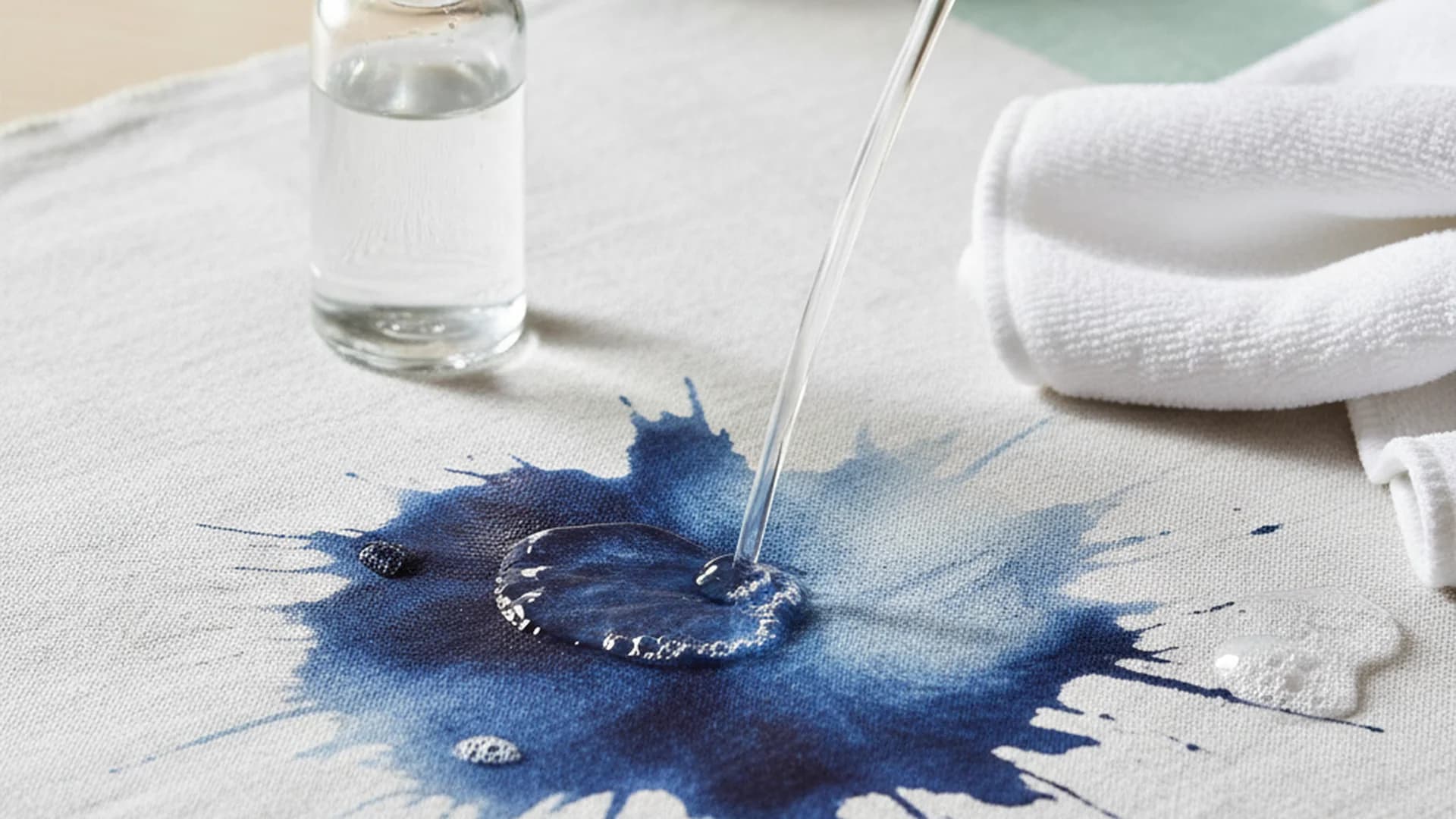
Gel pens use a combination of water-based pigment and thickeners. These usually come out as well, but they are notoriously finicky. They require immediate flushing with water to move the pigments out of the fibers before they dry.
Permanent Markers
These contain xylene or toluene and are designed to bond with surfaces. While the name suggests "permanent," they can often be lifted from non-acetate fabrics using strong solvents like acetone or specialized 2026 enzymatic cleaners.
Warning: Always check your fabric label. A great deal of the garment damage professionals see stems from DIY attempts using the wrong pH-level cleaner on sensitive fabrics like silk or acetate.
The Golden Rule: Blot, Don't Rub
The most common mistake people make when they see an ink spot is a frantic rubbing motion. This is the worst thing you can do. Rubbing pushes the ink molecules deeper into the fabric's core and expands the diameter of the stain.
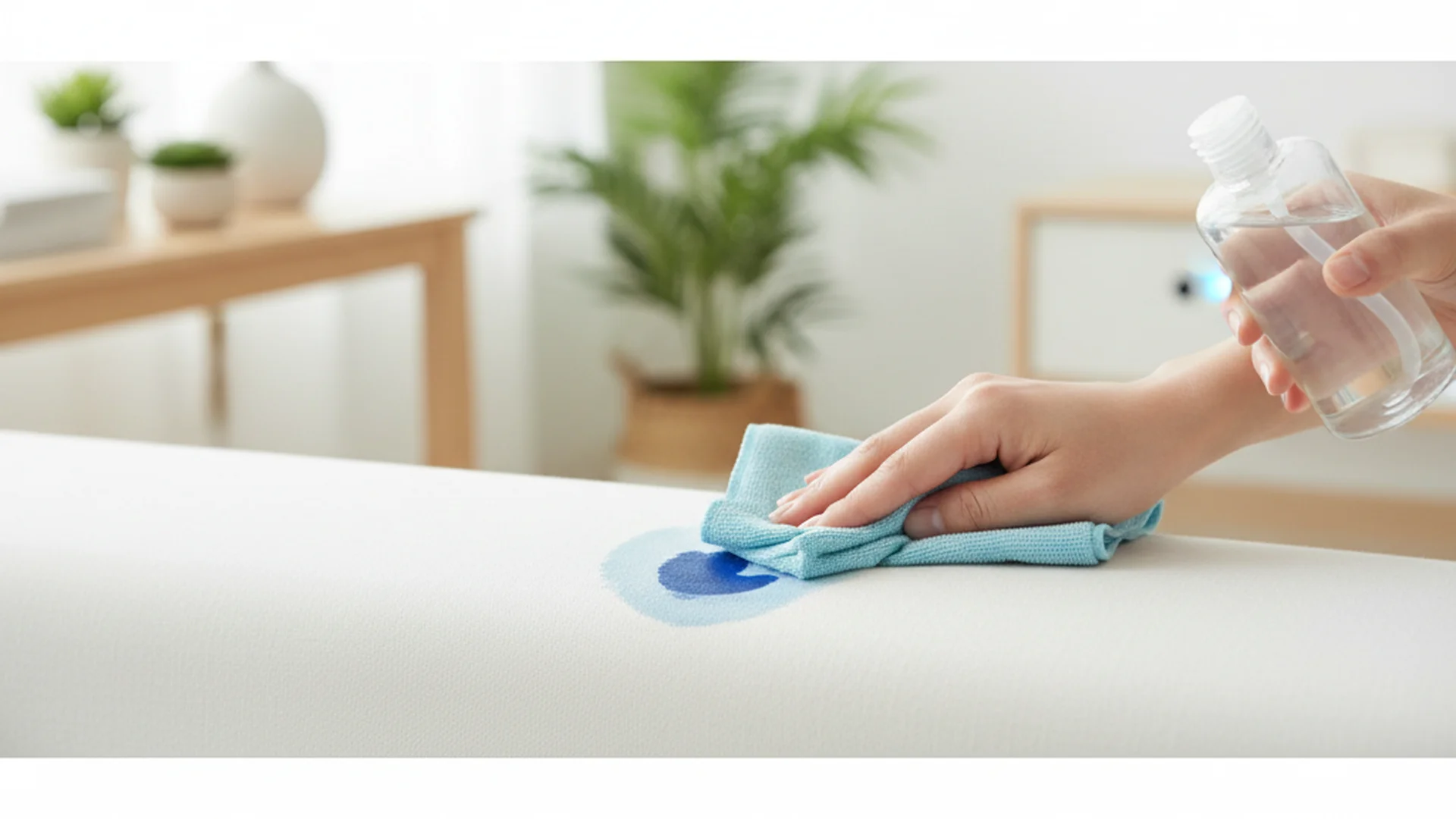
To remove ink stains from fabric effectively, you must master the "Blot and Transfer" technique. This involves placing a clean white cloth or paper towel underneath the stain to act as a "sink" that absorbs the ink as you lift it from the top.
Step-by-Step: How to Remove Ink Stains from Fabric
If you’ve dropped a pen on your clothes, follow this expert-vetted solvent-first approach.
- Place a Barrier: Lay the garment flat and slide a thick layer of paper towels inside the garment, directly under the stain. This prevents the ink from bleeding through to the back of the shirt.
- Apply 90% Isopropyl Alcohol: Forget the hairspray (we’ll explain why later). Use a dropper to apply pure alcohol directly to the stain.
- The Blotting Phase: Use a clean, white microfiber cloth to press firmly down on the stain. You should see the ink "traveling" from your garment into the paper towel barrier below.
- Enzyme Pre-treat: Once the solvent has lifted the majority of the pigment, apply an enzyme-based stain stick. This breaks down any remaining polymers.
- Wash Cold: Launder the item on a cold cycle.
Success: Using 90% Isopropyl alcohol instead of modern hairspray dramatically increases your chances of total removal, as it lacks the oily conditioners found in cosmetic products.
How to Remove Ink Stains from Carpet
Carpets present a different challenge because you cannot "flush" the liquid through to the other side. If you try to remove ink stains from carpet by pouring liquid on it, you risk the ink seeping into the carpet pad, where it will eventually "wick" back up to the surface.
The Shaving Cream Method
For light ink spills on synthetic fibers like nylon or polyester, non-gel shaving cream is a secret weapon. The aerated soap acts as a lifting agent that keeps the ink suspended so it doesn't sink.
The Vacuum Extraction Method
For larger spills, professional cleaners in 2026 recommend using a wet/dry vacuum. After applying a small amount of alcohol or specialized cleaner, use the vacuum to pull the liquid upward. This prevents the "halo effect" where the stain spreads horizontally.
Tip: If you are dealing with a permanent marker on a rug, use a cotton swab dipped in alcohol to trace the lines exactly. This prevents the solvent from touching the unstained carpet fibers.
Real-World Examples
Example 1: The Executive’s Leaking Pocket
A consultant noticed a fountain pen leak in his suit pocket just before a meeting. Instead of using water, which would have spread the organic dyes, he used a high-alcohol hand sanitizer (a common 2026 carryover habit). Because the sanitizer was a gel, it stayed in place, allowing him to blot the ink out with a napkin without the liquid running down his trousers.
Example 2: The Toddler’s Sharpie Mural
A homeowner found permanent marker on a polyester sofa. Using the 2026 trend of "Refillable Stain Pens" with a concentrated citrus-solvent mix, she was able to dissolve the marker's binder and vacuum the residue out, saving a $2,000 piece of furniture.
Example 3: The Coffee Shop Carpet Crisis
A barista dropped a gel pen that was promptly stepped on by a customer, ground into the industrial carpet. By using a wet/dry vac and a specialized enzyme "Ink-Eater" spray, the staff removed the pigment without leaving a secondary grease stain.
The 2026 Tech Revolution: Enzymatic "Ink-Eaters" and Ultrasonic Pens
The cleaning industry has shifted significantly in the last year. The "Eco-friendly Stain Remover" category is growing quickly, leading to the rise of specialized enzyme cleaners. These are engineered to break down the specific polymers found in modern gel inks, which are notoriously resistant to traditional alcohol.
Another high-tech trend involves Ultrasonic Stain Pens. These handheld devices use high-frequency vibrations to "shake" ink particles loose from fabric fibers using only a few drops of water. This is a game-changer for delicate silks where chemical solvents might cause discoloration.
Common Mistakes to Avoid
- The Hairspray Fallacy: Plenty of people still reach for hairspray when they spot ink. However, modern formulas contain less alcohol and more oils than 1990s versions. This makes them far less effective and likely to leave a permanent grease ring.
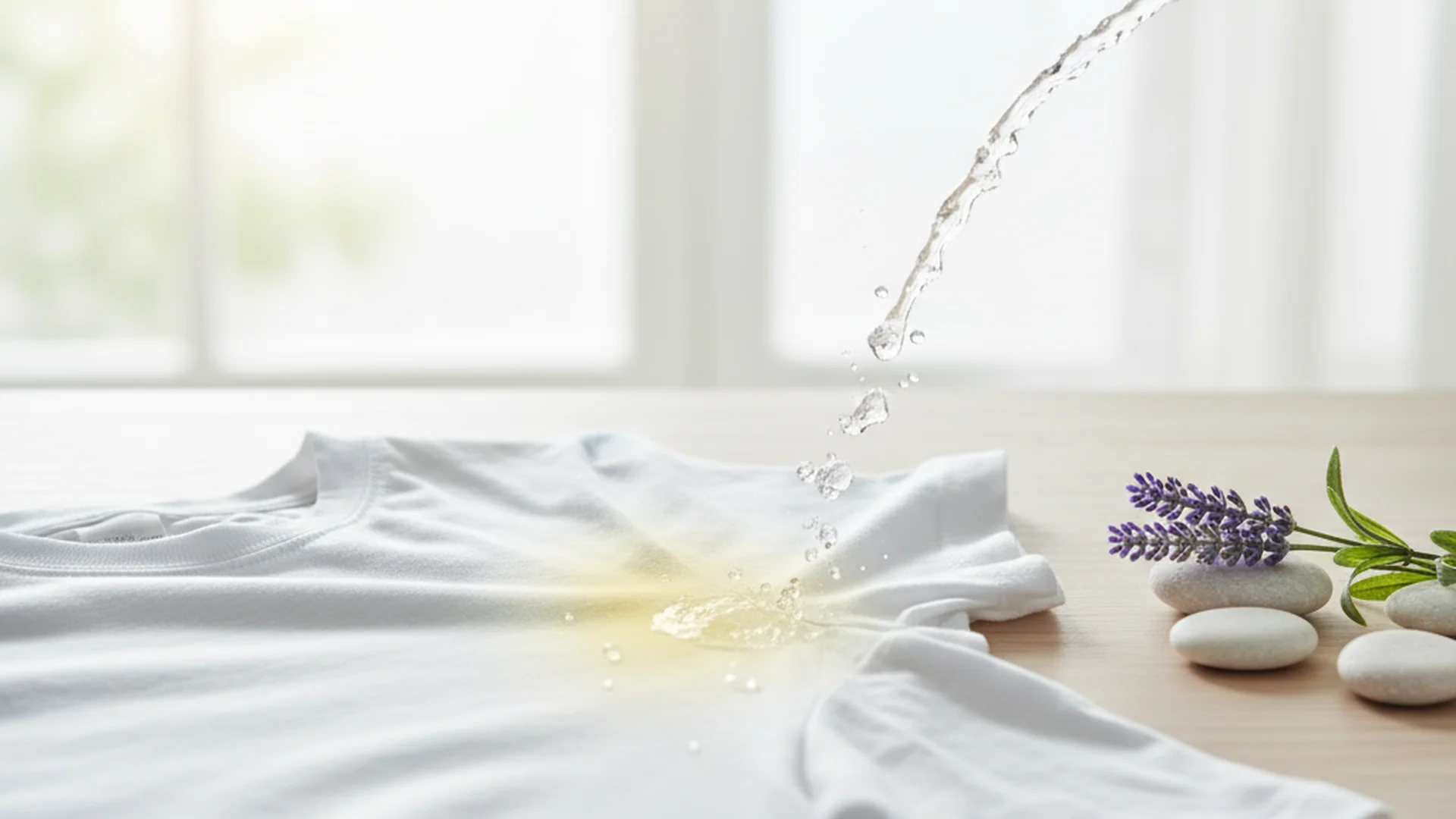
- Using Hot Water: Applying heat to an ink stain (including a hot dryer) will "cook" the dyes into the fabric. Always use cold or room-temperature water until you are 100% sure the stain is gone.
- Over-Saturation: Drenching a stain in cleaner causes the ink to travel. Use the smallest amount of solvent necessary to get the job done.
- Assuming All Markers are Washable: Always treat an unknown marker as permanent until proven otherwise.
Note: If an item has already been through the dryer, don't lose hope. While the heat "sets" the stain, repeated applications of a specialized enzyme soak can still break down the bonded molecules over 24-48 hours.
Frequently Asked Questions
Can I remove ink that has already been through the dryer?
Does milk really remove ink stains?
How do I get permanent marker out of carpet without ruining the color?
What is the difference between removing gel pen vs. ballpoint pen?
Conclusion
Ink stains no longer have to mean the end of your favorite clothes or a permanent blemish on your carpet. By moving away from the "Hairspray Myth" and embracing the solvent-first, blotting-heavy techniques of 2026, you can achieve professional-grade results at home. Remember: identify the ink, protect the surrounding area, and never, ever apply heat until the spot is gone.
Success: Mastering these techniques will save you hundreds of dollars in replacement costs and professional cleaning fees annually.
Cleaning that keeps score
Every task earns points, every streak multiplies them, and Premium adds a household leaderboard plus a monthly Dustagorgon to beat.
- Free forever
- 30 badges to earn
- Up to 6 in a household
No card needed. Set up your rooms in a couple of minutes.