In this article
What you’ll learn
- Yellow stains are caused by a reaction between sweat proteins and aluminum in deodorants.
- Never use hot water or chlorine bleach on sweat stains, as they "set" the protein and darken the color.
- Modern 2026 bio-enzymatic treatments and cold-water detergents are the most effective removal methods.
Nothing ruins a favorite white t-shirt or a crisp dress shirt faster than those stubborn, unsightly yellow rings under the arms. If you have ever wondered how to remove sweat stains effectively without damaging your clothes, you are not alone. Plenty of people feel self-conscious about visible underarm marks, and it is one of the most common laundry frustrations there is.
As a professional cleaning consultant, I have seen thousands of garments prematurely retired due to improper treatment. The good news is that with the right chemistry and a bit of patience, even the most "set-in" stains can be banished. Whether you are dealing with a delicate silk blouse or trying to remove sweat stains from carpet after a vigorous home workout, this guide provides the ultimate 2026 roadmap for restoration.
The "Yellow" Science: Why Sweat Stains Happen
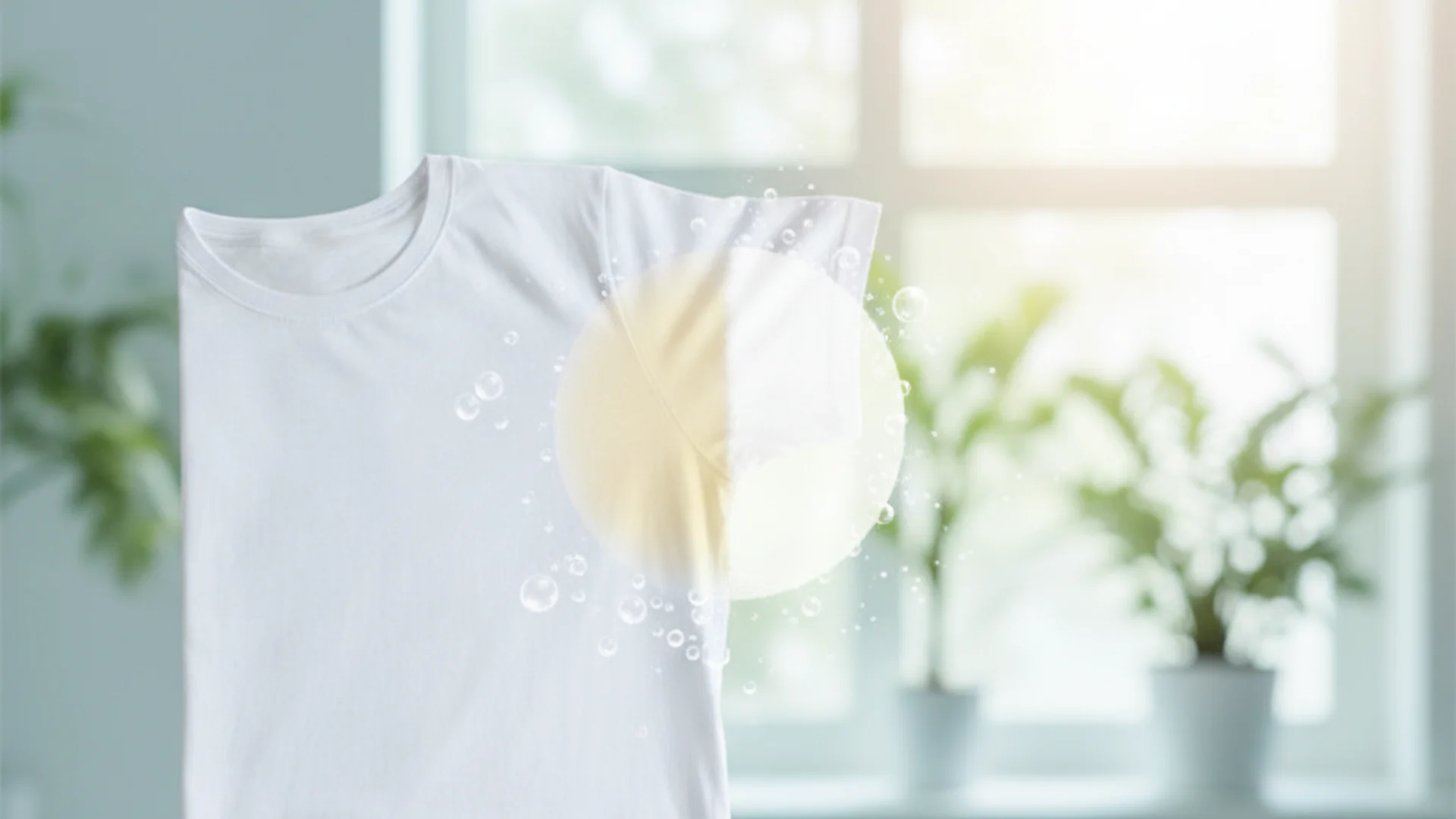
Before we dive into the solutions, it is essential to understand what we are fighting. Contrary to popular belief, sweat itself is mostly water and clear. The dreaded yellowing is actually a chemical reaction. It occurs when the proteins in your sweat meet the aluminum found in many commercial antiperspirants.
This combination creates a stubborn mineral-and-protein bond that clings to fibers. Households with teenagers or active adults tend to see these stains most often, making them one of the most common laundry challenges in modern homes.
Note: Because these stains are protein-based, treating them like a simple grease or dirt stain will often fail. You need agents that can specifically break down organic proteins.
How to Remove Sweat Stains from Fabric
When you need to remove sweat stains from fabric, the approach depends on the severity of the yellowing. We recommend a tiered strategy, starting with the gentlest method first.
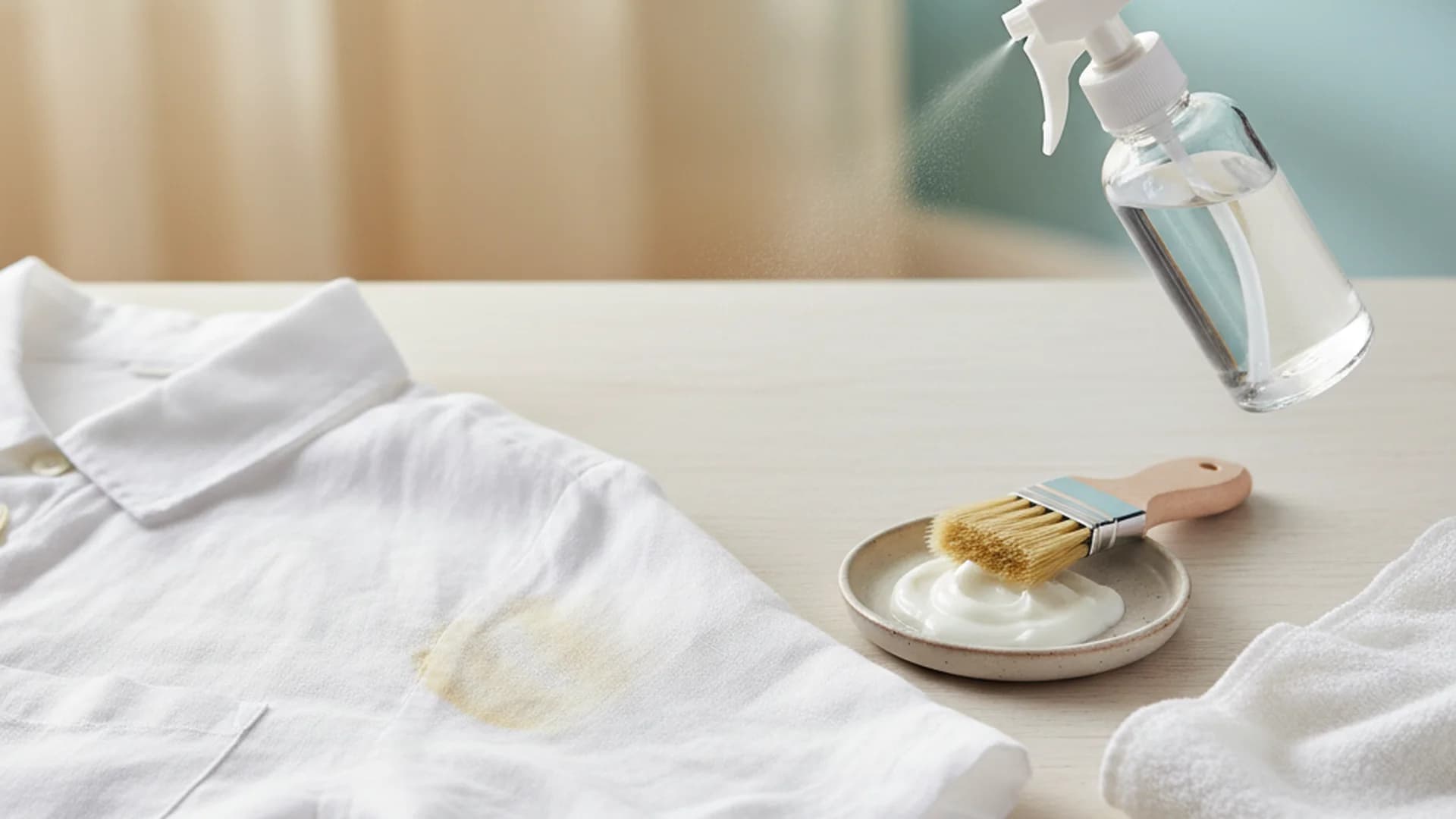
Method 1: The Vinegar Soak (Best for Fresh Stains)
Distilled white vinegar is a staple for a reason. Its acetic acid is just strong enough to break the bond between the aluminum and the fabric without damaging the fibers.
- Mix 1 part distilled white vinegar with 2 parts lukewarm water.
- Soak the garment for at least 30 minutes.
- Wash in the coldest setting recommended on the care label.
Method 2: The "Secret Formula" Paste (Best for Set-In Stains)
For those stubborn, crusty yellow stains that have survived multiple washes, you need something more abrasive and chemically active.
- Ingredients: 1/2 cup baking soda, 1 tbsp salt, and 1 tbsp hydrogen peroxide.
- Application: Mix into a paste and apply directly to the stain.
- Action: Let it sit for 20–30 minutes. Use a soft-bristled toothbrush to scrub the area gently in a circular motion.
- Rinse: Launder as usual using an oxygen-based booster.
Warning: Always test the hydrogen peroxide paste on an inconspicuous area of colored fabrics first, as it can have a mild bleaching effect on some dyes.
Method 3: The Aspirin Hack (A Pro Secret)
If you are working with white fabrics, salicylic acid—the active ingredient in aspirin—can work wonders. Crush two aspirin tablets into a half-cup of warm water, soak the stained area for two hours, and then wash.
How to Remove Sweat Stains from Carpet and Upholstery
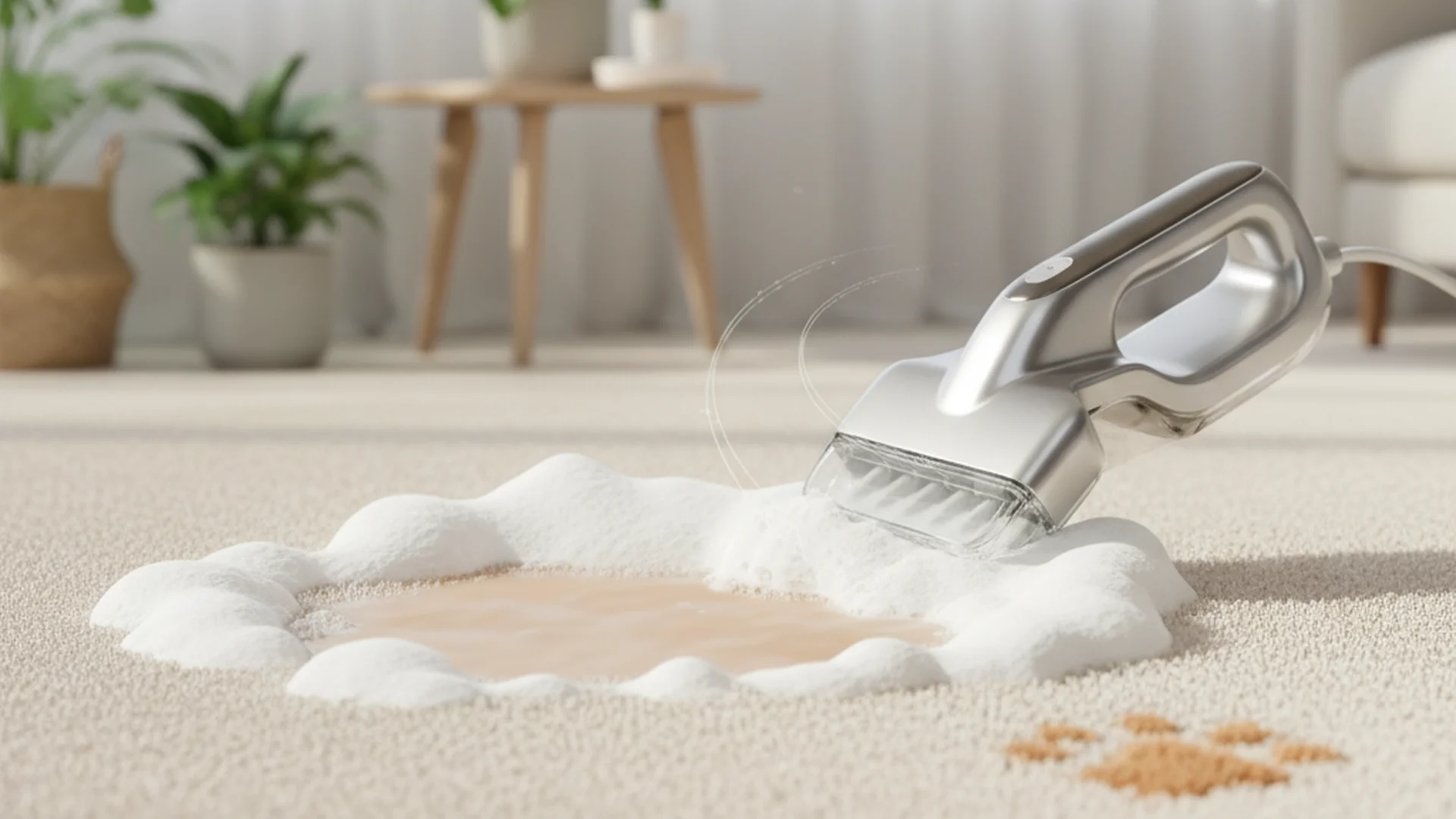
We often forget that sweat doesn't just stay on our clothes. It transfers to our sofas and rugs, especially in home gyms or high-traffic living areas. Knowing how to remove sweat stains from carpet requires a different set of rules because you cannot simply throw a carpet in the washing machine.
The "Blot, Don't Scrub" Rule
The biggest mistake people make with carpets is aggressive scrubbing. This pushes the body oils and sweat proteins deeper into the carpet backing and damages the "nap" of the fibers. Always use a clean microfiber cloth to blot from the outside of the stain toward the center.
Oxidation Treatment for Carpets
For high-traffic sweat or oil stains, reach for a 6% hydrogen peroxide solution.
- Apply the solution lightly to the area.
- Let it sit for 30 minutes to allow the oxygen bubbles to lift the proteins.
- Blot with a damp towel to extract the residue.
Tip: For hardened, "crusty" sweat stains on carpets, mix 2 tbsp of carpet cleaner with 1/2 cup of isopropyl alcohol. The alcohol breaks down the stubborn body oils before you begin the standard extraction process.
Real-World Examples: Success Stories
Example 1: The Teenager's Gym Kit
A client recently struggled with a polyester gym bag that had developed deep yellow salt rings and a persistent odor. By using a modern bio-enzymatic laundry sheet (a 2026 trend) and a 10-minute pre-treatment with the vinegar soak, the bag was restored to a like-new condition without the use of harsh chemicals.
Example 2: The Vintage Silk Blouse
Removing sweat from silk is terrifying for many. In this case, we used the distilled white vinegar method but shortened the soak time to 10 minutes. The acidity neutralized the sweat proteins without damaging the delicate natural fibers, saving a $200 vintage piece.
Example 3: The "Peloton" Carpet Stain
A fitness enthusiast had a noticeable darkened patch on their high-pile rug where they frequently stretched after workouts. We applied the isopropyl alcohol hack followed by a 6% hydrogen peroxide treatment. The alcohol dissolved the accumulated sebum (body oil), allowing the peroxide to lift the pigment out of the fibers entirely.
Success: Using targeted protein-dissolving agents can save items you previously thought were destined for the trash.
2025–2026 Trends in Stain Removal
The world of cleaning has evolved rapidly. Here are the latest updates in stain technology:
- The Cold-Water Revolution: 2025 laundry technology focuses on high-efficiency cold-water detergents. Modern enzymes are now optimized for 60°F (15°C) cycles, which prevent protein stains from "cooking" into the fabric.
- Bio-Enzymatic Laundry Sheets: These plastic-free sheets now include concentrated protease enzymes that target sweat odors and stains specifically.
- AI-Powered Treatment: New smart washing machines feature sensors that detect the chemical composition of the water, identifying protein-heavy loads and automatically adjusting soak times.
- Anticipatory Protection: A growing 2026 trend is the use of repellent fabric sprays. Applied to underarms and collars before wear, they create a microscopic barrier that prevents sweat from reaching the fibers in the first place.
Common Mistakes to Avoid
- Using Hot Water: This is the #1 mistake. Sweat is protein-based. Hot water acts like a heat-set, effectively "cooking" the protein into the fiber. Always start with cold or lukewarm water.
- Chlorine Bleach on Yellow Stains: Never use traditional bleach on "pit stains." The chlorine reacts with the proteins and the aluminum, often making the yellow stain darker and more permanent.
- The "More is Better" Detergent Myth: Overusing detergent creates a "suds lock." Dirt and sweat particles get trapped in the excess suds and are redeposited back into the fabric during the rinse cycle.
- Sun-Drying Stained Items: While sunlight is a natural whitener, if a sweat stain isn't 100% removed, the UV rays can bake the remaining residue into the fabric.
| Mistake | Consequence | Better Alternative |
|---|---|---|
| Hot Water | Sets the protein | Cold Water Soak |
| Chlorine Bleach | Darkens yellowing | Oxygen-based Bleach |
| Aggressive Scrubbing | Damages fabric nap | Gentle Blotting |
Frequently Asked Questions
Does hot water help remove sweat stains?
Can I use bleach on yellow pit stains?
Are set-in sweat stains permanent?
Why do my shirts turn yellow even if I don't sweat much?
Conclusion
Understanding how to remove sweat stains is a combination of timing and chemistry. By moving away from old habits like using hot water and chlorine bleach, and embracing the 2026 trends of bio-enzymatic cleaners and cold-water technology, you can extend the life of your wardrobe significantly. Remember to treat stains as soon as they appear, and always prioritize "blotting" over "scrubbing" when dealing with carpets and upholstery.
Success: With these professional techniques, you can confidently wear your favorite clothes without the fear of permanent yellowing.
Cleaning that keeps score
Every task earns points, every streak multiplies them, and Premium adds a household leaderboard plus a monthly Dustagorgon to beat.
- Free forever
- 30 badges to earn
- Up to 6 in a household
No card needed. Set up your rooms in a couple of minutes.