In this article
What you’ll learn
- Start with cold water to prevent setting pigments
- Use enzymatic cleaners for modern long-wear formulas
- Never scrub powders—lift them with air or suction
We have all been there: a slip of the hand while applying foundation or a stray smudge of lipstick on a white collar can instantly ruin an outfit. While long-wear and waterproof products are great for your face, they are a nightmare for your laundry. Knowing how to remove makeup stains effectively requires understanding the chemistry of the product and the fibers of your fabric.
The Chemistry of Cosmetics
To understand how to remove makeup stains from fabric or carpet, you must first understand what you are fighting. Most modern cosmetics are "complex" stains. This means they are a hybrid of iron oxide pigments (for color), synthetic oils or waxes (for staying power), and proteins or binders.
A single-ingredient approach usually fails because you might dissolve the oil but leave the pigment behind. In 2025, the "gold standard" for tackling these complex bonds is the use of enzymatic cleaners. These products use lipases to break down oils and proteases to break down proteins, essentially "eating" the stain at a molecular level.
How to Remove Makeup Stains from Fabric
When you discover a smudge on your favorite shirt, your first instinct might be to grab a nearby makeup wipe. Stop right there.
Warning: Never use a makeup removal wipe on fabric stains. These wipes are designed for skin and often contain oils that leave a secondary grease ring on clothes, making the original stain even harder to remove.
Step 1: Identify the Formula
Different makeup requires different solvent strategies.
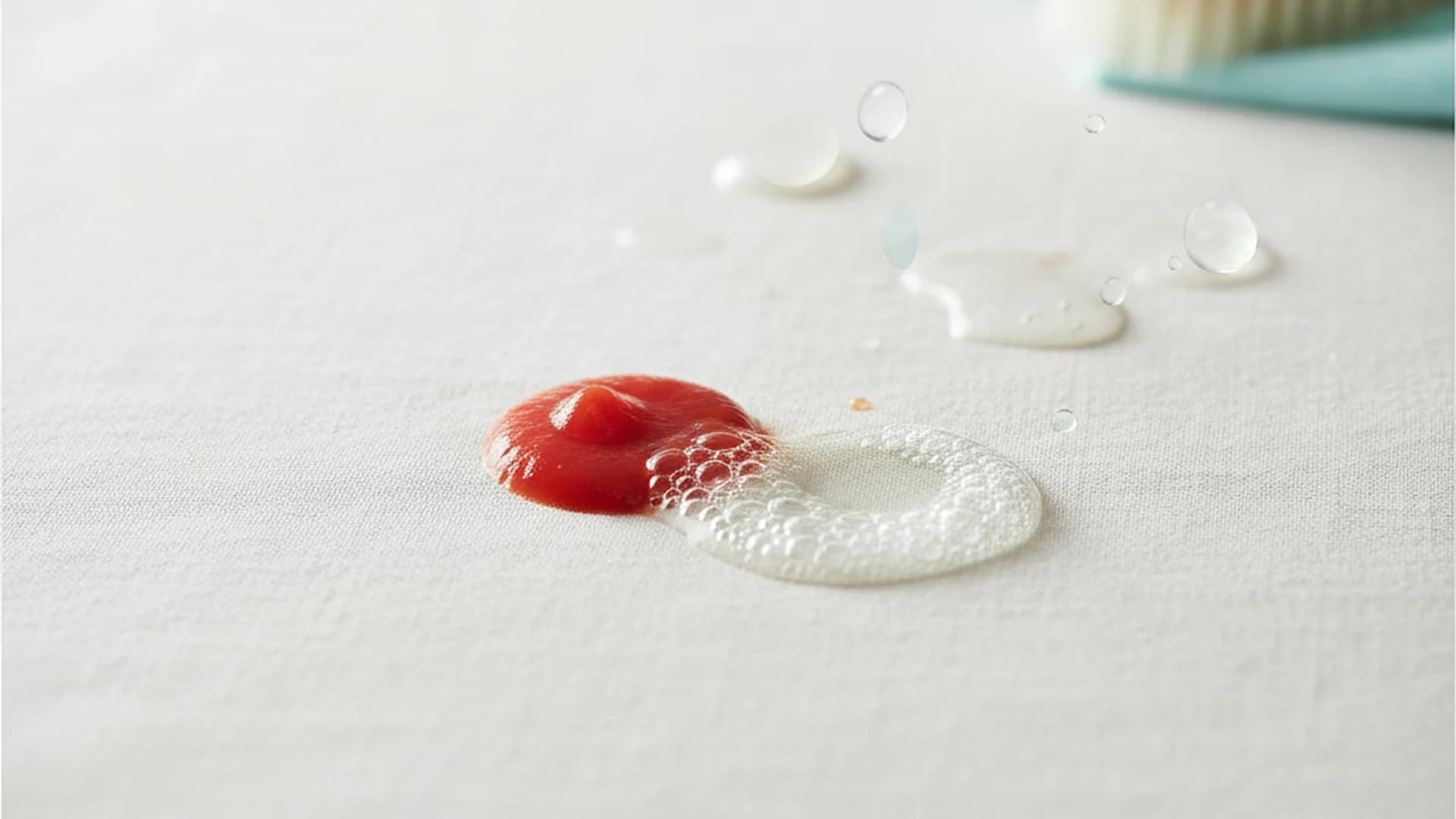
- Liquid Foundations: These are often oil-based. For these, shaving cream is a surprising "magic" remedy. The surfactants in the foam lift the oils out of the fibers. Apply, let sit for 5 minutes, and rinse.
- Lipstick: Lipstick is heavy in wax. To treat this, use 70%+ isopropyl alcohol. Place the garment face-down on a paper towel and dab the back of the fabric. This "transfers" the wax onto the paper.
- Mascara and Eyeliner: These are high-pigment and often waterproof. A grease-cutting dish soap (like Dawn) is your best friend here.
Step 2: The Back-Flush Technique
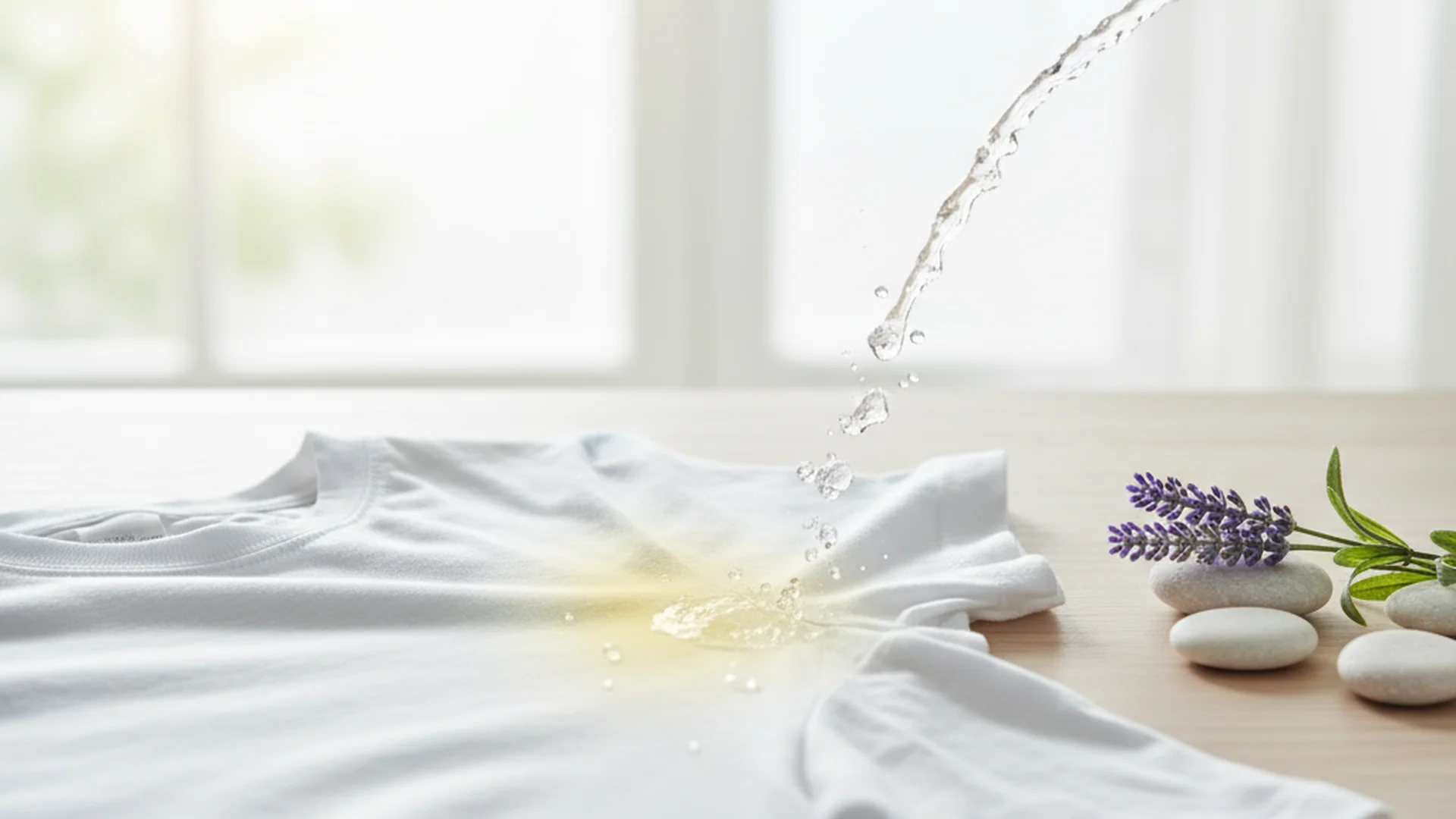
One of the most important professional secrets in fabric restoration is the "Back-Flush."
Tip: When rinsing a stain, always hold the fabric under cold running water from the reverse side. This pushes the makeup out of the fibers rather than forcing it deeper into the weave.
Step 3: Micellar Water for Delicates
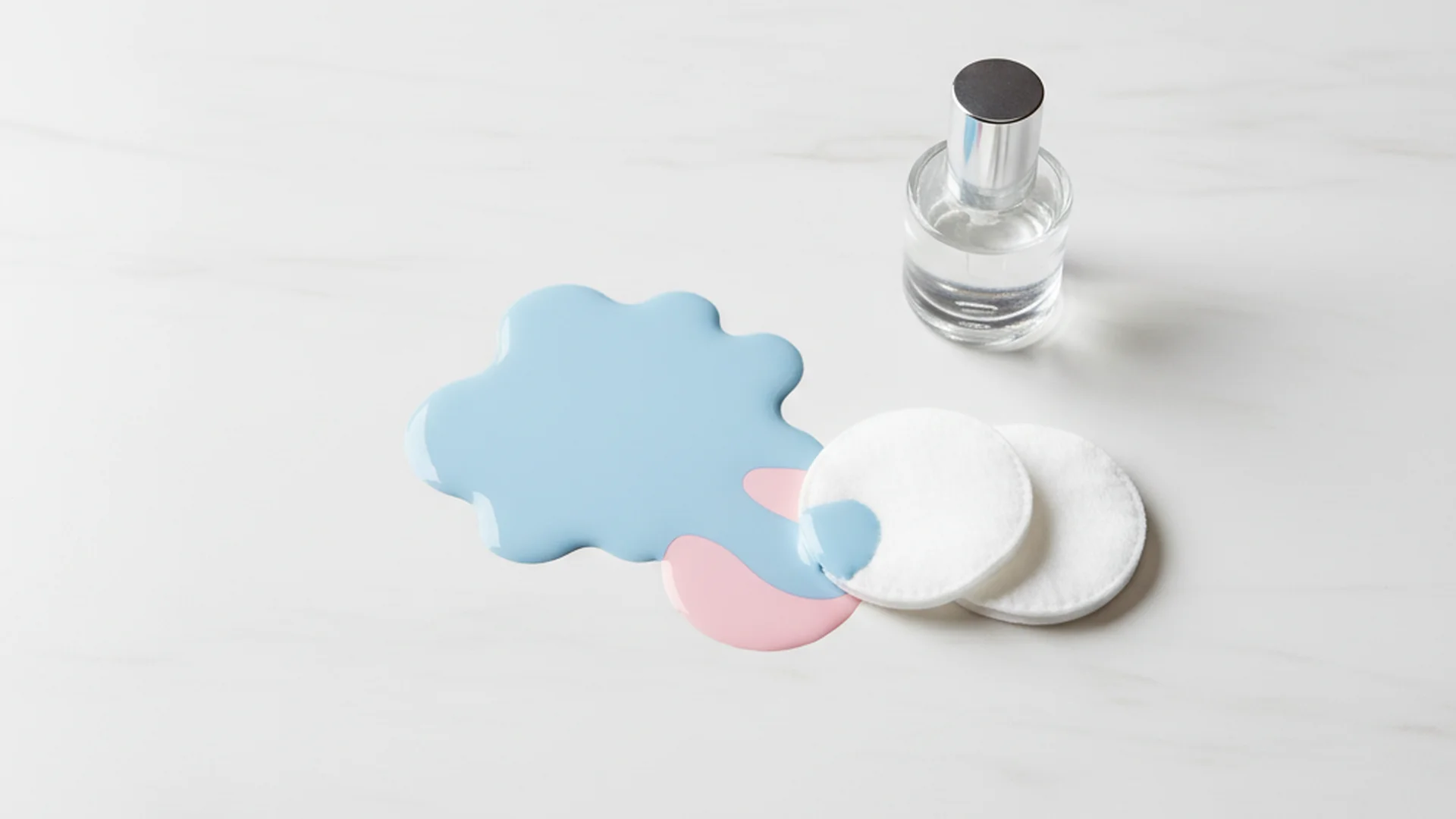
If you are dealing with silk, wool, or high-end synthetics, harsh detergents are out of the question. For these items, use oil-free micellar water on a cotton pad. It is gentle enough to protect natural fibers while breaking down cosmetic polymers.
Real-World Example: The Silk Blouse Incident Imagine Sarah is getting ready for a wedding and drops a liquid concealer on her silk blouse. Instead of rubbing it with a damp cloth (which would spread the oil), she uses a cotton swab dipped in oil-free micellar water to gently blot the spot. She then flushes the back of the silk with cool water. The stain disappears without damaging the delicate sheen of the fabric.
How to Remove Makeup Stains from Carpet
Removing makeup stains from carpet is a different beast because you cannot "back-flush" a floor. You are dealing with depth and pile, which can trap pigments.
The "Blot, Don't Scrub" Rule
The cardinal sin of carpet cleaning is scrubbing. Scrubbing frays the carpet "pile" and pushes the pigment into the backing of the rug.
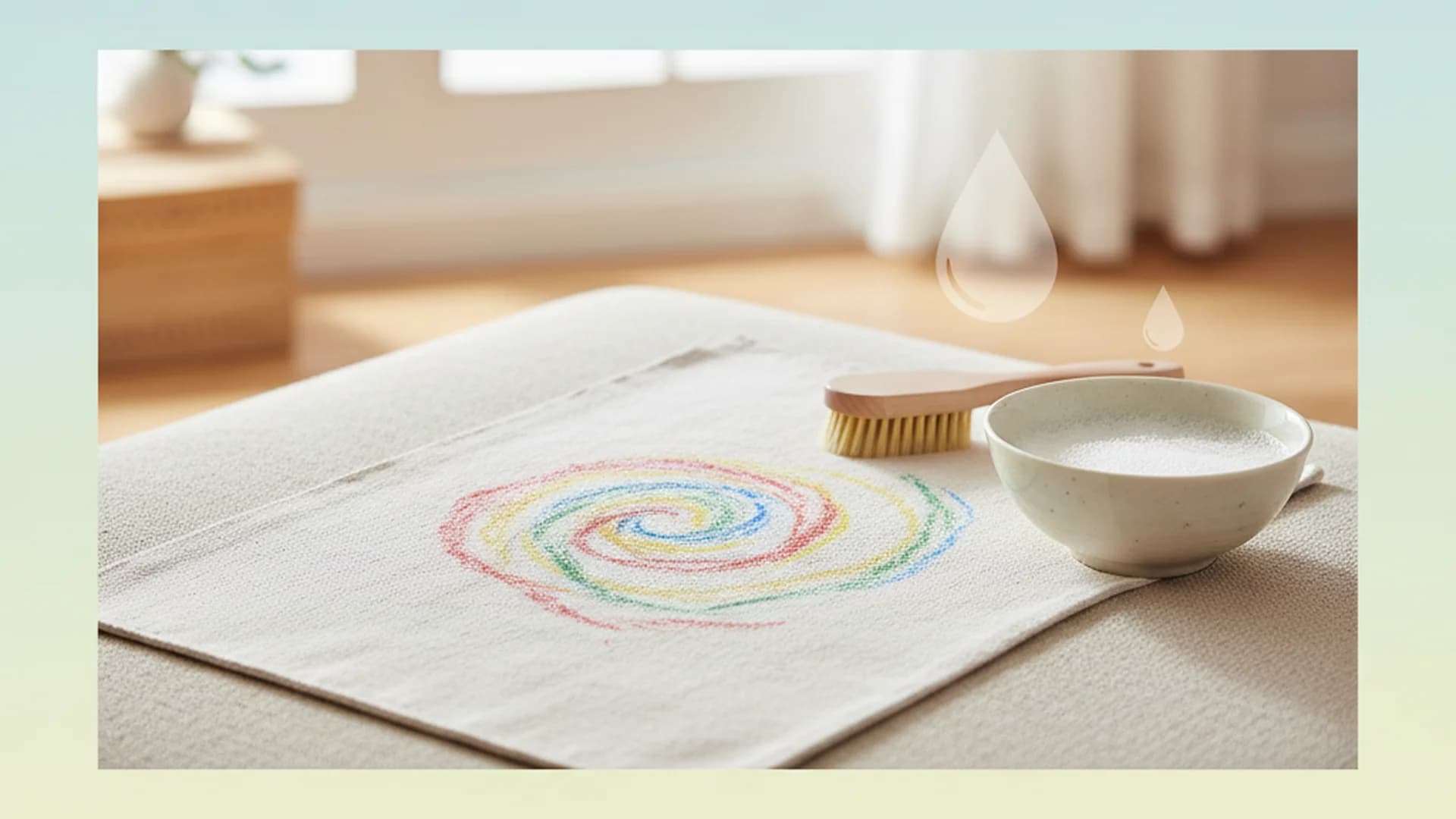
- Lift Dry Particles: If it’s a powder (blush or eyeshadow), use a high-powered vacuum or a lint roller first.
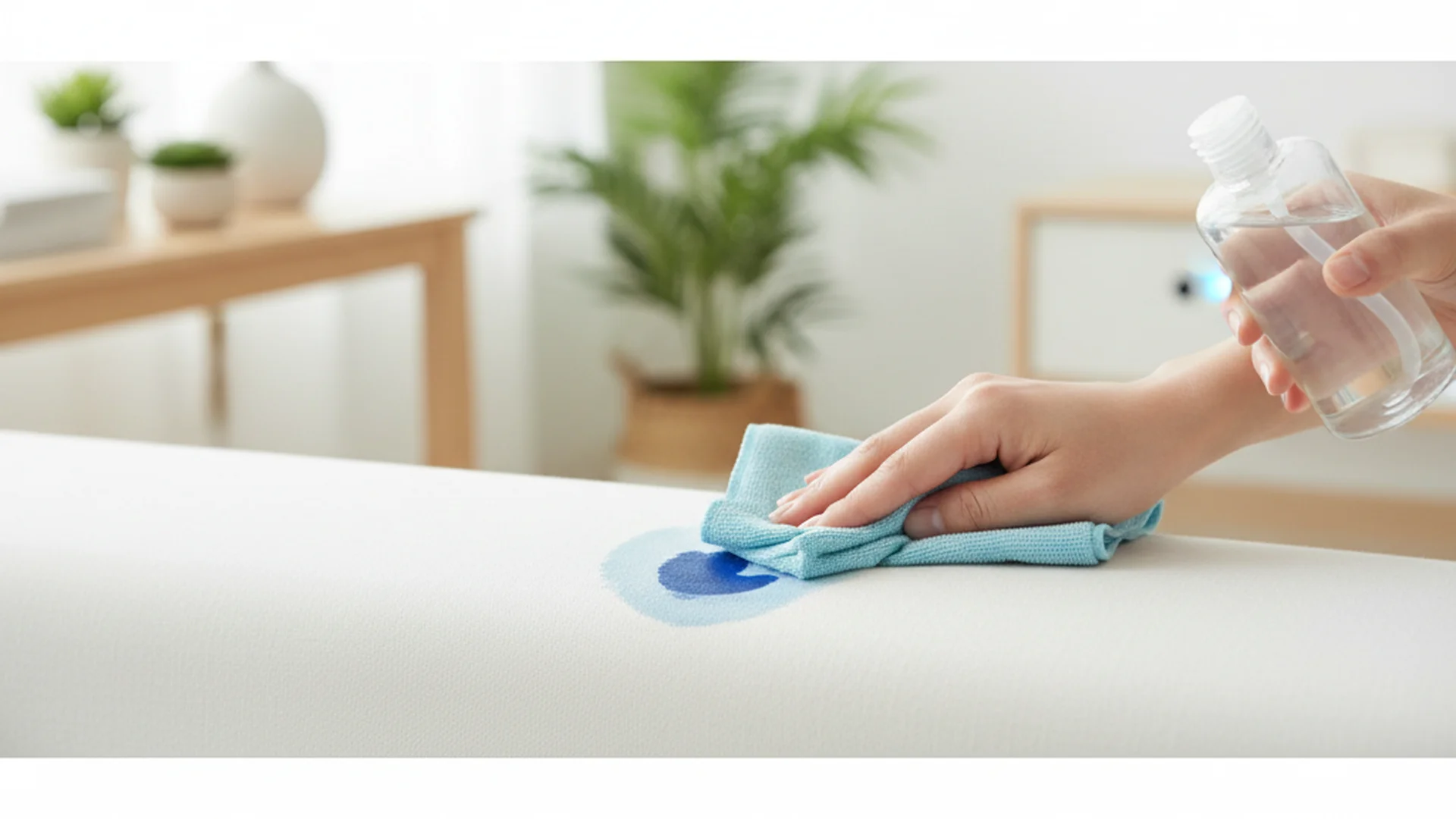
- Apply Solution: Mix 1/4 tsp of clear dish soap with 1 cup of warm water.
- Blot: Use a white microfiber cloth (so no dye transfers from the cloth to the carpet) and work from the outside of the stain toward the center.
Note: For non-wool carpets, a solution of 1 tablespoon of ammonia in 1/2 cup of water can lift deep-set pigments. However, never use ammonia on silk or wool rugs as it will dissolve the fibers.
Dealing with Stubborn Mascara
Mascara on a light-colored carpet can feel like a permanent disaster. Because mascara is designed to be water-resistant, you need a surfactant-heavy approach. Use the dish soap solution mentioned above, but let it sit for 10 minutes before blotting.
Success: Using a specialized enzymatic soak for 12 to 24 hours on an old carpet stain can often revive the area, as the "good bacteria" in the cleaner eat the organic residue.
2025-2026 Trends in Stain Removal
The world of cleaning is becoming more high-tech and sustainable. As we move through 2025, several new technologies are changing how we handle accidents.
- AI-Driven Laundry: The latest 2025 "smart" washing machines feature sensors that detect the chemical signature of oil-based stains. They automatically adjust water hardness and temperature to maximize the effectiveness of your detergent.
- Bio-Enzymatic "Microbial" Cleaners: Brands like Biokleen are leading the shift toward microbial cleaners. These don't just mask stains; they use live cultures to digest the stain over a "timeout" period.
- Sustainable Stain Bars: Solid stain-remover bars are trending as zero-waste alternatives. These are particularly effective for makeup because you can rub the damp bar directly into the stain for targeted mechanical action.
- Nanotechnology: Many home textiles in 2026 are being manufactured with silica-based nano-coatings. These coatings repel liquid foundation and lipstick, allowing them to bead up on the surface rather than soaking in.
| Method | Best For | Pros | Cons |
|---|---|---|---|
| Shaving Cream | Liquid Foundation | Cheap, Fast | Messy |
| Isopropyl Alcohol | Lipstick/Wax | Highly Effective | Can fade some dyes |
| Micellar Water | Delicates (Silk/Wool) | Gentle | Not for heavy oils |
| Enzymatic Spray | Organic/Old Stains | Deep Cleaning | Requires "sit" time |
Common Mistakes to Avoid
Even with the best tools, a few common errors can make a makeup stain permanent.
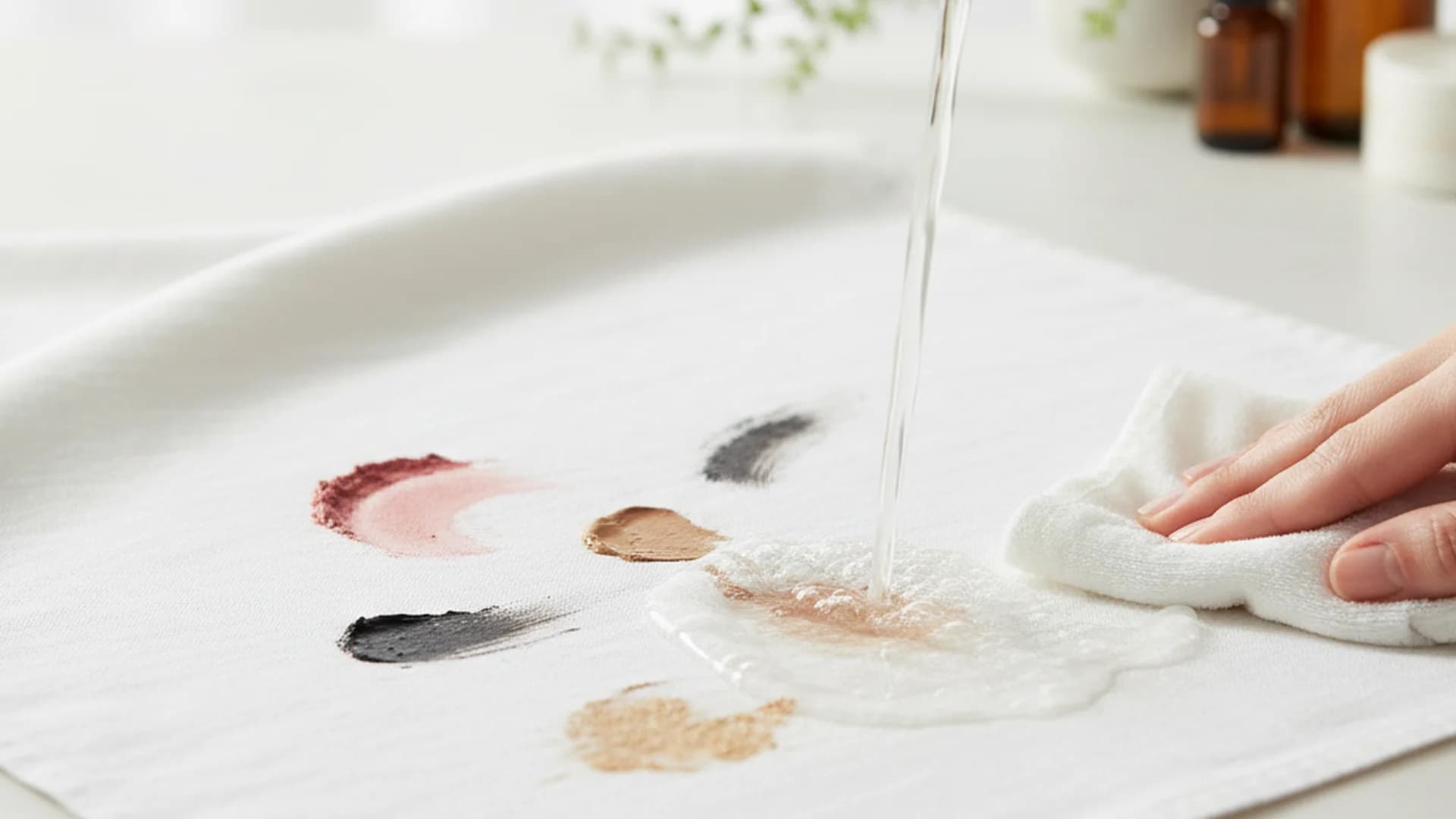
- Using Hot Water First: Many people assume heat dissolves makeup. In reality, hot water "cooks" the proteins and pigments into the fabric, setting the stain forever. Always start with cold or lukewarm water.
- The "Wipe" Trap: As mentioned earlier, using skin-care wipes on fabrics is a recipe for a grease ring.
- Ignoring the "Dry Clean Only" Label: If you spill waterproof mascara on a dry-clean-only acetate dress, do not attempt a home remedy. You risk permanent water spots. Take it to a professional and specify exactly what was spilled.
- Incomplete Rinsing: Especially on carpets, leaving soap behind is a mistake. Soap residue acts like a magnet for dirt. Once the stain is gone, blot the area with plain water to rinse.
Real-World Example: The "Phantom Stain" James cleaned a lipstick mark off his rug using heavy detergent but didn't rinse it thoroughly. Two weeks later, a dark, dirty spot appeared in the same place. This wasn't the lipstick returning; it was the leftover soap residue attracting every speck of dust and pet hair in the room.
Frequently Asked Questions
Can I remove a makeup stain that has already been through the dryer?
Does vinegar actually work on foundation?
What is the best way to handle dropped powder (blush/eyeshadow)?
Is shaving cream really a "magic" makeup remover?
Conclusion
Accidents are inevitable, but a ruined garment doesn't have to be. By understanding how to remove makeup stains through the right combination of chemistry and technique, you can save your wardrobe and your home decor from even the most stubborn waterproof products. Remember to always test a small, inconspicuous area first, work from the outside in, and never underestimate the power of a cold-water back-flush.
Success: Master these techniques, and you'll never have to toss a "ruined" shirt again. Modern cleaning science is on your side!
Cleaning that keeps score
Every task earns points, every streak multiplies them, and Premium adds a household leaderboard plus a monthly Dustagorgon to beat.
- Free forever
- 30 badges to earn
- Up to 6 in a household
No card needed. Set up your rooms in a couple of minutes.