In this article
What you’ll learn
- Act quickly for a 95% success rate on fresh stains.
- Break down the oil-based waxes before treating the pigments.
- Avoid heat at all costs until the stain is completely gone.
We have all been there: a stray smudge on a white collar, a dropped tube on the living room rug, or the dreaded discovery of a lipstick left in a pocket after a laundry cycle. Because of their vibrant pigments and stay-put formulas, learning how to remove lipstick stains effectively is a necessary skill for any wardrobe or home enthusiast. Lipstick isn't just a simple smudge; it is a complex "combination stain" consisting of oily waxes and intense dyes that require a strategic two-step approach to eradicate.
Understanding the Anatomy of a Lipstick Stain
To understand why water alone fails to clean a smudge, we must look at what is inside the tube. A typical lipstick consists of 20–30% waxes (which provide structure), 30–40% oils (emollients for smoothness), and 30–40% pigments (the color).
This high oil and wax content means that if you apply water immediately, you will likely bead the liquid off the surface while the oils settle deeper into the fibers.
| Component | Percentage | Function |
|---|---|---|
| Waxes | 20–30% | Structure and Shape |
| Oils | 30–40% | Texture and Emolliency |
| Pigments | 30–40% | Color and Coverage |
How to Remove Lipstick Stains from Fabric
When you need to remove lipstick stains from fabric, the most important rule is to treat the oil first. If you don't break down the wax, the pigment will remain trapped within the fiber.
Step 1: Scrape, Don't Smear
Before applying any liquids, use a dull knife or the edge of a credit card to gently lift any excess solid lipstick.
Warning: Never use a cloth to "wipe" away excess lipstick. This pushes the waxes deeper into the fabric "pores" and spreads the pigment horizontally, creating a much larger mess.
Step 2: The Dish Soap Method
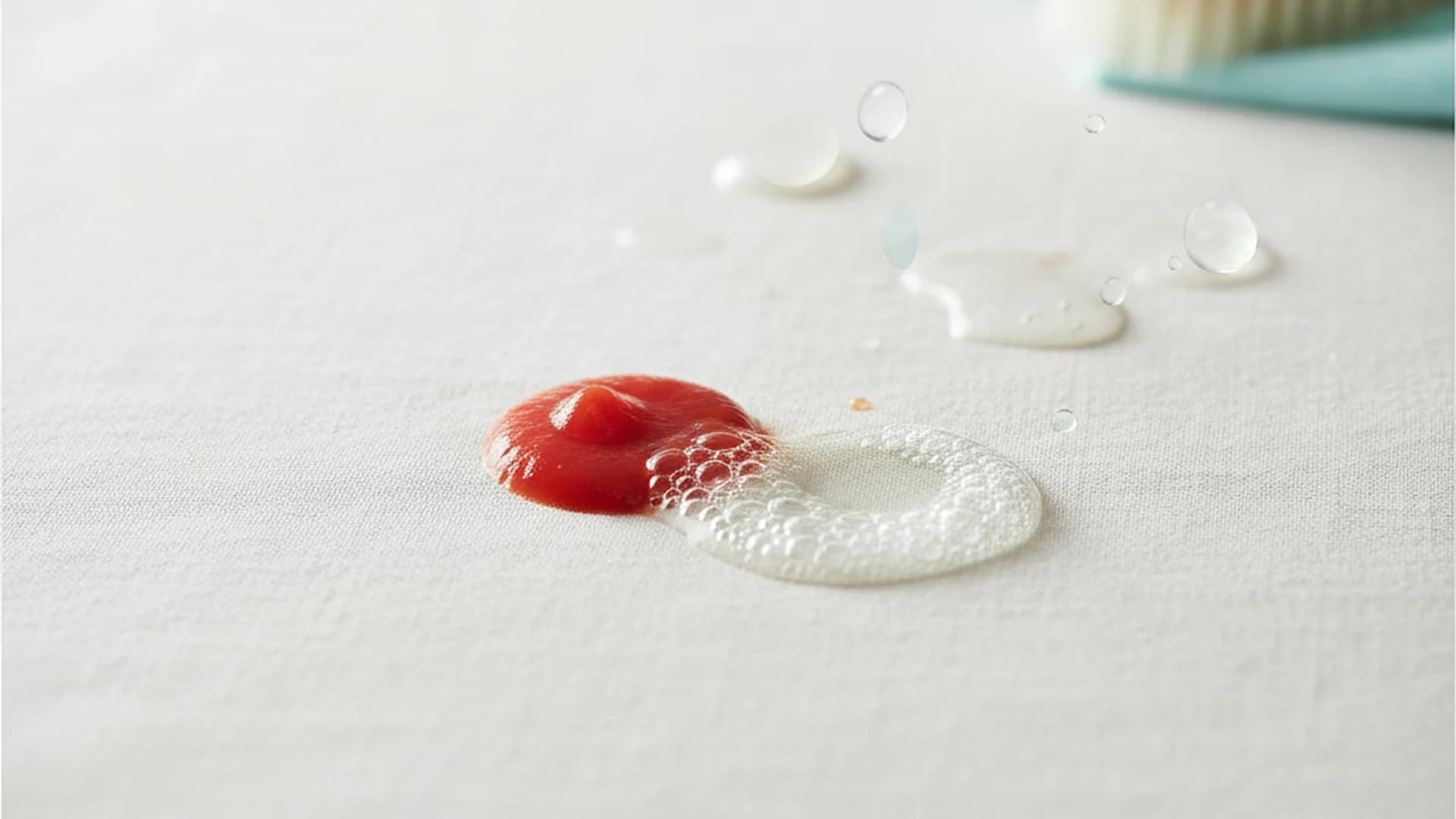
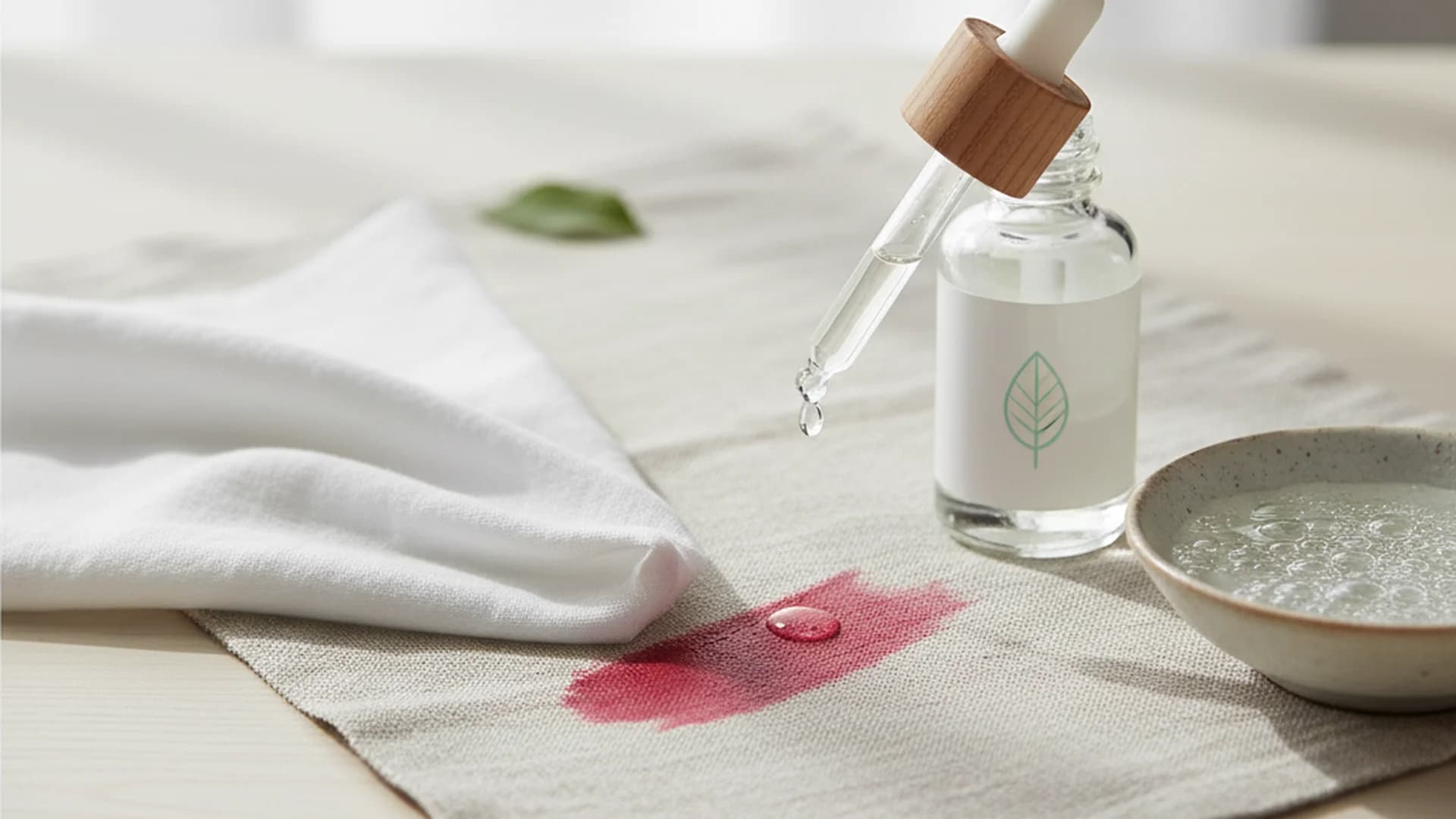
Grease-cutting dish soaps (like Dawn) are formulated to break down animal fats and oils, making them the perfect adversary for lipstick waxes. Apply a small drop directly to the stain. Let it sit for 15–30 minutes to emulsify the oils.
Step 3: Targeted Agitation and Rinsing
After the soap has sat, use a soft-bristled toothbrush to work the soap into the fibers using circular motions from the outside of the stain toward the center. Rinse with warm water initially to help melt the remaining wax, but follow up with a cold-water flush to ensure the pigment doesn't bleed.
Tip: If the stain is particularly stubborn, look for a heavy-duty detergent containing lipase. This specific enzyme is designed to break down fats and oils at a molecular level.
Step 4: The Alcohol Dab
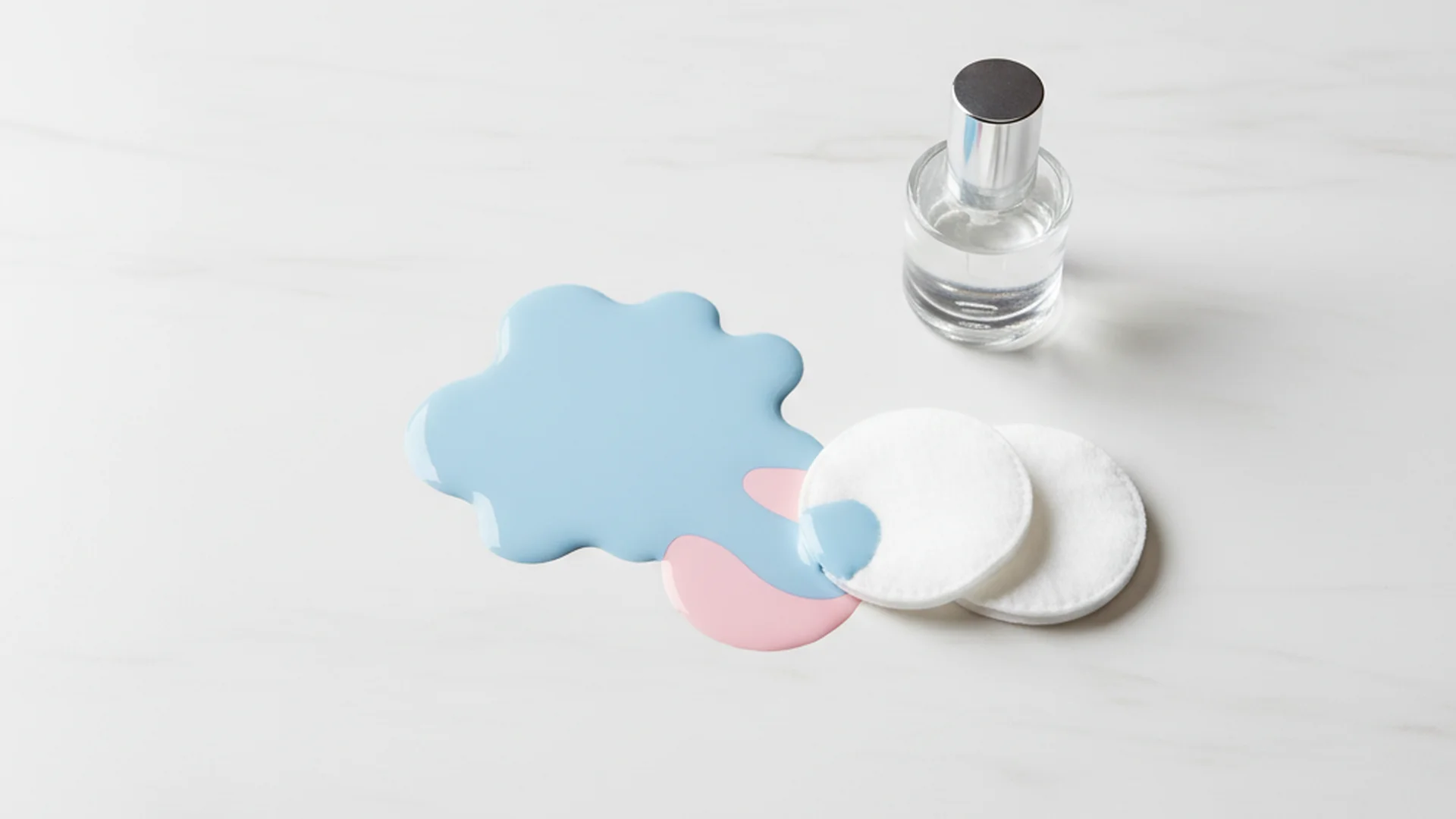
For high-pigment or "long-wear" liquid lipsticks, dab the area with 70% isopropyl alcohol on a cotton ball. This acts as a solvent for the synthetic dyes.
Success: Treating a lipstick stain while it is fresh results in a nearly 95% removal rate!
How to Remove Lipstick Stains from Carpet
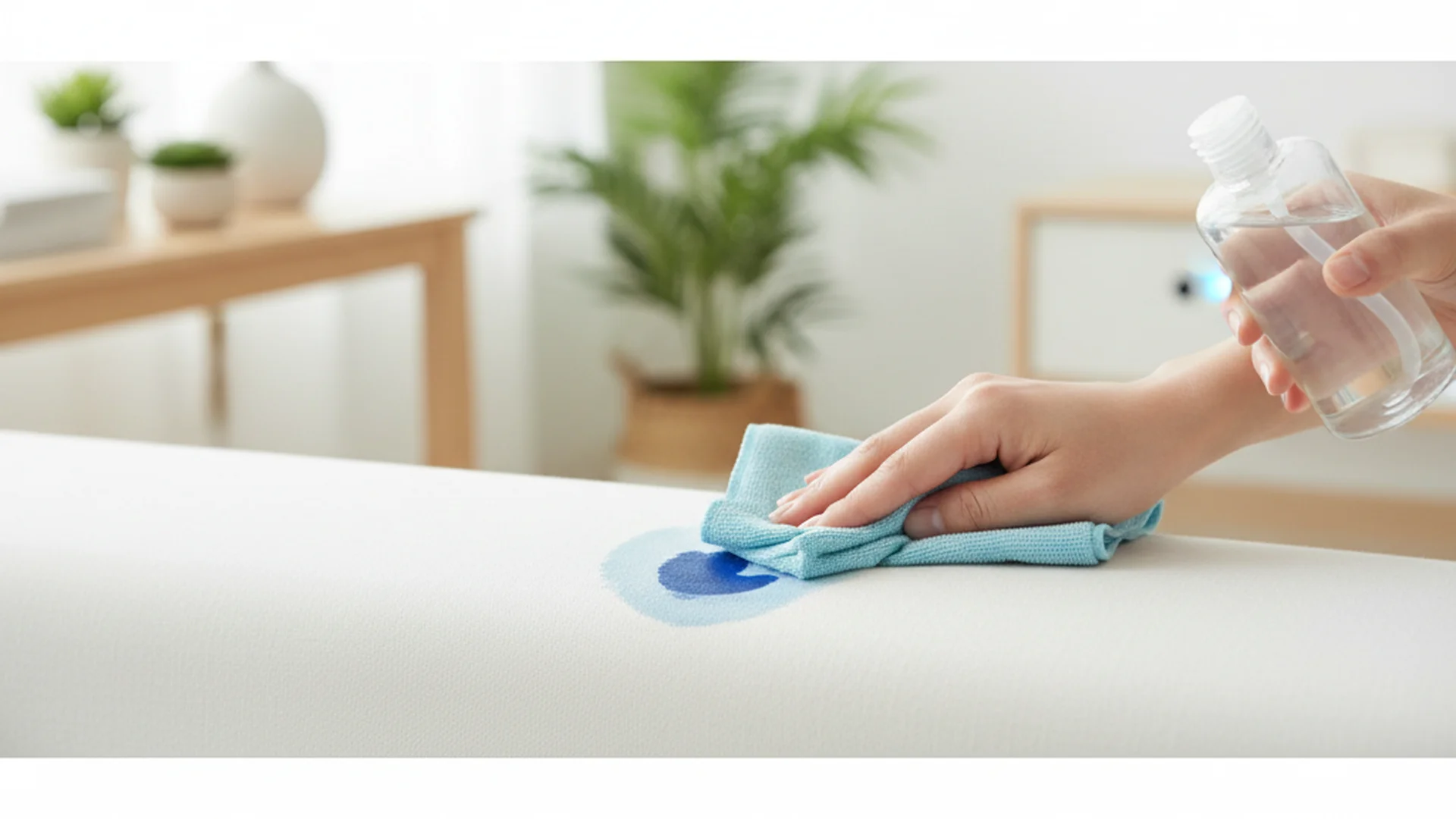
Carpets present a different challenge because you cannot easily rinse the fibers from the back. When you need to remove lipstick stains from carpet, you must focus on "lifting" rather than "pushing."
Solvent-Based Treatment
Because carpet fibers are often synthetic, they bond tightly with the oils in lipstick. Use a dry-cleaning solvent or even a small amount of WD-40.
- Apply the solvent to a clean white cloth (never directly to the carpet).
- Blot the stain repeatedly.
- As the color transfers to the cloth, move to a clean section of the fabric.
The Hydrogen Peroxide Method
For light-colored or white carpets, a 3% hydrogen peroxide solution can help "bleach" out the remaining pigment after the oils are gone.
Warning: Always test hydrogen peroxide on an inconspicuous area (like inside a closet) first, as it can cause permanent discoloration on darker or dyed carpet fibers.
Modern 2025 Extraction Technology
If manual blotting isn't enough, 2025/2026 carpet cleaners like the Shark CarpetXpert now feature Smart Sensors. These sensors can actually detect the chemical composition of a residue and automatically adjust the suction and formula-to-water ratio. Using the "spray-scrub-suction" method with an extractor is the most effective way to pull dissolved oils out of the carpet padding.
Real-World Examples: Success Stories
Example 1: The Silk Blouse Disaster
A user accidentally swiped a "Ruby Red" lipstick across a dry-clean-only silk blouse. Instead of using water (which causes water spots on silk), they used a cotton swab dipped in rubbing alcohol, dabbing only the pigment. They then took it to a professional cleaner, informing them of the specific stain type. Outcome: Stain removed with zero "ringing" or color loss.
Example 2: The "Laundry Day" Mistake
A tube of lipstick went through a warm wash cycle inside a jeans pocket, leaving red streaks on a load of whites. The user avoided the dryer, applied a "Stain Striker" oxy-formula to each mark, and re-washed on a "cold-active" cycle. Outcome: The "Stain Striker" technology provided 20x more pigment-lifting power, saving the entire load of laundry.
Example 3: The Toddler and the Rug
A toddler used a matte lipstick to draw on a beige nylon rug. The parents used the "WD-40 and Blot" method followed by a portable Bissell extractor. Outcome: The solvent broke the matte wax, and the extractor removed the pigment from the deep pile.
Common Mistakes to Avoid
- Rubbing the Stain: This is the most frequent error. Rubbing creates heat and friction that "sets" the dye into the fiber. Always blot.
- Using Heat Too Early: Putting a garment in the dryer before the stain is 100% gone is a death sentence for the fabric. The high heat "cooks" the pigment into the fibers permanently.
- Ignoring the Care Label: Treating "Dry Clean Only" fabrics with DIY home remedies can lead to permanent damage.
- Using Alcohol-Free Hairspray: While hairspray was a classic 90s cleaning hack, most modern hairsprays are alcohol-free to prevent hair damage. Without alcohol, they are useless for lipstick removal.
Note: With the 2026 sustainability push, many "cold-active" detergents are being released. These are specifically formulated to remove oil-based stains like lipstick even in energy-saving cold cycles.
2025–2026 Trends in Stain Removal
The world of cleaning is evolving. We are currently seeing a massive shift toward eco-friendly "stain bars." Brands like Bio-D and Meliora are using coconut-derived surfactants to break down lipstick waxes without the use of harsh synthetic chemicals.
Additionally, "Oxy-Stain Strikers" are trending. This technology mixes a stabilized oxygen formula with a surfactant at the exact point of contact. This provides a chemical reaction that "blasts" pigments out of fibers more effectively than manual scrubbing ever could.
Frequently Asked Questions
Are lipstick stains permanent?
Can I use vinegar to remove lipstick?
Should I use hot or cold water?
Does hairspray really work on lipstick?
Conclusion
Removing lipstick requires patience and the right chemical approach. By treating the wax with grease-cutting agents and the pigment with solvents or oxygen-based cleaners, you can save almost any item from a permanent mark. Remember: blot, don't rub, and keep it out of the dryer until the spot is gone!
Success: By following these professional steps, you can maintain your wardrobe and home despite the occasional makeup mishap.
Cleaning that keeps score
Every task earns points, every streak multiplies them, and Premium adds a household leaderboard plus a monthly Dustagorgon to beat.
- Free forever
- 30 badges to earn
- Up to 6 in a household
No card needed. Set up your rooms in a couple of minutes.