In this article
What you’ll learn
- Treat marker stains within 48 hours for the best chance of full removal.
- Alcohol-based solvents are the gold standard for permanent ink.
- Never use heat or hot water, as it permanently sets the pigment.
We have all been there: a toddler decides the sofa is a canvas, or a capped marker leaks in your favorite shirt pocket. The immediate panic is real, but as a professional cleaning consultant, I am here to tell you that "permanent" is often a suggestion rather than a final sentence. Understanding how to remove marker stains is less about brute force and more about understanding the chemistry of the ink. By using the right solvents and the correct technique, you can restore your belongings to their former glory without leaving a trace of the accident.
The Chemistry of the Stain: Why It Sticks
To effectively remove marker stains, you must first understand what you are fighting. Permanent markers are made of three primary components: a pigment (the color), a resin (the binder that makes it stick), and a solvent (the carrier that keeps it liquid until it hits the surface).
Standard water-based markers are easy to clean because their solvent is water. However, permanent markers use alcohol-based solvents. When the solvent evaporates, the resin locks the pigment into the fibers of your carpet or fabric. To lift the stain, you must "re-liquefy" that resin. This is why alcohol-based solutions consistently outperform water-based cleaners in professional settings.
Note: Textile stain removal is the job most homeowners name as their biggest cleaning challenge. You are not alone in this struggle.
How to Remove Marker Stains from Fabric
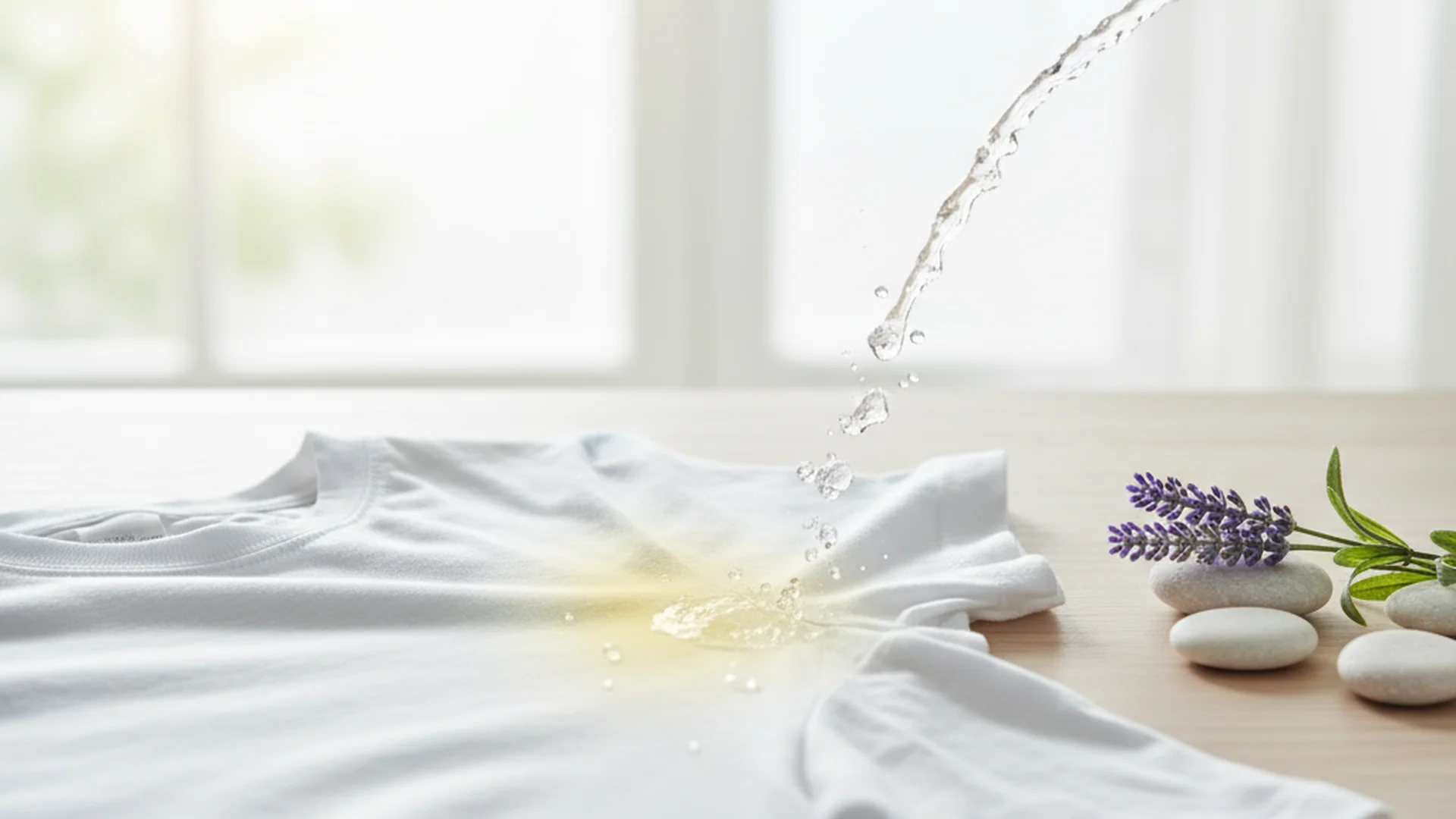
When you need to remove marker stains from fabric, the most important rule is to act fast. While modern 2025-model washing machines now feature optical stain sensors that can detect pigment density, manual pre-treatment is still the most reliable method for localized ink spills.
The Alcohol Soak Method
For cotton, polyester, and linen, isopropyl alcohol (70% or higher) is your best friend.
- Place a Paper Towel Underneath: Position the stained area over a stack of clean paper towels. This prevents the ink from bleeding through to the other side of the garment.
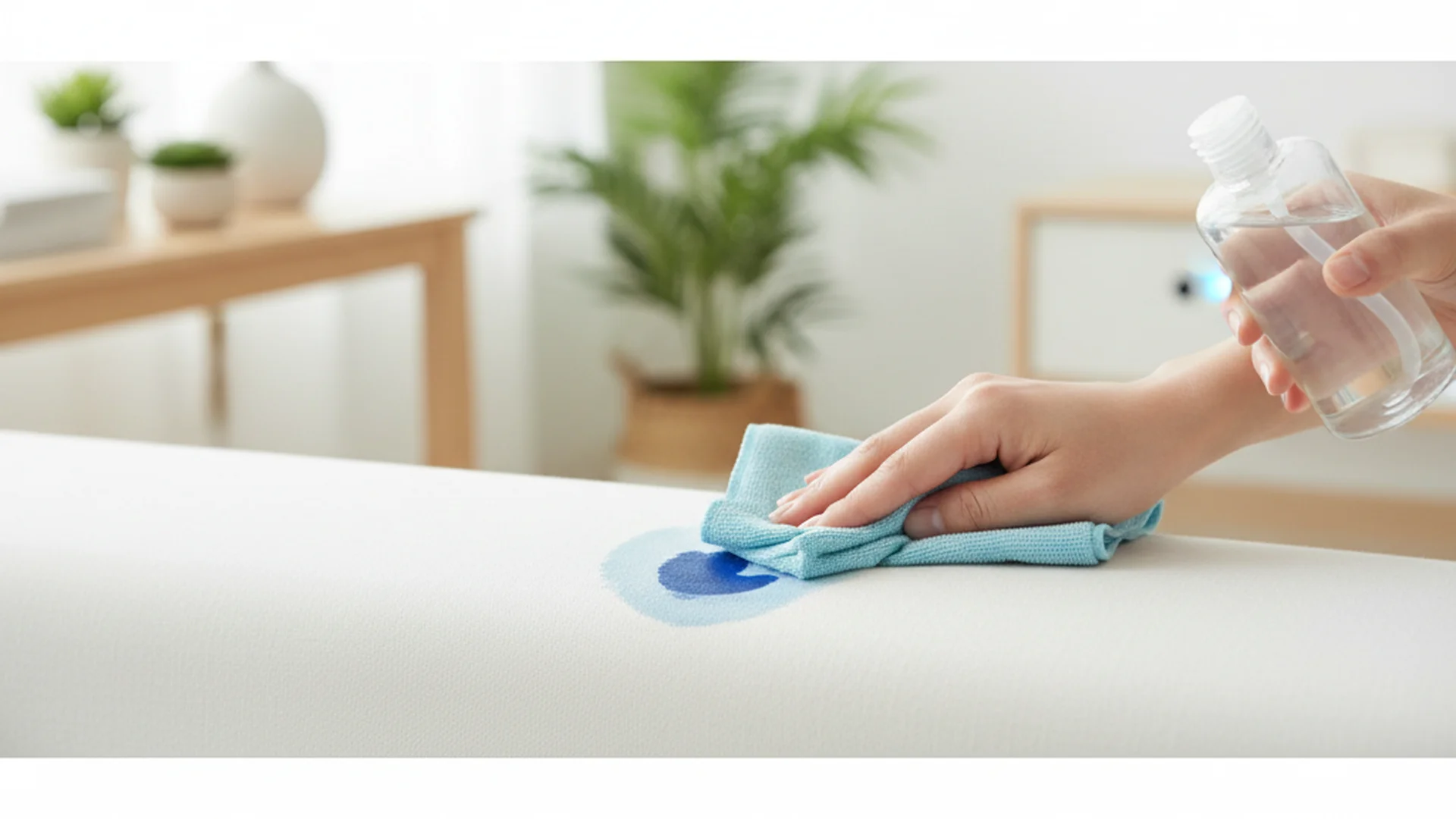
- Dampen the Area: Sponge the stain with rubbing alcohol. You will see the ink begin to "bloom" or spread—this is actually a good sign, as it means the resin is dissolving.
- Blot, Don’t Rub: Press a clean white cloth firmly onto the stain to pull the ink up and out.
- Rinse with Cold Water: Once the pigment is gone, rinse the fabric thoroughly with cold water.
Warning: Never use a Magic Eraser on fabric or clothing. These are micro-abrasives that act like sandpaper and can permanently fray or tear delicate fibers.
Real-World Example: The "Leaky Pocket" Disaster
A client once came to me with a white lab coat that had a massive blue permanent marker leak in the breast pocket. Instead of tossing it, we used the alcohol soak method combined with a citrus-based D-Limonene solvent. By treating it within 24 hours and avoiding the dryer, the coat was returned to service without a single blue ghost-mark.
Professional Secrets: Remove Marker Stains from Carpet
Carpets present a unique challenge because you cannot easily rinse them under a faucet. When you want to remove marker stains from carpet, you must manage the depth of the liquid to prevent the ink from reaching the carpet backing.
The "Outside-In" Blotting Technique
The most common mistake people make with carpets is spreading the stain. To prevent this, always work from the outer edges of the marker mark toward the center.
- Step 1: Apply a small amount of isopropyl alcohol to a clean white cloth.
- Step 2: Press the cloth into the stain at the edges.
- Step 3: Use a lifting motion to pull the pigment upward.
- Step 4: Repeat with a fresh section of the cloth until no more ink transfers.
Tip: If you are dealing with a "smart" carpet installed in 2026, check the manufacturer's guide. Many now feature nanoscopic coatings that allow ink to be removed with just mild soap and water.
Warning: Avoid using bleach on ink. Bleach rarely removes the pigment and often creates a permanent yellow or brown "ghost" stain that cannot be reversed.
Removing Marker from Hard Surfaces and Skin
Sometimes the "canvas" isn't fabric at all—it's your skin or your dining room table.
The Dry-Erase Hack for Non-Porous Surfaces
For whiteboards, plastic, or finished metal, the "dry-erase hack" is legendary. Simply draw over the permanent marker with a fresh dry-erase marker. The solvents in the dry-erase ink will dissolve the permanent binder beneath it. Wipe both away with a dry cloth, and the surface will be spotless.
Safe Removal from Skin
Rubbing alcohol is effective but can be harsh on sensitive skin. Instead, leverage the power of oils.
- Baby Oil or Olive Oil: These break down the ink's binder without scrubbing.
- Oil-based Makeup Remover: This is specifically formulated to be skin-safe while dissolving stubborn pigments.
Real-World Example: The Permanent Marker "Wall Mural"
A homeowner’s child once drew a mural on a finished wooden coffee table. Using a mixture of non-gel toothpaste and baking soda, we gently buffed the area. The mild abrasive of the baking soda combined with the detergents in the toothpaste lifted the ink without stripping the wood's finish.
Common Mistakes to Avoid
Even with the best intentions, a few common errors can make a marker stain permanent.
- Using Hot Water: This is the #1 mistake. Heat causes the protein or synthetic fibers to "open up" and then "lock" around the pigment particles. Always use cold or room-temperature water.
- Skipping the Test Spot: Always test your alcohol or solvent on a hidden area. Certain carpet dyes can be bleached by high-percentage isopropyl alcohol.
- Ironing Treated Clothing: If you think the stain is 90% out and you iron the garment, you have just "baked" the remaining microscopic ink into the fabric. Always air-dry after treatment to verify the stain is completely gone.
| Surface Type | Recommended Solvent | Tools Needed |
|---|---|---|
| Carpet | 70% Isopropyl Alcohol | White microfiber cloth |
| Cotton Fabric | Hand Sanitizer (Alcohol-based) | Paper towels |
| Finished Wood | Non-gel Toothpaste | Soft cloth |
| Skin | Baby Oil or Olive Oil | Cotton ball |
| Plastic | Vegetable Oil or Alcohol | Sponge |
The Future of Stain Removal (2025-2026)
As we move through 2025 and into 2026, the technology behind cleaning is evolving rapidly. We are seeing a major shift toward bio-enzymatic cleaners. These products use lab-engineered microbes that specifically "eat" the organic binders found in modern inks. They are non-toxic, pet-safe, and incredibly effective.
Furthermore, eco-friendly solvents like citrus-based D-Limonene are replacing harsh aerosols. These offer industrial-strength ink removal without the toxic fumes that used to be synonymous with heavy-duty cleaning.
Success: By utilizing these modern solvents and following the "blot, don't rub" rule, you can achieve professional-grade results at home.
Frequently Asked Questions
Is permanent marker actually permanent?
Does hairspray really work on ink?
Can I use a Magic Eraser on fabric?
How do I remove marker from skin without scrubbing?
Conclusion
Marker stains are a common household headache, but they don't have to be a permanent disaster. By remembering the "Alcohol Factor," sticking to the "Blot, Don’t Rub" rule, and acting within that critical 48-hour window, you can tackle almost any ink spill with confidence. Whether you are dealing with a delicate fabric or a high-traffic carpet, the science of cleaning is on your side.
Cleaning that keeps score
Every task earns points, every streak multiplies them, and Premium adds a household leaderboard plus a monthly Dustagorgon to beat.
- Free forever
- 30 badges to earn
- Up to 6 in a household
No card needed. Set up your rooms in a couple of minutes.