In this article
What you’ll learn
- Act quickly—removal success drops by 50% once the polish cures.
- Never use acetone on fabrics containing acetate or triacetate.
- Use the "Blot, Don't Rub" technique to prevent pigment migration.
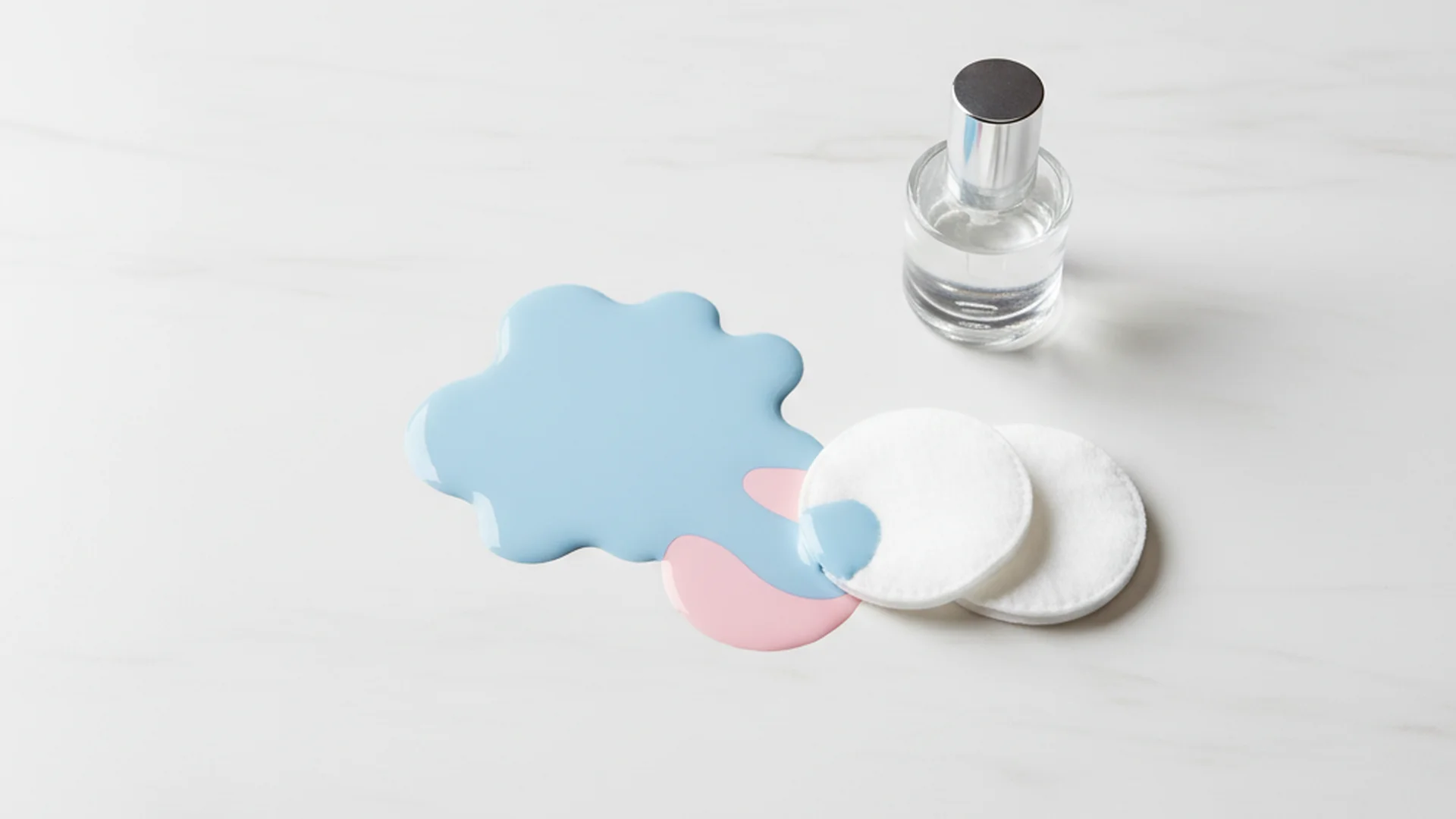
We have all been there: you are finishing up a perfect DIY manicure when a sudden slip sends a bottle of "Midnight Crimson" tumbling onto your beige rug. That immediate spike of panic is universal. Whether it is a tiny drip on your favorite blouse or a massive puddle on the living room floor, knowing how to remove nail polish stains quickly and correctly is the difference between a minor mishap and a permanent reminder of a bad Tuesday.
In 2025 and heading into 2026, the chemistry of nail polish has evolved, with long-wear and gel formulations becoming more durable than ever. This means our removal tactics must be equally sophisticated. This guide provides a science-backed, step-by-step approach to salvaging your belongings.
The Science of Success: Understanding Your Solvents
Before you reach for the nearest cleaning spray, you need to understand what you are fighting. Nail polish is essentially a suspension of pigments in a polymer (plastic) dissolved in a solvent. Once the solvent evaporates, the plastic hardens and bonds to the fibers.
To break that bond, you need a new solvent. However, not all solvents are created equal.
Acetone vs. Non-Acetone
Acetone is the gold standard for dissolving polish, but it is aggressive. It can dissolve certain synthetic fibers (specifically acetate and triacetate) almost instantly, leading to permanent "melted" holes in your clothing. Non-acetone removers, often based on ethyl acetate, are gentler but require more "elbow grease" and time to work.
The Rise of Eco-Friendly Removers
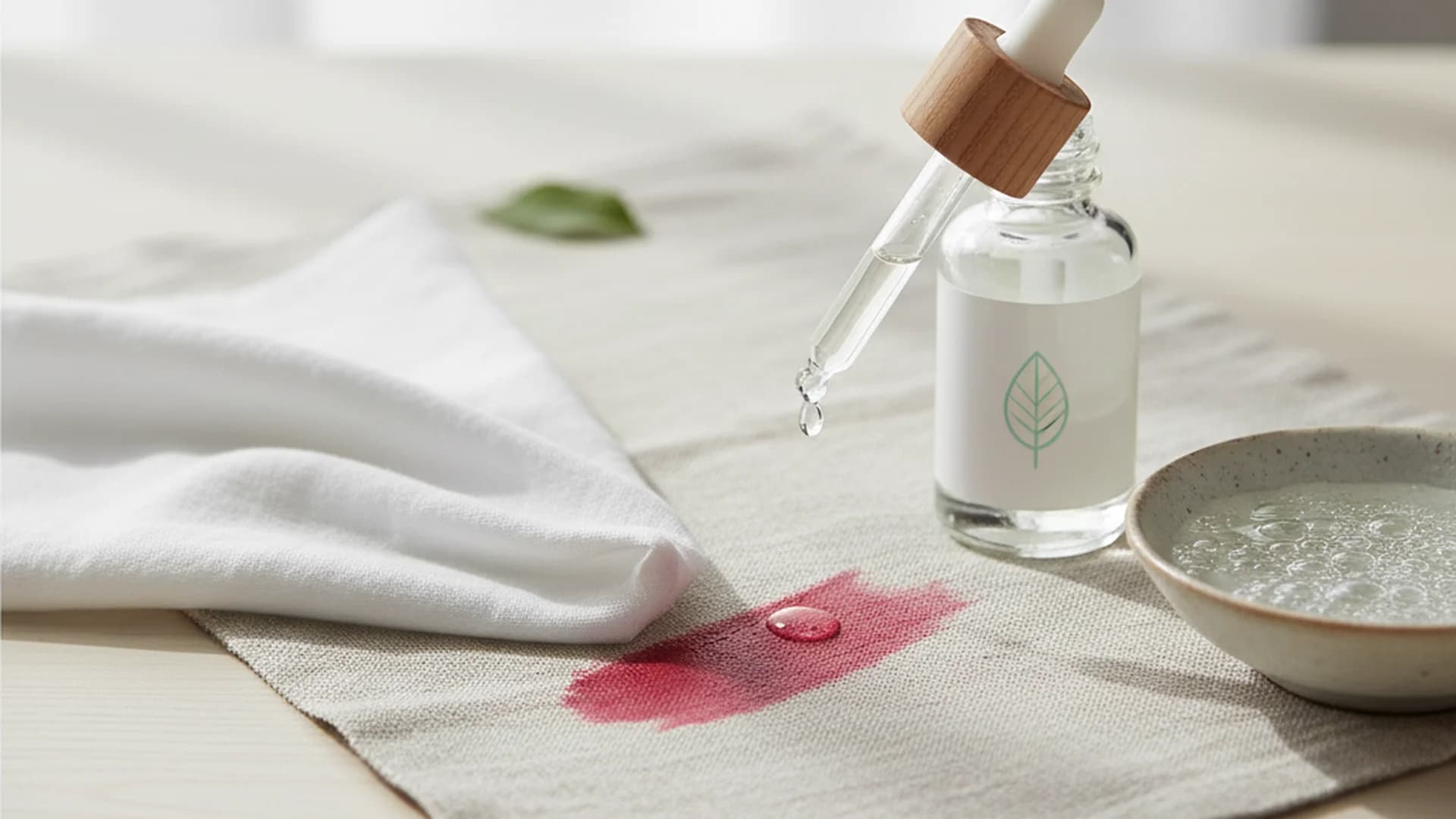
By 2026, soy-based and water-based removers have become mainstream. Brands like Ella+Mila have popularized soy-based esters that are non-volatile and biodegradable. While these are safer for your skin and the environment, they work more slowly. When treating a stain with a soy-based remover, you must allow the solution to sit for at least 30 to 60 seconds before attempting to lift the pigment.
Note: Always check the care label of your garment. If the fabric composition includes "acetate," "triacetate," or "modacrylic," keep acetone far away from it.
How to Remove Nail Polish Stains from Carpet
Carpet spills are perhaps the most stressful because you cannot simply throw a rug into the washing machine. The key here is to manage the "Success Window." Professional cleaners note that your chances of 100% removal drop significantly once the polish has fully cured (usually after 24 hours).
Step 1: The Initial Lift
If the stain is fresh, use a blunt knife or a spoon to lift away as much excess liquid as possible. Do not wipe; simply scoop.
Step 2: The Re-Wetting Process
If the stain is already dry, you need to "re-activate" it.
- For Light Carpets: You can use a high-alcohol hairspray or rubbing alcohol.
- For Dark Carpets: Avoid high-concentration alcohols that might bleach the carpet dye. Use a non-acetone remover.
Step 3: The Blotting Technique
Dampen a clean white cloth with your chosen solvent. Press it firmly into the stain, then lift.
- Real-World Example: Imagine you are cleaning a spill on a white shag rug. If you rub in circles, you are essentially "dyeing" the deeper fibers of the rug. By blotting vertically, you pull the pigment up and out of the carpet pile.
Warning: Never use "colored" dish soap (like blue or green varieties) during the final cleanup phase. The dye in the soap can create a secondary stain on light-colored carpets that is harder to remove than the polish itself.
Professional Guide: Remove Nail Polish Stains from Fabric
When you need to remove nail polish stains from fabric, the approach changes based on the fiber type. Fabric is more porous than carpet, meaning the polish travels deeper into the weave.
Cotton, Linen, and Polyester
These are generally hardy fibers.
- Place the stained area face-down on a stack of white paper towels.
- Dab the back of the stain with a cotton ball soaked in acetone or non-acetone remover.
- This pushes the polish out of the fibers and onto the paper towels rather than deeper into the garment.
Silk and Wool
Silk and wool are protein fibers and are highly sensitive to pH changes and harsh chemicals.
- Expert Recommendation: Do not attempt a DIY fix on these materials. The risk of permanent fiber degradation or "bleeding" of the fabric's own dye is too high. Take these items to a professional dry cleaner immediately.
| Fabric Type | Recommended Solvent | Risk Level |
|---|---|---|
| Cotton | Acetone | Low |
| Polyester | Non-Acetone | Medium |
| Acetate | NEVER USE ACETONE | Critical |
| Silk | Professional Only | High |
Tip: Always perform a "Colorfastness Test" on a hidden area, such as an inside seam, before applying any solvent to a visible part of the garment.
Recent Trends: The "Skinification" of Removal
As we move into 2026, the "skinification" of nail care has changed the products we have under our sinks. We are seeing a shift away from pure, harsh solvents toward "treatment removers." These formulas include keratin, vitamin E, and jojoba oil.
While these are fantastic for your cuticles, the oils can sometimes leave a secondary "grease" stain on fabrics. If you use a treatment-based remover to clean a spill, follow up with a quick dab of clear dish soap and warm water to break down the oils.
The "Nail Robot" Influence
The rise of at-home nail robots (like those from Clockwork) has popularized pre-measured "removal pods." These are excellent for targeted stain removal because the chemistry is highly controlled and less likely to splash than a traditional 8-ounce bottle of remover.
Common Mistakes to Avoid
To ensure you don't turn a small spill into a permanent disaster, avoid these four common pitfalls:
- The Dryer Death-Trap: This is the most common mistake. If you think the stain is "mostly" gone and toss the shirt in the dryer, the high heat will "set" the polymers in the polish. Once heat-set, the stain is usually permanent.
- Using Ice Incorrectly: While ice can harden a drip for easier scraping, it does not stop the chemical bonding. Use ice only to remove the "bulk" of a thick spill before moving to solvents.
- Rubbing instead of Blotting: Rubbing expands the "blast radius" of the stain. Always work from the outside-in to prevent the stain from spreading.
- Mixing Chemicals: Never mix bleach with nail polish remover or any other cleaning agents, as this can create toxic fumes.
Success: By following the "Outside-In" method and using the correct solvent for your fabric type, you can save even the most delicate items from a polish disaster.
Frequently Asked Questions
Can I use vinegar as effective as professional remover?
How do I get dried nail polish out of a carpet?
Is hydrogen peroxide safe for all carpets?
What is the safest way to remove gel polish from a surface?
Conclusion
Accidental spills are a rite of passage for any beauty enthusiast. While the initial sight of neon pink on your hardwood or carpet is startling, modern chemistry and proper technique are on your side. Remember the golden rules: act fast, know your fabric, and never—under any circumstances—rub the stain.
Whether you are using a traditional acetone-based approach or opting for the new 2026 soy-based "skin-care" removers, patience is your best tool. By following these steps, you can keep your home looking as polished as your manicure.
Cleaning that keeps score
Every task earns points, every streak multiplies them, and Premium adds a household leaderboard plus a monthly Dustagorgon to beat.
- Free forever
- 30 badges to earn
- Up to 6 in a household
No card needed. Set up your rooms in a couple of minutes.