In this article
What you’ll learn
- Fresh grass stains are 80% easier to remove than dried ones.
- Never use hot water or heat drying until the stain is completely gone.
- Enzymatic cleaners and sugar-based pastes are the most effective modern treatments.
Few things signal a fun day outdoors quite like the vibrant green of a fresh lawn. However, that beauty quickly fades when it transfers onto your favorite clothing or home textiles. If you have ever struggled with a stubborn green smudge on a pair of white jeans or a child’s soccer uniform, you know that knowing how to remove grass stains is an essential life skill. Grass stains are notoriously difficult because they aren't just "dirt"; they are complex chemical dyes that bond to fibers on a molecular level.
The Science of the Green: Why Grass Stains Stick
To effectively tackle these marks, we first have to understand what they are. Grass stains are composed of chlorophyll (the green pigment), carotenoids, and xanthophylls. Because both grass and natural fabrics like cotton are plant-based, they share a similar molecular structure called cellulose. This allows the chlorophyll to "dye" the fabric rather than simply sitting on top of it.
In 2025, we are moving away from harsh chemicals and toward "intelligent" cleaning that targets these specific organic bonds.
How to Remove Grass Stains from Fabric
When you need to remove grass stains from fabric, speed is your greatest ally. Research confirms that fresh stains are 80% easier to lift than those allowed to dry.
Step 1: Mechanical Debris Removal
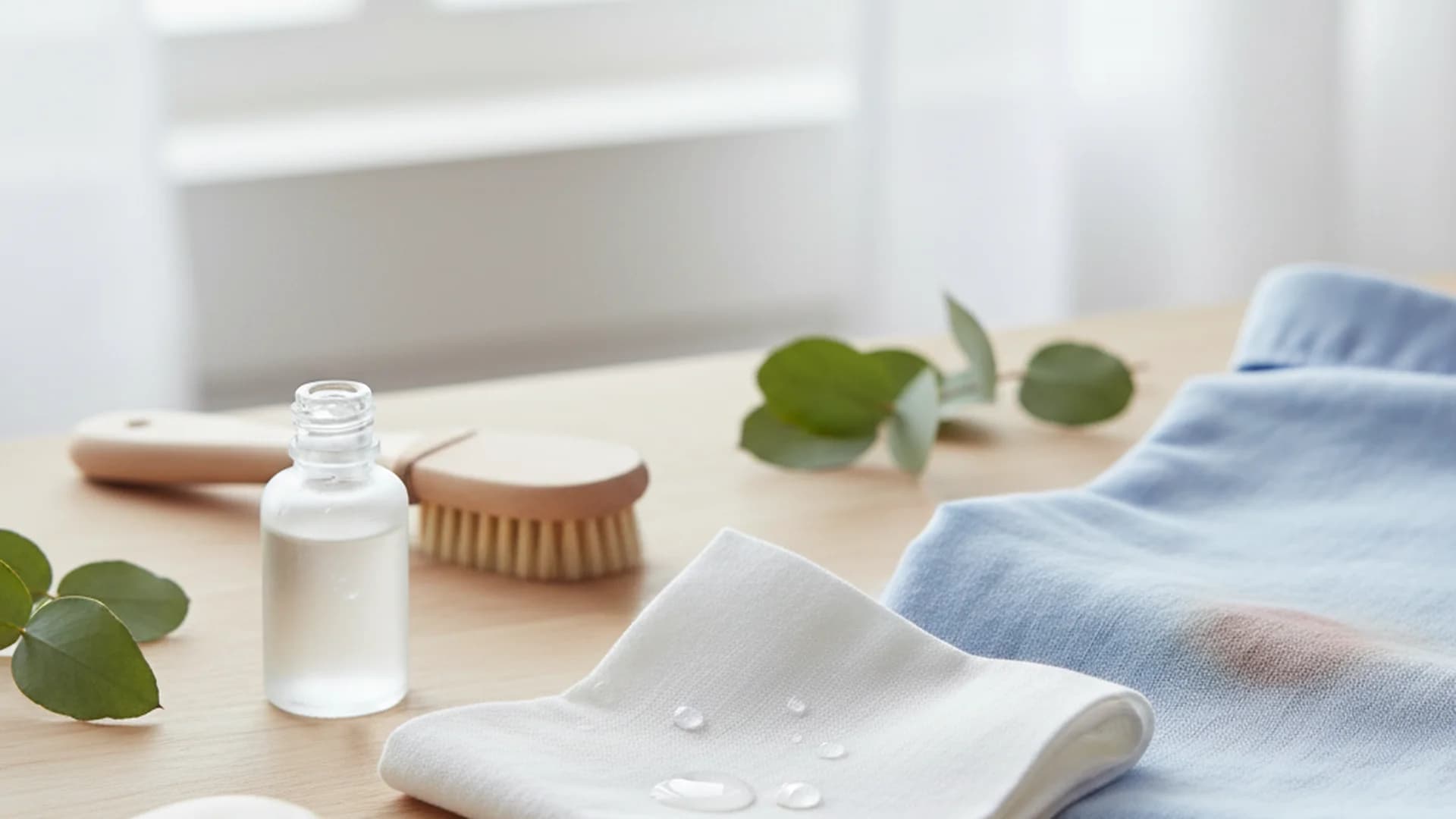
Before applying any liquids, use a soft-bristled brush to gently flick away loose dirt or grass blades. If you wet the fabric immediately, you risk turning loose soil into mud, which only complicates the cleaning process.
Step 2: The Enzymatic Pre-treatment
In 2025, the gold standard for organic stains is the use of enzymatic detergents. Look for products containing protease or lipase. These enzymes act like microscopic "scissors," digesting the protein and lipid bonds of the grass pigment.
Apply the detergent directly to the stain and work it in with a soft-bristled toothbrush using a circular motion. This agitation helps the enzymes penetrate deep into the weave.
Step 3: The 2025 "Sugar Paste" Method
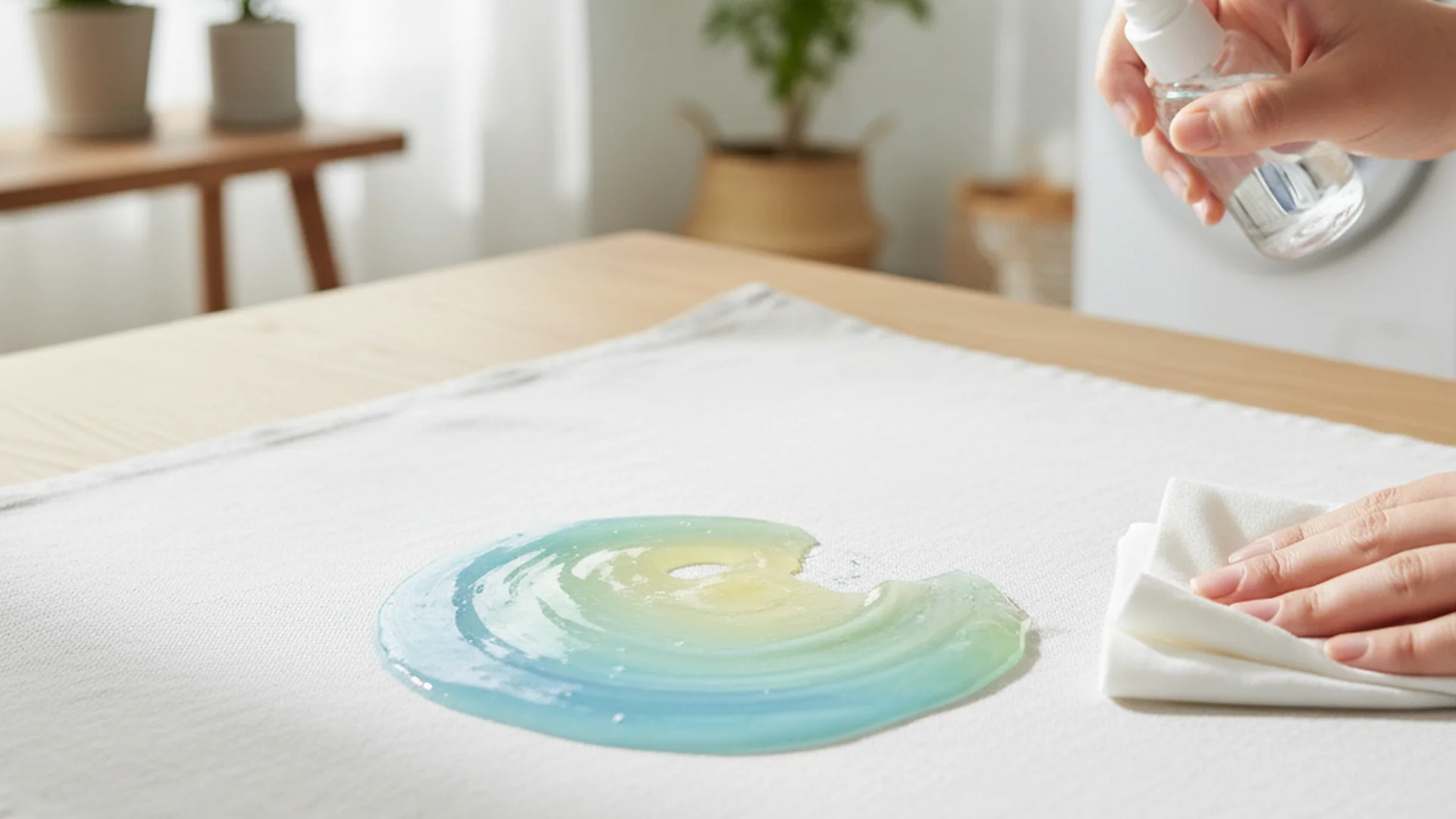
A rising trend in sustainable cleaning is the sugar paste method. Because sugar binds exceptionally well with chlorophyll, it can help pull the pigment away from the cellulose in the fabric.
- Mix white granulated sugar with just enough warm water to form a thick paste.
- Smear the paste over the stain.
- Let it sit for 60 minutes.
- Rinse with cool water.
Tip: If the stain is on a delicate item, always test your cleaning solution on a small, inconspicuous area first to ensure colorfastness.
Step 4: The Oxygen Bleach Soak
If the green tint persists, submerge the garment in a mixture of cool water and oxygen-based bleach (like OxiClean). Unlike chlorine bleach, oxygen bleach is safe for most colors and specifically targets organic matter. Let the item soak for at least four hours, or even overnight for heavy stains.
| Fabric Type | Recommended Treatment | Avoid |
|---|---|---|
| Cotton/Denim | Enzymatic detergent + Scrubbing | High-heat drying |
| Silk/Wool | Professional Dry Cleaning | Aggressive rubbing |
| Synthetics | Sugar Paste or Dish Soap | Ammonia |
How to Remove Grass Stains from Carpet
If the kids or the dog have tracked the outdoors inside, you need to know how to remove grass stains from carpet without spreading the pigment deeper into the pile.
Step 1: Vacuum Suction
Do not use a rotating brush or "beater bar" on a fresh grass stain. This can grind the chlorophyll deeper. Instead, use the hose attachment to suck up any loose grass particles.
Step 2: The Blotting Technique
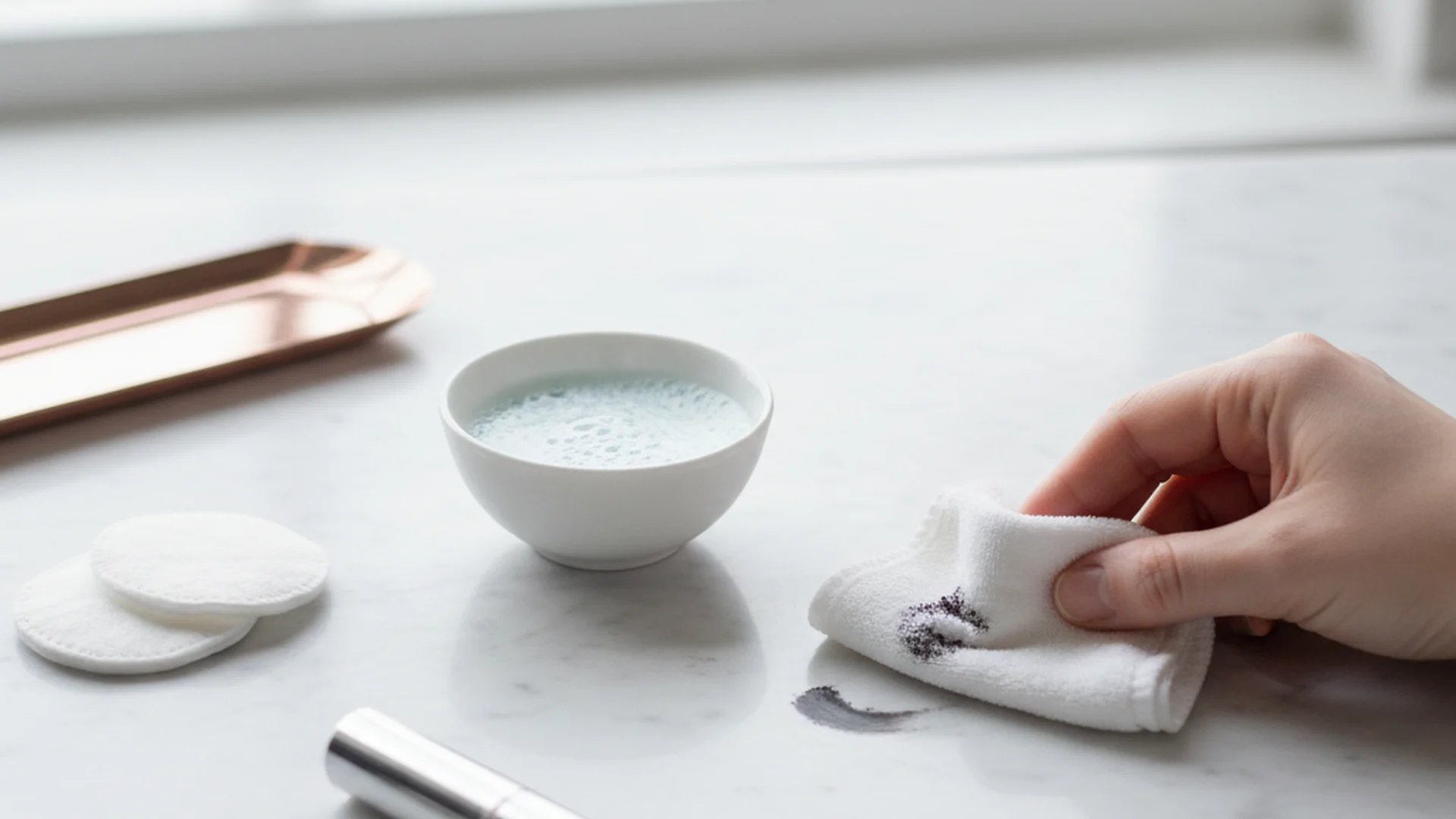
Mix two teaspoons of clear dish soap (look for a pH-neutral brand) with two cups of cool water.
Warning: Never rub or scrub a carpet stain. This frays the carpet fibers and permanently "locks" the pigment into the damaged material.
Using a white microfiber cloth, blot the stain from the outside toward the center. This prevents the green circle from expanding. Continue blotting until no more green transfers to your cloth.
Step 3: The Rinse
Once the stain is gone, blot the area with plain cool water to remove soap residue.
Note: Leftover soap in carpet fibers acts as a magnet for future dirt, leading to a dark spot appearing in the same place weeks later.
Real-World Examples
Example 1: The White Soccer Jersey
A parent in Seattle recently shared their success using the 2025 sugar paste method on a white polyester jersey. After a sliding tackle left a 4-inch streak, they applied the sugar paste for an hour followed by an enzymatic soak. The jersey returned to "game-day white" without the need for harsh chlorine.
Example 2: The Living Room Rug
During a rainy spring, a golden retriever tracked wet grass onto a cream-colored wool rug. By using immediate vacuum suction followed by a 1:1 white vinegar and water misting, the owner was able to break down the chlorophyll before it bonded to the wool fibers.
Example 3: The Denim Disaster
Grass stains on jeans are common but tricky due to the tight weave of denim. A gardener successfully removed a week-old dried stain by using a combination of a laundry "stain pen" for agitation and a 4-hour oxygen bleach soak, proving that even "set" stains can sometimes be saved.
Recent Trends and Updates (2025–2026)
The world of cleaning is evolving rapidly. Here are the latest technological shifts:
- AI-Enhanced Washing Machines: New models for late 2025 feature ultrasonic sensors. These machines can actually "see" the spectral signature of chlorophyll and will automatically adjust the water temperature to cold while increasing the enzymatic concentration for that specific cycle.
- Probiotic Cleaners: We are seeing a surge in cleaners that use live "good" bacteria. These microbes stay in the fabric fibers and continue to "eat" organic residue even after the garment is dry.
- Nanotechnology Coatings: Many high-end outdoor brands are now pre-treating clothes with nano-silica. This creates a microscopic barrier that prevents grass pigments from ever touching the actual fiber.
Common Mistakes to Avoid
- The "Heat Trap": This is the #1 mistake. Never put a garment in the dryer if you can still see even a faint hint of green. The high heat of a dryer "cooks" the proteins and pigments into the fibers, making them permanent.
- Using Ammonia: Ammonia is alkaline and can react with plant-based dyes to set the stain permanently into certain fabrics.
- Aggressive Rubbing: Especially on delicate fabrics, rubbing causes friction that damages the fiber's surface, making the stain look like a permanent "fuzzy" green patch.
- Chlorine Bleach on Colors: This usually fails to remove the grass pigment and instead creates a bleached-out yellow halo around the original green spot.
Success: By following the cold-water and enzymatic approach, you can save nearly any garment from the "permanent" grass stain graveyard.
Frequently Asked Questions
Does vinegar actually remove grass stains?
Is a grass stain permanent?
Can I use a Tide Pen on grass?
Why shouldn't I use hot water?
Conclusion
Removing grass stains doesn't have to be a battle you lose. By understanding the chemistry of chlorophyll and utilizing modern 2025 cleaning trends—like enzymatic cleaners and the sugar paste method—you can keep your clothes and carpets looking brand new. Remember: act fast, keep it cool, and never hit the "dry" button until the green is gone.
Cleaning that keeps score
Every task earns points, every streak multiplies them, and Premium adds a household leaderboard plus a monthly Dustagorgon to beat.
- Free forever
- 30 badges to earn
- Up to 6 in a household
No card needed. Set up your rooms in a couple of minutes.