In this article
What you’ll learn
- Always use cold water to prevent protein coagulation
- Enzymatic cleaners (protease) are essential for set-in stains
- Never dry an item until you are 100% sure the stain is gone
We have all been there: a sudden nosebleed, a kitchen nick, or a scraped knee leads to a crimson mark on your favorite shirt or the living room rug. In the world of laundry, many professionals consider blood to be the "final boss" of organic messes. Because it is a biological, protein-based substance, it behaves differently than a splash of wine or a smudge of grease.
If you want to know how to remove blood stains effectively, you have to understand the science of hemoglobin. When blood hits the air, it begins to clot. When it hits heat, the proteins "cook" and bind permanently to the fibers of your clothes. In this guide, we will explore the most efficient, expert-vetted methods for 2025 to ensure your fabrics remain spotless.
The Science of the Stain: Why Cold Water is King
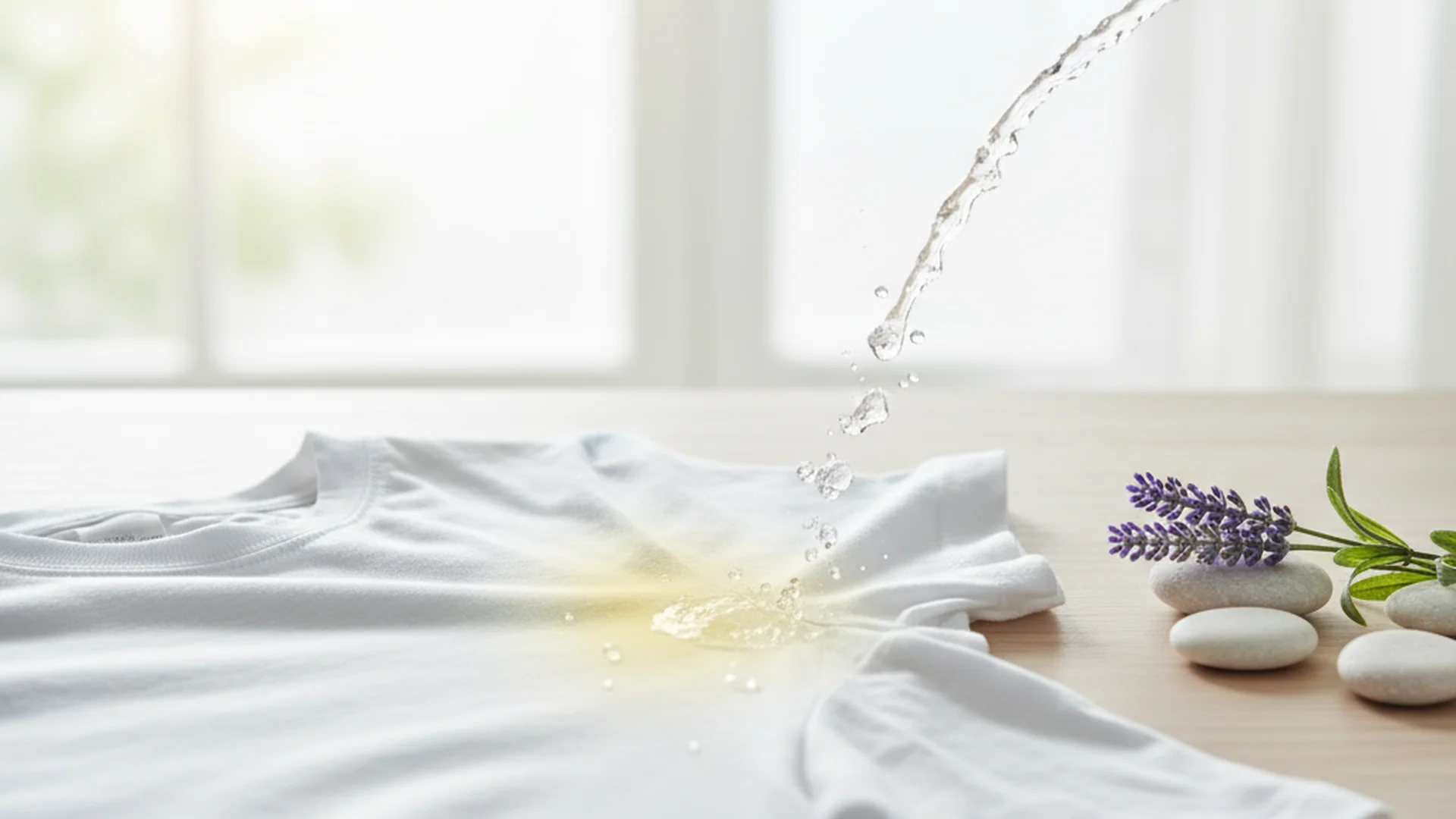
The most critical rule in stain removal is the temperature of your water. Blood is rich in proteins that act like glue when exposed to high temperatures. If you use hot water, you are essentially "soft-boiling" the stain into the fabric, making it nearly impossible to lift.
Research shows that fresh blood stains treated with cold water immediately have a 90%+ removal success rate without professional intervention. Cold water keeps the proteins in a liquid state, allowing them to be flushed out of the weave rather than bonding to it.
Warning: Never use hot water on a blood stain. Heat causes the hemoglobin to coagulate and bind permanently to the fiber.
How to Remove Blood Stains from Fabric and Clothing
When dealing with wearable items, the goal is to move the blood away from the fabric, not through it.
Step 1: Flush from the Back
Turn the garment inside out. Run cold, high-pressure water through the back of the stain. This pushes the blood particles out the way they came in. If you rinse from the front, you risk pushing the blood deeper into the opposite side of the fabric.
Step 2: The Bar Soap Method
For most cotton and synthetic blends, a simple bar of soap (or high-quality dish soap) is remarkably effective.
- Rub the bar directly onto the damp stain.
- Agitate the fabric gently with your fingers or a soft-bristled toothbrush.
- Rinse again with cold water.
Step 3: The Saline Soak for Delicates
If you need to remove blood stains from fabric that is delicate, like silk or wool, avoid harsh scrubbing. Instead, create a saline solution by mixing 1 tablespoon of salt with 2 cups of cold water. Let the item soak for 30 minutes. The salt helps break down the protein chains without damaging sensitive fibers.
Tip: For stubborn stains on white cotton, a 5% concentration of Sodium Hydroxide can be effective, but must be used with extreme caution and gloves.
How to Remove Blood Stains from Carpet and Upholstery
Carpet presents a unique challenge because you cannot "flush from the back." You are dealing with a vertical fiber that leads down into a backing material and pad.
Step 1: Rehydration
If the stain is dry, it will have formed a "crust." Use a soft-bristled brush to gently scrape away the dried surface particles. Vacuum up the debris, then dampen the area with cold water to rehydrate the remaining blood.
Step 2: Blotting, Not Scrubbing
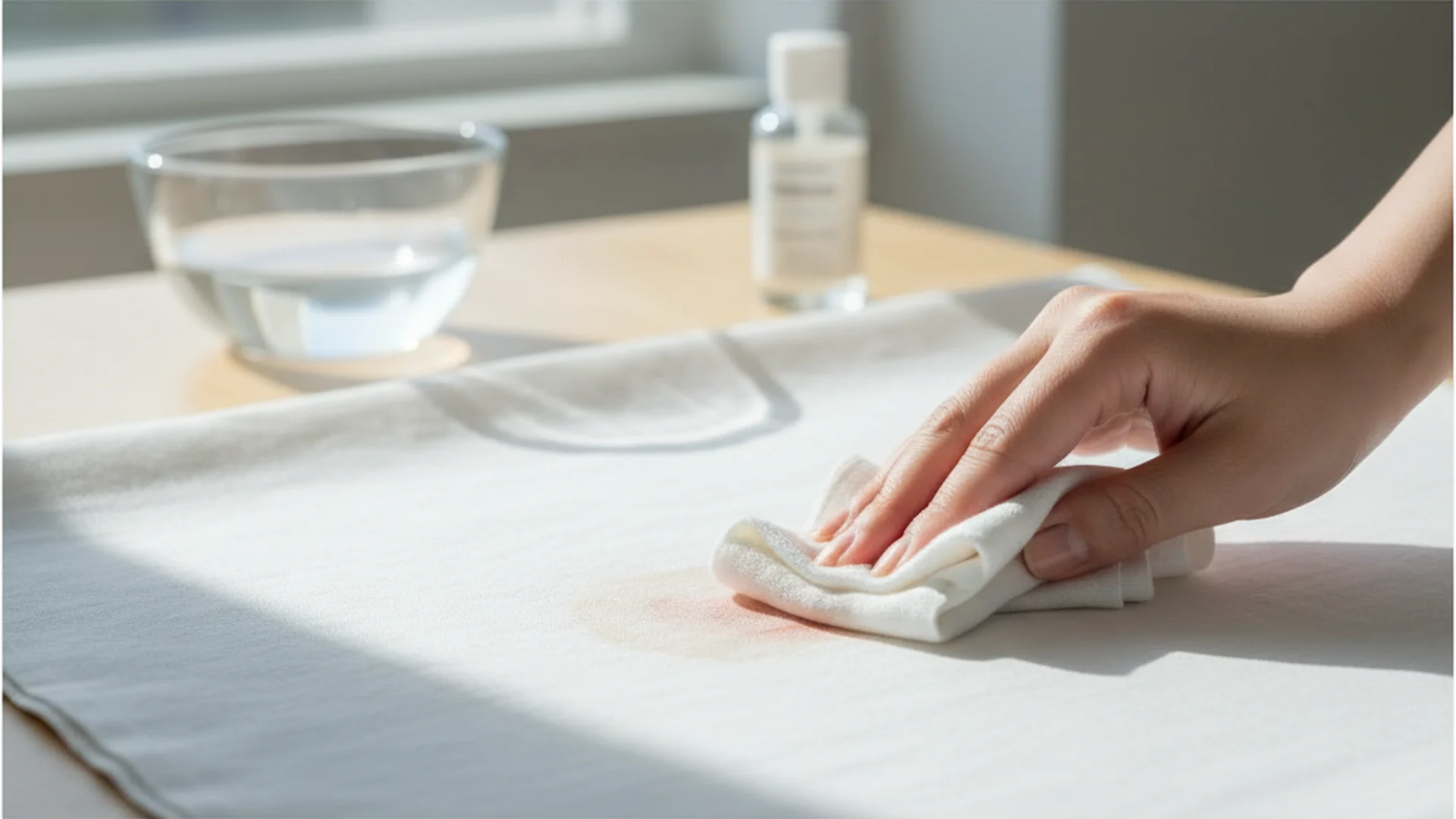
Use a clean white cloth or paper towel. Press down firmly and lift. Repeat this process, moving to a clean section of the cloth each time.
Step 3: The Enzymatic Powerhouse
To truly remove blood stains from carpet, you need a cleaner containing protease enzymes. These "digest" the blood proteins, breaking them down into water-soluble components. Apply the cleaner, let it sit for 15–30 minutes, and blot again.
Success: Using an enzymatic cleaner on a carpet stain within the first 24 hours often results in a total restoration of the fibers.
Real-World Examples of Blood Stain Removal
Example 1: The White Dress Shirt
Scenario: A minor shaving cut results in blood on a crisp white cotton collar. Solution: The owner immediately removed the shirt, flushed it with cold water from the back, and applied a paste of unseasoned meat tenderizer. Because meat tenderizer contains papain (an enzyme), it broke down the blood proteins in 20 minutes, allowing the shirt to be laundered as normal.
Example 2: The Living Room Area Rug
Scenario: A child’s scraped knee leaves several drops on a light gray polyester rug. Solution: The parents avoided the urge to scrub. They blotted the fresh blood with cold water and then applied a probiotic-based cleaner. These "living" cleaners continued to eat away the organic matter over the next 48 hours, leaving no "ghost" stain or odor.
Example 3: The Mattress Mishap
Scenario: An overnight scratch leads to a blood stain on a memory foam mattress. Solution: Since you cannot soak a mattress, they used a paste of baking soda and cold water (1:2 ratio). They applied the paste, let it dry for 45 minutes, and vacuumed it up. They followed up with a damp cloth dabbed in diluted hydrogen peroxide (after a spot test).
2025-2026 Trends: The Future of Stain Removal
The cleaning industry is undergoing a massive shift toward bio-based solutions.
- Probiotic Cleaners: These use beneficial bacteria that remain active on the surface for up to five days, continuing to "consume" organic stains like blood long after you’ve finished cleaning.
- AI-Enhanced Laundry: 2026-model washing machines are now hitting the market with ultrasonic sensors. These sensors detect the specific spectral signature of blood and automatically initiate a "protein-burst" mode—a cold-water, high-enzyme cycle designed specifically for biological fluids.
- Nanotechnology Coatings: Many modern high-end upholstery fabrics now come with silica-based nano-coatings. These make the surface "blood-phobic," causing liquids to bead up so they can be wiped away before they ever penetrate the fiber core.
Common Mistakes to Avoid
- Mistake #1: Scrubbing Vigorously. Scrubbing frays the fabric fibers and spreads the blood outward. Always blot from the outside of the stain toward the center.
- Mistake #2: Using Chlorine Bleach. Chlorine can react with the proteins in blood and turn the stain a permanent yellow or brown. Use oxygen-based bleach (sodium percarbonate) instead.
- Mistake #3: Relying Solely on Vinegar. While vinegar is a household favorite, its acidity isn't as effective on protein-based stains as alkaline agents or specialized enzymes.
- Mistake #4: Checking the Result While Wet. Blood stains are deceptive. They often look gone when the fabric is damp but reappear as a faint tan shadow once dry. Always air-dry the item and inspect it in natural light before ever putting it in a tumble dryer.
Note: If a stain has already been through the dryer, it is "set." You may need a specialized soak in a 5% sodium hydroxide solution, though success is not guaranteed at this stage.
Frequently Asked Questions
Is hydrogen peroxide safe for colored fabrics?
How do I get blood out of a mattress?
Can I remove blood that has already gone through the dryer?
Should I use salt or sugar to treat a blood stain?
Conclusion
Removing blood stains doesn't have to be a disaster if you act quickly and use the right science. By prioritizing cold water, utilizing enzymatic cleaners, and avoiding the heat of the dryer, you can save almost any fabric from permanent damage. As we move into an era of probiotic and AI-driven cleaning, the "final boss" of stains is becoming easier to defeat than ever before.
Success: By following these steps, you’ve not only saved your fabric but also extended its lifespan by avoiding harsh, fiber-damaging chemicals.
Cleaning that keeps score
Every task earns points, every streak multiplies them, and Premium adds a household leaderboard plus a monthly Dustagorgon to beat.
- Free forever
- 30 badges to earn
- Up to 6 in a household
No card needed. Set up your rooms in a couple of minutes.