In this article
What you’ll learn
- Act within the 60-minute "Golden Window" for the best results.
- Never use hot water initially as it sets tannins permanently.
- Use enzymatic cleaners for tea containing milk to break down proteins.
Few things are as comforting as a hot cup of Earl Grey or a robust English Breakfast tea. However, that relaxation can vanish in an instant when a stray elbow sends your mug tumbling onto your white linen sofa or beige rug. Knowing how to remove tea stains is a vital skill for any tea lover, as these spills are among the most persistent in the domestic world. Because tea contains high levels of tannins—the same organic compounds used to tan leather—a simple spill can quickly become a permanent dye if not handled with precision.
In this guide, we will explore the science of tea spills and provide step-by-step instructions on how to remove tea stains from carpet and fabric, ensuring your home stays spotless even after a major spill.
The Science Behind the Stain: Why Tea is Tough
To understand how to remove tea stains, you must first understand what you are fighting. Tea is rich in polyphenols known as tannins. Black tea is the most aggressive stainer, containing up to 296 mg of tannins per bag. When tea hits a fiber, these tannins immediately begin to form chemical bonds with the material.
The most critical factor in tea removal is temperature. Applying heat above 120°F (49°C) acts as a catalyst, causing these tannins to polymerize. Once this happens, the stain is effectively "baked" into the fabric. This is why you should never reach for the hot water tap first.
Warning: Never put a tea-stained garment into a hot dryer until you are 100% certain the mark is gone. The heat will bond the tannins permanently to the fibers.
How to Remove Tea Stains from Fabric
Whether it’s a cotton t-shirt or a delicate tablecloth, the process for fabric requires a gentle but acidic approach to break the tannin bonds.
Step 1: The Back-Flush Method
The moment a spill occurs, take the garment to a sink. Turn it inside out and run cold water through the back of the stain. This pushes the tea particles out of the fibers rather than forcing them deeper into the weave.
Step 2: The Vinegar Soak
Distilled white vinegar is the gold standard for tannin removal. Its acetic acid profile is perfectly balanced to disrupt the chemical structure of the tea. Mix one part vinegar with two parts cold water and submerge the affected area for at least 30 minutes.
Step 3: Baking Soda Treatment
For stubborn or slightly dried spots, create a paste using a 3:1 ratio of baking soda to water. Apply it directly to the spot and let it sit for 15 minutes. This provides a mild abrasive action and helps lift the pigment.
Tip: If your tea contained milk or cream, you must use an enzymatic cleaner. Vinegar won't break down milk fats and proteins, which can rot and cause odors later.
How to Remove Tea Stains from Carpet
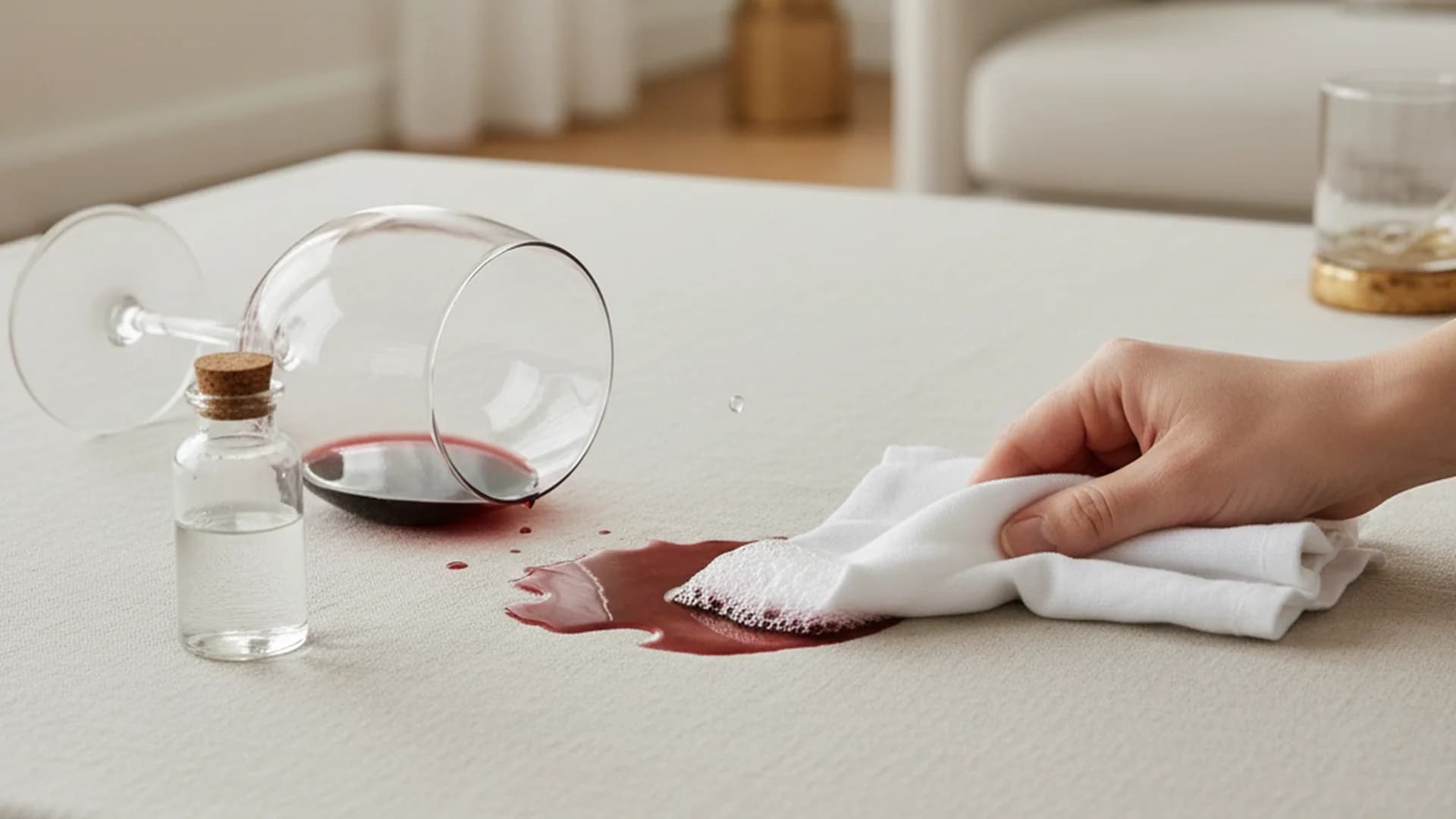
Removing tea stains from carpet is more challenging because you cannot "flush" the fibers from the back. You must rely on absorption and chemical lifting.
The "Blot, Don't Rub" Rule
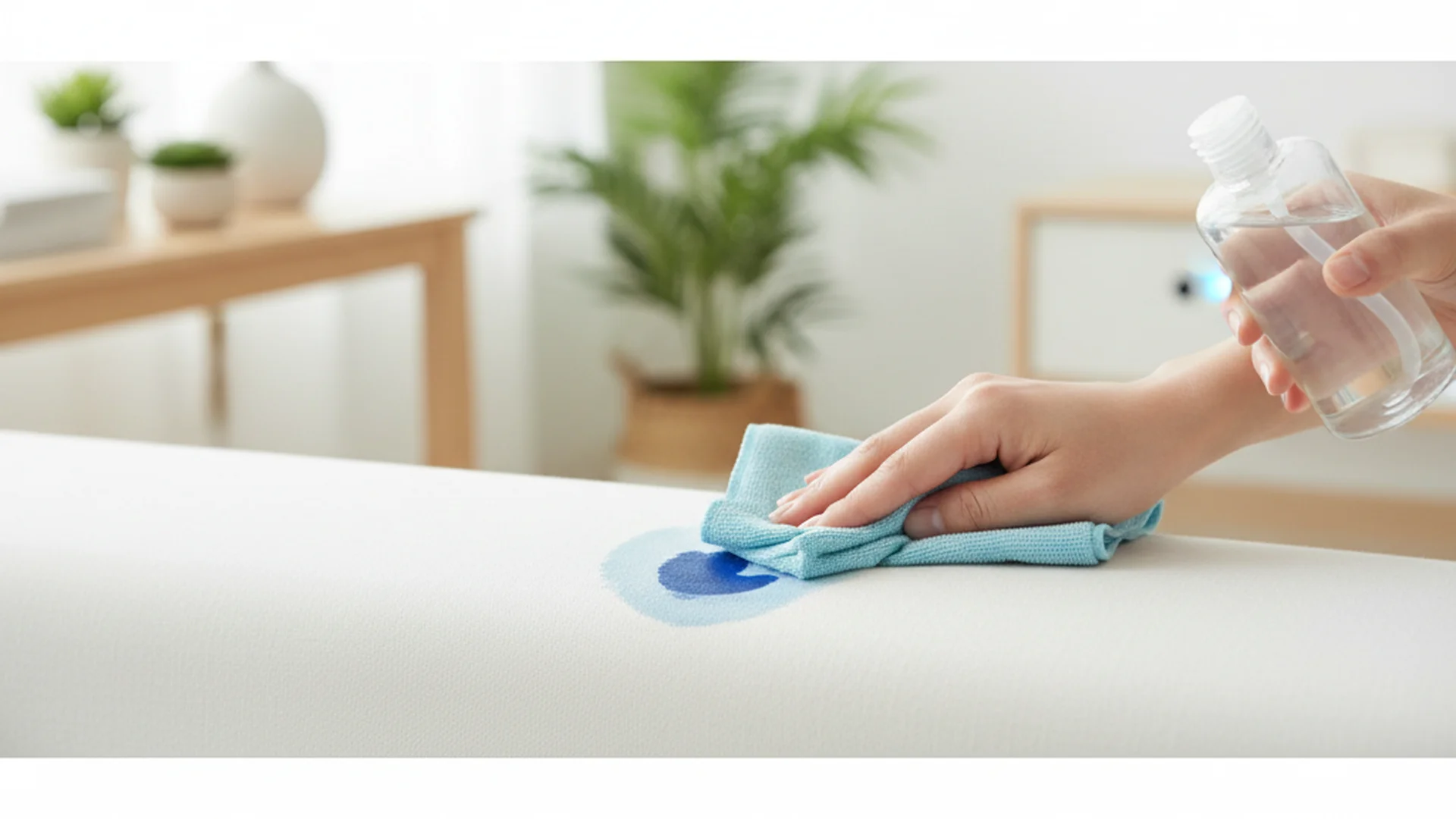
The most common mistake people make is scrubbing the carpet. Scrubbing creates friction heat and pushes the liquid into the carpet padding. Always use a clean, white microfiber cloth and blot from the outside in to prevent the stain from spreading.
The Salt Absorption Technique
For a fresh, wet spill on a rug, sprinkle a generous layer of table salt over the area. The salt acts as a desiccant, drawing the moisture and tannins upward into the salt crystals. Once the salt is dry, simply vacuum it up.
The Vinegar-Dish Soap Solution
If the stain persists, mix the following:
- 1 tablespoon distilled white vinegar
- 1 tablespoon liquid dish soap
- 2 cups of cool water
Dab this solution onto the carpet using a clean cloth, let it sit for five minutes, and then blot with a dry towel. Repeat until the color no longer transfers to the cloth.
Note: For high-end 2026 carpet care, consider using HydroBurst technology or high-pressure water jets which can "blast" tannins out of deep piles without chemicals.
Real-World Examples
Example 1: The Silk Blouse Disaster
A client recently spilled black tea on a 100% silk blouse. Because silk is delicate, she avoided the baking soda paste. Instead, she used the back-flush method with cold water and a specialized silk-safe pH-neutral detergent. By acting within 10 minutes, the blouse was saved without any water spotting.
Example 2: The Living Room Rug Incident
During a book club meeting, a large mug of milky chai was dropped on a wool rug. The owner immediately used the salt absorption technique to pull up the bulk of the liquid. She then followed up with a probiotic enzymatic cleaner to ensure the milk proteins didn't sour inside the wool fibers. The rug was pristine by the next morning.
Example 3: The Forgotten Office Mug
An office worker left a half-full tea mug on a linen coaster over the weekend. By Monday, the stain was "fully set" (over 24 hours old). He used a solid-format concentrate stain bar—a major 2025 trend—to apply a highly concentrated cleaning agent directly to the spot. After two treatments and a cold wash, the linen was restored.
2025-2026 Trends in Stain Removal
The world of cleaning is evolving rapidly. We are moving away from harsh chemicals and toward biological and technological solutions.
- Probiotic Cleaning: New 2026 "live" cleaners use beneficial bacteria that continue to consume organic tea residues for up to 72 hours.
- AI-Enhanced Appliances: The latest washing machines now feature sensors that detect tannin structures and adjust ultrasonic vibrations to break them down without needing high heat.
- Eco-Friendly Concentrates: Consumers are shifting toward stain remover tablets and bars, reducing plastic waste while providing more "active" ingredients per application.
| Method | Best For | Key Ingredient |
|---|---|---|
| Vinegar Soak | Cotton & Polyester | Acetic Acid |
| Salt Method | Fresh Carpet Spills | Sodium Chloride |
| Enzyme Spray | Tea with Milk | Protease/Amylase |
| Probiotic | Old/Set-in Stains | Beneficial Bacteria |
Common Mistakes to Avoid
- Using Bleach on Tea: While it might seem like a quick fix for white fabrics, bleach can react poorly with certain tannins and actually turn the stain a permanent yellow-orange. Use oxygen-based brighteners instead.
- The Rubbing Myth: Rubbing doesn't "scrub out" the stain; it destroys the carpet fibers and creates "heat-set" spots through friction.
- Ignoring the "Golden Window": Waiting until the next laundry day is the fastest way to lose a garment. If you can't wash it immediately, at least keep the stain damp with cold water.
- Applying Salt to Dry Stains: Salt only works if there is moisture to pull. If the tea is already dry, salt is just abrasive sand. You must re-wet the area with a vinegar solution first.
Frequently Asked Questions
Is a tea stain permanent?
Should I use hot or cold water?
What is the best household item for tea stains?
Does green tea stain differently than black tea?
Conclusion
Mastering how to remove tea stains is a combination of quick action and chemistry. By respecting the "Golden Window" of 60 minutes and avoiding the temptation to use hot water, you can protect your wardrobe and home from the most stubborn tannin marks. Whether you use the traditional vinegar soak or the latest 2026 probiotic cleaners, the key is to push the tannins out, not rub them in.
Success: By following these steps, you can enjoy your tea with peace of mind, knowing that even a major spill is no match for the right technique.
Cleaning that keeps score
Every task earns points, every streak multiplies them, and Premium adds a household leaderboard plus a monthly Dustagorgon to beat.
- Free forever
- 30 badges to earn
- Up to 6 in a household
No card needed. Set up your rooms in a couple of minutes.