In this article
What you’ll learn
- Avobenzone reacts with hard water to create rust-like orange stains.
- Never use chlorine bleach on sunscreen stains, as it makes them permanent.
- Use acidic treatments like lemon and salt for stubborn orange discolorations.
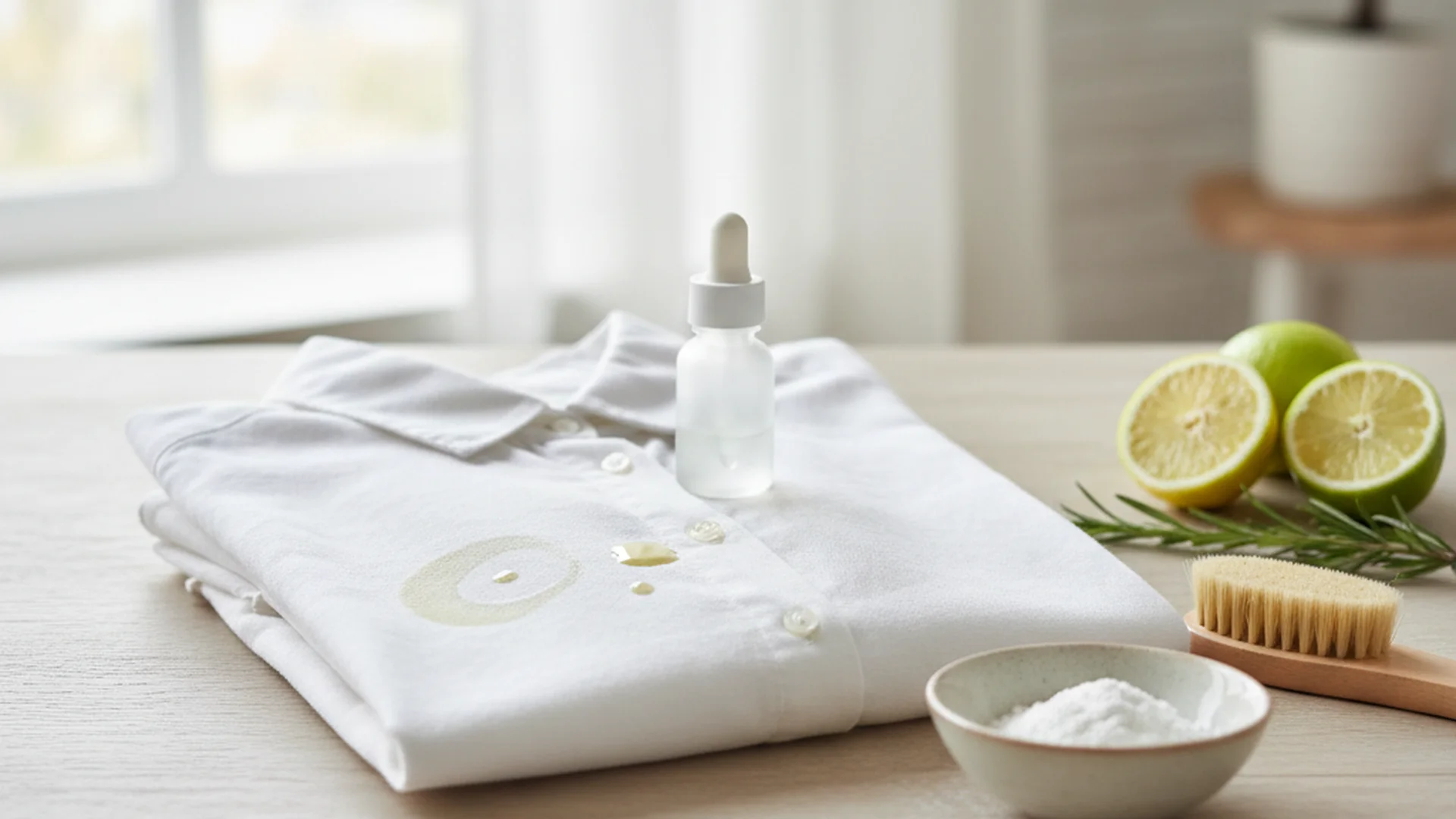
Nothing ruins a perfect summer day faster than realizing your favorite white linen shirt or your expensive car upholstery is covered in greasy, yellowed marks. As a professional cleaning consultant, I often see homeowners make the same mistake: treating these spots like normal food grease. However, sunscreen is a different beast entirely. If you want to know how to remove sunscreen stains effectively, you have to understand the chemistry behind the bottle.
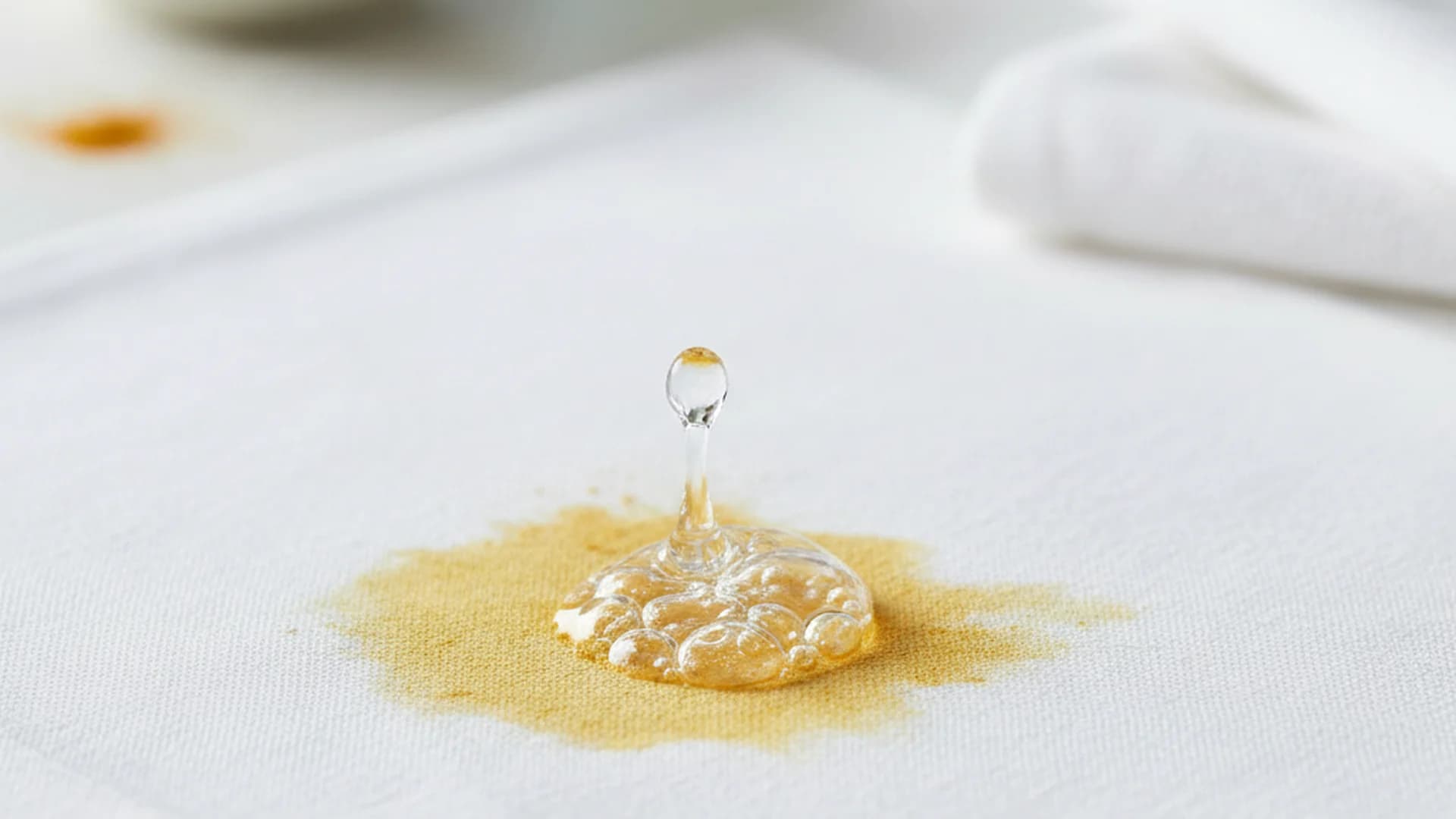
Sunscreen stains are unique because they are "double-threat" stains. They contain oils and waxes designed to stay on your skin despite water and sweat, but they also contain chemical UV filters like Avobenzone. When these chemicals meet the minerals in your laundry water, a simple stain can transform into a permanent orange disaster. In this guide, we will break down the exact protocols for restoring your fabrics and carpets to their former glory.
The Science: Why Sunscreen Stains Turn Orange
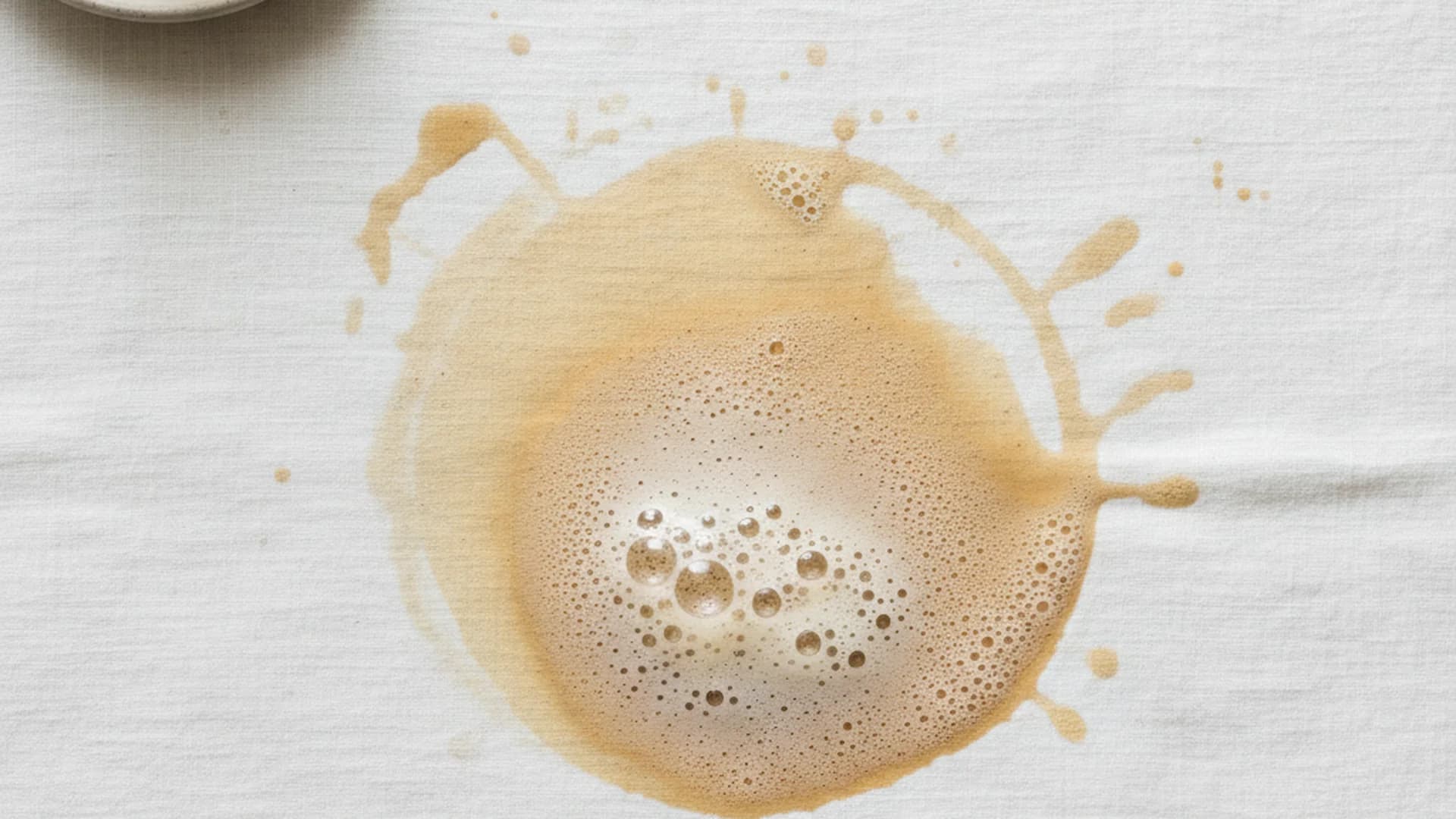
The most common complaint I hear is: "Why did my white shirt turn orange after I washed it?" The culprit is almost always Avobenzone. This common UV filter is highly effective at protecting your skin, but it is also a "metal-chelating" agent.
When you wash a garment coated in Avobenzone, the chemical reacts with the iron minerals found in most "hard" tap water. This reaction creates a chemical byproduct that is essentially rust. This is why standard detergents often fail; they are designed to fight dirt and body oils, not oxidized metal. Furthermore, synthetic fabrics like polyester and nylon are particularly vulnerable because their plastic-based fibers "lock in" these oil-based chemicals more tightly than natural cotton.
Warning: Never use chlorine bleach on a sunscreen stain. Bleach is an oxidizing agent that reacts with Avobenzone to darken the stain, often turning a faint yellow mark into a vivid, permanent neon orange.
How to Remove Sunscreen Stains from Fabric
When learning how to remove sunscreen stains from fabric, the goal is to tackle the oil first and the chemical reaction second. Follow this professional multi-stage process for the best results.
Step 1: Remove Excess and Degrease
Before applying water, use a dull knife or the edge of a credit card to scrape away any excess lotion. Avoid rubbing with a cloth, as this pushes the oils deeper into the weave of the fabric.
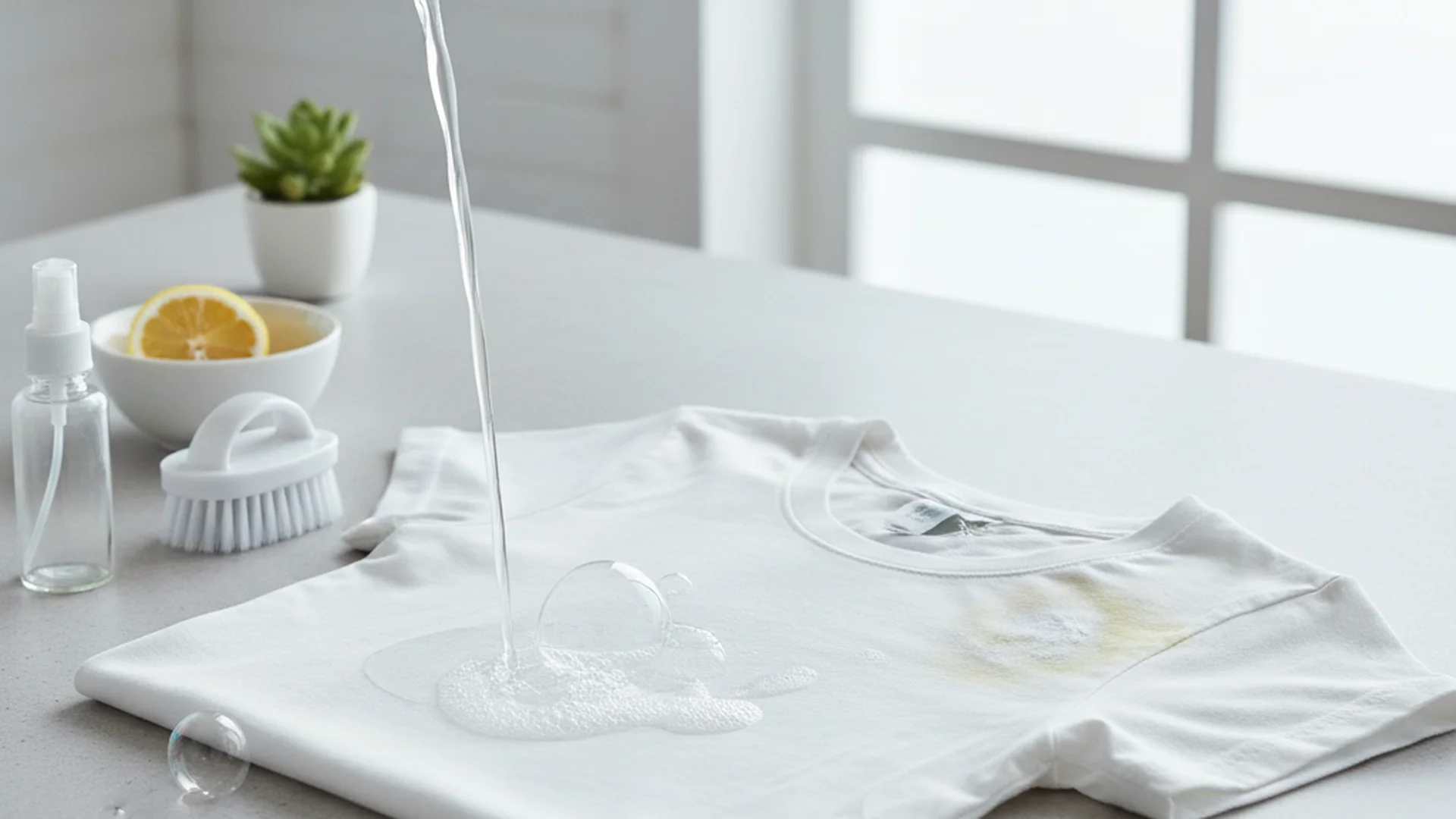
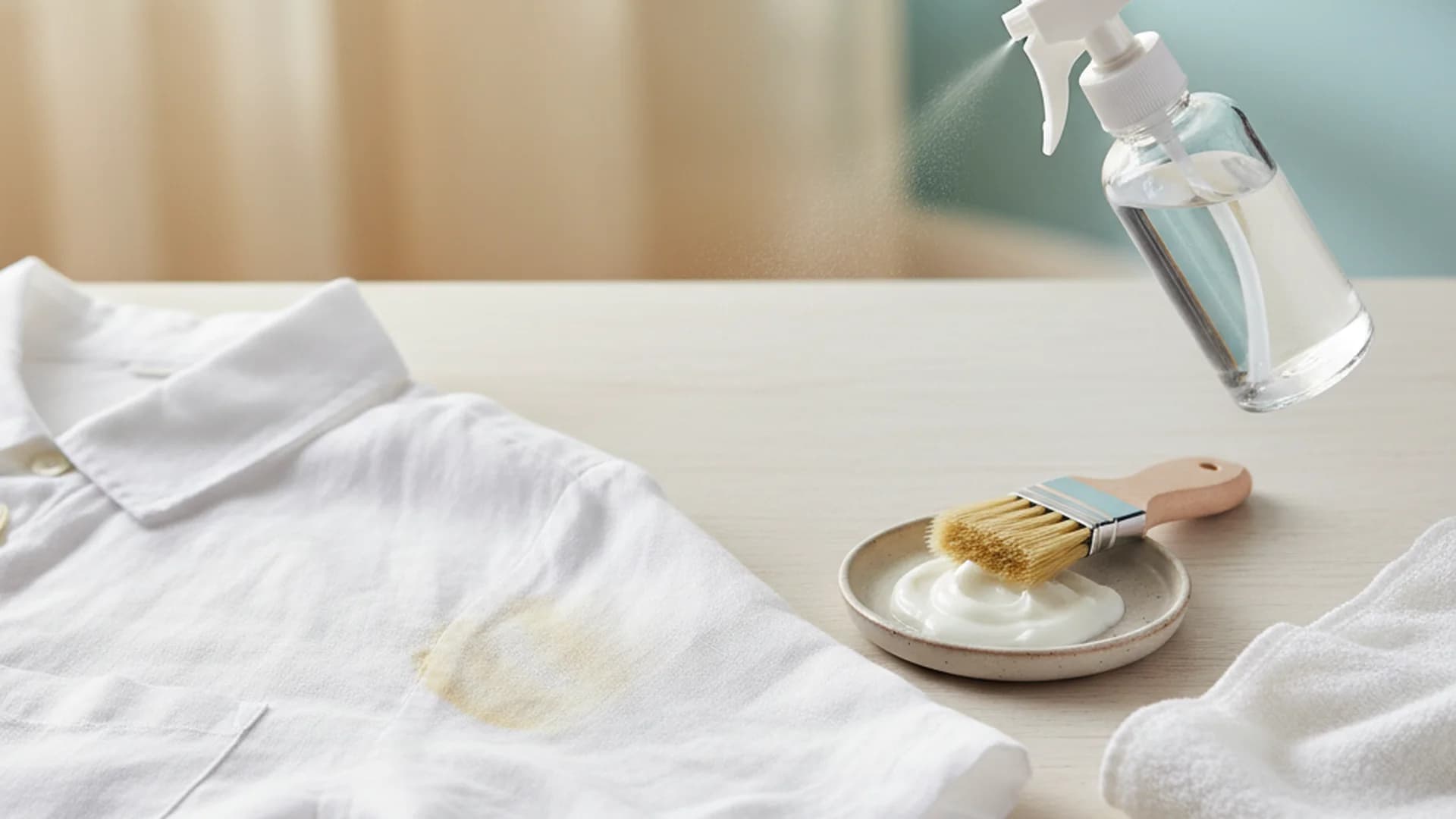
Apply a high-quality, grease-fighting dish soap (like Dawn) or a heavy-duty liquid laundry detergent directly to the area. Use your fingers to work it into the fibers and let it sit for at least 20 minutes. This breaks down the lipid barrier that protects the UV filters.
Step 2: The Acidic Soak
If you notice an orange or yellow tint, you are dealing with the iron-Avobenzone reaction. To break this bond, you need an acid. Mix a solution of lemon juice and salt into a paste and apply it to the stain, or soak the garment in a mixture of white vinegar and cool water. The acid helps dissolve the "rust" bond, making it easier for the detergent to lift the residue.
Step 3: The Cold Water Wash
Always wash the garment in cool or lukewarm water. While hot water is typically good for oils, in the case of sunscreen, high heat can "set" the chemical reaction before the oils are fully flushed out.
Tip: If you are dealing with high-SPF residues, look for "precision detergents" containing lipase enzymes. These are specifically engineered to dismantle the complex oil chains found in modern sunscreens.
How to Remove Sunscreen Stains from Carpet and Upholstery
Carpets and upholstery present a different challenge because you cannot simply toss them into a washing machine. To remove sunscreen stains from carpet, you must focus on absorption and localized solvent cleaning.
The Absorption Method
- Blot: Immediately blot the spill with a clean white paper towel. Do not scrub.
- Apply Powder: Liberally sprinkle baking soda, cornstarch, or talcum powder over the spot. These powders act as "micro-sponges" that pull the oils out of the carpet fibers.
- Wait: Let the powder sit for at least 30 minutes (overnight is better for deep spills).
- Vacuum: Vacuum the powder away using a high-suction setting.
The Solvent Treatment
If a shadow remains, mix one cup of warm water with one teaspoon of clear dish soap. Using a microfiber cloth, dab the stain from the outside moving toward the center. This prevents the "halo effect" where the stain spreads outward. For stubborn marks on synthetic carpets, a specialized dry-cleaning solvent may be required.
| Fabric Type | Primary Concern | Best Cleaning Agent |
|---|---|---|
| Cotton | Absorbency | Lemon Juice & Salt |
| Polyester | Oil Retention | Lipase Detergent |
| Silk | Sensitivity | Professional Clean |
| Carpet | Pile Depth | Baking Soda & Dawn |
Note: If you are cleaning leather car upholstery, avoid vinegar or harsh acids. Use a dedicated leather cleaner and a soft-bristled brush to lift the sunscreen from the grain.
Real-World Examples
To better understand how these methods work in practice, let's look at three common scenarios I encounter in my consulting work.
- The Resort Towel Crisis: Commercial laundries at beach resorts report that sunscreen is a leading cause of "rewash" cycles. They often use industrial-grade citric acid pre-soaks to prevent the "orange-rust" reaction before the linens ever hit the main wash.
- The White Linen Wedding: A client once spilled SPF 50 on a white linen suit. By immediately applying cornstarch to absorb the oil and later treating the spot with a rust-specific remover (Carbona Stain Devils #9), the suit was saved without any yellowing.
- The New Car Dilemma: A family with a brand-new SUV found white "ghostly" handprints on their black fabric seats. This was mineral sunscreen (zinc oxide). Unlike chemical sunscreen, this required no acid—just a simple upholstery shampoo and a wet-vac to extract the white minerals.
2025-2026 Trends in Sunscreen Removal
The industry is evolving to combat these stubborn stains. Here are the latest updates for 2025 and 2026:
- AI-Powered Washing: New 2025 smart washers from brands like Samsung and LG now feature optical sensors. If the machine detects certain chemical signatures or oily residues, it automatically triggers a cold-water pre-soak, preventing the heat-induced rust reaction.
- Anti-Stain Sunscreens: Brands like Eucerin have pioneered "Anti-Stain After Wash" technology. These formulas include "complexing agents" that prevent UV filters from bonding to metal ions in water, significantly reducing the chance of orange stains forming in the first place.
- Eco-Friendly Rust Removers: Moving away from harsh hydrofluoric acids, 2026 will see a surge in bio-based rust removers that use fermented plant acids to safely break down Avobenzone stains on delicate synthetics.
Common Mistakes to Avoid
- Tumble Drying too Early: This is the most common mistake. Never put a garment in the dryer until you are 100% certain the stain is gone. The high heat of the dryer acts as a "fixative," essentially baking the chemical stain into the fabric forever.
- Using Hot Water First: As mentioned, start cold. You can move to warm water only after the orange tint has been successfully neutralized by an acidic treatment.
- Ignoring the "Mineral" Difference: Remember that mineral sunscreens (Zinc or Titanium) do not turn orange. If you treat a white mineral stain with heavy acids, you might damage the fabric unnecessarily. For mineral sunscreen, focus strictly on degreasing.
Success: By treating the stain as a chemical "rust" problem rather than a simple dirt problem, you can save almost any garment from the trash bin.
Frequently Asked Questions
Why did my white shirt turn orange after washing?
Can I use bleach to remove the yellowing?
Is it possible to remove old, set-in sunscreen stains?
Does mineral sunscreen stain differently?
What is the best detergent for sunscreen?
Conclusion
Removing sunscreen stains requires a shift in strategy. Instead of reaching for the bleach, reach for the dish soap and lemons. By understanding that you are fighting both a grease stain and a chemical "rust" reaction, you can effectively protect your wardrobe and home surfaces. Whether you are dealing with a favorite shirt or a living room carpet, the key is to act fast, avoid heat, and use the right chemistry.
Cleaning that keeps score
Every task earns points, every streak multiplies them, and Premium adds a household leaderboard plus a monthly Dustagorgon to beat.
- Free forever
- 30 badges to earn
- Up to 6 in a household
No card needed. Set up your rooms in a couple of minutes.