In this article
What you’ll learn
- Crayon stains are oil-based and require solvents like WD-40 or dish soap.
- Heat can set crayon stains permanently if applied before the wax is removed.
- Modern bio-enzymatic cleaners are the top choice for eco-friendly removal in 2025.
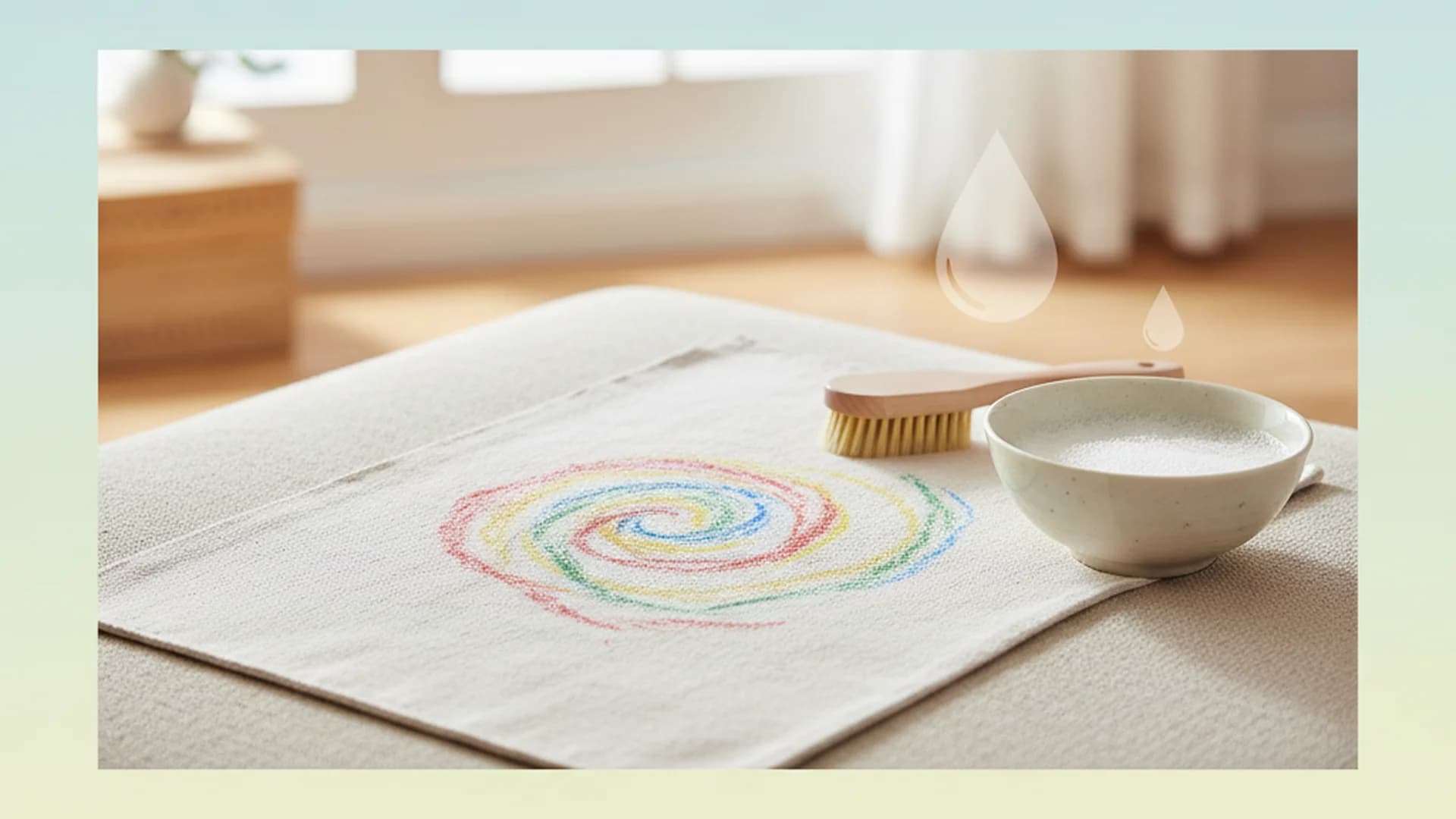
Finding a vibrant, waxy masterpiece on your cream-colored sofa or a freshly painted wall can send any homeowner into a panic. Whether it’s a stray "drawing" from a toddler or a crayon that accidentally survived a trip through the laundry, knowing how to remove crayon stains is a vital skill for maintaining a clean home. Because crayons are primarily composed of paraffin wax and intense color pigments, they present a dual challenge: you have to dissolve the petroleum-based wax while simultaneously lifting the dye from the surface fibers.
The Science of Crayon Stains
To effectively tackle these marks, we must understand their chemistry. Paraffin wax is a petroleum-based product, making crayon stains "oil-based." This is why simple water and vinegar solutions often fail; oil and water simply do not mix.
The most critical factor in removal is heat. While heat can be used strategically to melt and lift wax, it is also the primary reason stains become permanent. A crayon left in a pocket that goes through a high-heat dryer cycle is significantly harder to treat than a fresh mark.
The Essential Crayon Survival Kit
Before you start scrubbing, gather these expert-recommended tools. Having these on hand will prevent you from using the wrong chemicals and potentially damaging your surfaces.
- Solvents: WD-40, 70%+ Rubbing Alcohol, or citrus-based cleaners.
- Surfactants: Degreasing dish soap (like Dawn) or heavy-duty laundry pods.
- Mechanical Tools: Plastic scrapers (or an old credit card), soft-bristled toothbrushes, and white microfiber cloths.
- Modern Tech: Portable deep cleaners (like the Bissell Little Green) or steam cleaners for chemical-free wax melting.
Tip: Always use white cloths when cleaning. Colored towels can transfer their own dye onto the surface you are trying to clean, creating a secondary "bleed" stain.
How to Remove Crayon Stains from Fabric
When you need to remove crayon stains from fabric, the goal is to lift the wax without spreading the pigment deeper into the weave. This applies to clothing, curtains, and upholstery.
Step 1: The Freeze and Scrape
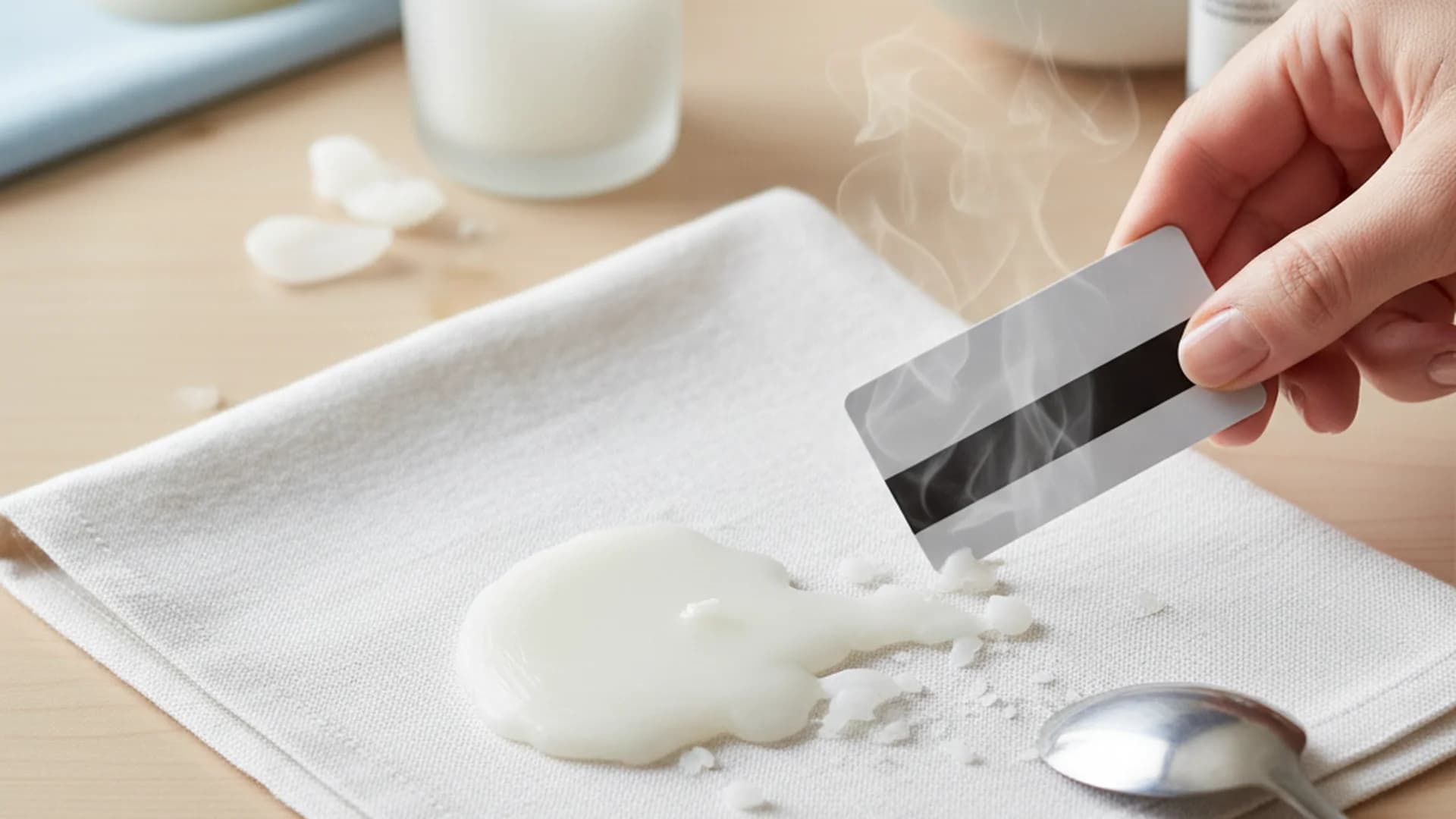
If the wax is thick, do not rub it. Place an ice pack over the stain for several minutes. Once the wax is brittle, use a dull knife or a credit card to gently flake off the excess.
Step 2: Solvent Application
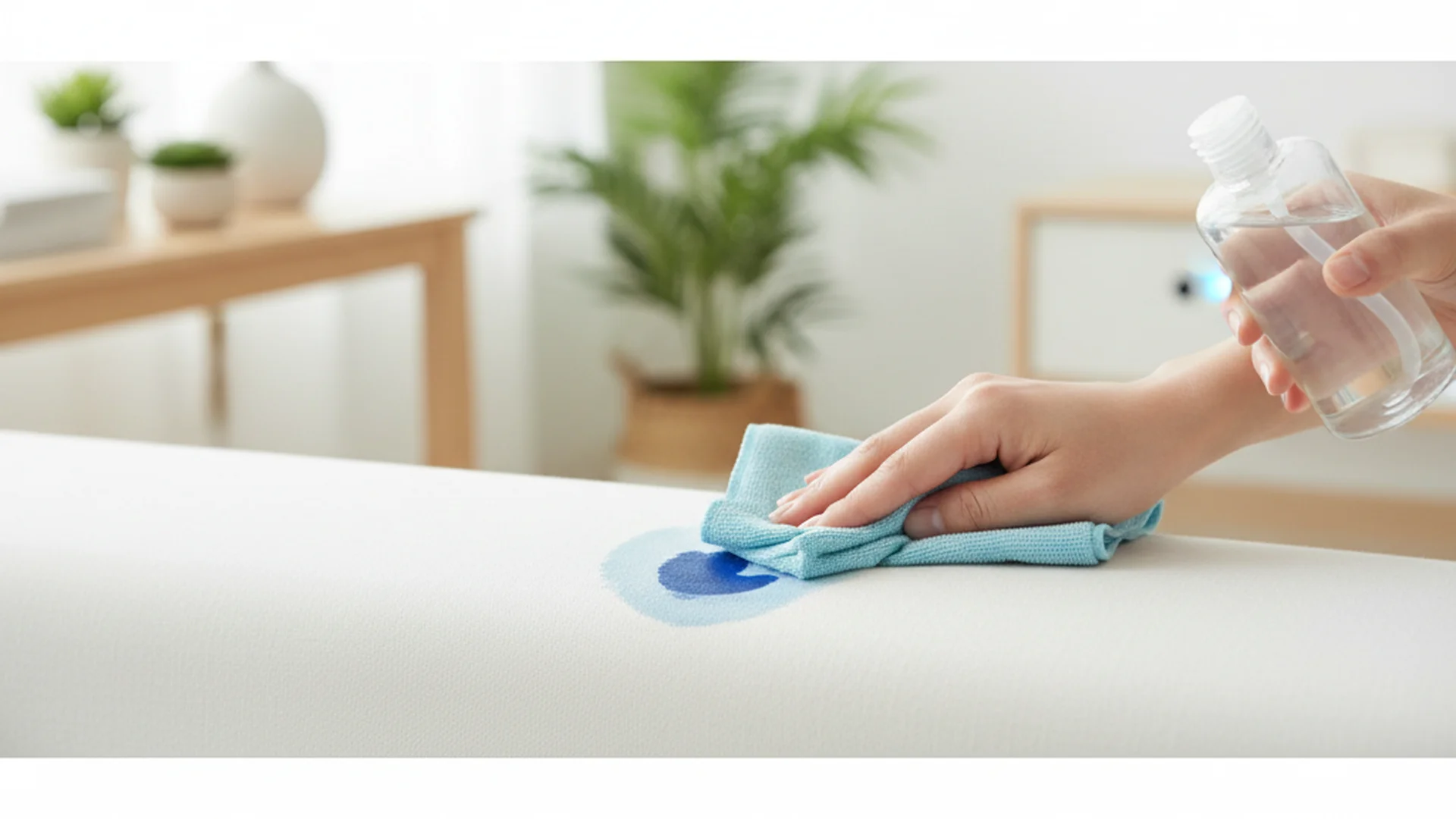
For the remaining residue, apply a small amount of WD-40 or a citrus-based solvent. These chemicals break the paraffin's hold on the fabric fibers. Let it sit for 5-10 minutes.
Step 3: The Heat Transfer Method
If the stain persists, place the fabric between two white paper towels. Set your iron to a warm (not hot) setting and press down. The heat will melt the wax, and the absorbent paper towels will "wick" the colored wax out of the fabric.
Warning: Never use a hot iron directly on the stain without paper towels, as this will liquefy the wax and cause it to spread laterally, making the stain much larger.
Real-World Example: The "Dryer Disaster"
Consider a common 2025 scenario: A red crayon melts in a load of white school shirts during a high-heat drying cycle. To fix this, experts now recommend "Laundry Stripping 2.0." This involves soaking the ruined clothes in a tub with a mixture of Borax, washing soda, and heavy-duty detergent for four hours. This deep-soak method helps "strip" the set-in oils that a standard wash cycle misses.
How to Remove Crayon Stains from Carpet
To remove crayon stains from carpet, you have to be extra careful not to push the wax into the carpet backing.
| Method | Best For | Risk Level |
|---|---|---|
| Ice Scrape | Thick, fresh wax | Low |
| WD-40 Solvent | Deeply embedded pigment | Medium (residue) |
| Bio-Enzymatic Spray | Eco-conscious households | Low |
The Solvent and Blot Technique
Apply a citrus-based cleaner or WD-40 directly to the spot. Use a soft toothbrush to work the cleaner into the fibers gently. Blot, don’t rub. Work from the outside of the stain toward the center to prevent the "halo" effect where the stain expands.
Following Up with Dish Soap
Because solvents are oily, you must follow up with a degreasing dish soap wash. Mix a few drops of soap with warm water, blot the area to lift the solvent and the remaining pigment, and then rinse with a damp cloth.
Note: Modern 2026 carpet cleaners now feature infrared dirt detection (like EyeLoop sensors) that can actually detect the density of wax and adjust suction automatically. If you have one of these devices, use it after the solvent stage for professional-grade results.
Removing Crayon from Walls and Hard Surfaces
Walls are the most common "canvas" for young artists. However, the finish of your paint (matte vs. high-gloss) dictates the method.
- The Magic Eraser: This is the gold standard for walls. It is a melamine foam that acts like extremely fine sandpaper.
- The Hairdryer Method: Use a hairdryer on low heat to soften the wax, then wipe it away with a cloth dipped in soapy water.
- Toothpaste: Non-gel white toothpaste can act as a mild abrasive to lift pigment without stripping paint.
Success: For high-gloss or semi-gloss paints, a simple wipe with a microfiber cloth and dish soap usually does the trick without damaging the sheen.
Common Mistakes to Avoid
- Using High Heat Too Early: Putting a stained shirt directly into a hot wash without pretreatment will "set" the dye, making it nearly impossible to remove later.
- Using Bleach on Wax: Bleach is not a degreaser. It may lighten the color, but the wax will remain, leaving a stiff, yellowish patch.
- Skipping the Spot Test: Always test your solvent (especially WD-40) on a hidden area of the carpet or wallpaper first to ensure it doesn't cause discoloration.
- The Vinegar Myth: While vinegar is a great natural cleaner, it cannot dissolve paraffin wax. Use it only as a final rinse to remove soap residue.
2025-2026 Cleaning Trends
The cleaning industry is shifting toward "green" and high-tech solutions. As of 2025, 73% of consumers prefer eco-friendly products. Bio-Enzymatic cleaners are now the preferred choice; these use live enzyme cultures to "eat" the organic oils in the wax. Additionally, nanotechnology coatings are becoming popular for playrooms, creating a hydrophobic barrier that prevents crayon pigments from ever reaching the carpet fibers.
Frequently Asked Questions
Are crayon stains permanent?
Can I use WD-40 on my carpet?
Is a Magic Eraser safe for all walls?
How do I get crayon out of white clothes?
Conclusion
Removing crayon stains doesn't have to be a permanent disaster for your home decor. By understanding the oil-based nature of paraffin and using the "freeze, solvent, and blot" method, you can restore your fabrics and carpets to their original state. Whether you are using traditional household solvents or the latest 2026 bio-enzymatic technology, the key is patience and avoiding high heat until the wax is fully gone.
Success: By following these professional steps, you can save your furniture and clothing from even the most enthusiastic "artistic" outbursts.
Cleaning that keeps score
Every task earns points, every streak multiplies them, and Premium adds a household leaderboard plus a monthly Dustagorgon to beat.
- Free forever
- 30 badges to earn
- Up to 6 in a household
No card needed. Set up your rooms in a couple of minutes.