In this article
What you’ll learn
- Utilize 'dwell time' to let chemicals do the heavy lifting.
- Follow a top-to-bottom, dry-to-wet cleaning sequence.
- Implement micro-cleaning habits to prevent grime buildup.
Few household tasks are as universally dreaded as cleaning the bathroom. It is often the room we use the most but want to clean the least. However, maintaining a hygienic space doesn't have to be a weekend-long marathon. By mastering a quick bathroom clean, you can transform a "danger zone" into a sanctuary in just a few minutes a day. As a professional cleaning consultant, I have helped thousands of homeowners move away from the "all-day scrub" and toward a more efficient, 2025-standard approach to home maintenance.
The Evolution of Bathroom Maintenance
In the past, bathroom cleaning was viewed as a heavy-duty chore requiring buckets of bleach and hours of labor. That has shifted dramatically. The change isn't just about more people hiring help; it reflects a real appetite for professional-grade speed cleaning methods and smarter tools.
Today, we focus on "micro-cleaning"—the practice of performing small, high-impact tasks in short bursts. Instead of the traditional 45-minute weekly scrub, modern homeowners are opting for the fastest quick bathroom clean techniques that utilize advanced chemistry and strategic workflows.
Note: Bathrooms are the chore most people dread, in part because of how quickly bacteria accumulate on high-touch surfaces like faucet handles and light switches.
The Fastest Quick Bathroom Clean Checklist
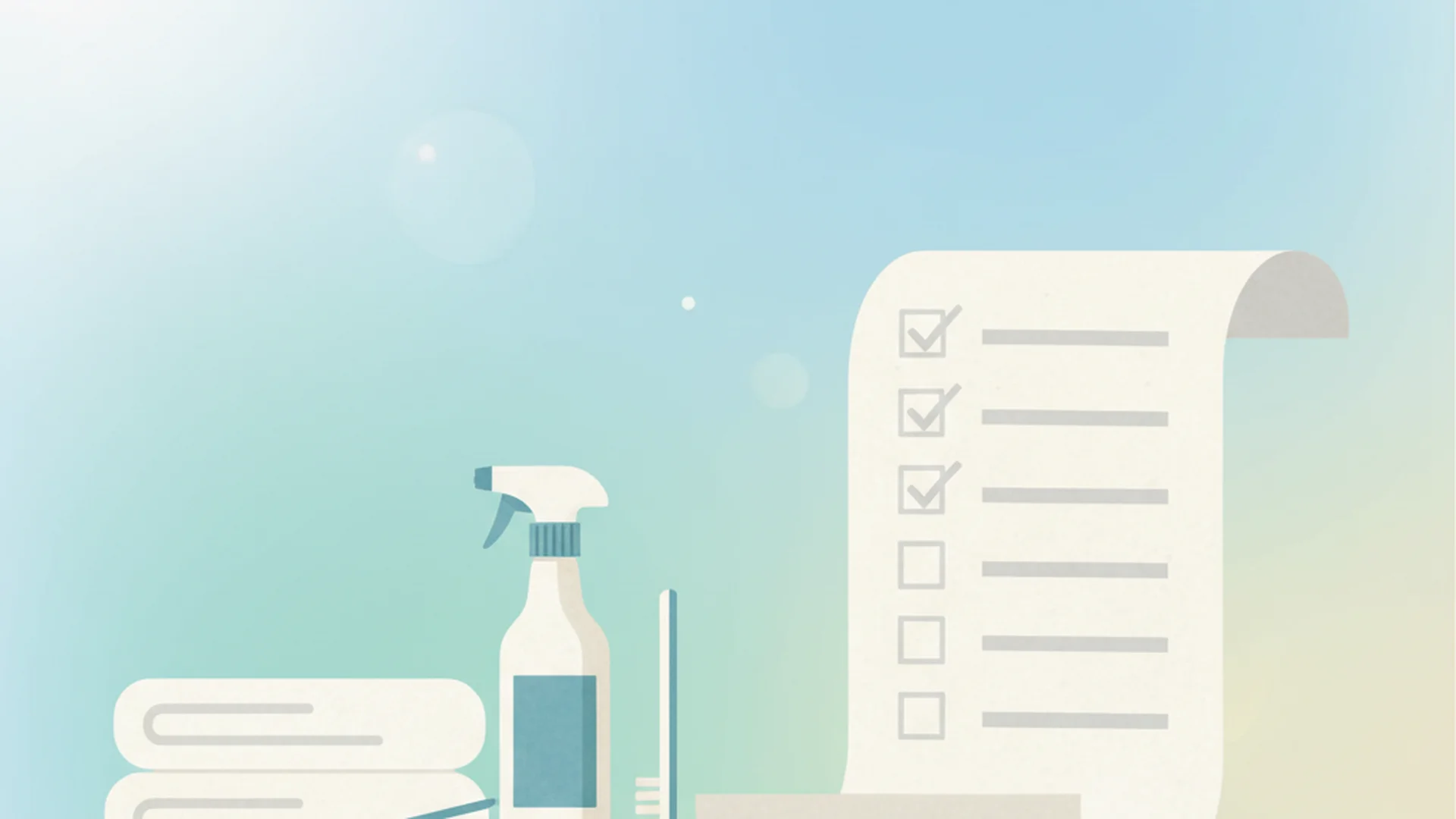
To achieve professional results in under 10 minutes, you must follow a specific sequence. This prevents you from cleaning the same area twice or spreading dust onto wet surfaces. Here is the definitive quick bathroom clean checklist used by industry pros.
1. Clear the Decks (1 Minute)
Efficiency starts with a clear workspace. Remove all bottles, toothbrushes, and clutter from the counters and the shower floor. Toss dirty towels into the hamper and set out fresh ones. A clear surface allows you to move your cloth without stopping to lift objects.
2. The "Dwell" Stage (1 Minute)
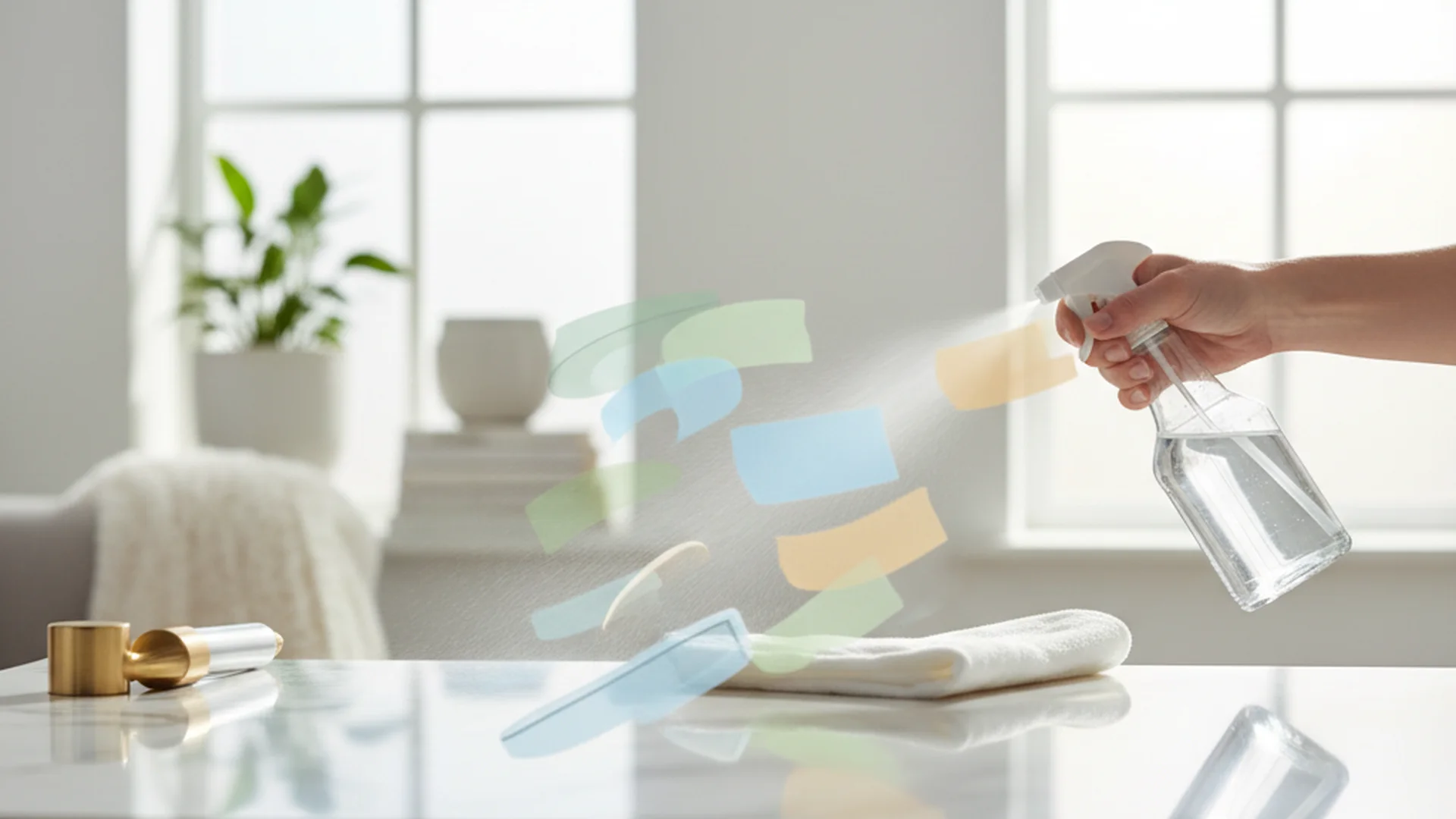
This is the most important step for speed. Spray the shower walls, tub, and toilet bowl with a high-quality disinfectant.
Tip: Do not wipe the cleaner away immediately. Let the cleaner sit (dwell) for at least 60 seconds to break down soap scum and kill microbial loads.
3. Dust Dry Before Wet (1 Minute)
Use a dry microfiber cloth to wipe down the mirror, light fixtures, and the top of the toilet tank. Dusting while surfaces are dry prevents that "muddy" gray streak that occurs when dust meets liquid cleaner.
4. The Polish (2 Minutes)
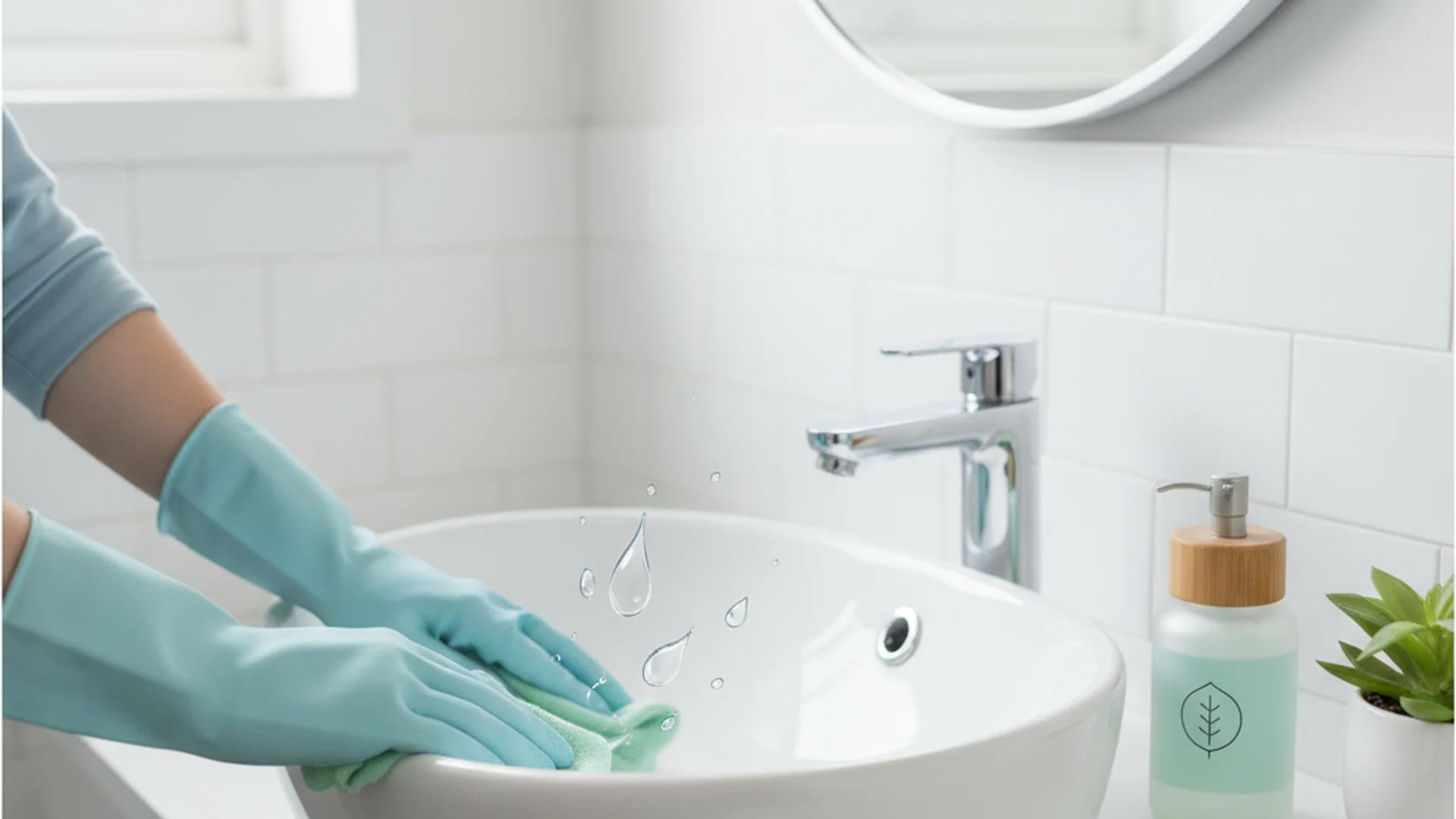
Wipe the mirror with glass cleaner and a fresh cloth. Next, move to the sink and faucet. Because you allowed the cleaner to dwell in step two, most grime will wipe away with a single pass. Use a damp microfiber cloth for the best finish.
5. The Toilet Quick-Swish (2 Minutes)
Scrub the inside of the bowl with a brush. For the exterior, use a disinfectant wipe. Start from the cleanest part (the handle) and work your way down to the base.
Warning: Never use the same cloth for the toilet and the sink. This is the primary cause of cross-contamination in the home.
6. Floor Spot-Check (2 Minutes)
Don't pull out the mop for a quick clean. Use a hand-held vacuum or a damp paper towel to pick up hair and dust from corners and behind the toilet.
7. Final Touches (1 Minute)
Replace the trash bag and put your daily items back on the counter. Spritz a light, modern fragrance to signal that the room is fresh.
Success: By following this 10-minute workflow daily or every other day, you eliminate the need for deep scrubbing sessions entirely.
Real-World Examples of Speed Cleaning
Example 1: The "Unexpected Guest" Sprint
Imagine you receive a text that a friend is five minutes away. Using the quick bathroom clean method, you skip the shower and focus entirely on the "High-Touch Triangle": the mirror, the faucet, and the toilet handle. By focusing on these shiny surfaces and ensuring the toilet is clean, the entire room feels refreshed to a guest.
Example 2: The Monday Morning "Reset"
Professional cleaners often suggest a "Monday Reset." While your coffee is brewing, you spray the "dwell" cleaners. By the time you've finished your first cup, the chemicals have done 90% of the work. You simply wipe and go, starting your week with a sanitized environment without sacrificing your morning routine.
Example 3: The Sustainable Minimalist
With the rise of antimicrobial coatings and hydrophobic (water-repelling) porcelain, some homeowners now use "self-cleaning" surfaces. In this scenario, the quick clean involves little more than a squeegee after a shower and a quick UVC-sterilization wand pass over the vanity.
| Task | Manual Time | With Smart Tools (2026) |
|---|---|---|
| Floor Cleaning | 5 mins | 0 mins (Robotic) |
| Sanitization | 3 mins | 1 min (UV-C Wand) |
| Scrubbing | 10 mins | 2 mins (Hydrophobic coating) |
Smarter Solutions for 2025 and Beyond
As we move into 2026, the technology behind a quick bathroom clean is evolving. We are seeing a move away from "harsh" smells like bleach toward sophisticated scent innovations.
- IoT & Smart Tools: High-end homes are adopting automated floor scrubbers and robotic vacuums specifically designed for small, tiled spaces.
- Eco-Friendly Refillables: Many homeowners now prioritize plant-based agents and refill pods to reduce plastic waste while maintaining cleaning power.
- Antimicrobial Surfaces: Coatings that prevent bacteria from sticking to surfaces are becoming widely available, making "cleaning" more about maintenance and less about decontaminating.
Note: Modern trends show that "clean" no longer has to smell like chemicals. Essential oil-based cleaners provide the same sanitization with a much more pleasant sensory experience.
Common Mistakes to Avoid
Even a "quick" clean can be ineffective if done incorrectly. Avoid these pitfalls to ensure your bathroom is actually hygienic:
- Putting a wet toilet brush back in the holder: This creates a "bacteria soup." Instead, sandwich the brush under the toilet seat to let it drip-dry into the bowl first.
- Mixing chemicals: Never mix bleach with ammonia or vinegar. The resulting gases are toxic. Stick to single-product solutions or natural alternatives.
- Scrubbing immediately: If you don't allow for "dwell time," you are just moving dirt around. Let the chemistry do the work so you don't have to use elbow grease.
- Using one cloth for everything: Color-code your cloths (e.g., Red for the toilet, Blue for mirrors, Green for the sink) to prevent spreading germs.
Frequently Asked Questions
What is the "best" order to clean a bathroom?
How often should I do a "quick clean"?
Can I clean the whole bathroom in under 10 minutes?
How do I keep the shower clean without scrubbing?
Conclusion
A quick bathroom clean is about more than just aesthetics; it’s about maintaining a healthy home environment without letting chores take over your life. By leveraging the power of dwell time, following a logical checklist, and avoiding common cross-contamination mistakes, you can keep your bathroom in "guest-ready" condition at all times. As we embrace the smarter, more sustainable cleaning trends of 2025 and 2026, the goal is to work smarter, not harder.
Success: Consistent micro-cleaning cuts the total time you spend on housework across the month, because nothing ever gets bad enough to need a deep clean.
Cleaning that keeps score
Every task earns points, every streak multiplies them, and Premium adds a household leaderboard plus a monthly Dustagorgon to beat.
- Free forever
- 30 badges to earn
- Up to 6 in a household
No card needed. Set up your rooms in a couple of minutes.