In this article
What you’ll learn
- Use the "Task-by-Task" method rather than room-by-room to maintain speed.
- Allow chemical "dwell time" to do the hard scrubbing for you.
- Focus on maintenance and surface cleaning rather than deep-cleaning traps.
In the fast-paced world of 2025, time is our most precious commodity. Many homeowners feel trapped by the "Saturday Scrub"—that grueling ritual where the entire weekend is sacrificed to the vacuum and the mop. However, as a professional cleaning consultant, I have spent years refining a system that proves you can effectively clean house 2 hours or less without sacrificing hygiene or aesthetics.
The secret isn't moving faster; it is moving smarter. By adopting a professional mindset and utilizing a specific clean house 2 hours checklist, you can reclaim your weekend while maintaining a home that is always guest-ready.
The Science of Speed: Why Traditional Cleaning Fails
Most people fail to hit the two-hour mark because they clean "room-by-room." This method is inherently inefficient because it requires you to switch tools, chemicals, and mindsets every time you cross a doorway. Professional cleaners utilize the "Task-by-Task" method. By performing one task (like dusting) throughout the entire house before moving to the next (like vacuuming), you build physical momentum and reduce "context switching" for your brain.
Research shows that the average American spends about 6 hours per week cleaning. However, with the rise of dual-income households—expected to reach 80% by 2026—the demand for high-efficiency "maintenance sprints" has skyrocketed.
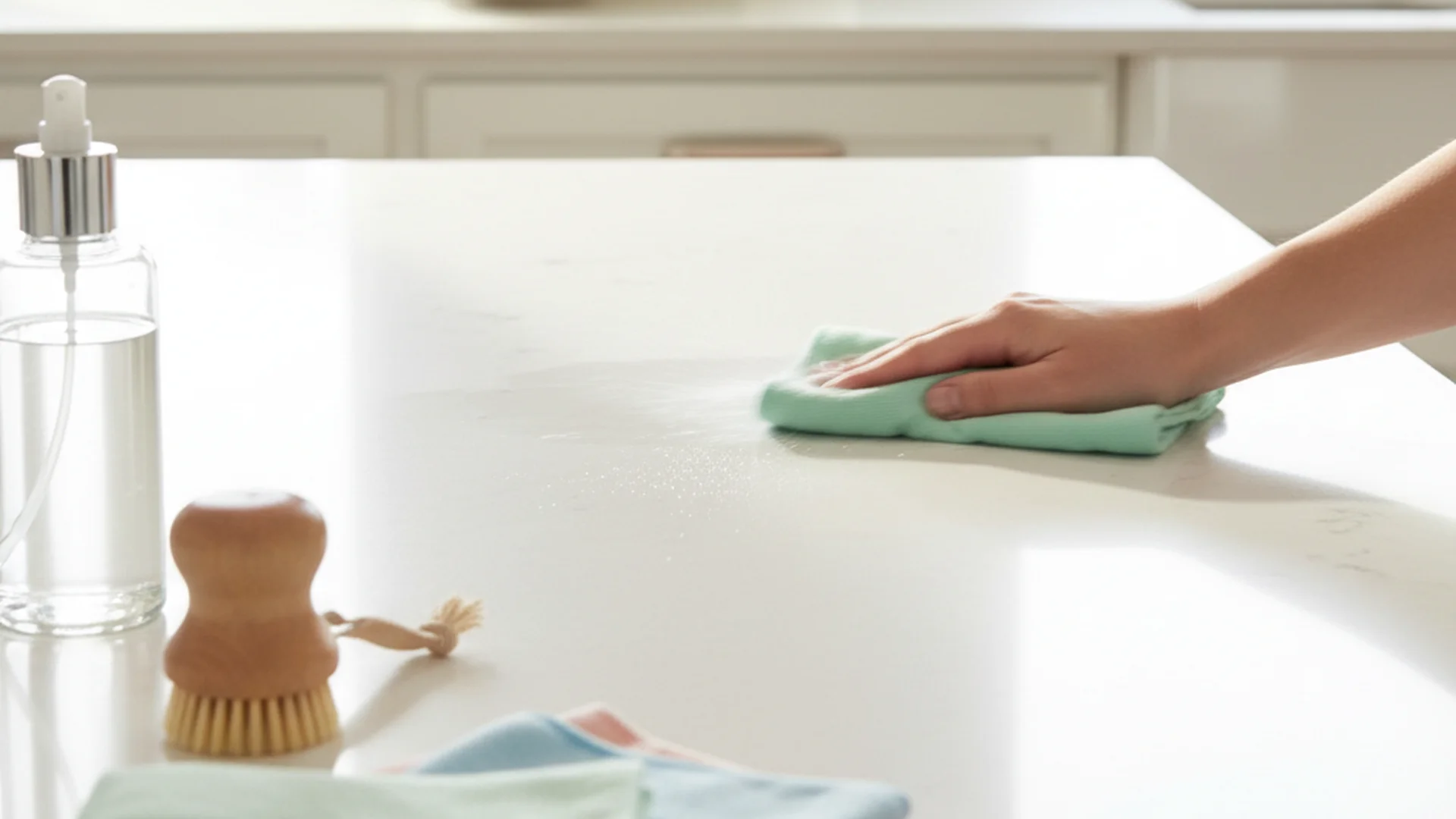
Tip: Professional cleaners report that using microfiber cloths improves cleaning efficiency by up to 80% because they trap dirt rather than spreading it.
The 2-Hour Blueprint: A Minute-by-Minute Breakdown
To achieve the fastest clean house 2 hours result, you must adhere to a strict schedule. This isn't the time for organizing your junk drawer; this is about high-impact surface cleaning.
| Time Block | Task Category | Primary Focus |
|---|---|---|
| 0:00 - 0:10 | Pre-Cleaning Prep | Decluttering and supply gathering |
| 0:10 - 0:35 | Kitchen Sprint | Counters, sink, and appliance exteriors |
| 0:35 - 0:55 | Bathroom Blitz | Disinfecting toilets, showers, and mirrors |
| 0:55 - 1:25 | Dusting & Surfaces | Top-to-bottom dusting of all rooms |
| 1:25 - 2:00 | Floor Finale | Vacuuming and mopping your way out |
Phase 1: Pre-Cleaning Prep (10 Minutes)
The biggest time-waster in cleaning is "The Search." If you have to stop to find a glass cleaner or a fresh rag, you’ve lost your rhythm.
The Laundry Basket Method: Take a large laundry basket and walk through every room. Anything that is out of place—toys, mail, stray shoes—goes into the basket. Do not put them away now. Simply move the basket to a closet or the laundry room. This clears the "path of travel" for your cleaning tools.
Warning: Never mix cleaning chemicals, especially bleach and ammonia, as this creates toxic chloramine gas.
Phase 2: The Kitchen Sprint (25 Minutes)
The kitchen is the heart of the home and, statistically, the area cleaned most frequently (averaging 20 times per month).
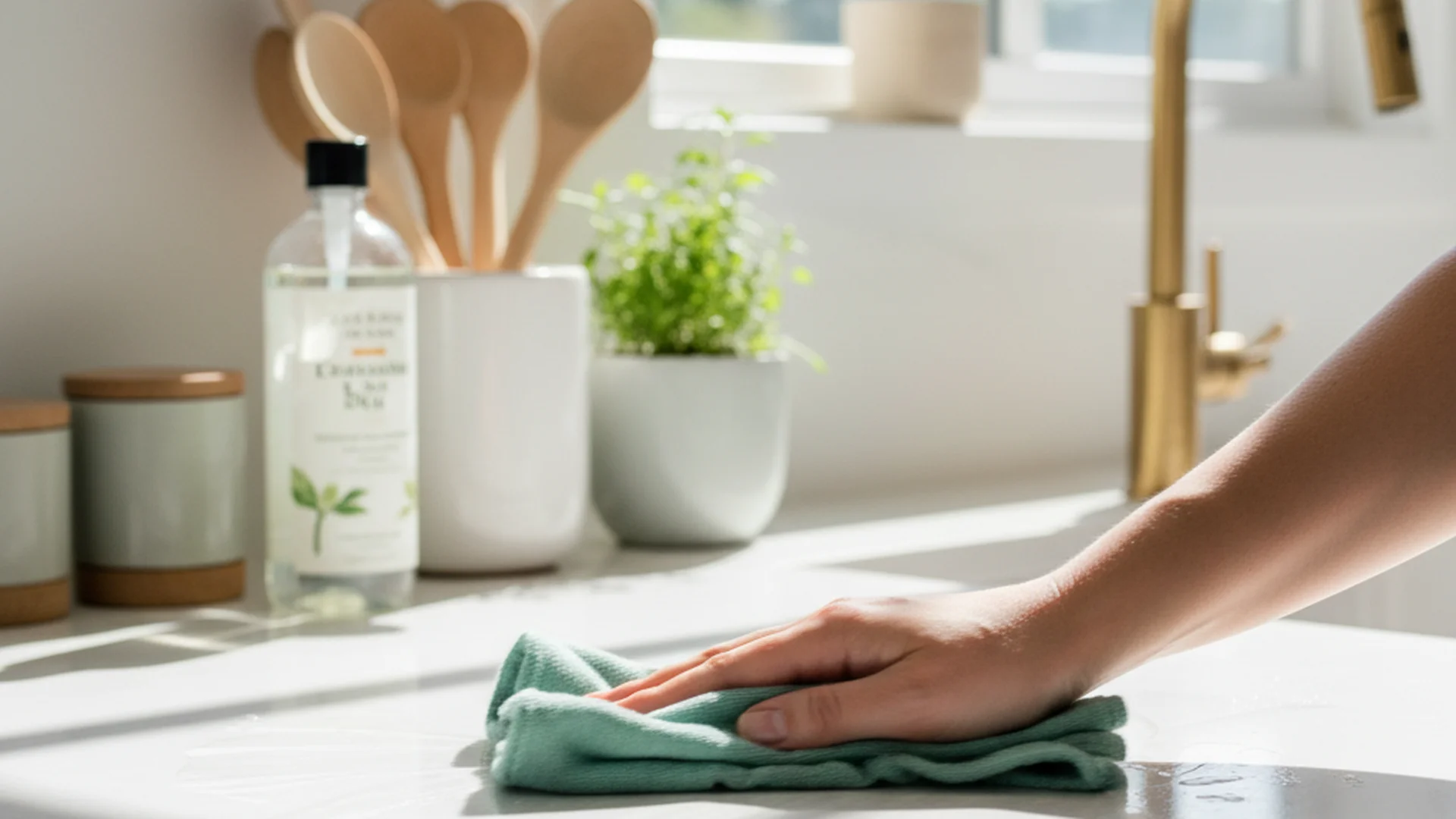
- Clear and Spray: Clear the counters of everything. Spray an all-purpose cleaner or degreaser on all surfaces, including the stovetop and inside the microwave.
- The Dwell Time Strategy: This is a professional secret. Let the cleaner "dwell" for at least 5 to 10 minutes. This allows the chemicals to break down grease and kill 99.9% of bacteria.
- Wipe and Load: While the cleaner works, load the dishwasher. Then, go back and wipe everything down using an "S-pattern" (moving from back to front).
Phase 3: Bathroom Blitz (20 Minutes)
Similar to the kitchen, the bathroom requires chemical intervention.
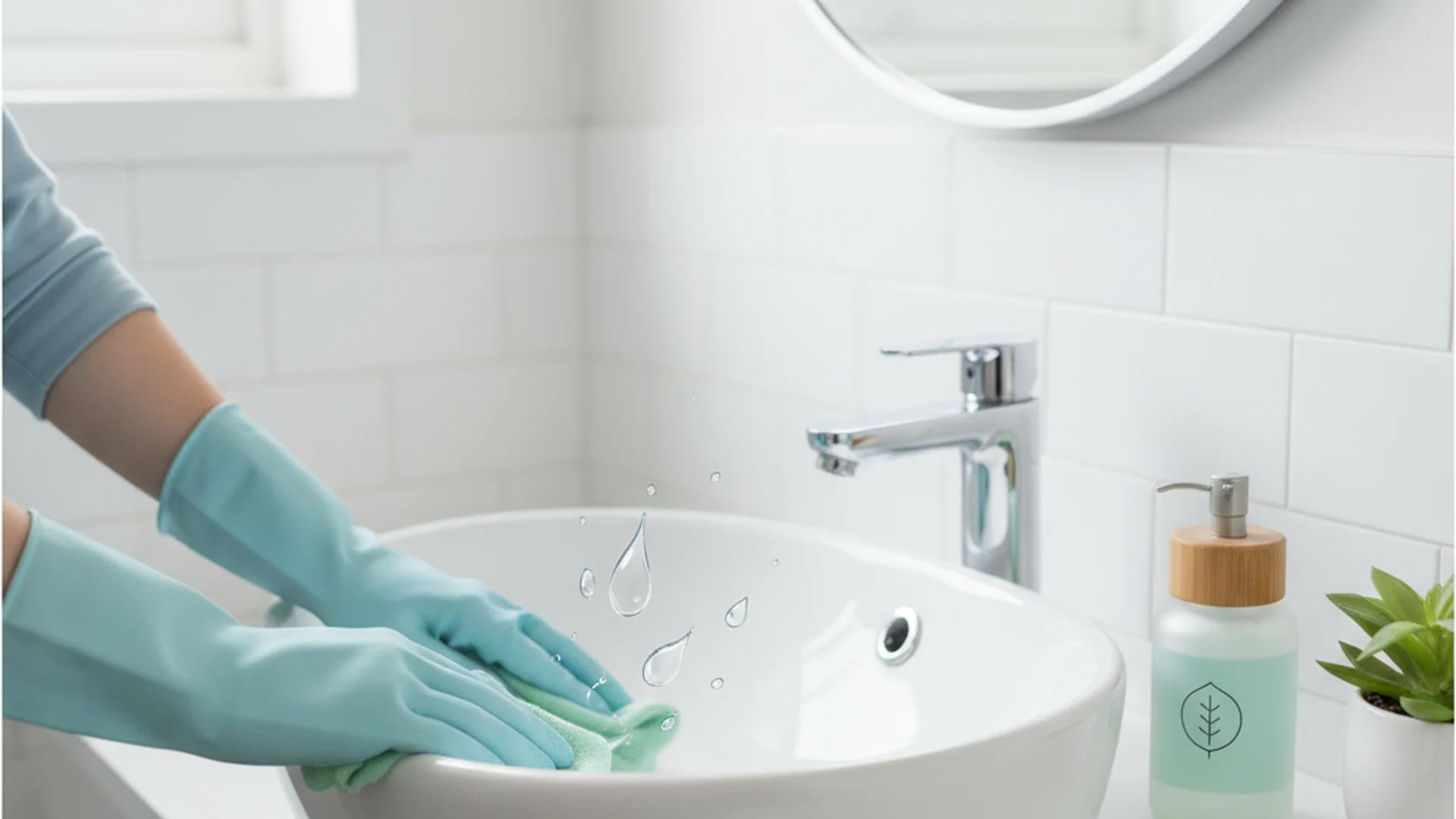
- Spray and Walk Away: Coat the shower, tub, and toilet in disinfectant.
- Mirrors and Chrome: While the heavy hitters work on the grime, polish the mirrors and faucets with a dry microfiber cloth and glass cleaner.
- The Final Wipe: By now, the soap scum has been loosened. Simply wipe down the surfaces and flush the toilet.
Note: Most disinfectants require 3-10 minutes of dwell time to actually sanitize a surface. Immediate wiping is essentially just moving dirt around.
Advanced Cleaning Tech and 2026 Trends
As we move into 2026, the "Clean-Calm" movement is transforming how we view chores. Cleaning is no longer just a task; it is being rebranded as a form of self-care. This shift is supported by several emerging technologies that make the 2-hour window even easier to hit.
AI-Enhanced Scheduling and Automation
Robotic vacuums are no longer "dumb" pucks hitting walls. Modern AI-integrated vacuums save households approximately 30 minutes of manual labor per day. By scheduling your robot to run in high-traffic zones (like the kitchen and entryway) an hour before your 2-hour sprint begins, you can effectively skip the "Floor Finale" for several rooms.
UV-C Sanitization
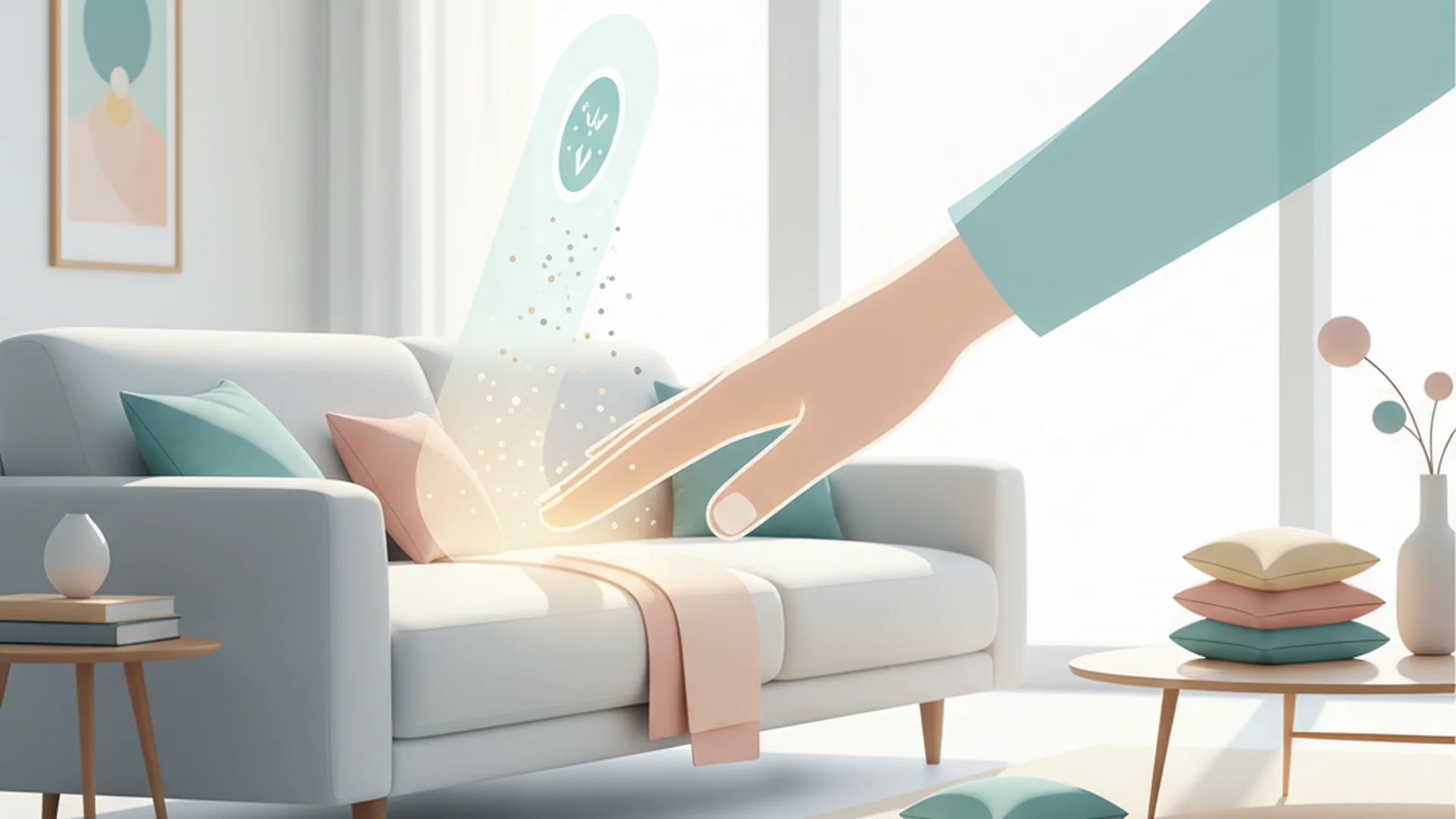
For high-touch electronics like remote controls, keyboards, and tablets, liquid cleaners can be risky. Professional-grade portable UV-C light wands are becoming a 2026 household staple, allowing you to "sweep" germs away in seconds without the need for drying time or chemical residue.
Eco-Concentrates and Tablet Refills
The trend toward sustainability has led to the rise of tablet-based cleaners. Instead of lugging heavy plastic bottles from the store, you simply drop a concentrate tablet into a reusable glass bottle. This saves storage space and ensures you never "run out" of cleaner in the middle of a 2-hour sprint.
Success: Using "Clean-Calm" techniques, such as playing a curated 120-minute playlist, can reduce the perceived effort of cleaning by up to 40%.
Common Mistakes to Avoid
Even with a checklist, it is easy to fall into traps that add an extra hour to your routine. Avoid these three common pitfalls:
- The "Deep Cleaning" Trap: If you find yourself scrubbing grout with a toothbrush or reorganizing your spice rack, stop immediately. These are "Deep Cleaning" tasks. A 2-hour clean is for maintenance. If a task takes more than 5 minutes, write it down for a future deep-cleaning day.
- Cleaning in Circles: Many people naturally wipe in a circular motion. Professionals avoid this because it redistributes dirt back onto the area you just cleaned. Use a "Z" or "S" pattern to pull the dirt off the surface and into the cloth.
- Walking Backwards: Always start cleaning at the point furthest from the exit. If you start at the door and work your way in, you will eventually have to walk across your freshly mopped or vacuumed floor to leave the room.
Frequently Asked Questions
Should I dust or vacuum first?
Is a wet or dry duster better for speed?
Can I actually clean a whole house in 2 hours?
What is the "Plug-Out" Trick?
Conclusion: The Mental Health Benefit of the Sprint
Learning how to clean house 2 hours is about more than just a tidy living room; it is about mental clarity. Studies have shown that living in a cluttered or dirty environment increases cortisol levels (the stress hormone). By mastering the 120-minute sprint, you remove the "guilt" of a messy home without losing your entire weekend to labor.
As we move into 2026, the integration of AI, sustainable concentrates, and high-efficiency tools like microfiber and UV-C will only make this process faster. Start today by gathering your supplies in a portable caddy and setting a timer. You'll be surprised at how much you can achieve when you stop cleaning harder and start cleaning smarter.
Success: A clean home in 2 hours provides a sense of accomplishment that boosts productivity for the rest of your week.
Cleaning that keeps score
Every task earns points, every streak multiplies them, and Premium adds a household leaderboard plus a monthly Dustagorgon to beat.
- Free forever
- 30 badges to earn
- Up to 6 in a household
No card needed. Set up your rooms in a couple of minutes.