In this article
What you’ll learn
- Adopt the top-to-bottom, left-to-right rule to avoid cleaning the same spot twice.
- Utilize 'dwell time' for cleaners to eliminate the need for heavy scrubbing.
- Integrate AI-driven tools and micro-rotations to maintain a 2026-standard home.
In the fast-paced world of 2025 and 2026, finding hours to dedicate to household chores is becoming a luxury few can afford. Gone are the days when speed cleaning was merely an "emergency" tactic for when the doorbell rang unexpectedly. Today, mastering effective speed cleaning tips has evolved into a strategic lifestyle choice for busy households. Whether you are balancing a remote career or managing a bustling family, learning how to maintain a high level of hygiene in a fraction of the time is essential for your mental and physical well-being.
The Evolution of Speed Cleaning in 2025
Housework still swallows a significant slice of the average week—hours that most people would rather spend elsewhere. There is also a distinct generational shift occurring: younger households tend to clean common areas like living rooms and bedrooms far more frequently than their parents did. This increased focus on hygiene, driven by a post-pandemic awareness of indoor air quality, has created a massive demand for the fastest speed cleaning tips that don’t compromise on results.
By adopting a "pro" mindset, you can reduce your cleaning time by half.
Core Principles: The Foundation of Fast Cleaning
Before you pick up a spray bottle, you need a strategy. Professional cleaners don't just move faster; they move smarter.
The "Top-to-Bottom, Left-to-Right" Rule
This is the golden rule of efficiency. Always start at the highest point in a room—think ceiling fans, tops of bookshelves, or crown molding—and work your way down. As gravity pulls dust and debris toward the floor, you’ll catch it as you move lower. By moving clockwise or counter-clockwise around the room (left-to-right), you ensure that you never "touch" a surface twice, preventing wasted motion.
The S-Pattern Technique
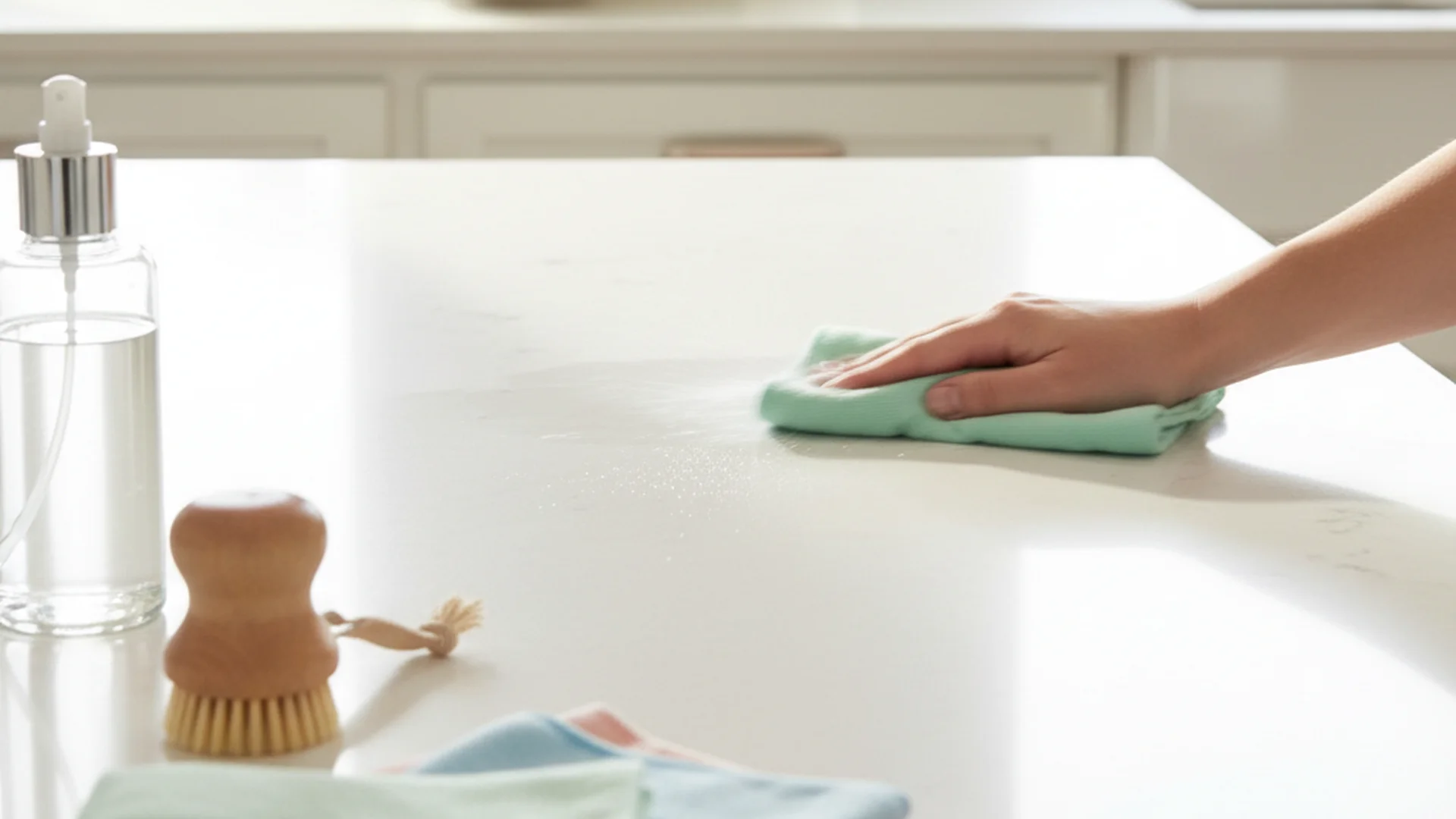
Many people instinctively wipe in circular motions. The problem is that circular wiping simply moves dirt back into the area you just cleaned. Instead, use the S-pattern: start at the top left, wipe across to the right, then swoop down and back to the left in a continuous "S" shape. This effectively traps and removes debris in one pass.
Tip: Use microfiber cloths for the S-pattern technique. They are a professional cleaner's favourite tool for improving speed because they trap particles rather than spreading them.
The 1-Hour Whole House Strategy
Can you really clean an entire house in just 60 minutes? The answer is yes, provided you use a "zoning" strategy. This involves breaking the house into high-impact zones and performing 10–15 minute "blitzes" in each.
Phase 1: The Spray-Down (5 Minutes)
Walk through the kitchen and bathrooms. Spray all high-touch surfaces (sinks, counters, toilets) with an all-purpose cleaner. Do not wipe yet.
Phase 2: The Two-Basket Method (10 Minutes)
Carry two baskets with you: a "Keep" basket and a "Relocate" basket. As you move through the living areas, quickly toss items that don’t belong in that room into the relocate basket. Items that are pure clutter go into the keep (trash/donate) basket. You will deal with these at the very end.
Phase 3: The Room Blitz (30 Minutes)
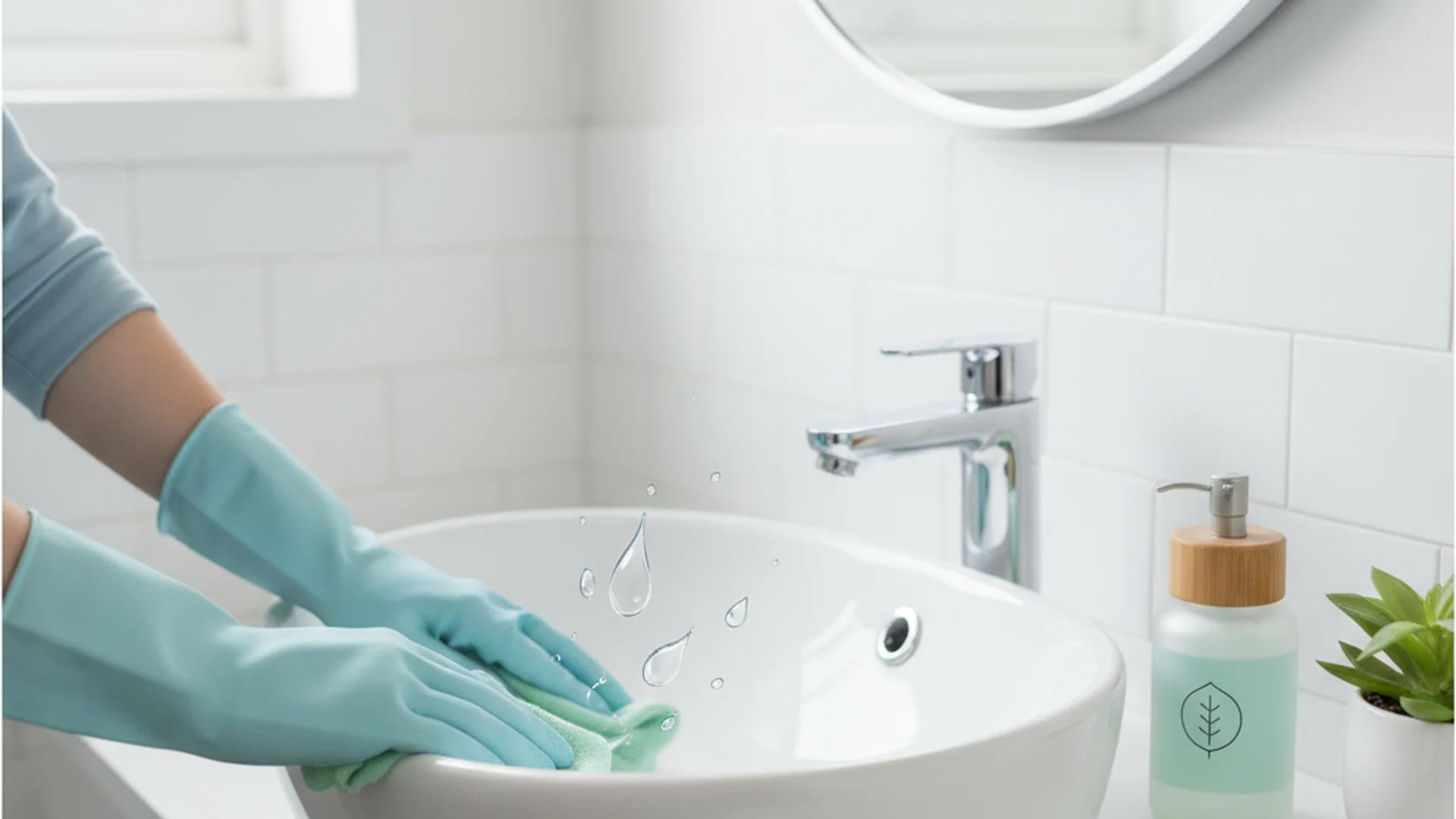
- Bathrooms (10 min): Since the cleaner has been sitting, grime will wipe away instantly. Focus on the mirror, the sink, and the toilet.
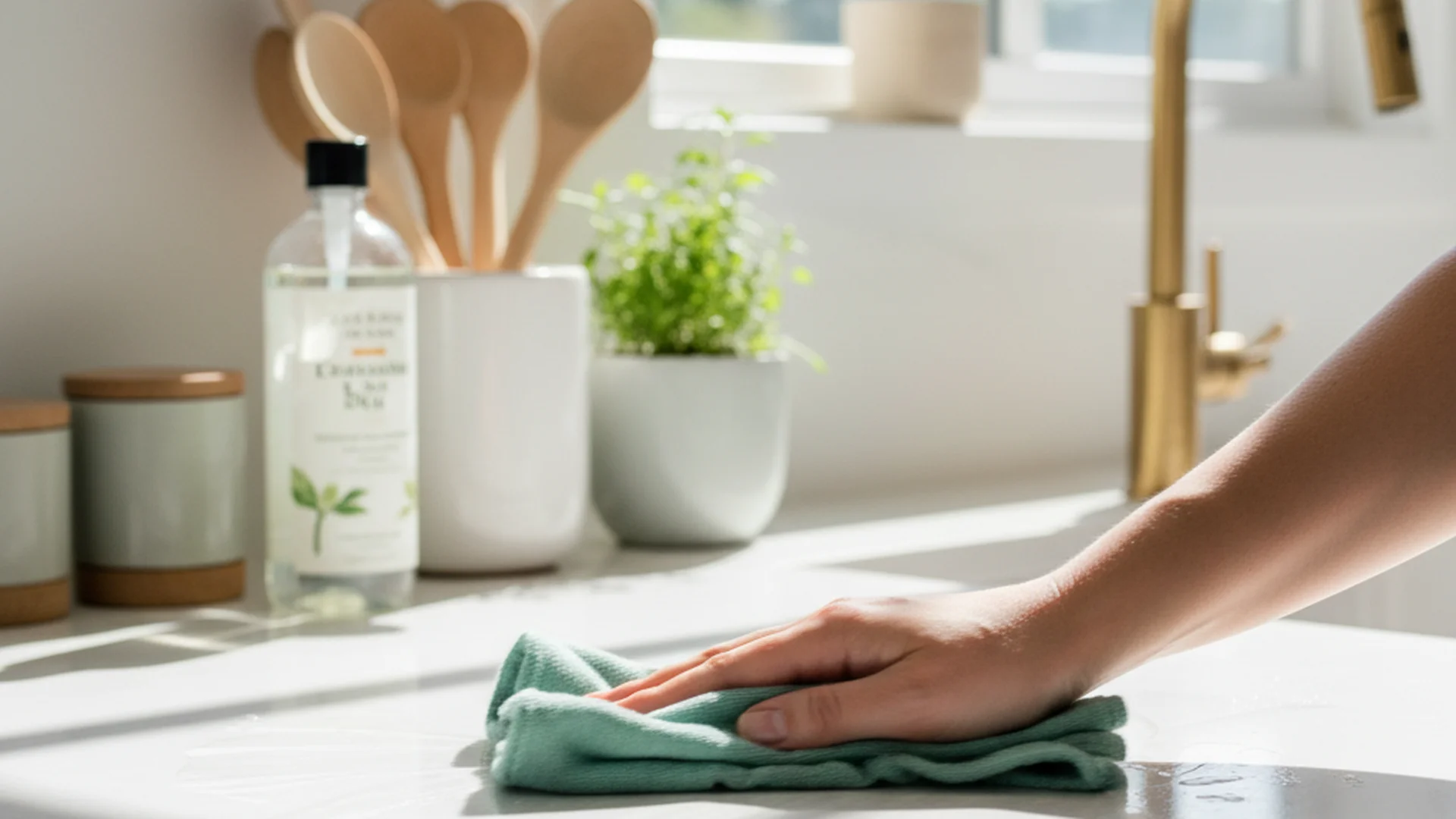
- Kitchen (10 min): Wipe down the pre-sprayed counters. Load the dishwasher and clear the sink.
- Living/Bedrooms (10 min): Use a damp microfiber cloth to dust surfaces and straighten pillows or linens.
Phase 4: The Floor Finale (15 Minutes)
Save all floor maintenance for the final step. Vacuuming or mopping as you go creates "wasted motion." Do the entire house’s floors at once to maintain a high-speed rhythm.
| Tool Type | Time Saved (Per Session) | 2026 Trend Status |
|---|---|---|
| AI Robotic Vacuum | 30 Minutes | High Adoption |
| Microfiber Cloths | 15 Minutes | Industry Standard |
| Cleaning Caddy | 10 Minutes | Essential |
| Smart Mops | 10 Minutes | Emerging |
Essential Tools and Technology for 2026
The cleaning landscape is changing rapidly with the integration of smart technology. AI-driven maintenance is no longer a luxury. Modern smart mops and vacuums now feature sensors that detect floor types and soil levels, adjusting water flow and suction in real-time. These automated tools are becoming a fixture in more and more homes.
Note: The air inside a closed-up home is often more polluted than the air outside. Using a vacuum with a HEPA filter is a critical "speed" tip because it prevents fine dust from blowing back into the air, meaning you have to dust less frequently.
The Power of the Cleaning Caddy
One of the fastest speed cleaning tips is to stop walking. Professional cleaners wear aprons or carry portable caddies. If you have to walk to the laundry room every time you need a glass cleaner, you are losing valuable minutes. Keep all your "double-duty" or multi-purpose cleaners in one mobile container.
Common Mistakes to Avoid
Even the fastest cleaner can be sidelined by these common errors. To maintain a truly efficient routine, avoid these pitfalls:
- Overusing Product: There is a common myth that "more chemical equals more clean." In reality, using too much detergent leaves a sticky residue that attracts more dirt, making the surface look dull faster.
- Rushing Dwell Time: This is the #1 mistake. Most disinfectants require 1–2 minutes of contact time to actually kill germs. If you spray and wipe immediately, you aren't disinfecting; you're just moving moisture around.
- Dry Dusting: Using a dry cloth to dust simply launches particles into the air, where they will settle back down on the surface you just cleaned 20 minutes later. Always use a damp cloth or a specialized duster that "traps" debris.
- Using Dirty Tools: Cleaning with a dirty sponge or a vacuum with a full bag is counterproductive. It spreads bacteria and reduces suction, forcing you to work twice as hard.
Warning: Never mix different cleaning chemicals, especially bleach and ammonia-based products, as this can create toxic fumes.
Real-World Speed Cleaning Examples
Example 1: The 10-Minute Morning Kitchen Reset
Before leaving for work, spray the sink and counters. While the "dwell time" passes, empty the dishwasher. Wipe the counters in an S-pattern, and do a quick 2-minute sweep. This prevents grease and grime from hardening, which would require a "deep clean" later.
Example 2: The "Micro-Rotation" Strategy
In 2026, the trend is moving away from a massive "Spring Clean" toward Micro-Rotations. This means adding one deep-clean task—like wiping down baseboards in just one room—to your 10-minute daily speed-clean routine. By the end of the month, your entire house has been deep-cleaned without a dedicated weekend of labor.
Example 3: The Unexpected Guest Blitz
Focus only on the "guest path": the entryway, the guest bathroom, and the kitchen island. Ignore the bedrooms and laundry room. Light a candle to provide a "sensory clean" while you quickly tuck clutter into your relocate basket.
Speed Cleaning Tips Checklist
To help you stay on track, use this speed cleaning tips checklist for your next session:
- Gather Supplies: Ensure your caddy is stocked with multi-purpose cleaner, microfiber cloths, and a glass cleaner.
- Set a Timer: Give yourself 10–15 minutes per zone to prevent "cleaning creep."
- Clear Surfaces: Use the "Two-Basket Method" to remove clutter first.
- Top-to-Bottom Dusting: Start high, end low.
- Apply Dwell Time: Spray bathrooms and kitchen sinks first.
- S-Pattern Wipe: Clean all hard surfaces using the S-motion.
- Floor Sweep/Vacuum: Finish with the floors across the entire house.
- Empty Trash: Do a final sweep of all wastebins.
Frequently Asked Questions
What is the difference between speed cleaning and deep cleaning?
Can you really clean a whole house in 1 hour?
Do I need different chemicals for every room?
How often should I perform a speed clean?
Conclusion
Mastering speed cleaning tips is about more than just a tidy house; it's about reclaiming your time. By implementing the top-to-bottom rule, respecting dwell times, and utilizing the latest 2026 technology like AI-driven vacuums, you can maintain a pristine environment without it becoming a second job. Remember, consistency is the enemy of the deep clean—by spending a few minutes each day on micro-rotations and smart "blitzes," you’ll keep your home guest-ready at all times.
Success: By adopting these professional techniques, you can reduce your weekly cleaning time by up to 3 hours, giving you more time for what truly matters.
CTA: Ready to Start? | Download our comprehensive 2026 Speed Cleaning Checklist and transform your home today. | Get the Checklist | /resources/speed-cleaning-checklist
Cleaning that keeps score
Every task earns points, every streak multiplies them, and Premium adds a household leaderboard plus a monthly Dustagorgon to beat.
- Free forever
- 30 badges to earn
- Up to 6 in a household
No card needed. Set up your rooms in a couple of minutes.