In this article
What you’ll learn
- Use the SORT framework to categorize and declutter sentimental items.
- Maintain archival standards (68-72°F) to prevent physical deterioration.
- Adopt "Phygital" archiving to bridge the gap between physical and digital collections.
We all have them: the boxes tucked away in the attic, the overflowing drawers of ticket stubs, and the "special" items we can’t quite bring ourselves to toss. Learning how to organize memorabilia is one of the most challenging tasks in home organization because these items aren't just objects—they are physical manifestations of our history, grief, and joy.
Whether you are managing a massive collection of trading cards or simply trying to pare down three decades of family photos, finding the best way to organize memorabilia is essential for both your mental clarity and the long-term protection of your legacy.
The Psychology of the "Keep"
Approximately 1 in 4 Americans struggle with home clutter. Professional organizers often find that memorabilia is the hardest category to tackle because it is tied to nostalgia and obligation rather than utility. Unlike a kitchen drawer or a linen closet, you can’t simply ask "Does this work?" Instead, you must ask "What does this mean?"
To break the "analysis paralysis" that often comes with sentimental items, I recommend conducting an "Internal Audit" using these five expert questions:
- "If this item were lost in a fire, how long would it take me to notice?" If the answer is "months" or "years," it likely isn't as vital as you think.
- "Am I keeping this out of obligation or guilt?" Your home is not a storage unit for someone else’s sentiment. If a gift doesn't bring you joy, it’s okay to let it go.
- "Can the memory be retained without the physical object?" A high-quality photo of a large trophy often sparks the same joy as the trophy itself, without taking up shelf space.
- "Would my children or heirs actually want this?" Experts warn that heirs often feel burdened by "legacy clutter."
- "Does this item help me live the life I want to live in 10 years?" Memorabilia should reflect your history, not weigh down your future.
Tip: Start with your least emotional items (like old concert tickets) to build "decision-making muscles" before moving to high-emotion items like wedding dresses or bereavement keepsakes.
The SORT Framework for Memorabilia
When looking for organize memorabilia ideas, it helps to have a repeatable system. I use the SORT framework with my clients to ensure nothing is missed and the process remains manageable.
S: Sort by Type or Event
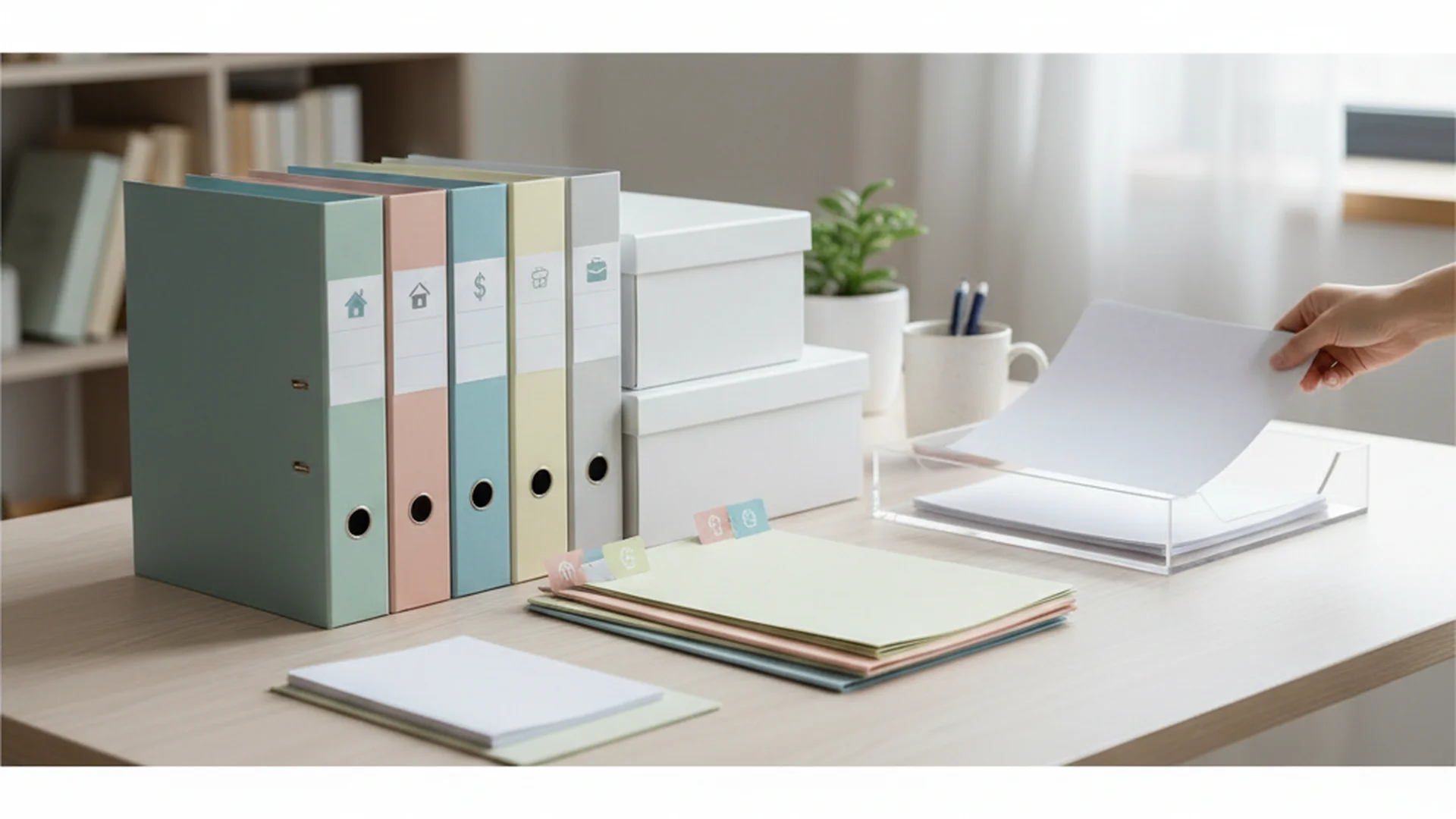
Don't try to organize your entire life at once. Group items into logical "buckets." You might group by person (e.g., "Child 1"), by event ("Wedding 2010"), or by category ("Letters and Correspondence"). Sorting first allows you to see the sheer volume of what you have, which often makes the decluttering process easier.
O: Optimize Space
Use "the bin rule." Decide exactly how much physical space you are willing to dedicate to your past—perhaps three large archival bins. Once those bins are full, you must adopt a "one in, one out" policy. This forces you to keep only the "Best of the Best."
R: Repurpose
Some of the most successful organize memorabilia ideas involve taking items out of boxes and putting them into your life.
- Example 1: Turn a collection of old varsity jerseys or baby clothes into a "memory quilt."
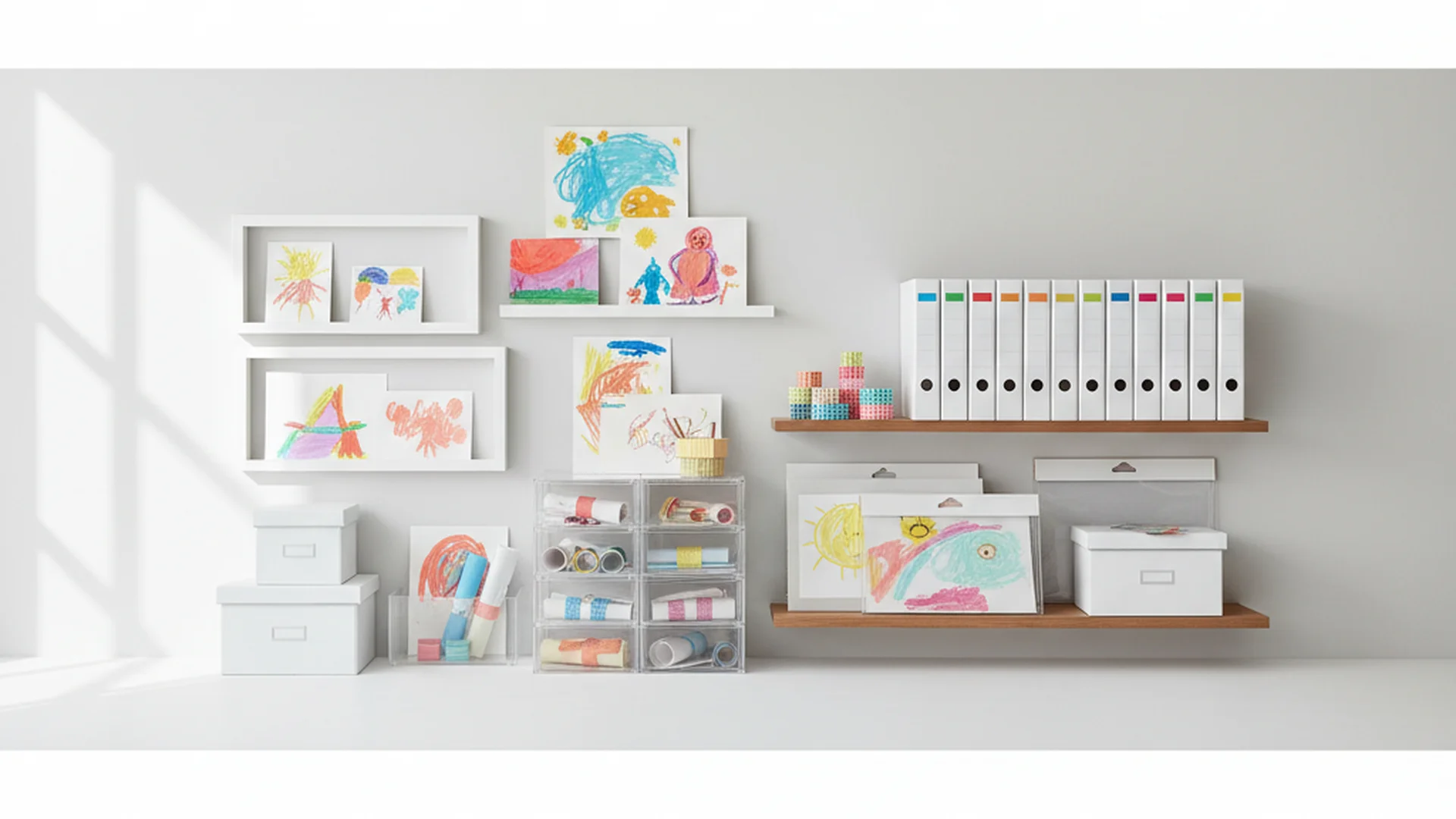
- Example 2: Take a vintage map from a family road trip and have it professionally framed as focal point wall art.
T: Tag and Label
A box without a label is just "mystery clutter." Use clear, archival-safe labels. Include dates, names of people in photos, and a brief sentence about why the item was kept. In 50 years, your descendants will thank you for the context.
Success: Using the SORT framework helps collectors report up to 50% more enjoyment of their hobby by making items accessible rather than buried.
The Archival Gold Standard: Protection and Preservation
Once you have decided what to keep, you must ensure it survives. Whether you are protecting trading cards (where an "organized" PSA 10 grade can boost value by 90%) or family letters, the environment is your biggest enemy.
Climate Control
The "danger zone" for memorabilia is any area with high temperature swings. Avoid attics and basements.
- Temperature: Maintain a stable environment between 68°F and 72°F.
- Humidity: Keep levels between 30% and 50%. High humidity breeds mold, while low humidity makes paper and silk brittle.
Materials Matter
Never use standard cardboard boxes. They contain acids and lignin that will turn your precious photos yellow and brittle.
- Acid-Free Boxes: Only use boxes labeled "Archival" or "Acid-Free/Lignin-Free."
- UV Protection: If you are displaying items, use UV-filtering glass. Even indirect sunlight can fade a signature or a fabric in as little as six months.
| Material Type | Recommended Storage | Avoid at All Costs |
|---|---|---|
| Photographs | Acid-free sleeves | PVC "magnetic" albums |
| Textiles | Acid-free tissue | Plastic dry-cleaner bags |
| Documents | Flat archival boxes | Metal paperclips/Staples |
| Trading Cards | Top loaders/Slabs | Rubber bands |
Warning: Never use standard Scotch tape or "magic" tape on memorabilia. The adhesive eventually fails and leaves a permanent, oily stain that ruins the item’s value and integrity.
2026 Trends: The Future of Remembering
As we move into 2026, the way we organize our history is changing. The "stark minimalism" of the early 2020s is being replaced by more intentional, tech-forward approaches.
"Phygital" Archiving and AI
One of the most exciting trends is the blending of physical and digital items. Collectors are now using QR codes attached to physical storage boxes. When scanned, these codes link to a digital gallery of every item inside that box. AI-powered apps now allow for "bulk scanning," where the software automatically identifies faces, dates, and even the "estimated value" of collectibles, creating a searchable digital twin of your physical collection.
"Grandmacore" Intentionality
While we are using more tech, we are also embracing "Grandmacore." This trend involves displaying vintage, sentimental items—like a grandmother’s clock or old mismatched dishware—as functional home decor. Instead of hiding these items in a box, we are integrating them into our daily lives.
Sustainable Mycelium Storage
Eco-friendly storage is a major priority for 2026. Many collectors are moving away from heavy plastic bins in favor of mycelium-based boxes. These are grown from mushroom fibers, are naturally fire-resistant, and are completely biodegradable, offering a sustainable way to protect the past.
Note: "Phygital" archiving is particularly useful for large collections like trading cards, where there are an estimated 420 million collectors globally.
Common Mistakes to Avoid
In my years as a professional cleaning consultant, I’ve seen the same errors repeated. Avoid these to protect your items:
- The "Everything is Special" Trap: If everything is a keepsake, then nothing is. A single, high-quality item (like one favorite baby outfit) is far more powerful than a bin of 20 mediocre ones.
- Storing "for the Kids" Without Asking: This is the #1 mistake parents make. Many children do not want the physical "legacy clutter." Have a "Show and Tell" session now to see what they actually value.
- The "Later" Procrastination: Don't wait for a move or a death in the family. Organize in "emotional seasons"—times when you have the mental energy to process the memories.
- Using PVC-Based Plastics: Many cheap plastic sleeves release gases that permanently bond to photos and documents, essentially melting them over time. Always look for "PVC-free" or "Polypropylene" labels.
Frequently Asked Questions
What is the best way to organize memorabilia from my kids' school years?
How do I store old newspapers or magazine clippings?
Can I store memorabilia in a self-storage unit?
How do I handle large, bulky items like wedding dresses or sports equipment?
Conclusion
Organizing memorabilia is a journey through your own history. It requires a balance of archival science and emotional honesty. By using the SORT framework and maintaining strict climate standards, you ensure that your most cherished memories remain pristine for the next generation. Remember, the goal of organization isn't to get rid of your past—it's to curate it so that your most meaningful moments have the room they deserve to shine.
Success: By following these archival and organizational steps, you are transforming a "clutter problem" into a curated family museum that provides joy rather than stress.
Cleaning that keeps score
Every task earns points, every streak multiplies them, and Premium adds a household leaderboard plus a monthly Dustagorgon to beat.
- Free forever
- 30 badges to earn
- Up to 6 in a household
No card needed. Set up your rooms in a couple of minutes.