In this article
What you’ll learn
- Implement a 'Holding Zone' to prevent daily decision fatigue.
- Transition to digital archives for 3D and high-volume sketches.
- Use front-opening frames to rotate displays without clutter.
Every parent knows the feeling: your child walks through the front door with a beaming smile and a fistful of fresh masterpieces. While these creative expressions are precious, the volume can be staggering. A single child can produce an astonishing amount of art and craft before the age of 12. If you are wondering how to organize kids artwork without losing your mind—or your dining room table—you aren't alone. Between the many parents who proudly use their fridge as a gallery and the growing trend of digital preservation, finding a balance between sentimentality and space is the ultimate home organization challenge.
The Emotional Struggle of "Masterpiece Mountain"
The biggest hurdle in learning the best way to organize kids artwork isn't actually the filing—it’s the guilt. We feel like discarding a doodle is discarding a memory. However, the "Everything is Precious" fallacy actually dilutes the value of your child's truly special work. If every single worksheet is a treasure, then nothing is.
Current trends for 2025 and 2026 show a shift toward "Warm Minimalism," where families choose one or two standout pieces to display prominently rather than a cluttered wall of twenty. By curating intentionally, you ensure that the "best of" pieces get the spotlight they deserve.
Tip: Start by acknowledging that the process of creating is often more important for the child's development than the final product itself.
The Three-Step Curation Process
To master organize kids artwork ideas, you need a system that filters the influx of paper before it becomes a permanent pile.
Step 1: The "Holding Zone" System
Don't make a "keep or toss" decision the second your child hands you a drawing. Create a dedicated "Incoming" drawer or a stylish bin in a high-traffic area.
Example 1: The Jackson family uses a decorative wicker basket on their entryway console. All school papers and art go there immediately. They don't look at it again until the last Sunday of every month. This "cooling off" period helps remove the immediate emotional attachment to every scribble.
Step 2: The Seasonal Sort
Every three to four months, empty the holding bin. This is the time to be ruthless but fair. Sort the items into three piles:
- The Absolute Favorites: Pieces that show significant developmental milestones or unique creativity.
- The Digital Candidates: Great art that takes up too much space (like 3D items).
- The Recycle Bin: Generic coloring pages, worksheets, and "scribble" practice.
Warning: Avoid the "Secret Toss" whenever possible. Throwing away art behind a child's back can cause distrust. Instead, involve them in the "Graduation Purge" at the end of the school year.
Step 3: The Final Archive
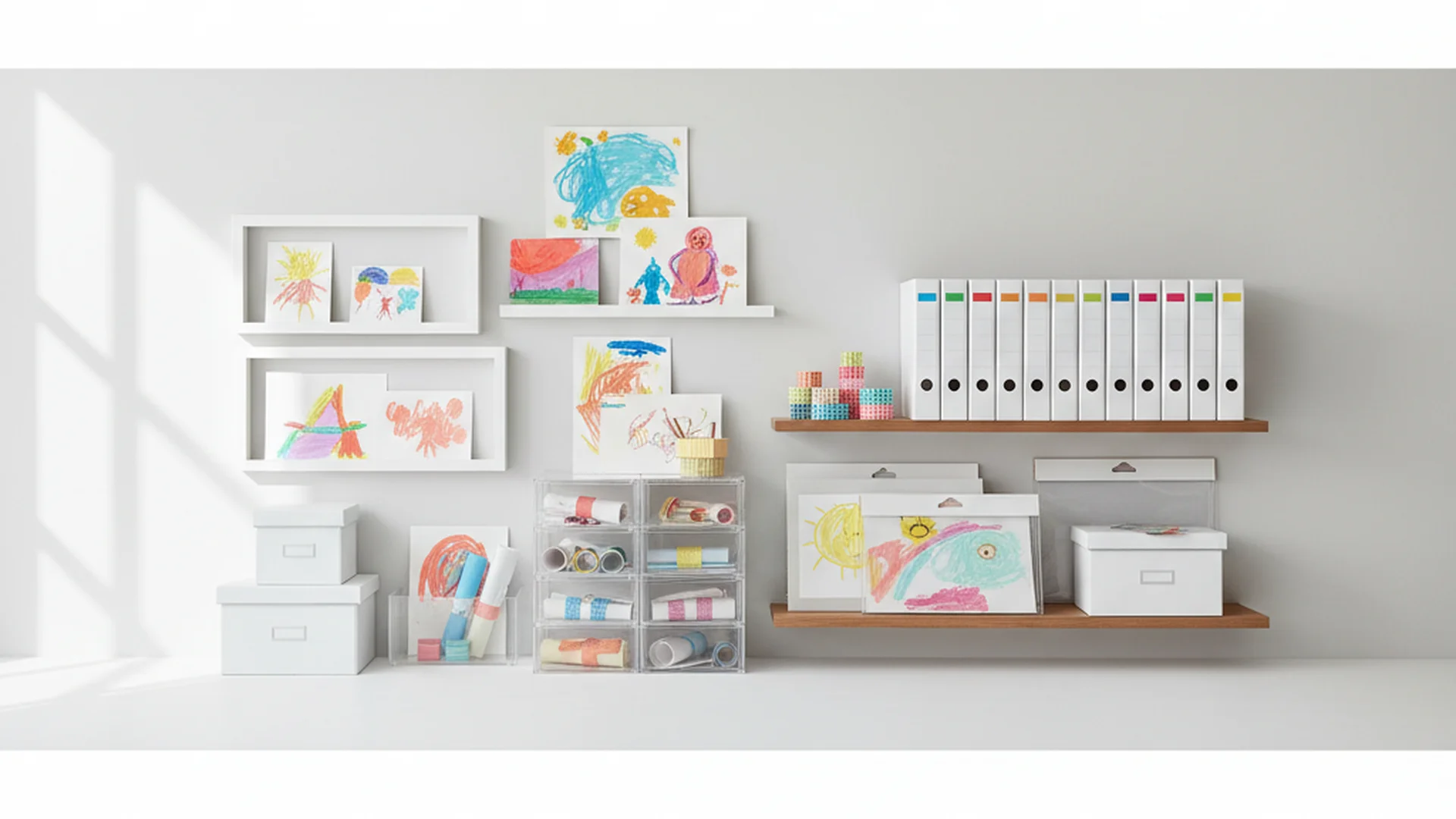
Once you have your "Absolute Favorites," they move to their permanent home. For most parents, this means an acid-free archival box or a structured portfolio.
Smart Physical Storage Solutions
When it comes to the best way to organize kids artwork physically, accessibility and protection are key.
The Portfolio Method
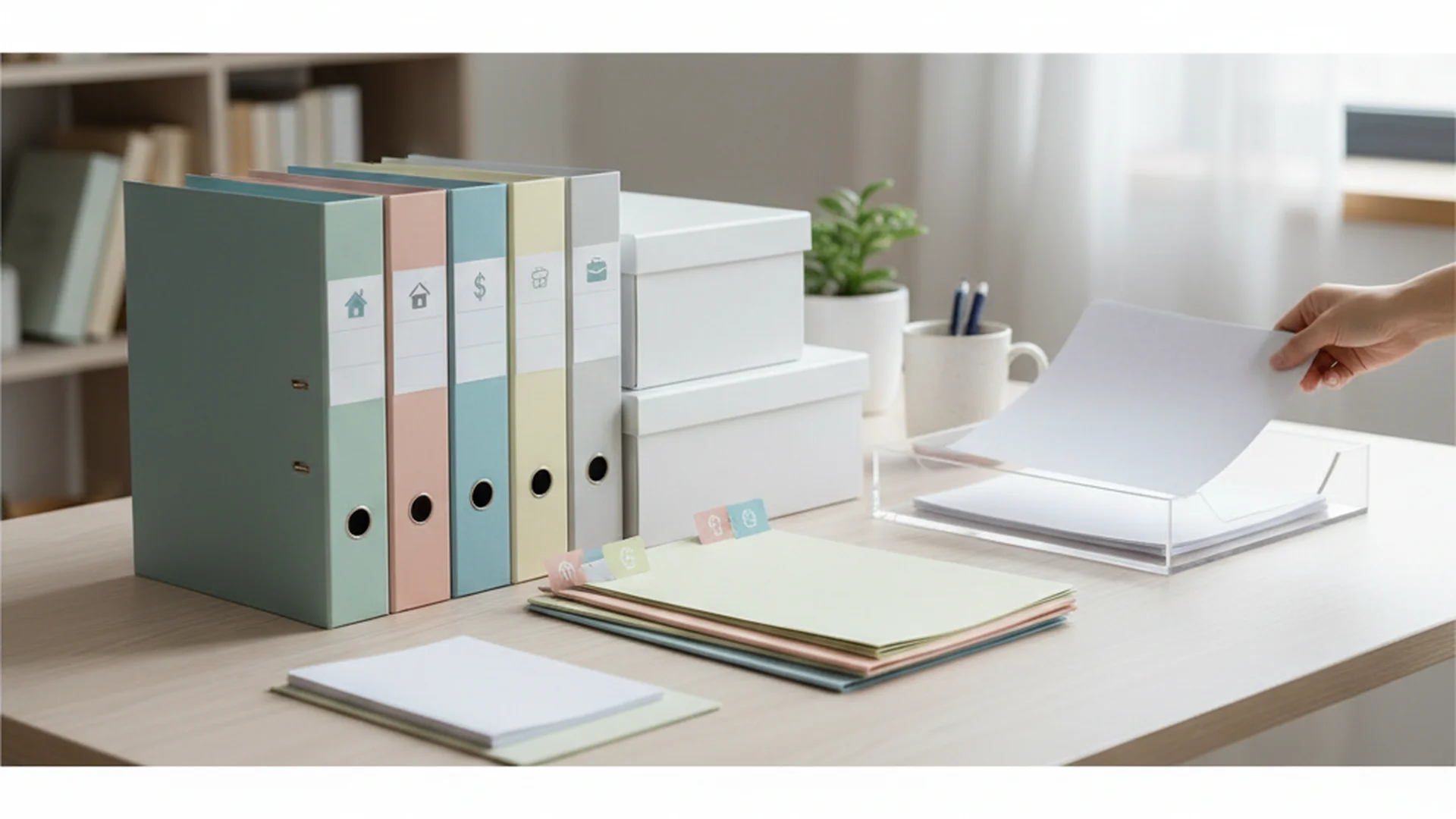
Use an accordion folder with 13 pockets—one for every year from Preschool through 12th grade. Limit yourself to 3–5 "Best Of" pieces per year. This constraint forces you to keep only the highest quality work, ensuring the folder doesn't overfill by the time they reach high school.
Storage Frames
Front-opening storage frames (such as Lil' Davinci) have become a staple in modern homes. These frames look like high-end decor but function like a filing cabinet, holding up to 100 sheets of art behind the glass. When your child brings home something new, you simply pop the front open and place the new piece on top of the old ones.
| Storage Method | Best For | Capacity |
|---|---|---|
| Accordion File | Long-term archiving | 50-100 pieces |
| Storage Frames | Active display | 50-150 sheets |
| Archival Boxes | 3D projects / Canvas | Varies |
| Digital Frames | High volume / 2026 Tech | Thousands |
Note: Always write the date and a one-sentence description on the back of the art. A "scribble" today becomes "The first time Leo drew a cat" when you look back five years later.
The Digital Revolution: 2025-2026 Trends
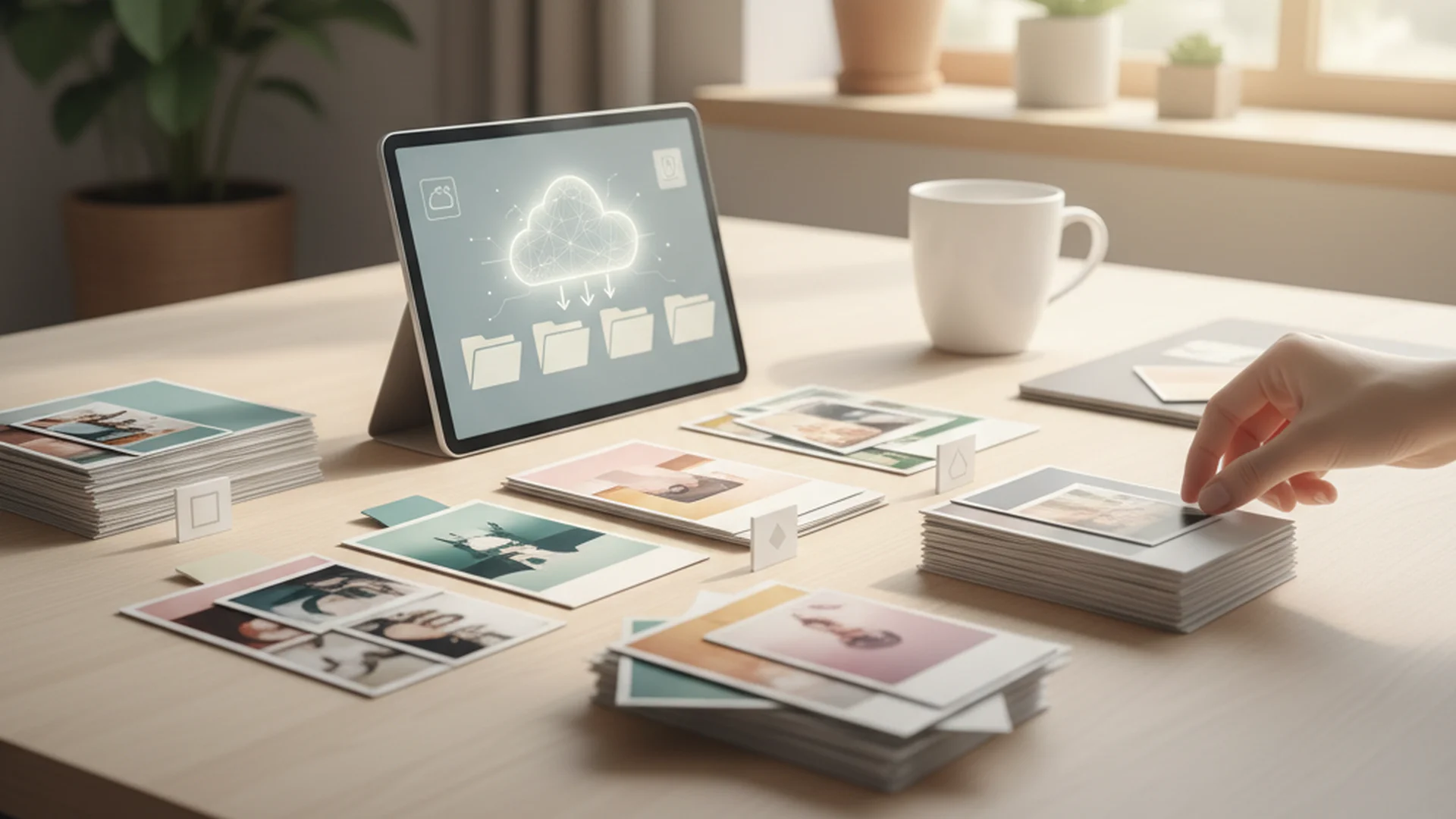
Plenty of parents have now transitioned to a "Digital-First" mindset. With the rise of AI and high-resolution scanning, digitizing your child's portfolio has never been easier.
AI-Enhanced Digitization
New apps launched in 2025, such as ArtShow, use AI to automatically detect the edges of a drawing, remove messy backgrounds (like the kitchen counter it’s sitting on), and enhance the colors. This makes a simple photo of a painting look like a professional digital scan.
The "Voice-Over" Archive
A rising trend in 2026 is using apps like Keepy to create a multi-sensory archive. You take a photo of the art, and then record your child explaining what they drew. Hearing their little 4-year-old voice describe a "spaceship-dragon" adds a layer of nostalgia that a physical piece of paper simply cannot match.
Digital Rotating Frames
Rather than dedicated wall space for physical frames, many families are opting for high-resolution digital frames like Meural or Aura. You can upload hundreds of scanned drawings, allowing them to cycle through in a beautiful, high-definition slideshow.
Success: Digitizing allows you to keep the memory without the physical clutter, making it the perfect solution for small-space living.
Dealing with 3D and Oversized Art
Large dioramas, clay sculptures, and massive cardboard structures are the hardest items to organize. They are fragile, dust-gathering, and take up significant square footage.
Example 2: When 7-year-old Maya built a 3-foot tall Taj Mahal out of sugar cubes, her parents knew they couldn't keep it forever. They took a high-quality "portrait" photo of Maya standing next to her creation. They printed the photo for her album and then recycled the sculpture. Maya felt proud of the "professional" photo, and the kitchen island was cleared.
Recommendation: For 3D projects, use the "Photo & Recycle" method. If the piece is truly exceptional, consider a dedicated shadow box, but limit these to one per child per year.
Common Mistakes to Avoid
- Storing in Damp Areas: Never store paper art in non-archival plastic bins in hot attics or damp basements. Over time, acidic paper will yellow, and drawings will stick together. Use acid-free archival boxes for pieces you intend to keep for 20+ years.
- Over-Complicating the System: If your system requires a high-end flatbed scanner and two hours of Photoshop, you won't do it. The best system is the one you actually use—often just a quick, well-lit photo on your smartphone.
- The "Guilt Keep": Keeping art because you feel you should, rather than because it brings joy. If you don't like it and your child doesn't care about it, let it go.
Example 3: A client once kept every single math worksheet from her son's 2nd-grade year because he got "A's" on all of them. Twenty years later, she realized they were just taking up space in a garage. We replaced the 200 worksheets with a single photo of his report card and one "perfect" test.
Frequently Asked Questions
How do I decide what to keep and what to toss?
Should I involve my child in the purging process?
What is the best way to display art without it looking cluttered?
Are there services that turn art into books?
Conclusion
Organizing your child’s artwork is a journey of celebrating their growth while maintaining the sanity of your home environment. By implementing a "Holding Zone," embracing the digital tools of 2026, and involving your children in the curation process, you transform a chaotic pile of paper into a curated gallery of memories. Remember, the goal isn't to save every stroke of a crayon, but to preserve the spark of creativity that makes your child unique.
Success: Following this structured approach will clear out the bulk of your paper clutter while ensuring your child's most precious milestones are protected for decades to face.
Cleaning that keeps score
Every task earns points, every streak multiplies them, and Premium adds a household leaderboard plus a monthly Dustagorgon to beat.
- Free forever
- 30 badges to earn
- Up to 6 in a household
No card needed. Set up your rooms in a couple of minutes.