In this article
What you’ll learn
- Prioritize vertical vacancy by utilizing wall space above eye level.
- Follow the 60/40 rule to balance hidden and open storage.
- Declutter first to avoid the 'container first' trap.
Living in a compact home is no longer just a necessity—it is a global movement. As of 2025, the average size of new apartments in the United States has hit a decade-low of 908 square feet. In high-demand hubs like Seattle or New York, residents are often thriving in spaces as small as 645 square feet. While the footprint is shrinking, our need for functionality is not. Finding effective storage solutions small spaces requires a blend of architectural strategy, multi-functional furniture, and a shift in mindset from "how much can I fit?" to "how can I maximize every inch?"
In this guide, we will explore the 2026 approach to organization, moving beyond basic bins to embrace high-tech integrations, warm minimalism, and clever DIY hacks that turn cramped quarters into curated sanctuaries.
The Golden Rules of Small-Space Organization
Before you purchase a single basket or drill a hole in the wall, you must understand the foundational principles of modern organization. In 2026, the industry has shifted away from simply "hiding" clutter and toward a sustainable, modular lifestyle.
The "Declutter First, Buy Second" Mandate
One of the most common mistakes homeowners make is buying beautiful containers before they have assessed their actual needs. This is known as the "Container First" trap. Experts suggest a strict "One In, One Out" policy. If you bring a new kitchen appliance into a 900-square-foot apartment, an older or less-used item must be donated or sold.
Tip: Use a "Trial Purge" box. If you aren't sure about an item, put it in a box for 30 days. If you don't reach for it once, it’s time to let it go.
Vertical Vacancy Checks
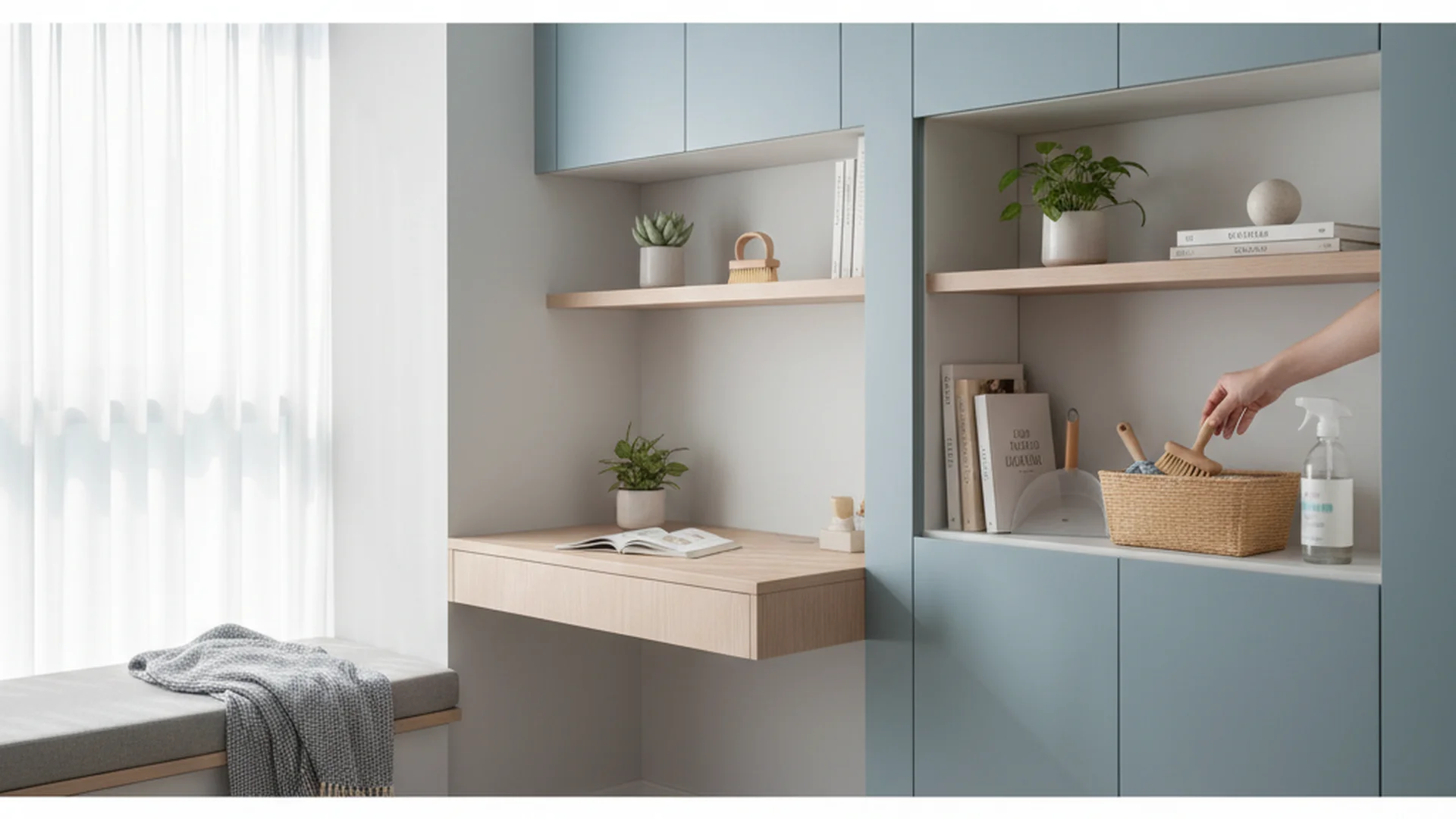
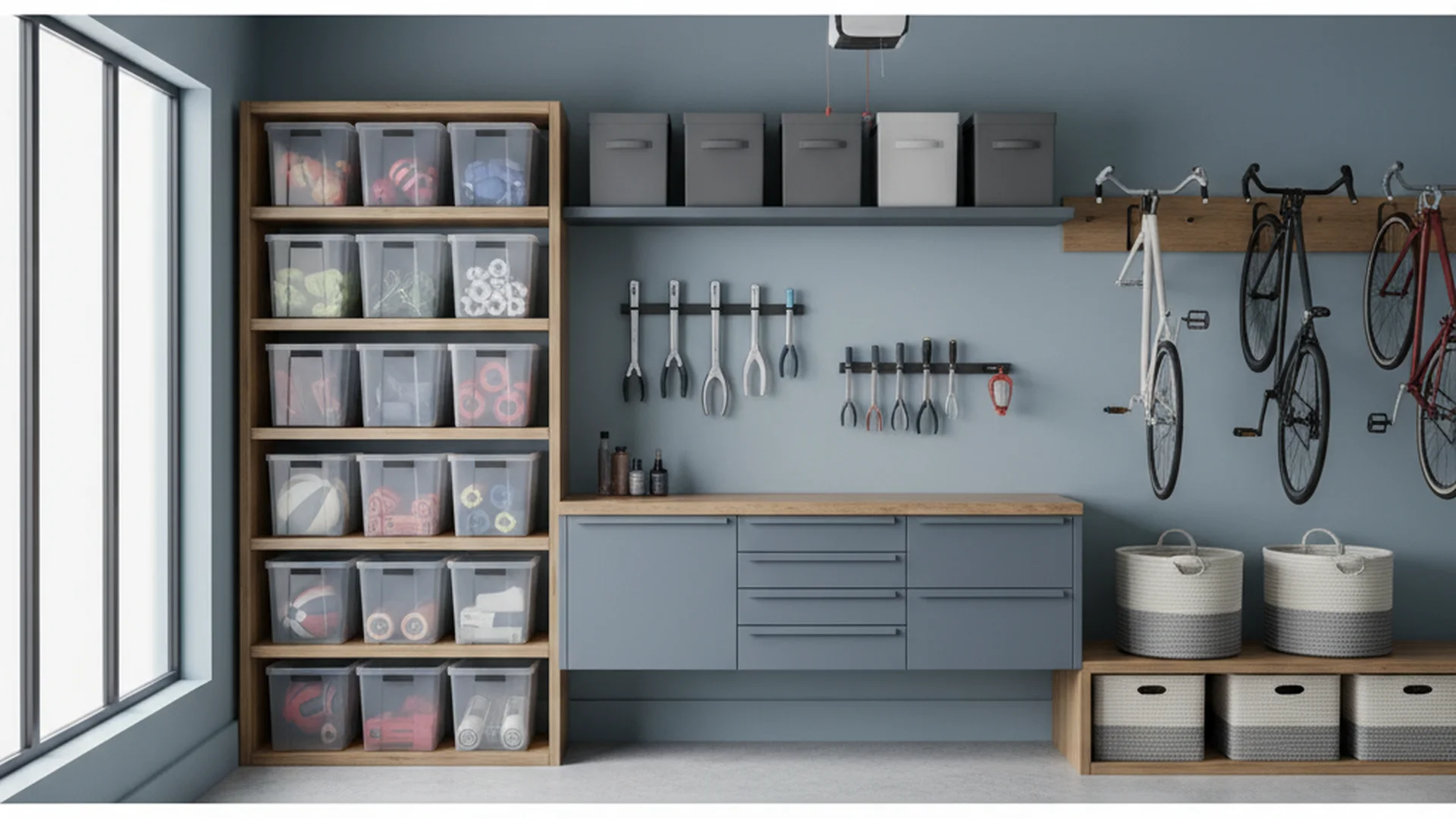
We often think about our homes in terms of floor space, but the real potential lies in the "Vertical Vacancy." This refers to the unused wall space above eye level. In 2026, floor-to-ceiling shelving is the gold standard. By drawing the eye upward, you not only increase storage by up to 40% but also create the illusion of higher ceilings.
The 60/40 Rule for Visual Harmony
While open shelving has been a staple of interior design for years, it can lead to visual overstimulation in small rooms. The 60/40 rule suggests that 60% of your storage should be closed (cabinets, drawers, or opaque bins) to hide the "visual noise" of daily life, while 40% remains open for aesthetic items like books, plants, and heritage pieces.
Top DIY Storage Solutions for Small Spaces
You don’t need a massive renovation budget to transform your home. Some of the most effective diy storage solutions small spaces utilize everyday items in innovative ways.
Pegboard Command Centers
Originally reserved for garages, pegboards have made their way into the kitchen, home office, and even the bedroom. In a small kitchen, a floor-to-ceiling pegboard can house pots, pans, measuring cups, and spice racks, freeing up precious cabinet space for heavy appliances.
Nano Dot and Adhesive Innovations
For renters, drilling into walls is often forbidden. The rise of "Nano Dots" and heavy-duty removable adhesive strips has revolutionized renter-friendly storage. These can be used to mount lightweight organizers, such as acrylic spice racks or mail sorters, to the inside of cabinet doors or the sides of refrigerators.
Magnetic Strip Utility
Magnetic strips aren't just for knives. In a small bathroom, a magnetic strip inside a medicine cabinet can hold bobby pins, tweezers, and nail clippers. In a craft room, they can keep scissors and metal rulers within reach but off the desktop.
Note: When using adhesive solutions, always clean the surface with rubbing alcohol first to ensure a long-lasting bond.
Budget Storage Solutions for Small Spaces
Achieving a high-end look on a shoestring budget is entirely possible if you know what to look for. Budget storage solutions small spaces often involve "hacking" affordable furniture to look like custom built-ins.
The IKEA "Built-In" Hack
The most popular budget hack of 2025 involves using modular bookcases (like the Billy or Kallax series) and adding crown molding and a baseboard. By painting the units the same color as your walls, they appear to be expensive custom cabinetry, providing massive amounts of storage for a fraction of the cost.
Dollar Tree Acrylics
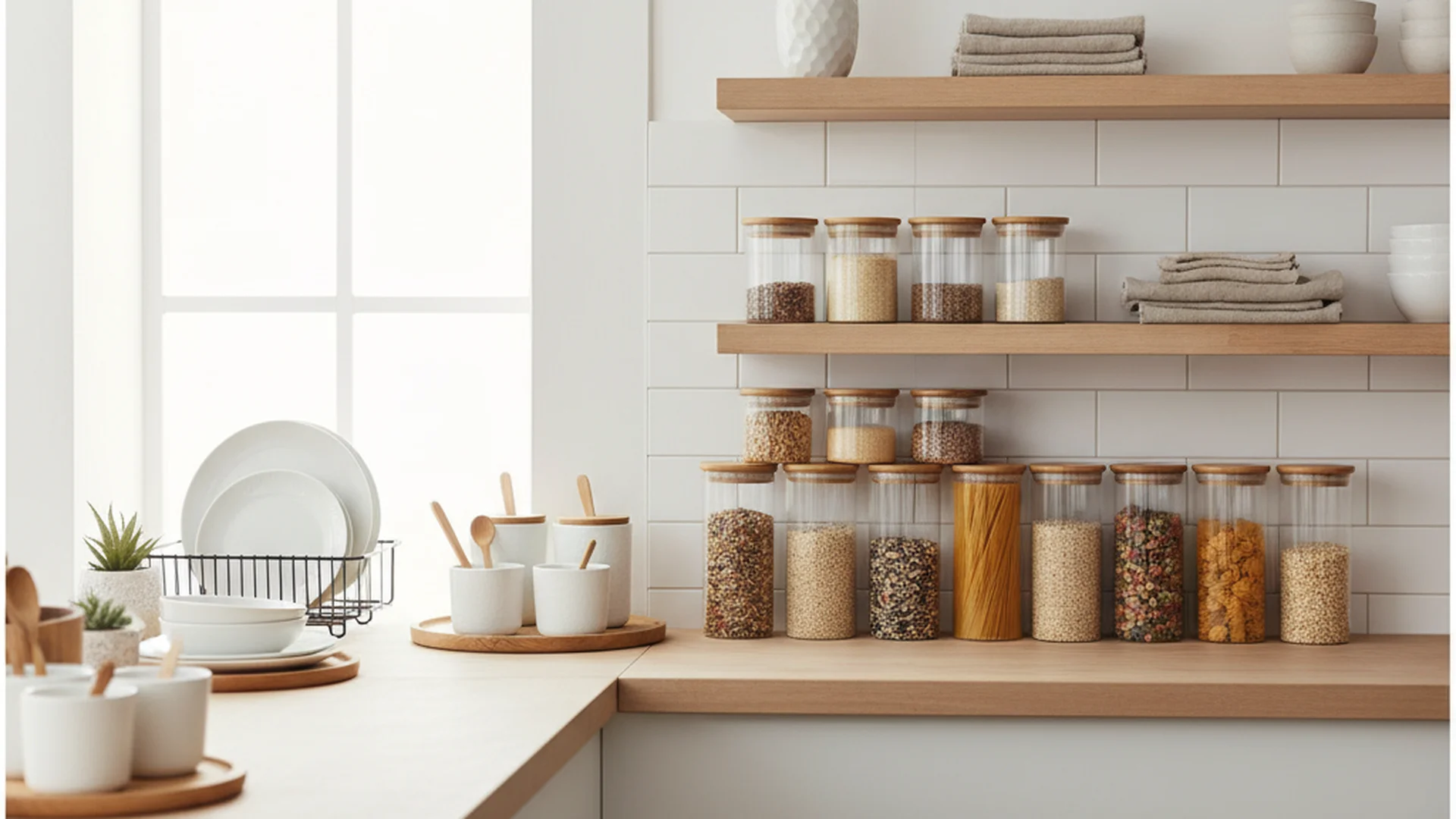
Transparent organization is a key 2026 trend because it reduces "visual weight." Budget retailers now offer acrylic bins that mimic high-end brands. Use these in your refrigerator or pantry to create a "zoned" system where every item has a specific home.
| Item | Budget Source | Luxury Equivalent | Savings |
|---|---|---|---|
| Acrylic Fridge Bins | Dollar Store | Specialized Organizers | ~80% |
| Storage Ottoman | Flat-pack Retailers | Designer Furniture | ~60% |
| Over-the-Door Rack | Hardware Stores | Custom Closet Systems | ~90% |
Success: A homeowner in a 500-square-foot studio saved over $1,200 by using DIY built-ins rather than hiring a carpenter.
Recent Trends for 2025–2026
As we move into 2026, storage is becoming more personal and "warmer" than the sterile minimalism of previous years.
Warm Minimalism and Natural Textures
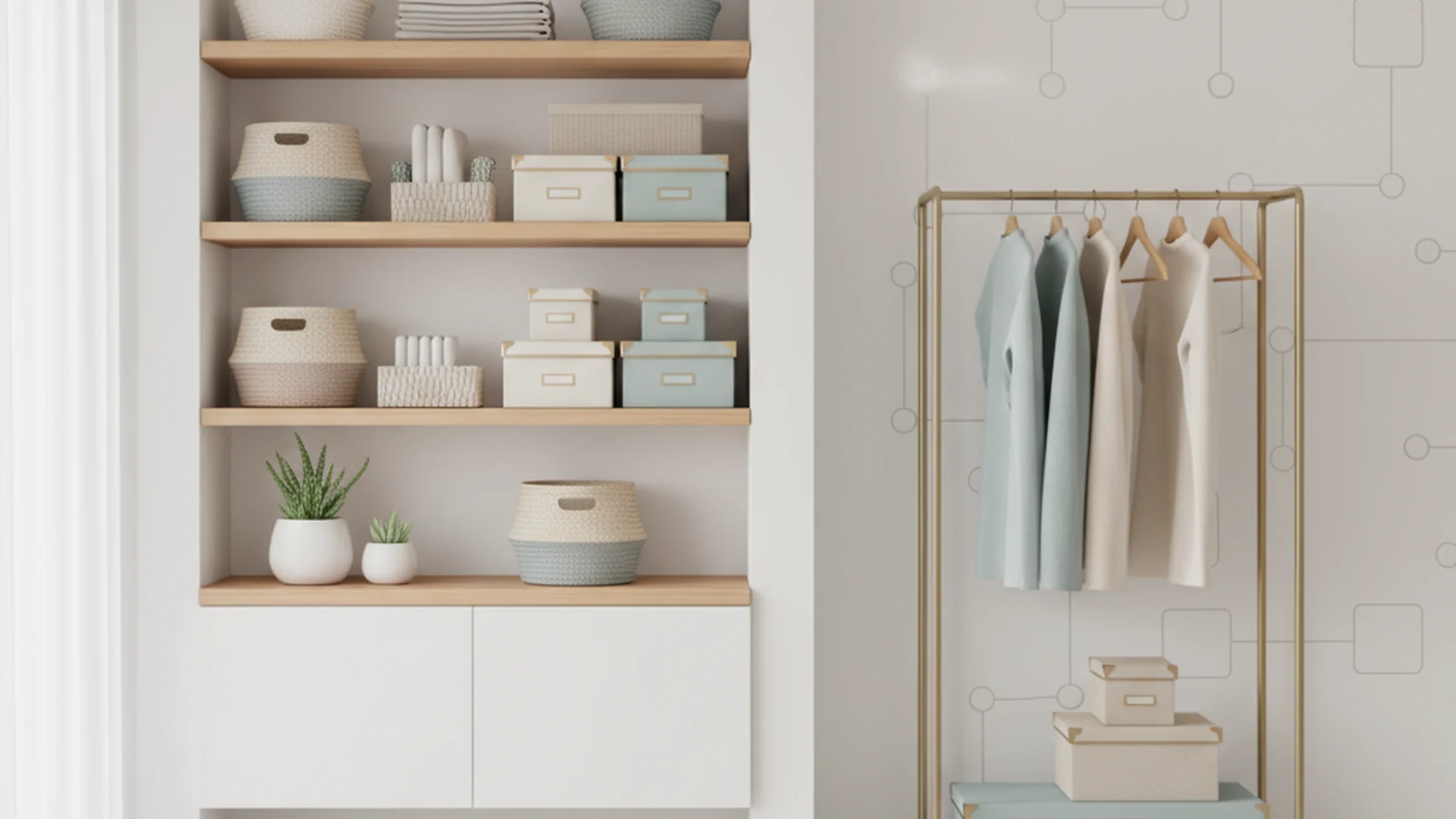
The "all-white" look is being replaced by natural textures. Think seagrass baskets, acacia wood dividers, and rattan trunks. This trend, known as "Warm Minimalism," focuses on making a small space feel cozy rather than just "clean."
The "House Purse" Phenomenon
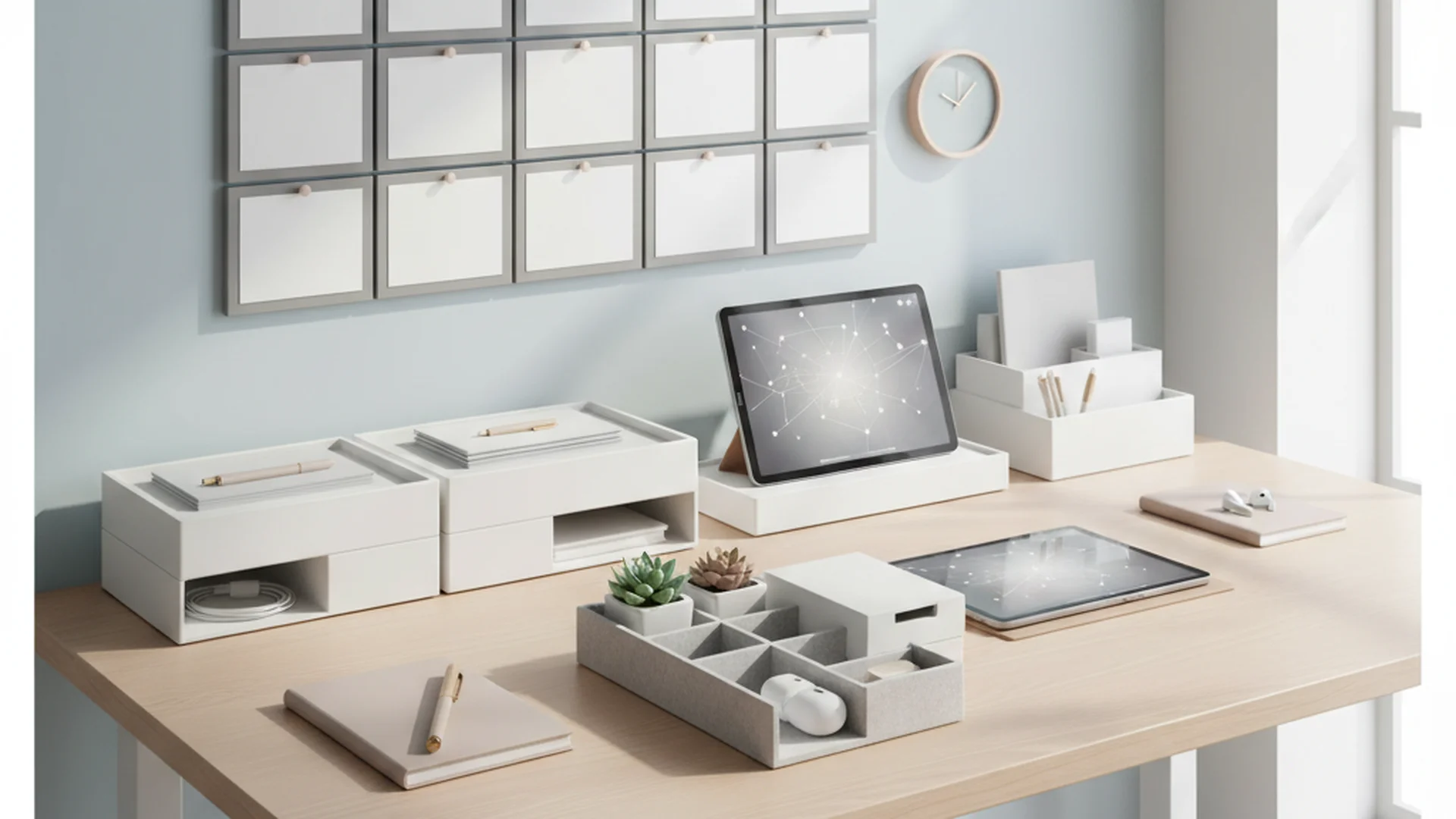
A viral trend emerging from TikTok in late 2025 is the "House Purse." This is a stylish, compartmentalized caddy used to carry daily essentials—like chargers, journals, skincare, and glasses—from room to room. It prevents "clutter creep" where items get left on surfaces throughout the day.
IoT-Integrated Pantries
Smart technology has finally reached the pantry. IoT-enabled bins can now alert your phone when you are low on staples like flour or coffee. For small-space dwellers, this prevents over-buying and ensures that every square inch of the pantry is used for items you actually need.
Warning: Be careful not to over-automate. Only use smart storage for items you consume frequently to avoid unnecessary tech clutter.
Real-World Examples of Small Space Success
Example 1: The Seattle "Zone" Studio
A resident in a 645-square-foot Seattle studio used open-backed bookcases as room dividers. This created a distinct "bedroom" and "living room" without blocking natural light. The bookcases provided 30 cubic feet of storage for books and decor while maintaining an airy feel.
Example 2: The Renter’s Kitchen
In a Chicago apartment with only four kitchen drawers, a renter used a combination of tension rods and over-the-door organizers. By hanging cleaning supplies under the sink on a tension rod and putting snacks in an over-the-door rack, they cleared enough counter space to actually cook.
Example 3: The "Heritage" Entryway
A homeowner with no coat closet used a vintage steamer trunk in the entryway. This "Heritage Storage" trend provided a place to sit while putting on shoes, hidden storage for winter gear, and a significant boost to the home's personality.
Common Mistakes to Avoid
Even with the best intentions, storage projects can go awry. Here are the pitfalls to watch out for:
- Neglecting "Dead Spaces": The space above your kitchen cabinets or the "cavern" under a deep bed is prime real estate. Use long, shallow rolling bins for seasonal clothing under the bed.
- Ignoring Depth: Using deep shelves for small items without using a "Lazy Susan" or a pull-out tray. If you have to move five items to get to the one in the back, your system will eventually fail.
- Static Systems: Your life changes, and your storage should too. Opt for modular systems that can be reconfigured if your home office needs to become a nursery or a guest room.
- Over-reliance on Open Shelves: As mentioned in the 60/40 rule, too much open storage leads to a cluttered appearance, making a small room feel even smaller.
Frequently Asked Questions
How do I choose the right storage unit size for off-site storage?
What are the best renter-friendly storage hacks?
Should I use plastic or glass/bamboo containers?
How do I start organizing a cluttered small room?
Conclusion
Living large in a tiny footprint is an art form. By embracing the 2026 trends of warm minimalism, vertical vacancy, and multi-functional furniture, you can turn a cramped apartment into a high-functioning home. Remember that the best storage solutions small spaces are those that evolve with you. Start small, declutter often, and don't be afraid to look up—your walls are your greatest asset.
Success: By implementing these strategies, most homeowners report a 30% increase in usable space and a significant reduction in daily stress.
Cleaning that keeps score
Every task earns points, every streak multiplies them, and Premium adds a household leaderboard plus a monthly Dustagorgon to beat.
- Free forever
- 30 badges to earn
- Up to 6 in a household
No card needed. Set up your rooms in a couple of minutes.