In this article
What you’ll learn
- Transition from cardboard boxes to airtight, weather-tight plastic totes to prevent damage.
- Utilize AI-assisted inventory apps and QR codes to track items without opening bins.
- Practice "Festive Minimalism" by decluttering unused items during the packing process.
The magic of the holiday season often ends with a literal thud—the sound of a heavy plastic bin hitting the attic floor. For many, the process of taking down the tree and packing away the tinsel is a source of immense stress. However, learning how to organize holiday decorations effectively is about more than just clearing the living room; it is about protecting your financial investment and your mental well-being. As we head into 2026, the world of home organization has shifted. We are moving away from the "cram-it-all-in" method and toward a blend of sustainable living, AI-assisted planning, and intentional minimalism.
In this guide, we will explore the most efficient strategies to ensure that next year’s "Unboxing Day" is as joyful as the holiday itself.
The True Cost of Holiday Chaos
Before we dive into the "how-to," it is important to understand why organization matters. Plenty of people have opened a bin in November only to find broken holiday items, all thanks to poor storage. This isn't just a sentimental loss; replacing those pieces costs real money every single year.
Furthermore, while most households decorate, a good number admit they haven’t found an effective way to store their items. This lack of systems leads to "The Dreaded Task" syndrome. The Christmas tree is widely considered the most difficult item to retrieve and store, followed by the nightmare of stringing lights and fragile ornaments.
Step 1: The "One-In, One-Out" Decluttering Phase
The best way to organize holiday decorations is to start with less stuff. Declutter as you pack. This is the core of "Festive Minimalism"—a 2025 trend where homeowners choose to keep only high-quality, sentimental pieces rather than bulk "filler" decor.
Real-World Example: The Ornament Audit
Imagine you have a box of 50 generic blue plastic bulbs. Over the last three years, you’ve only used 20 because your tree has become more focused on handmade family ornaments. Instead of packing all 50 again, donate the 30 unused bulbs. This saves physical space and reduces the "visual noise" when you open the bin next year.
Tip: If you didn't hang a specific ornament or set up a particular yard inflatable this year, it’s a prime candidate for donation. Don’t pay "rent" for items in your storage space that no longer bring you joy.
Step 2: Advanced Sorting and Categorization
A common mistake is grouping items by where they were located in the house (e.g., "Living Room Box"). Instead, group your items by category. This allows you to test all items of a similar type at once.
Categorization Priorities:
- Greenery: Garlands, wreaths, and the artificial tree.
- Lighting: String lights, LED candles, and outdoor projectors.
- Linens: Tree skirts, stockings, festive pillows, and table runners.
- Ornaments: Breakables, heirlooms, and filler baubles.
- Hardware: Hooks, extension cords, timers, and command strips.
Note: Always group your "Hardware" together. There is nothing more frustrating than having the lights ready to go but being unable to find the outdoor timer or the specific hooks for the mantle.
Step 3: Protecting Your Investment with Better Materials
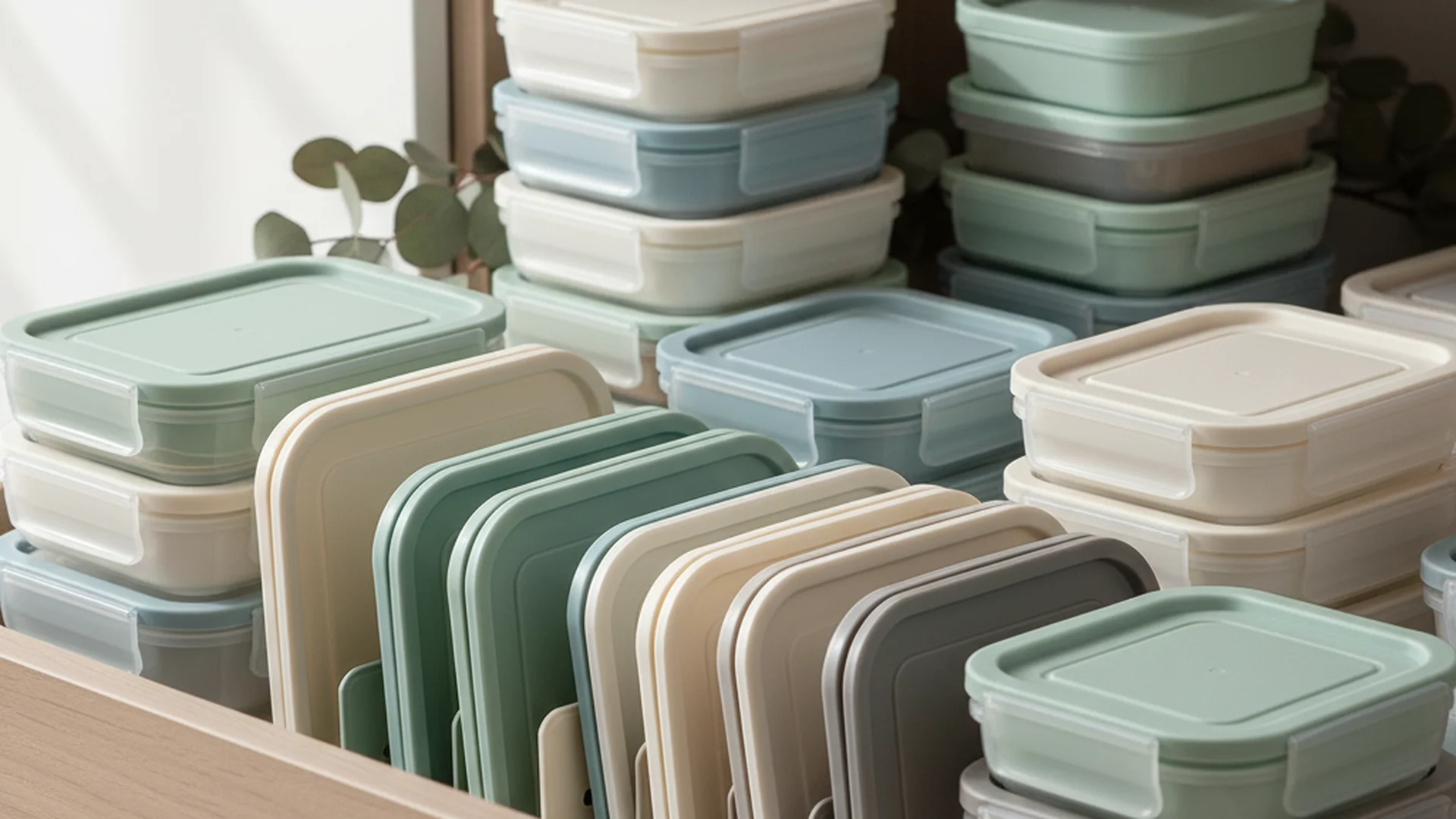
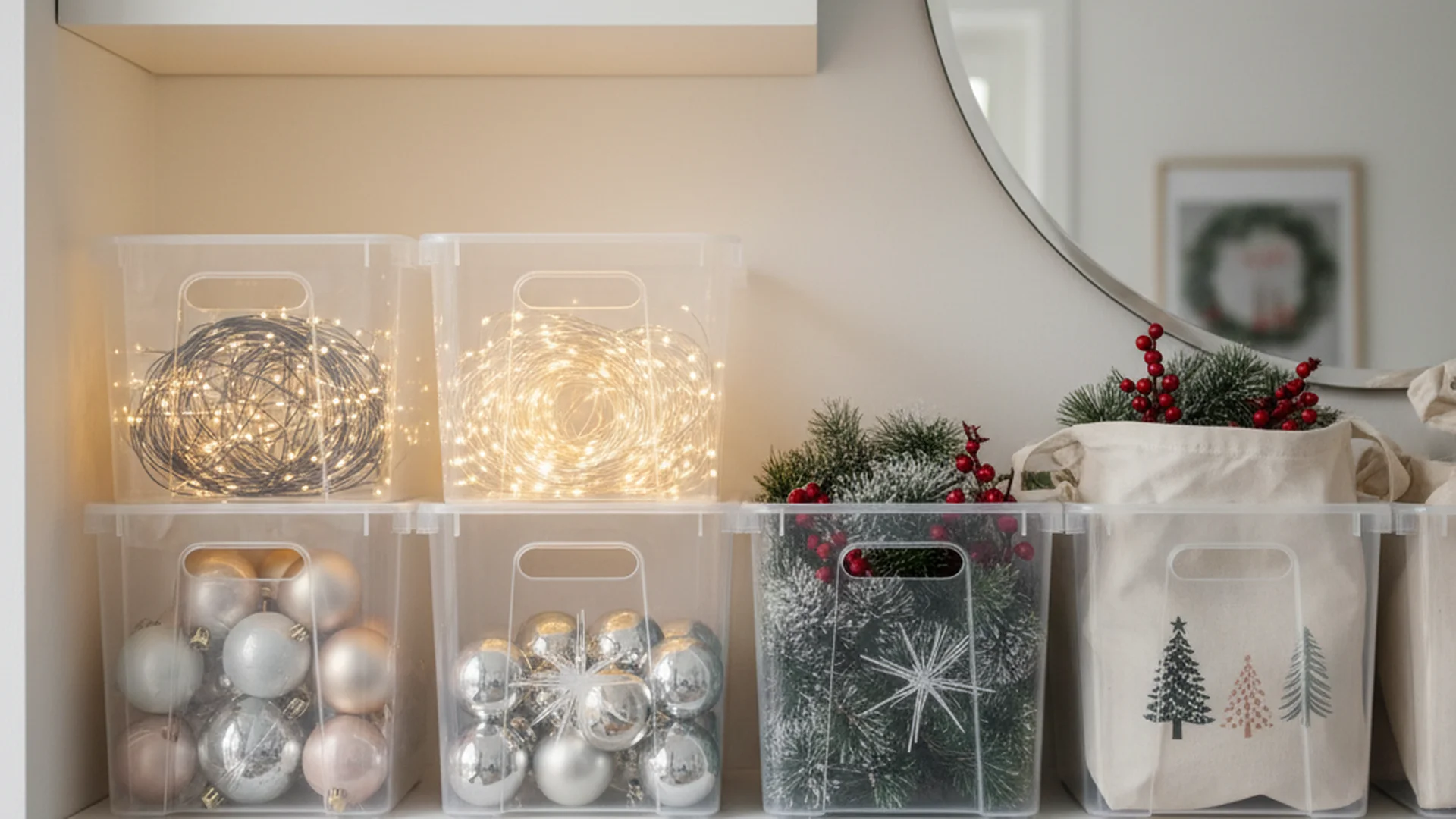
If you are still using the original cardboard boxes your decorations came in, you are inviting disaster. Cardboard is a magnet for moisture, silverfish, and moths. In non-climate-controlled areas like attics or garages, cardboard can disintegrate over a single summer.
| Material Type | Pros | Cons | Best Used For |
|---|---|---|---|
| Weather-Tight Totes | Moisture-proof, stackable, pest-resistant | Higher initial cost | All fragile and fabric items |
| Sustainable Bamboo | Aesthetic, eco-friendly, breathable | Not moisture-proof | Indoor linens, tree skirts |
| Original Cardboard | Free, fits specific item | Attracts pests, traps moisture | Discard immediately |
| Rolling Tree Duffels | Protects branches, easy transport | Bulky | Artificial Trees |
Warning: Never store delicate indoor linens with muddy outdoor lights. Residual dirt and moisture from the outdoors can cause permanent staining, mold, and odors on your stockings or tree skirts.
Step 4: Mastering the Most Difficult Items
The Artificial Tree
Stop trying to shove your tree back into its original box. Those boxes are designed for factory-compressed trees. Once fluffed, the tree will never fit back perfectly, leading to bent branches and broken hinges. Invest in a rolling tree duffel.
String Lights
To avoid the "tangled ball" frustration, wrap your lights around specialized plastic spools or even a sturdy piece of cardboard.
Success: Storing lights "last in, first out" ensures they are the first thing you grab next year, allowing you to test them before any other decorating begins.
Battery Management
This is a critical step often overlooked. Always remove batteries from LED candles, motorized figurines, and singing plushies. Battery leakage (corrosion) is the #1 cause of electronic decoration failure.
Tip: Store the removed batteries in a small Ziploc bag taped to the inside lid of the decoration's bin so you have them ready for next year.
Step 5: 2025-2026 Tech and Trends
The future of organization is digital. We are seeing a significant shift toward AI-Powered Inventory and Smart Tags.
- AI Inventory: New apps like Ideal House AI and Decor8 AI allow you to upload photos of your storage space. The AI then suggests the most efficient way to stack your specific bin sizes to maximize vertical space.
- QR Code Stickers: This is becoming the gold standard for organized homes. You can buy sheets of QR code stickers, place one on each bin, and scan it with your phone. The scan instantly displays a photo gallery or list of the bin's contents. No more opening ten boxes to find the "Blue/Silver Tree Theme."
- Aesthetic Storage: 2026 trends emphasize "Warm Storage." This involves using storage ottomans and aesthetic trunks in shades like Transformative Teal to store holiday linens in plain sight year-round, reducing the need for attic space.
Common Mistakes to Avoid
- The Cardboard Trap: As mentioned, cardboard is the enemy of longevity. Transition to gasket-sealed plastic totes.
- Overpacking: Stuffing bins to the brim crushes delicate items at the bottom. Pro Tip: Store the heaviest items (like heavy nutcrackers) on the bottom and the lightest (like tinsel or tree toppers) at the very top.
- Storing in "The Aftermath": Most people organize when they are exhausted on January 2nd. This leads to sloppy packing.
- Ignoring Climate: Storing hot-glued items or delicate plastics in a garage that reaches 100°F will cause glue to melt and plastics to become brittle.
Frequently Asked Questions
How do I store ornaments without them breaking?
What is the best way to store holiday lights to avoid tangling?
How do I organize decorations in a small apartment?
Should I store decorations in the attic or garage?
Conclusion
Organizing your holiday decorations shouldn't feel like a second job. By adopting organize holiday decorations ideas like AI-assisted inventory, QR code labeling, and the "One-In, One-Out" rule, you transform a chaotic chore into a streamlined system. Remember, the goal of organization is to serve your future self. When you open those bins next November, you want to find a curated, protected collection that is ready to bring joy back into your home.
Success: Following this structured approach will not only save you money in replacement costs but will also cut your setup time down considerably next year.
Cleaning that keeps score
Every task earns points, every streak multiplies them, and Premium adds a household leaderboard plus a monthly Dustagorgon to beat.
- Free forever
- 30 badges to earn
- Up to 6 in a household
No card needed. Set up your rooms in a couple of minutes.