In this article
What you’ll learn
- Rhythmic cleaning can meaningfully ease anxiety.
- Mindful cleaning focuses on sensory engagement rather than just the end result.
- New 2026 trends like 'The Closing Shift' help maintain mental clarity daily.
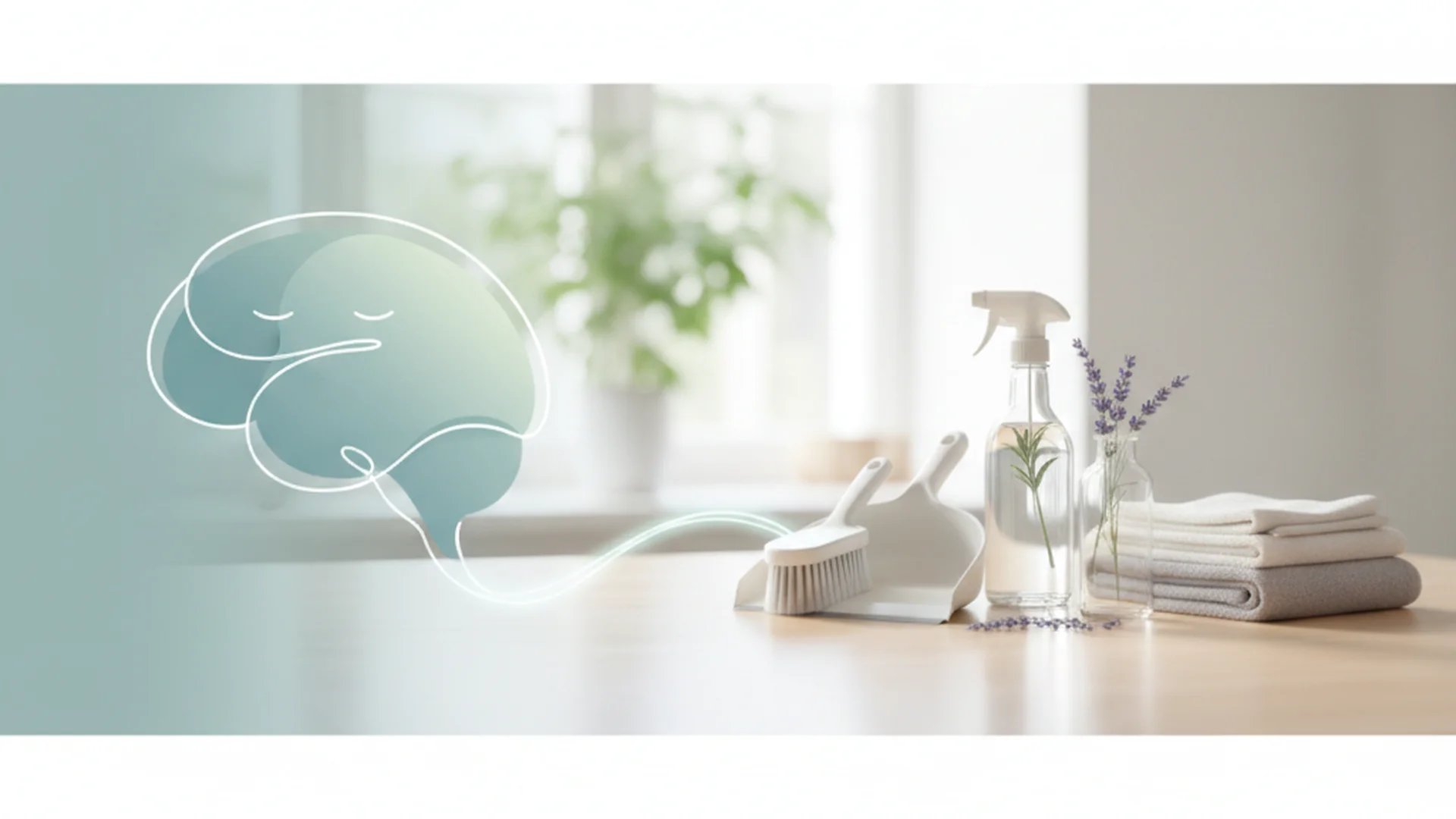
In the fast-paced world of 2025, our homes have become more than just shelters; they are the front lines of our mental well-being. The mindful cleaning revolution has taken hold as people move away from viewing housework as a burdensome "chore" and toward seeing it as a vital form of self-care. This practice isn't about achieving a picture-perfect home for social media; it is about the intentional, meditative process of caring for your environment to care for your mind.
By slowing down and bringing full awareness to the simple act of wiping a counter or sweeping a floor, we can bridge the gap between a cluttered external environment and a chaotic internal state. As a professional cleaning consultant, I have seen firsthand how shifting your perspective from "I have to clean" to "I am caring for my space" can fundamentally change your relationship with your home and your health.
The Science of a Tidy Mind
The connection between our physical surroundings and our psychological state is not merely a theory—it is something most of us feel day to day. Our environment has a real say in our internal peace.
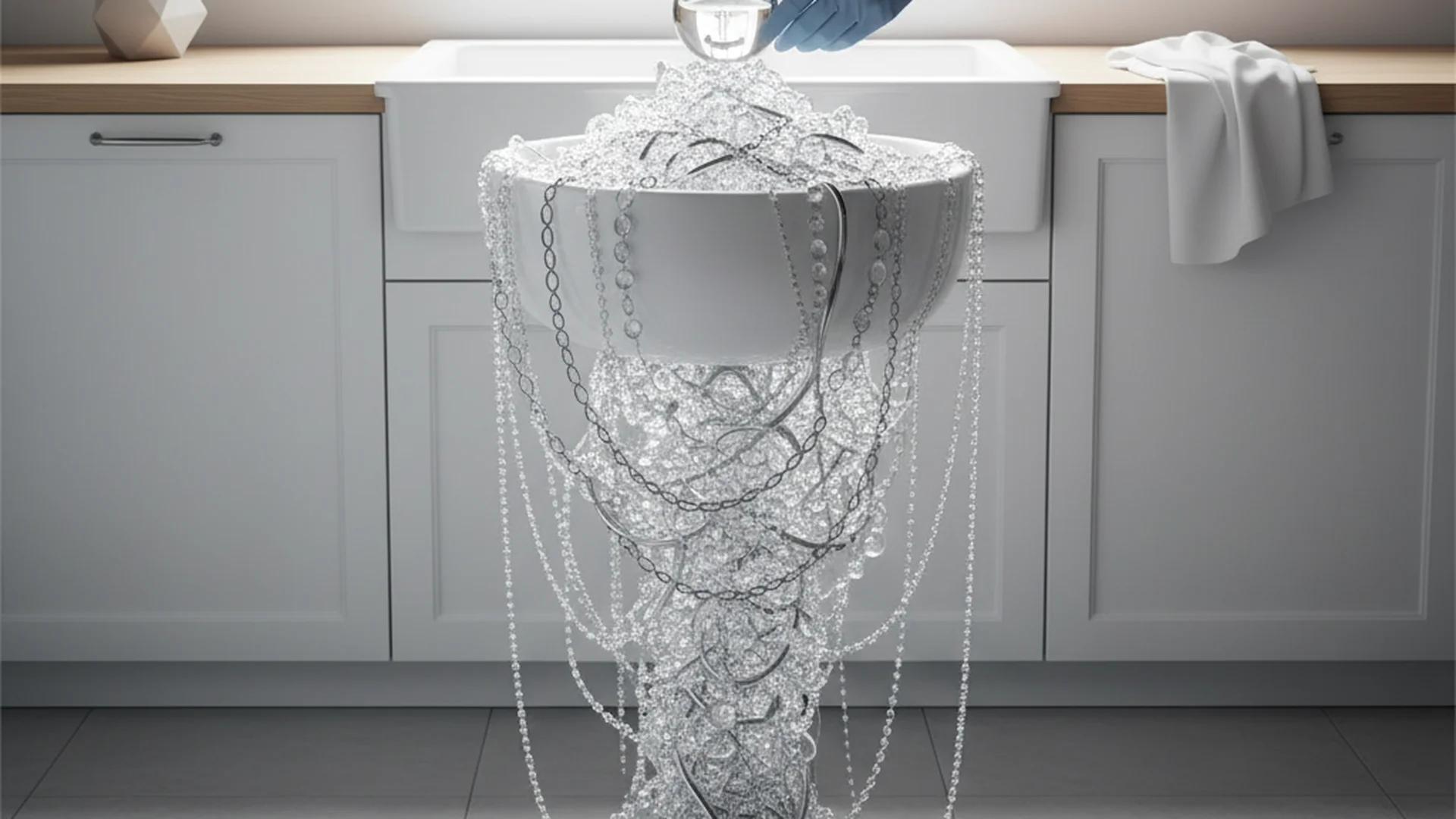
A great many people feel noticeably more anxious when their living space is cluttered. This "visual noise" competes for our brain's attention, making it difficult to focus or relax. Conversely, plenty of people find their mood lifts and their low spells ease when they are living in a tidy, organized space.
Perhaps the most compelling case for mindful cleaning is the physiological response to rhythmic movement. Rhythmic cleaning activities, such as sweeping or wiping in circular motions, occupy the mind in much the same way traditional meditation does. They take the edge off anxiety by triggering a flow state and calming the body's stress response.
Note: Individuals who describe their homes as "restful" or "restorative" consistently show lower daily cortisol levels compared to those who describe their homes as "cluttered" or "unfinished."
How to Turn Chores into Meditation
To begin a mindful cleaning practice, you must move away from "marathon cleaning"—those six-hour Saturday sessions that leave you exhausted—and move toward intentional rituals. Here is how you can transform your routine.
Set an Intention
Before you pick up a sponge or a vacuum, stop. Take one deep, cleansing breath. Ask yourself: What is my goal for this session? You aren't just looking for "clean floors." Your intention might be "to create a peaceful space for my family" or "to clear my mind after a stressful workday." Setting this mental anchor prevents you from rushing and keeps you grounded in the "why."
Engage the Five Senses
The hallmark of mindfulness is sensory grounding. When you clean, try to engage as many senses as possible to stay in the present moment:
- Sight: Instead of looking at the whole room, focus on the specific inch you are cleaning. Watch the surface transform from dull to shining.
- Smell: Choose your scents intentionally. Use lemon or peppermint for energy during a morning clean, or lavender and sandalwood for a calming evening reset.
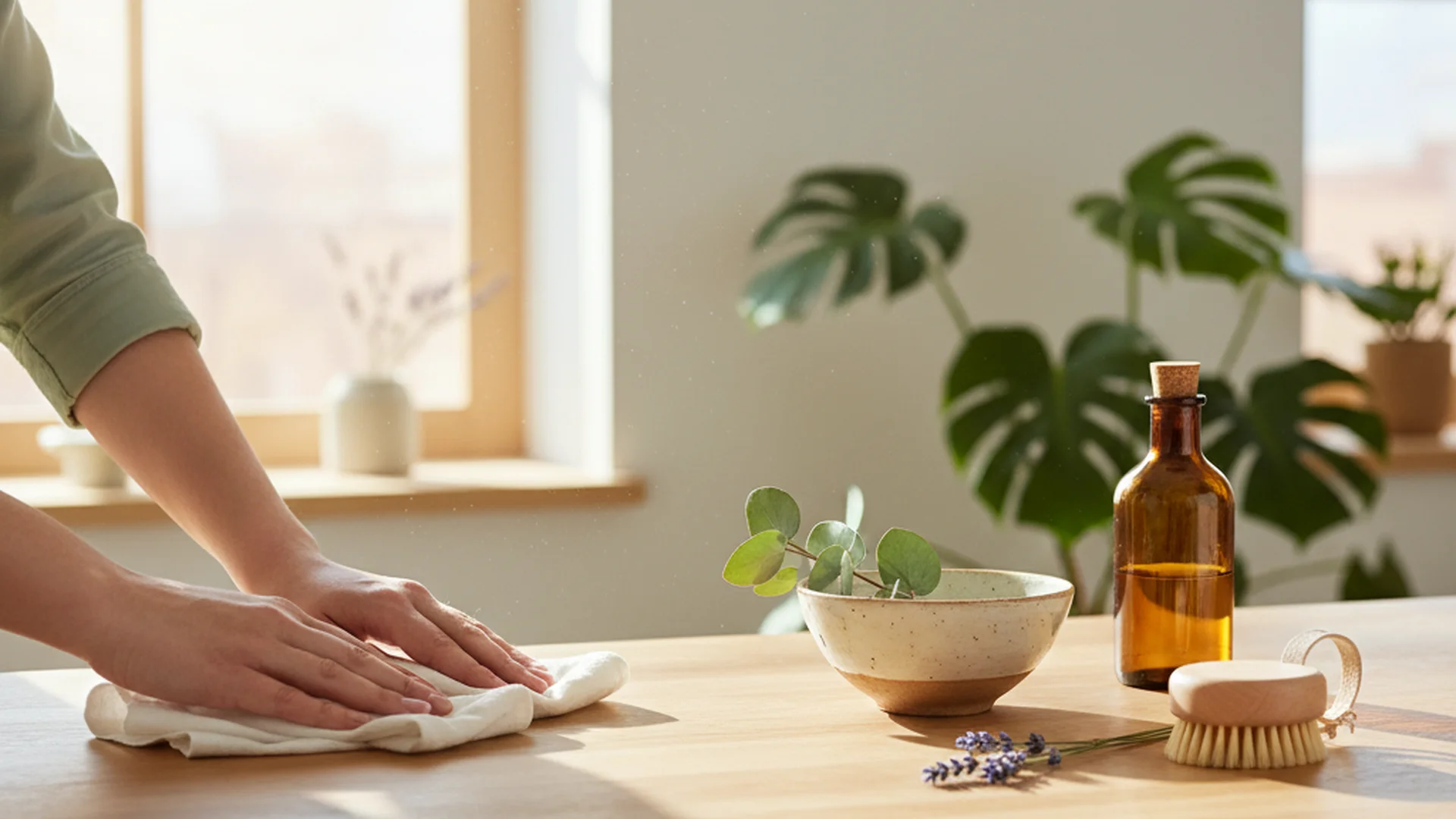
- Touch: Feel the temperature of the dishwater on your hands. Notice the texture of a microfiber cloth versus a scrubbing brush.
- Sound: Listen to the rhythmic "swish-swish" of the broom on the hardwood or the white noise of the vacuum. Avoid loud, distracting television in the background.
- Taste: While not directly involved in cleaning, many practitioners sip a warm herbal tea before or after their ritual to bookend the experience.
Tip: If you find your mind wandering to your "to-do" list, gently acknowledge the thought and return your focus to the physical sensation of the task at hand.
Real-World Mindful Cleaning Examples
If you are looking for mindful cleaning help, it is often easiest to start with one specific task. Here are three examples of how to apply these principles to common household duties.
1. The Rhythmic Dishwashing Ritual
Instead of rushing to empty the sink, treat dishwashing as a sensory experience. Feel the warmth of the water—a sensation that can be incredibly grounding. Notice the iridescent bubbles and the scent of the soap. As you dry each dish, think of the nourishment it provided you during your last meal. This turns a mundane task into an act of gratitude.
2. The Zen of Folding Laundry
Laundry is often seen as a never-ending cycle, but it is the perfect opportunity for "mindfulness in motion." Focus on the warmth of the clothes fresh from the dryer. Pay attention to the geometric precision of each fold. By focusing on the quality of the fold rather than the size of the pile, you enter a "one-task" state of mind that reduces mental friction.
3. The Mindful Sweeping Path
Sweeping is one of the most meditative cleaning tasks because of its rhythm. Start at the furthest corner of the room and work your way toward the center. Focus on the sound of the bristles against the floor. With every stroke, imagine you are not just sweeping away dust, but also sweeping away the mental clutter of the day.
Success: Practicing these small rituals daily leaves most people far more content with their home than living amid constant clutter ever could.
2026 Trends in Mindful Home Care
As we move through 2026, several new trends have emerged that align perfectly with mindful cleaning tips. These trends focus on the intersection of biology, environment, and psychology.
| Trend Name | Core Concept | Primary Benefit |
|---|---|---|
| The Weekend Reset | A slow, intentional Sunday routine to prepare the home for the week. | Reduced Monday-morning anxiety. |
| Probiotic Cleaning | Using "live" cleaners that maintain a healthy home microbiome. | Long-term surface hygiene (up to 72 hours). |
| Biophilic Cleaning | Integrating plant care (leaf dusting, misting) with regular cleaning. | Increased connection to nature and cleaner air. |
| The "Closing Shift" | A 15-minute nightly reset of the kitchen and living areas. | A peaceful environment to wake up to. |
The "Closing Shift" ritual has become particularly popular. Borrowed from the restaurant industry, it involves a mindful 15-minute sweep of the "front of house" (your living areas) before bed. This ensures that when you wake up, your first visual input is one of order and peace, rather than a reminder of yesterday’s messes.
Warning: Avoid "multitasking" during your cleaning ritual. Listening to a stressful political podcast or planning your work week while cleaning defeats the meditative purpose.
Common Mistakes to Avoid
While the transition to a mindful cleaning practice is simple, there are several pitfalls that can prevent you from reaping the mental health benefits.
- Rushing to the Finish Line: If your primary focus is "getting it over with," your brain stays in a state of urgency. This keeps cortisol levels high. Slow down; the cleaning will still get done, but your heart rate will remain lower.
- Cleaning Before Decluttering: It is nearly impossible to be mindful when you are moving piles of "stuff" from one side of the room to the other. Decluttering is a separate mental process. Clear the surfaces first so that the act of cleaning can be fluid.
- The Perfection Trap: Mindfulness is about the process, not a pristine result. If you miss a spot, it’s okay. The goal is a calm mind, not a laboratory-grade sterile environment.
- Using Harsh Chemicals: Strong, synthetic chemical odors can be overstimulating and irritating to the respiratory system. This "sensory assault" can break your meditative focus. Opt for eco-friendly or essential-oil-based products for a softer experience.
Frequently Asked Questions
What is mindful cleaning?
Can cleaning really be a form of meditation?
How often should I clean mindfully?
Do I need special tools for this?
Does a robot vacuum count as mindful cleaning?
Conclusion
The shift toward a mindful cleaning practice is one of the most effective, low-cost ways to improve your mental health in 2026. By treating your home as a sanctuary and your chores as a ritual, you transform a mundane necessity into a powerful tool for stress reduction and life satisfaction. Remember, it isn't about the dirt on the floor; it's about the peace in your head. Start small, breathe deeply, and find the rhythm in the rub.
Success: Following these mindful cleaning tips will help you maintain a home that doesn't just look clean, but feels truly restorative.
Cleaning that keeps score
Every task earns points, every streak multiplies them, and Premium adds a household leaderboard plus a monthly Dustagorgon to beat.
- Free forever
- 30 badges to earn
- Up to 6 in a household
No card needed. Set up your rooms in a couple of minutes.