In this article
What you’ll learn
- Cleaning creates a sense of perceived control during external chaos.
- Mindful cleaning takes the edge off nervousness and lifts your mood.
- Small, timed sessions (micro-cleaning) prevent burnout and cognitive fatigue.
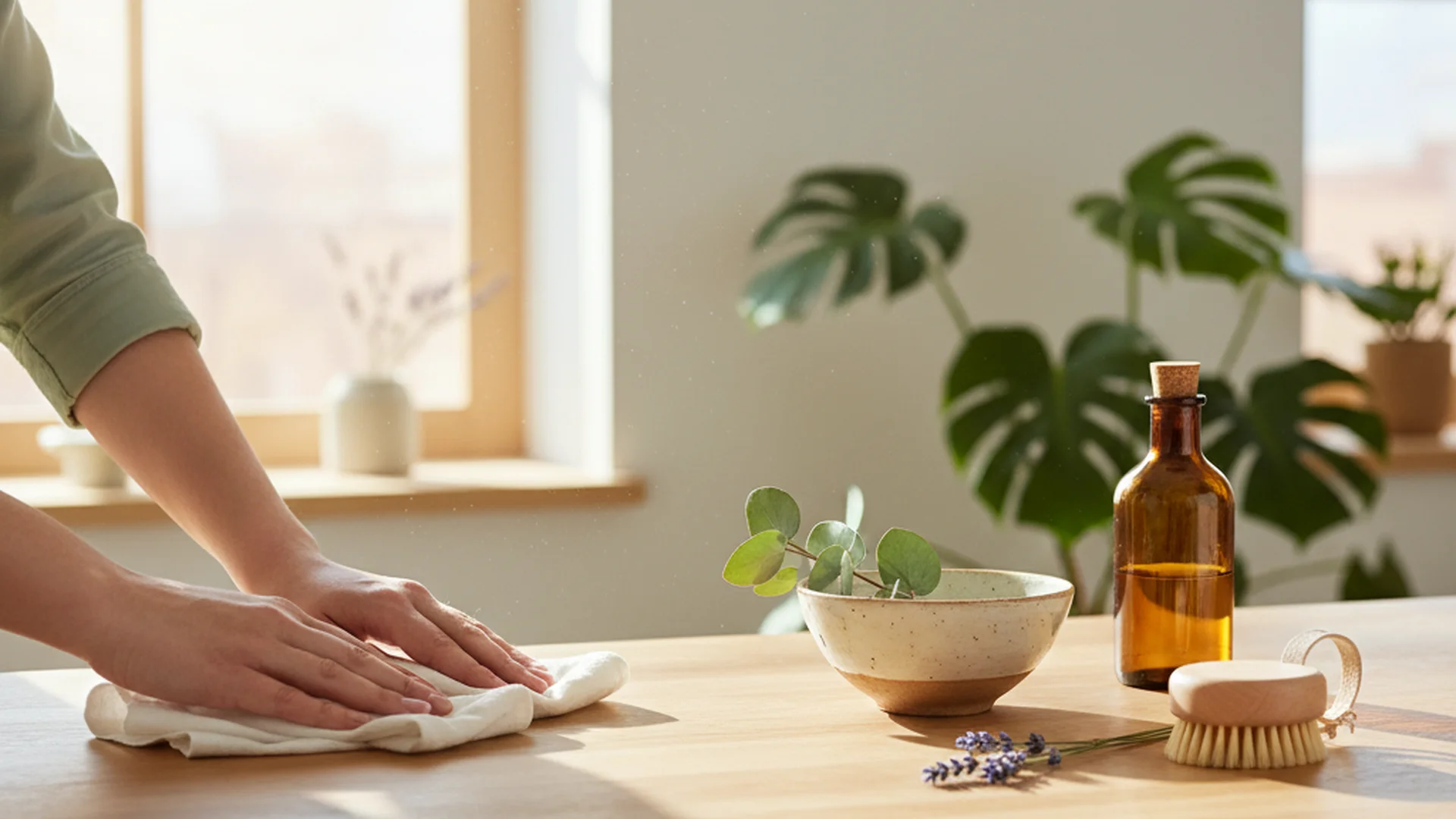
In a world that often feels chaotic and unpredictable, our homes serve as our final sanctuary. However, when the dishes pile up and the surfaces disappear under layers of clutter, that sanctuary can quickly become a source of stress rather than a solution. This is where the concept of therapeutic cleaning comes into play. Far beyond a simple household chore, the act of tidying your physical space has a profound impact on your mental well-being. By shifting your perspective from "maintenance" to "mindfulness," you can transform the way you interact with your environment and your own mind.
The Psychology of the Sparkle: Why We Feel Better
The link between a tidy home and a calm mind isn't just a coincidence; it is deeply rooted in environmental psychology. Our brains are hardwired to prefer order, and when our physical surroundings are in disarray, our internal processing suffers.
Reducing the Cognitive Load
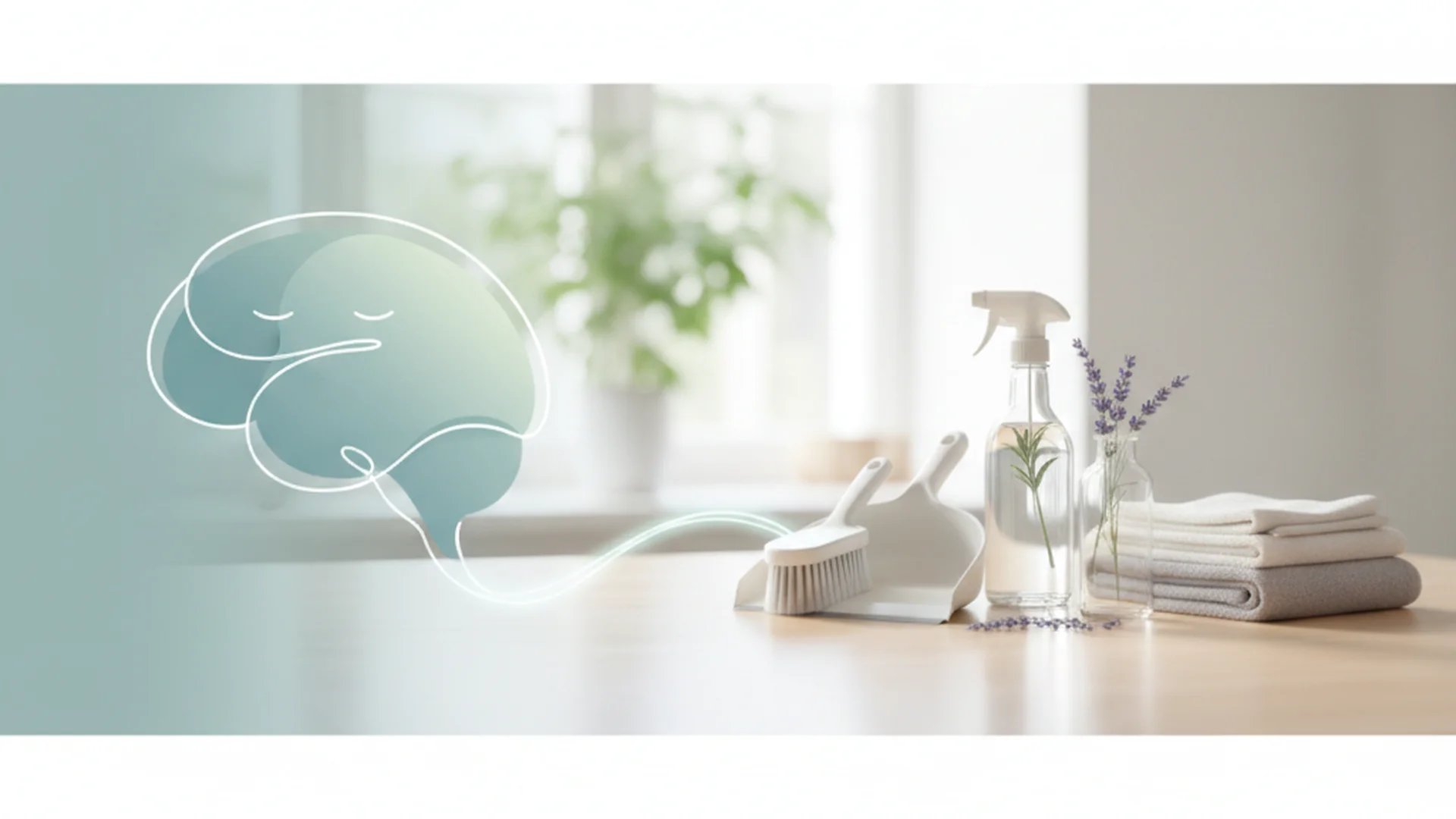
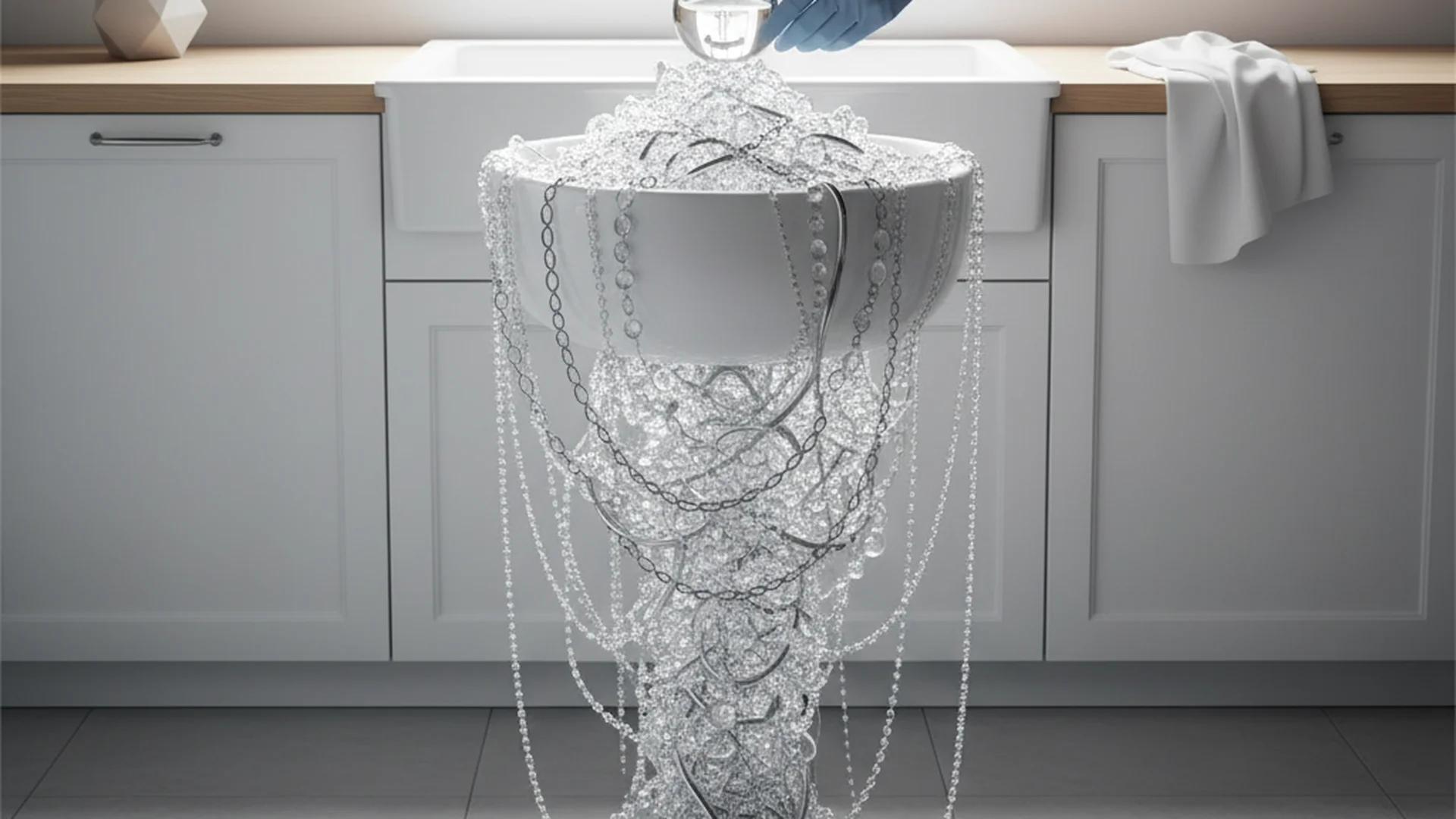
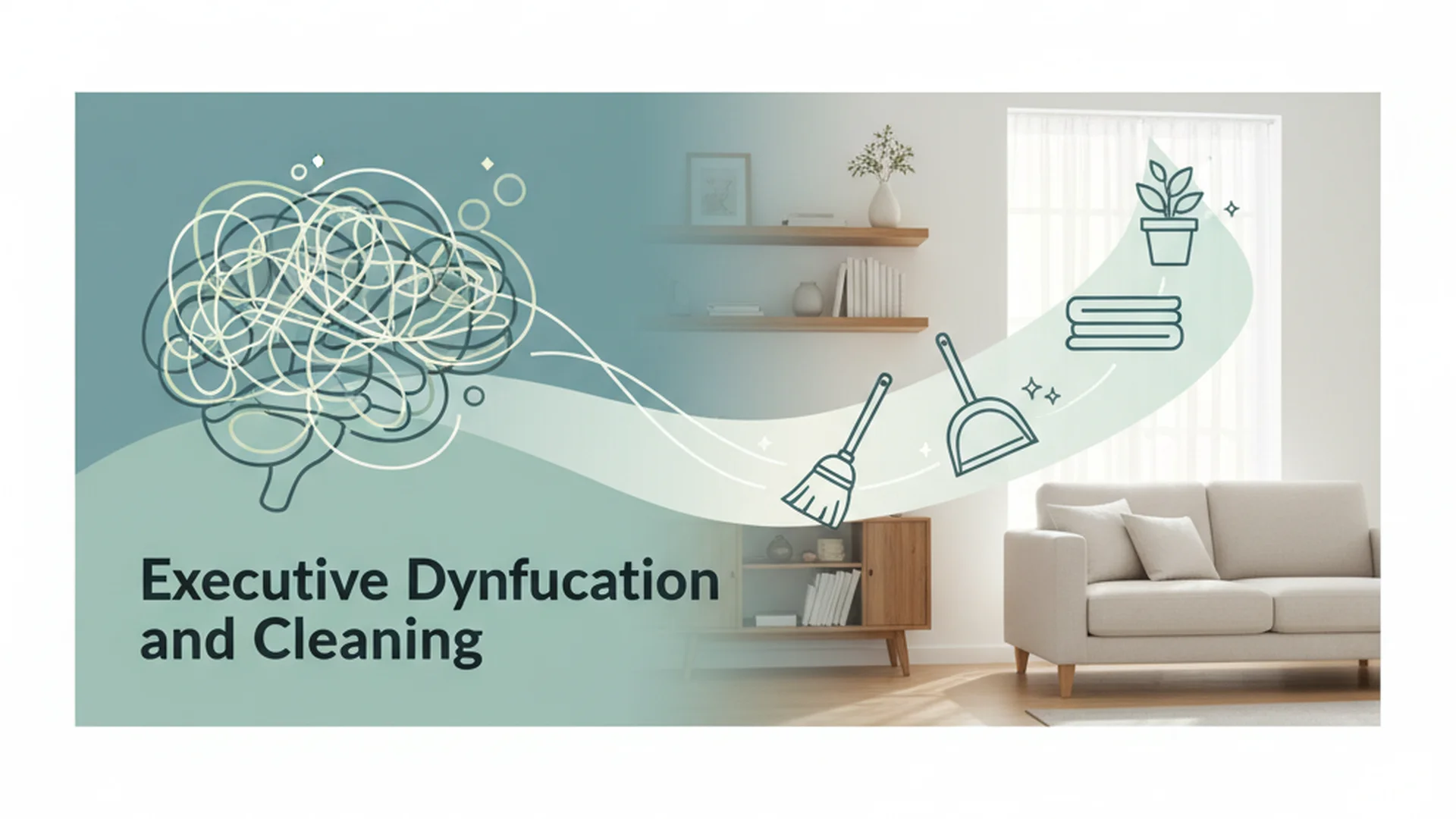
A cluttered environment limits the brain's ability to process information. Visual clutter competes for your attention, much like a dozen browser tabs open at once. This creates a constant "cognitive load" that leads to mental fatigue and irritability. When you engage in therapeutic cleaning, you are essentially closing those "mental tabs," allowing your brain to focus on the task at hand and lower its stress response.
The Power of Perceived Control
Life often throws challenges at us that we cannot control—global events, workplace stress, or personal health issues. Cleaning provides a vital sense of "perceived control." While you may not be able to fix a difficult situation at work, you can choose to organize a bookshelf or scrub a sink. This "small win" triggers a release of dopamine, the brain's reward chemical, providing an immediate mood boost.
Note: The "small win" effect is why making your bed is such a powerful first task of the day. It sets a productive tone and provides an instant sense of accomplishment.
Bringing Mindfulness to Chores
One of the most effective therapeutic cleaning tips is to approach your tasks with mindfulness. This means being fully present in the moment rather than rushing to finish.
Mindful Dishwashing
"Mindful dishwashing" is a good place to start. If you focus on the sensory details—the scent of the lemon soap, the warmth of the water, and the feel of the ceramic—you will usually finish the sink calmer than you started it, and often with a clearer head.
The Endorphin Connection
Cleaning isn't just a mental exercise; it’s a physical one. As little as 20 minutes of physical activity, including vigorous cleaning like mopping or vacuuming, takes a real bite out of feelings of distress. The rhythmic nature of these movements can be meditative, helping to settle you down and clear the mind.
Success: Regular therapeutic cleaning goes hand in hand with better sleep. People who make their beds daily tend to rest more consistently at night.
Practical Therapeutic Cleaning Tips for Every Home
If you are feeling overwhelmed, the idea of cleaning can feel like a mountain you aren’t ready to climb. The goal of therapeutic cleaning isn't perfection; it is progress and peace.
1. The 5-Minute Rule
When depression or anxiety makes it difficult to start, use the "5-minute rule." Tell yourself you will only clean for five minutes. Often, the hardest part is the transition from rest to action. Once the timer starts, the barrier to entry lowers, and you may find yourself willing to continue. If not, you still have five minutes of progress to be proud of.
2. Practice Micro-Cleaning
Instead of a "deep clean" that lasts all Saturday and leaves you exhausted, embrace micro-cleaning. Set a timer for 10 minutes each day to tackle one specific area. This prevents the "all-or-nothing" burnout cycle that often accompanies perfectionism.
3. The Sensory Approach
To ground yourself in the present, focus on your senses:
- Sound: The rhythmic hum of the vacuum or the "clinking" of dishes.
- Touch: The texture of a soft microfiber cloth or the weight of a heavy pot.
- Scent: The energizing smell of citrus or the calming aroma of lavender.
Tip: Use essential oil-based cleaners. Citrus is excellent for energy, while eucalyptus provides refreshing respiratory clarity.
Real-World Examples of Therapeutic Cleaning
To better understand how this practice fits into a busy life, let's look at three common scenarios where therapeutic cleaning help can make a difference.
Example 1: The "Kitchen Sink" Reset
Sarah, a project manager, often comes home with "brain fog." Instead of collapsing on the couch, she spends 15 minutes clearing the kitchen sink. She focuses on the warmth of the water and the disappearance of the grime. By the time the sink is empty, her heart rate has slowed, and she feels she has transitioned from "work mode" to "home mode."
Example 2: The Entryway Clearing
Mark struggles with morning anxiety. He realized that seeing a pile of shoes and mail by the door as he left for work made his heart race. He began a ritual of "entryway clearing" every evening. By ensuring the first thing he sees in the morning is an organized space, he starts his day with a sense of order rather than chaos.
Example 3: Virtual Body Doubling
Julia finds it hard to clean alone when she feels low. She joined a "Virtual Cleaning Community" where creators host "Silent Livestreams." Cleaning alongside a "body double"—even a virtual one—provides the social accountability she needs to stay on task without the pressure of conversation.
2025–2026 Trends in Therapeutic Cleaning
The way we view our homes is evolving. In 2025, we are seeing a shift away from sterile minimalism toward spaces that actively support mental health.
Dopamine Cleaning
Moving away from the "sad beige" aesthetic, "Dopamine Cleaning" focuses on organizing and decorating with colors and items that spark personal joy. It’s about creating a space that stimulates happiness through vibrant colors and sentimental objects.
AI-Driven Routine Management
New AI apps like Sweepy or Tody are changing the game by gamifying the experience. These apps calculate "room dirtiness" levels and assign tasks based on your current energy levels, removing the "mental load" of deciding where to start.
The Slow Cleaning Movement
Much like "Slow Living," this trend emphasizes the process over the result. It encourages viewing cleaning as a slow, meditative ritual. People are investing in high-quality, beautiful tools—like handmade brooms or glass spray bottles—to make the experience more aesthetically pleasing and intentional.
| Trend | Focus | Benefit |
|---|---|---|
| Dopamine Cleaning | Color & Joy | Immediate mood elevation |
| AI Management | Automation | Reduced decision fatigue |
| Slow Cleaning | Process & Ritual | Long-term stress reduction |
| Biophilic Cleaning | Plant-based | Connection to nature |
Common Mistakes to Avoid
While cleaning can be a powerful tool, it is important to avoid certain pitfalls that can turn a therapeutic activity into a source of stress.
- The Perfectionist Trap: Don't believe the house must be "Instagram-perfect" to be therapeutic. The benefit comes from the act of cleaning, not the final state of the room.
- Procrastivity (Productive Procrastination): Be careful not to use cleaning as a way to avoid high-priority tasks or deeper emotional issues. If you find yourself scrubbing baseboards when you should be finishing a work project, you might be using cleaning as a defense mechanism.
- Using Harsh Chemicals: High-VOC cleaners can cause headaches and respiratory issues. This counteracts the intent of creating a healthy environment.
- Over-Cleaning: If cleaning becomes a ritual you feel forced to perform to alleviate intense distress, it may no longer be "therapeutic" and could be crossing into obsessive territory.
Warning: Therapeutic cleaning is a tool for mood management, not a cure for clinical depression or anxiety. Always use these techniques alongside professional mental health support.
Frequently Asked Questions
Why does cleaning make me feel less anxious?
How do I start cleaning when I’m depressed or overwhelmed?
Is therapeutic cleaning the same as OCD?
What are the best scents for therapeutic cleaning?
What if I don't have time for a full cleaning routine?
Conclusion
Therapeutic cleaning is more than just maintaining a home; it is an act of self-care that honors the connection between your physical space and your inner peace. By moving away from the idea of "chores" and toward the idea of "rituals," you can turn a mundane task into a powerful tool for mental clarity. Remember, the goal is not a perfect home, but a mind that feels at home within itself. Start small, breathe deeply, and focus on the surface right in front of you.
Success: By implementing just 10 minutes of mindful cleaning today, you are actively reducing your brain's cognitive load and reclaiming your sense of control.
Cleaning that keeps score
Every task earns points, every streak multiplies them, and Premium adds a household leaderboard plus a monthly Dustagorgon to beat.
- Free forever
- 30 badges to earn
- Up to 6 in a household
No card needed. Set up your rooms in a couple of minutes.