In this article
What you’ll learn
- OCD cleaning is driven by intrusive thoughts, not a desire for neatness.
- Exposure and Response Prevention (ERP) is the gold standard for treatment.
- New 2025 trends include AI-ERP coaching and a focus on neuroplasticity.
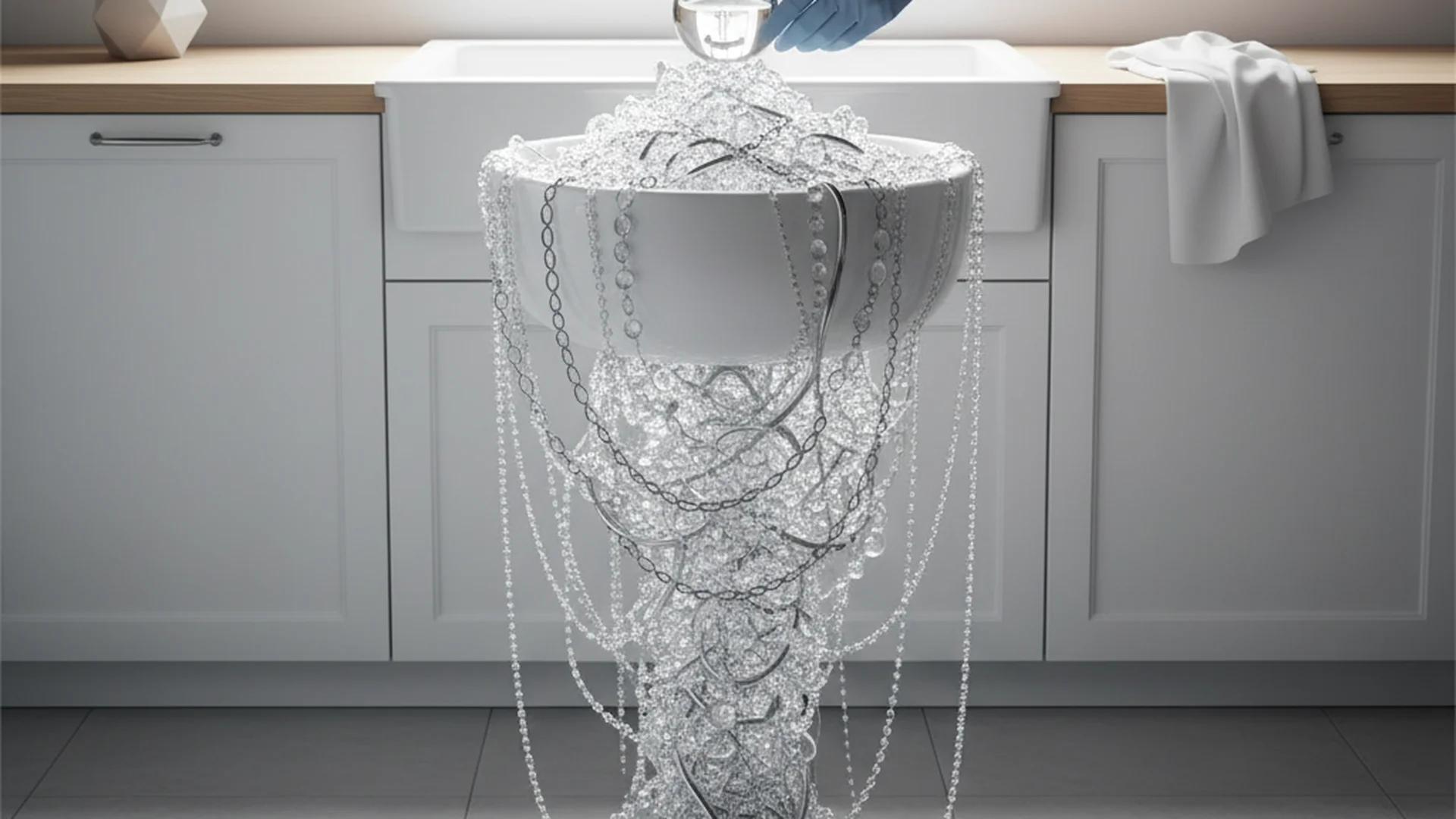
For many, a sparkling kitchen or a perfectly organized closet is a source of pride and relaxation. But for millions of people worldwide, the act of cleaning is not a choice—it is a demanding, exhausting, and often invisible cage. When we talk about cleaning ocd, it is vital to distinguish between a "neat freak" and someone living with a clinical disorder. As a home organization expert, I have seen how the pressure to maintain a "perfect" home can mask a deeper struggle with Obsessive-Compulsive Disorder.
Understanding the difference between a healthy habit and a debilitating compulsion is the first step toward finding relief. This guide explores the science behind the contamination subtype of OCD, provides actionable cleaning ocd tips, and looks at the cutting-edge treatments emerging in 2025 and 2026 to help those affected regain control.
The Science of the "Stuck" Brain
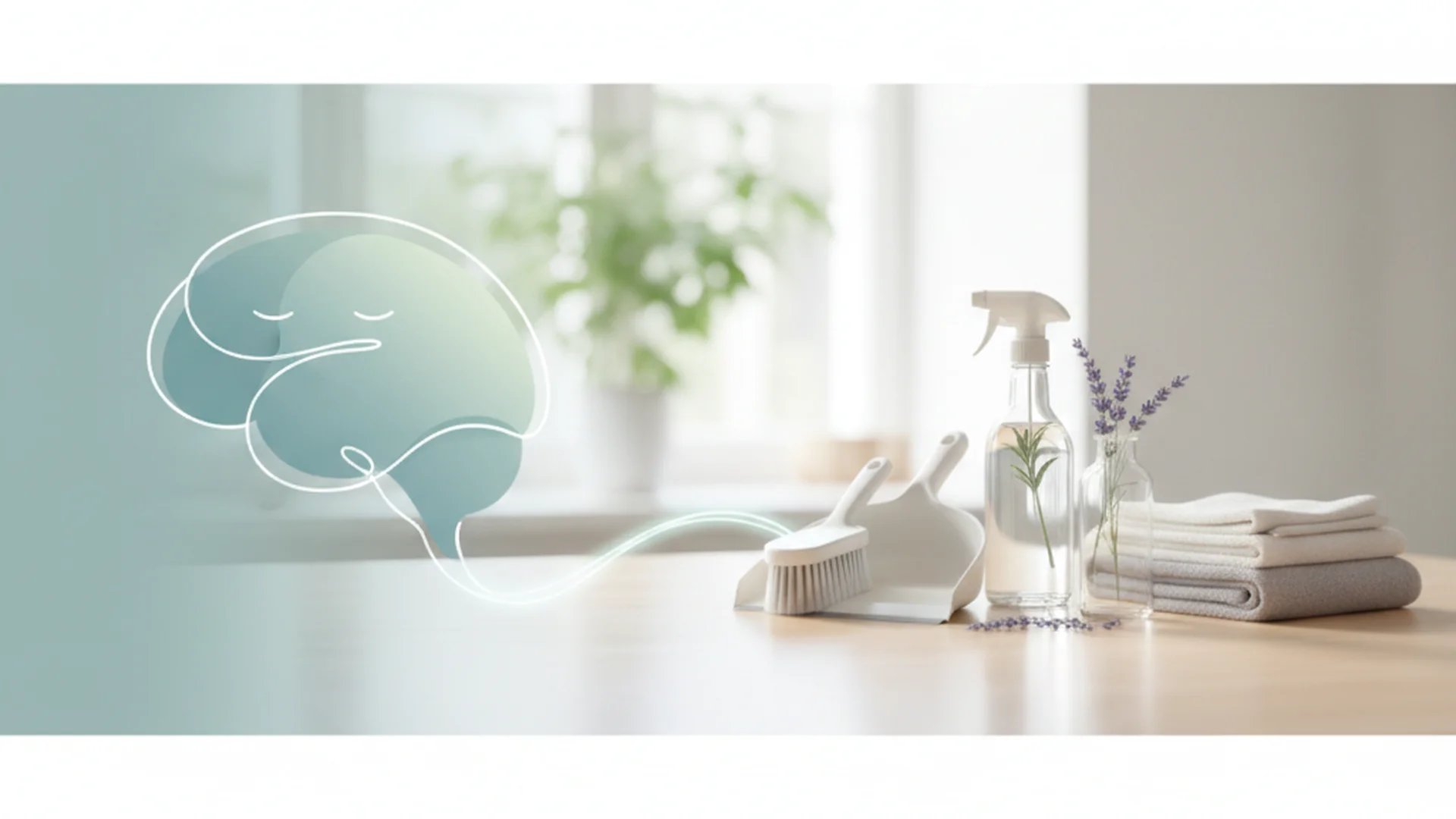
Obsessive-Compulsive Disorder is frequently misunderstood as a personality quirk. In reality, it is a neurobiological condition. For those with the contamination subtype, the brain’s "alarm system" (the amygdala) becomes hyper-reactive. It sends out constant signals that a surface is "dirty," "contaminated," or "dangerous," even when there is no objective evidence to support it.
OCD cleaning is fueled by intrusive thoughts (obsessions) and an urgent, physiological need to neutralize the resulting anxiety (compulsions). While a typical cleaner feels a sense of satisfaction when they finish a task, a person with OCD often feels only a fleeting moment of relief before the next intrusive thought arrives.
The Contamination Subtype
Contamination OCD is one of the most common ways the disorder manifests, and a large share of people with OCD experience these specific fears. This isn't just about "disliking germs"; it often involves "magical thinking"—the belief that if a specific spot on the floor isn't scrubbed three times, a loved one might get sick or a catastrophe might occur.
Note: OCD is a disorder of doubt. No matter how many times a surface is cleaned, the brain continues to ask, "But what if I missed a spot?"
Is it a Habit or a Compulsion?
One of the most frequent questions I receive is, "How do I know if I'm just thorough or if I have cleaning ocd?" The answer lies in the why and the how of the cleaning process.
Habitual Cleaning vs. OCD Cleaning
| Feature | Habitual / Perfectionist | OCD / Compulsive |
|---|---|---|
| Motivation | Desire for a tidy, functional space. | Need to reduce intense anxiety or fear. |
| Feeling Upon Completion | Satisfaction, relaxation, "done" feeling. | Temporary relief followed by renewed doubt. |
| Flexibility | Can stop if something more important comes up. | Feels impossible to stop until the ritual is complete. |
| Time Spent | Proportional to the mess. | Disproportional; cleaning clean surfaces for hours. |
Real-World Example: The Kitchen Counter
Imagine two people cleaning a kitchen counter after making a sandwich.
- Person A (Habitual): Wipes the crumbs away with a damp cloth, sees the counter is clear, and moves on to their next task.
- Person B (OCD): Wipes the counter, but then wonders if the cloth was contaminated. They spray a disinfectant and wipe it three times. Then they worry the spray bottle handle was dirty, so they wash their hands. Upon returning, they feel the counter still "looks" contaminated and repeat the entire process for 45 minutes.
Common Triggers and "Magical Thinking"
Triggers for cleaning rituals can be physical or conceptual. Understanding these can provide much-needed cleaning ocd help for family members trying to support their loved ones.
- Bodily Fluids: Common fears involve sweat, saliva, or blood.
- Chemicals: A paradoxical fear where the cleaning products themselves are seen as "contaminants" that must be cleaned away.
- Sticky Substances: Textures that "feel" hard to remove often trigger long scrubbing sessions.
- Magical Thinking: The belief that cleaning a specific area will prevent an unrelated negative event (e.g., "If I don't mop the hallway, I'll lose my job").
Warning: Relying on "CleanTok" or "Cleanstagram" can be dangerous for those with OCD. These platforms often celebrate extreme cleaning rituals that can inadvertently trigger or reinforce compulsive behaviors.
Modern Solutions: 2025 and 2026 Trends
The landscape of mental health has evolved rapidly over the last year. We are moving away from generic advice and toward precision, tech-assisted recovery.
AI-Enhanced ERP Apps
As of 2025, a new wave of AI chatbots has emerged, specifically trained in Exposure and Response Prevention (ERP). These apps act as a "pocket therapist." When a user feels the urge to perform a cleaning ritual, the AI provides real-time coaching, offering personalized "exposure scripts" to help them sit with the anxiety rather than giving in to the compulsion.
The Rise of "Eco-OCD"
A notable trend in late 2025 is "Eco-OCD." This involves cleaning compulsions tied to environmental purity. Sufferers may feel a moral or obsessive need to use only "pure" or "toxic-free" products, leading to a new layer of scrupulosity where the type of cleaner becomes as much of an obsession as the dirt itself.
Neuroplasticity and Intensive Programs
Intensive 2-week ERP programs are gaining ground as an alternative to traditional weekly therapy. These programs focus on high-frequency exposures that rapidly build the brain's tolerance for "uncleanness."
Success: Psilocybin-assisted therapy is being explored as a way to loosen the "rigid thought patterns" associated with treatment-resistant OCD, offering hope for those who haven't responded to traditional SSRIs.
Actionable Cleaning OCD Tips
If you find yourself trapped in a cleaning loop, these strategies can help you begin to break the cycle.
1. The "Delay" Technique
Instead of trying to stop cleaning cold turkey, start by delaying the ritual. When the urge to scrub the sink arises:
- Wait 5 minutes before starting.
- During those 5 minutes, engage in a different activity (like reading or walking).
- Gradually increase the delay to 10, 20, and 60 minutes.
- This teaches your brain that the "catastrophe" you fear doesn't happen even if you don't clean immediately.
2. Functional vs. Ritualistic Cleaning
Before you pick up a sponge, ask yourself: "Am I cleaning this because it is physically dirty, or because I feel anxious?"
- Functional: There is a coffee spill; I need to wipe it up.
- Ritualistic: This counter was cleaned an hour ago and hasn't been used, but it "feels" wrong.
3. Setting Strict Time Limits
Use a physical timer for standard household tasks.
- Give yourself 10 minutes for the dishes.
- When the timer rings, you must stop, even if the "just right" feeling hasn't been achieved.
- This is a form of micro-exposure that builds tolerance for imperfection.
4. Practice "Purposeful Mess"
In ERP, this is called an exposure. Intentionally leave a small "mess"—like a single drop of water on a mirror or a slightly crooked rug—and leave it there for the day. Sit with the discomfort it causes until the anxiety naturally peaks and then subsides.
Tip: If you are seeking cleaning ocd help, look for a therapist who specifically mentions "ERP" or "ACT" (Acceptance and Commitment Therapy) in their profile. These are the most effective modalities for OCD.
Common Mistakes to Avoid
In the journey to manage OCD, well-meaning actions can often backfire.
- Trivializing the Language: Avoid saying "I'm so OCD" when you mean you are organized. This minimizes the suffering of those with the clinical disorder and makes it harder for them to be taken seriously.
- Family Accommodation: This is a major hurdle. When a family member cleans for the person with OCD or participates in their rituals (e.g., washing their hands whenever the sufferer asks), they are accidentally reinforcing the OCD cycle. The short-term peace it brings actually strengthens the disorder.
- The "Clean Hack" Rabbit Hole: As a home organization expert, I warn clients that "hacks" often become new rituals. If a new cleaning method feels like a "rule" you must follow, delete the video and step away.
- Focusing on Germs Alone: Many believe OCD is just about hygiene. If you ignore the "magical thinking" or the "just right" feeling, you are only treating half the problem.
Frequently Asked Questions
Is my cleaning a habit or OCD?
Why can't I stop cleaning even when I'm exhausted?
Does cleaning more make the anxiety go away?
Can I have cleaning OCD without being a "neat freak"?
What is the best way to help a family member with cleaning OCD?
Conclusion
Living with cleaning ocd is a profound challenge that goes far beyond a simple desire for a tidy home. It is an exhausting cycle of intrusive thoughts and compulsive actions that can steal hours of your life every day. However, as we look toward the advancements of 2025 and 2026, the message is one of hope.
Through techniques like Exposure and Response Prevention (ERP), the use of modern AI-support tools, and a shift in how we understand neuroplasticity, it is possible to break the cycle. A "perfectly clean" house should never come at the cost of your mental health. The goal is not perfection; the goal is a functional, joyful life where you—not your cleaning supplies—are in control.
Success: By implementing small delays and setting time limits, many individuals find they can reduce their cleaning time by 50% within the first month of practice.
Cleaning that keeps score
Every task earns points, every streak multiplies them, and Premium adds a household leaderboard plus a monthly Dustagorgon to beat.
- Free forever
- 30 badges to earn
- Up to 6 in a household
No card needed. Set up your rooms in a couple of minutes.